
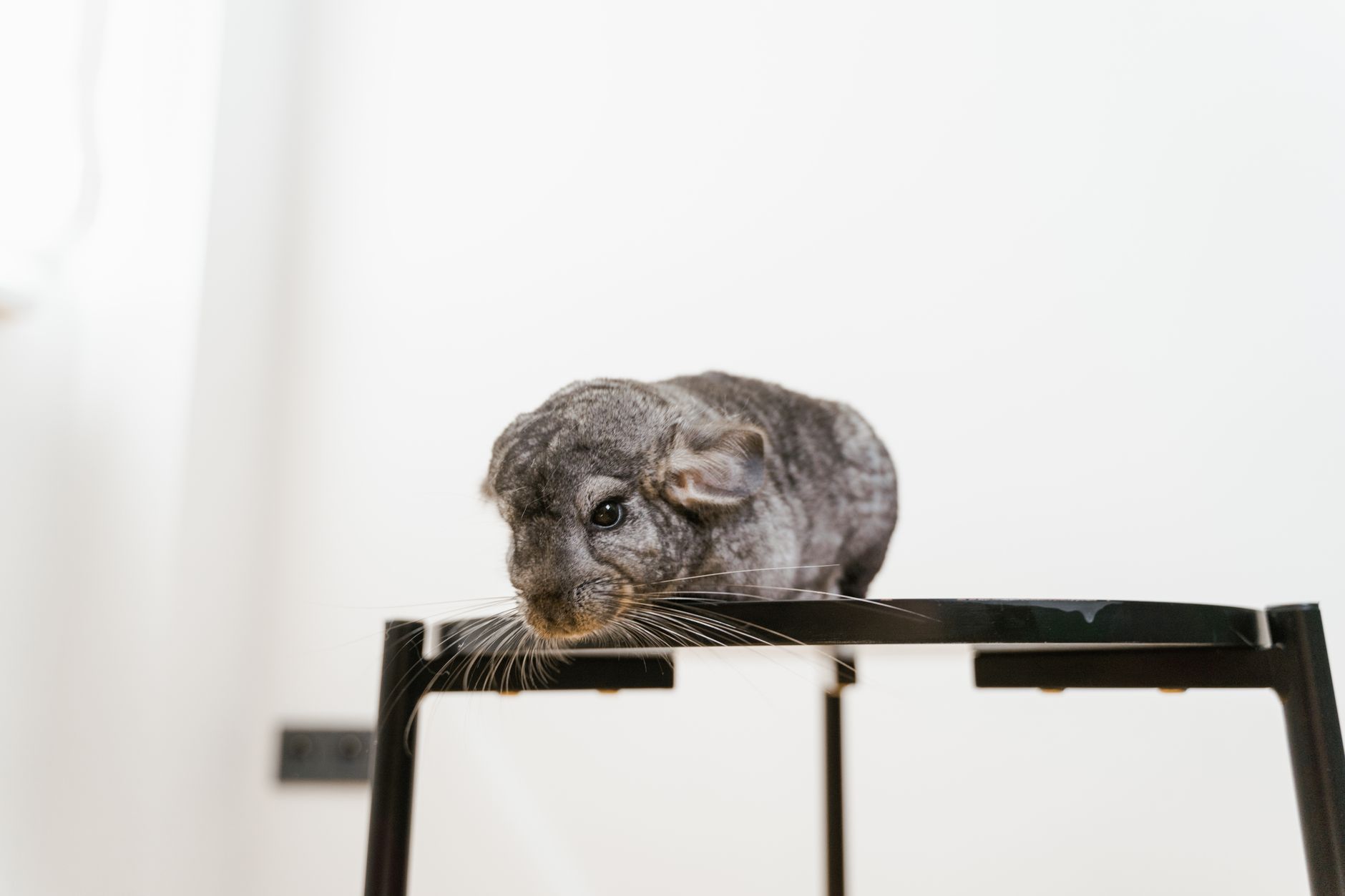
How Much Do Chinchillas Cost? A Comprehensive Guide
The initial cost of acquiring a chinchilla can range from $100 to $500, but ongoing expenses for their care can significantly increase the total lifetime cost.
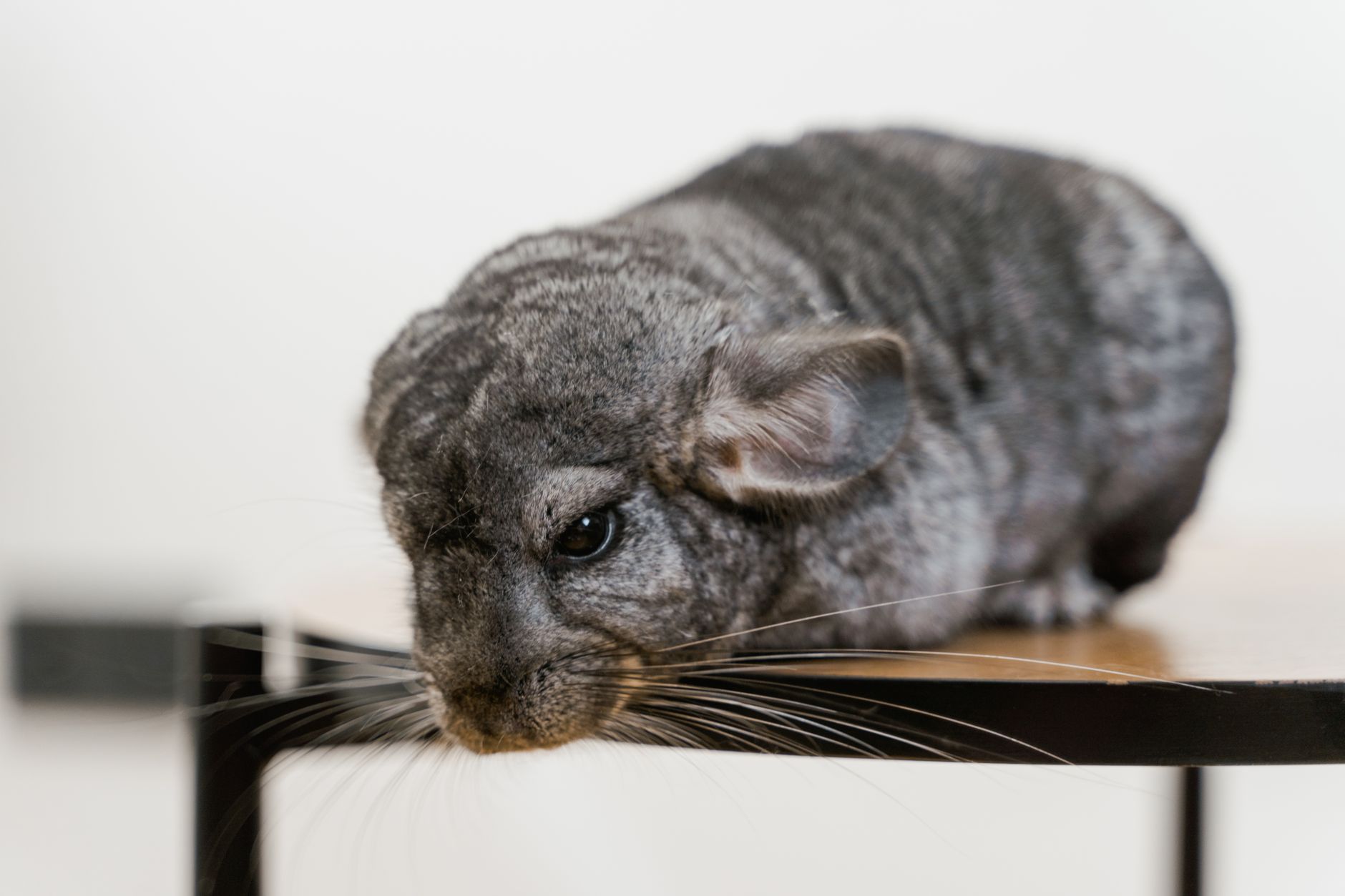
Introduction: Beyond the Initial Price Tag
Chinchillas, with their luxurious fur and playful personalities, are captivating pets. However, prospective owners need to understand that how much do chinchillas cost? involves more than just the purchase price. The true cost of owning a chinchilla extends to housing, food, accessories, veterinary care, and ongoing maintenance. This guide provides a comprehensive overview of the financial considerations involved in providing a chinchilla with a happy and healthy life.

What colours are fish most attracted to?
Can you put your finger in a trout's mouth?
Is methylene blue anti bacterial?
Does aquarium salt raise pH in aquarium?
Initial Acquisition Costs: Where to Find Your Chin

The initial cost of a chinchilla can vary depending on several factors:
- Breeder vs. Pet Store: Reputable breeders often charge more for chinchillas than pet stores. This is usually due to the breeder’s focus on health, temperament, and lineage. Breeders may also have rarer color variations, which command a higher price.
- Age and Temperament: Younger chinchillas may be less expensive than adults. Chinchillas with particularly docile or friendly temperaments may also fetch a higher price.
- Color Variation: Standard grey chinchillas are typically the least expensive. Rarer colors like ebony, sapphire, or violet can significantly increase the purchase price.
Typical initial acquisition costs:
- Standard Grey Chinchilla: $100 – $250
- Colored Chinchilla (e.g., Ebony, Beige): $250 – $400
- Rare Colored Chinchilla (e.g., Sapphire, Violet): $400 – $500+
Setting Up a Chinchilla Paradise: Essential Supplies
Beyond the chinchilla itself, setting up a suitable habitat requires a significant initial investment. Essential supplies include:
- Cage: A multi-tiered cage is crucial for chinchillas to climb and exercise. Aim for a cage that is at least 24″ x 24″ x 36″ tall.
- Food and Water: High-quality chinchilla pellets, hay, and a water bottle or bowl are essential.
- Dust Bath: Chinchillas require special dust for bathing several times a week.
- Hiding House: A cozy place for your chinchilla to retreat and feel secure.
- Toys: Chew toys, tunnels, and other enrichment items are important for mental stimulation.
Here’s an estimated breakdown of initial setup costs:
| Item | Estimated Cost |
|---|---|
| Cage | $100 – $300 |
| Food & Water Dishes | $10 – $20 |
| Dust Bath Container | $15 – $30 |
| Dust Bath Dust | $10 – $20 |
| Hiding House | $15 – $30 |
| Toys | $20 – $40 |
| Total | $170 – $440 |
Ongoing Expenses: The Real Cost of Ownership
How much do chinchillas cost? is not a one-time question. Recurring expenses add up over time. These include:
- Food: High-quality chinchilla pellets and hay are the dietary staples.
- Dust Bath: Replenishing the dust bath dust is a regular expense.
- Bedding: Replacing cage bedding regularly to maintain hygiene.
- Veterinary Care: Annual checkups and potential emergency vet visits.
- Toys and Enrichment: Replacing worn or destroyed toys to keep your chinchilla entertained.
Estimated monthly ongoing costs:
- Food: $20 – $40
- Dust: $10 – $20
- Bedding: $10 – $20
- Toys: $5 – $15
- Total (excluding vet care): $45 – $95
Remember that veterinary care can be unpredictable, and emergency visits can be costly. Budgeting for potential vet expenses is crucial.
Common Mistakes: Avoiding Unnecessary Costs
Many first-time chinchilla owners make common mistakes that can lead to unnecessary expenses. These include:
- Purchasing an Inadequate Cage: A cage that is too small can lead to health problems and behavioral issues, requiring more frequent vet visits.
- Feeding the Wrong Diet: Feeding chinchillas food that is not specifically formulated for them can lead to digestive problems and other health issues.
- Neglecting Dental Care: Chinchillas’ teeth constantly grow, and neglecting dental care can lead to painful and costly dental problems. Provide plenty of chew toys to help wear down their teeth.
- Ignoring Environmental Conditions: Chinchillas are sensitive to heat and humidity. Maintaining a cool and dry environment is crucial for their health. Investing in a temperature and humidity monitor can help prevent heatstroke, which can lead to emergency vet visits.
Preparing for Veterinary Costs: Planning for the Unexpected
Preventative care is essential, but unexpected illnesses or injuries can arise. Veterinary costs can range from routine checkups to emergency surgery. Consider pet insurance or setting aside a dedicated emergency fund to cover these expenses. Regular check-ups, even when your chinchilla seems healthy, can help detect problems early before they become major, expensive issues.
Conclusion: Is a Chinchilla the Right Pet for You?
Understanding how much do chinchillas cost? is crucial before bringing one into your home. While the initial purchase price may seem manageable, the ongoing costs of providing proper care, including high-quality food, a spacious cage, enrichment items, and potential veterinary care, can be substantial. If you are prepared to commit to these financial responsibilities, a chinchilla can be a rewarding and delightful companion.
Frequently Asked Questions (FAQs)
What is the average lifespan of a chinchilla, and how does that affect long-term costs?
Chinchillas can live for 10-20 years, so you are committing to significant long-term expenses. This extended lifespan means consistent costs for food, bedding, dust baths, toys, and veterinary care over many years, making it important to factor this into your overall budget.
Are there ways to save money on chinchilla care without compromising their well-being?
Yes, there are several ways to save money without sacrificing your chinchilla’s health and happiness. Buying food and bedding in bulk can often reduce costs, and making your own safe chew toys can be a fun and budget-friendly alternative to store-bought options. Comparing prices from different retailers is also advised.
What kind of veterinary care do chinchillas typically require, and how much does it cost?
Chinchillas require annual checkups, and may need treatment for dental issues, respiratory infections, or digestive problems. Routine checkups can cost between $50-$100, while more complex treatments can range from $200 to $1000 or more, depending on the severity.
Can I adopt a chinchilla instead of buying one from a breeder or pet store?
Adopting a chinchilla is a great way to give a home to an animal in need and can be more affordable than buying from a breeder or pet store. Adoption fees are typically lower than purchase prices, and you might even be able to acquire some necessary supplies along with your adopted chinchilla.
What are the best types of cages for chinchillas, and how can I choose one that’s both safe and affordable?
Multi-tiered wire cages are ideal, but make sure the wire spacing is small enough to prevent your chinchilla from getting its feet stuck. Look for used cages in good condition or build your own if you’re handy. Avoiding plastic is recommended, as chinchillas tend to chew it.
What are the specific dietary needs of chinchillas, and how can I ensure I’m providing a balanced diet without overspending?
Chinchillas need high-quality chinchilla pellets, fresh hay (timothy, orchard, or meadow), and limited treats. Avoid sugary treats and focus on providing a balanced diet of pellets and hay to ensure their health.
How often do chinchillas need dust baths, and what type of dust is best?
Chinchillas need dust baths 2-3 times per week to keep their fur clean and healthy. Use only chinchilla-specific dust, as other types of dust can be harmful. Never use sand or soil.
What are some signs of illness in chinchillas, and when should I seek veterinary care?
Signs of illness include loss of appetite, lethargy, diarrhea, difficulty breathing, or changes in behavior. Seek veterinary care immediately if you notice any of these signs.
Are chinchillas social animals, and should I get more than one?
Chinchillas are social animals and can thrive in pairs or small groups, but it’s important to introduce them carefully and ensure they have enough space. Same-sex pairs are generally recommended to avoid unwanted breeding.
What are the legal considerations of owning a chinchilla in my area?
Some areas may have restrictions on owning exotic pets like chinchillas. Check your local laws and regulations before acquiring a chinchilla to ensure you are in compliance.
What are the dangers of heatstroke in chinchillas, and how can I prevent it?
Chinchillas are prone to heatstroke in temperatures above 80°F (27°C). Keep them in a cool, well-ventilated environment and provide them with frozen granite tiles to lie on during hot weather.
Where can I find reliable information about chinchilla care and health?
Reputable chinchilla breeders, experienced owners, and veterinarians specializing in exotic animals are excellent sources of information. Consult multiple sources to gain a comprehensive understanding of chinchilla care.