

How Much DNA Do Cats Share With Tigers? A Genetic Perspective
The remarkable genetic similarity between domestic cats and tigers reveals a shared ancestry: Domestic cats share around 95.6% of their DNA with tigers, highlighting their close evolutionary relationship.
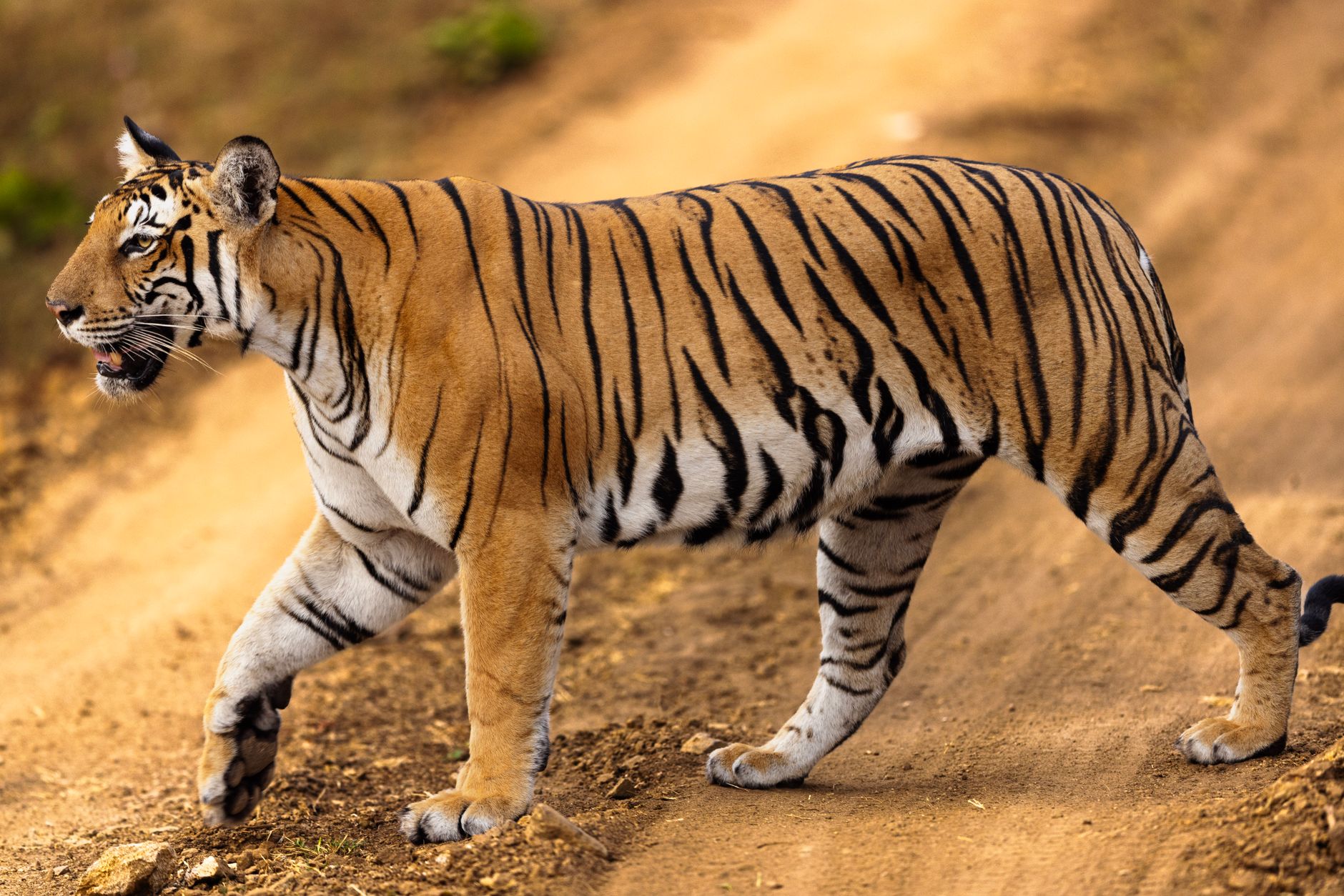
Introduction: Unveiling the Feline Connection
The world of felines is diverse, ranging from the tiny house cat purring on our laps to the majestic tiger roaming the jungles. While their appearances differ drastically, genetics tells a fascinating story of shared ancestry and surprising similarities. Understanding how much DNA do cats share with tigers offers insights into feline evolution, conservation efforts, and even our understanding of genetics itself. This exploration will delve into the genetic makeup of cats and tigers, examining the data and what it signifies.

What colours are fish most attracted to?
Can you put your finger in a trout's mouth?
Is methylene blue anti bacterial?
Does aquarium salt raise pH in aquarium?
The Feline Family Tree: A Shared Ancestry

Cats, both domestic and wild, belong to the family Felidae. Within this family, different species are classified into genera. The genus Panthera includes the “big cats” like tigers, lions, jaguars, and leopards, while domestic cats belong to the genus Felis. Despite this classification, which implies greater distance, genetic research reveals a closer link than one might expect. This shared ancestry means there are inherent genetic commonalities.
- Divergence Point: Understanding when these species diverged is crucial.
- Shared Genes: Identifying which genes are shared and which are unique.
The Genetic Code: Decoding the Feline Genome
DNA, the blueprint of life, holds the key to understanding the relationships between species. By comparing the genomes of domestic cats and tigers, scientists can pinpoint the similarities and differences. Genetic sequencing techniques have become increasingly sophisticated, allowing for detailed analysis of the feline genome.
- Genome Sequencing: The process of determining the complete DNA sequence of an organism.
- Comparative Genomics: Comparing the genomes of different species to identify similarities and differences.
The 95.6% Overlap: Deciphering the Data
So, how much DNA do cats share with tigers? The answer, as research has shown, is around 95.6%. This significant overlap doesn’t mean cats and tigers are nearly identical. Rather, it reflects their shared ancestry and the conservation of certain genes essential for survival and feline characteristics. The remaining 4.4% accounts for the unique traits that distinguish these animals, such as size, coloration, and behavior.
Beyond the Percentage: What It Really Means
Understanding the percentage is only the first step. It’s crucial to consider what these shared genes control and how the differences manifest. For example, genes related to basic cellular functions, metabolism, and skeletal structure are likely to be highly conserved. The differences lie in genes that regulate size, coat pattern, and specialized behaviors. The small percentage difference can lead to major differences in appearance and behavior.
Applications of Genetic Research: Conservation and Beyond
Understanding the genetic relationships between cats and tigers has practical applications. For example, this information can inform conservation efforts by helping to identify and protect genetically distinct populations.
- Conservation: Identifying genetically diverse tiger populations for protection.
- Breeding Programs: Maintaining genetic diversity in captive breeding programs.
Common Misconceptions about Feline DNA
Many people assume that a high percentage of shared DNA means that cats and tigers are practically the same. This is a misconception. While they share many basic genes, the differences in gene expression and regulation can lead to significant variations.
- Shared DNA does not equal identical traits: The small percentage difference can lead to big differences in appearance and behavior.
- Misunderstanding of genetic data: It’s easy to misinterpret complex genetic data if you are not an expert.
Frequently Asked Questions About Cat and Tiger Genetics
Are domestic cats more closely related to tigers than to lions?
While domestic cats share a high percentage of DNA with tigers (around 95.6%), comparative studies reveal that tigers and lions are more closely related to each other within the Panthera genus. Domestic cats belong to a different genus, Felis.
What are some of the key genetic differences between cats and tigers?
The key genetic differences lie in genes related to size regulation, coat pattern, muscle development, and specialized behaviors like hunting strategies. These seemingly small genetic variations result in the striking differences we observe.
Can cats and tigers interbreed in the wild?
While genetically possible, interbreeding between cats and tigers in the wild is extremely rare due to geographic separation, differences in mating behavior, and size disparities. There are no documented cases of fertile hybrids occurring naturally.
How do scientists determine how much DNA cats and tigers share?
Scientists use advanced genome sequencing technologies to map out the complete DNA sequence of both species. They then employ bioinformatics tools to compare the sequences, identify similarities and differences, and calculate the percentage of shared DNA.
Does shared DNA mean that cats and tigers can get the same diseases?
To some extent, yes. Shared genes can make both species susceptible to certain diseases. However, there are also diseases that affect one species but not the other due to genetic differences.
Is it possible to create a “tigon” (tiger-lion hybrid) or similar feline hybrid through genetic engineering?
While theoretically possible through advanced genetic engineering techniques, such efforts raise ethical concerns and would likely be complex and challenging. Natural tigons, born through captive breeding, already exist but often suffer from health problems.
How has understanding feline genetics helped with conservation efforts?
Understanding feline genetics helps conservation efforts by allowing scientists to identify genetically distinct populations, assess the health of wild populations, and develop effective breeding programs for endangered species, ensuring genetic diversity is maintained.
Are there specific genes that determine a cat’s personality, similar to how genes affect tigers?
While genetics plays a role in personality, it’s also influenced by environmental factors and experiences. There are likely genes that contribute to certain behavioral traits in both cats and tigers, but the precise mechanisms are still being researched.
What other wild cat species are closely related to domestic cats?
The African wildcat (Felis lybica) is considered the direct ancestor of the domestic cat. Other closely related species include the European wildcat (Felis silvestris) and the sand cat (Felis margarita).
How does gene expression differ between cats and tigers?
Gene expression refers to how genes are turned on or off. Even if cats and tigers share a gene, the way that gene is expressed – its activity level – can vary significantly, leading to different traits. This is a crucial factor in their distinct appearances and behaviors.
What are the ethical considerations of studying feline genetics, especially concerning endangered species like tigers?
Ethical considerations include ensuring that research methods are non-invasive, minimizing stress on animals, and using the knowledge gained to benefit conservation efforts. Additionally, genetic data privacy is important, and researchers should adhere to strict ethical guidelines.
Where can I learn more about feline genetics and the relationship between cats and tigers?
You can learn more about feline genetics through scientific journals, reputable websites of wildlife organizations (like WWF), and educational institutions that conduct research in this area. Look for peer-reviewed articles and information from trusted sources.