

How Much Coelacanths Are Left? Unveiling the Mystery of a Living Fossil
The precise population of coelacanths remains a mystery, but estimates suggest there are likely only a few thousand individuals across two distinct populations, making them critically endangered; conservation efforts are crucial to ensuring the survival of these ancient fish.

The Enigmatic Coelacanth: A Living Fossil
The coelacanth, a fish once thought to have been extinct for millions of years, shocked the scientific world when it was rediscovered off the coast of South Africa in 1938. This remarkable creature, a true “living fossil,” offers a unique window into the evolution of vertebrates and the transition from aquatic to terrestrial life. Its rediscovery ignited a scientific quest to understand its biology, behavior, and, critically, its remaining population size. Determining how much coelacanths are left? is a fundamental step in protecting this ancient lineage.

What colours are fish most attracted to?
Can you put your finger in a trout's mouth?
Is methylene blue anti bacterial?
Does aquarium salt raise pH in aquarium?
The Two Known Species
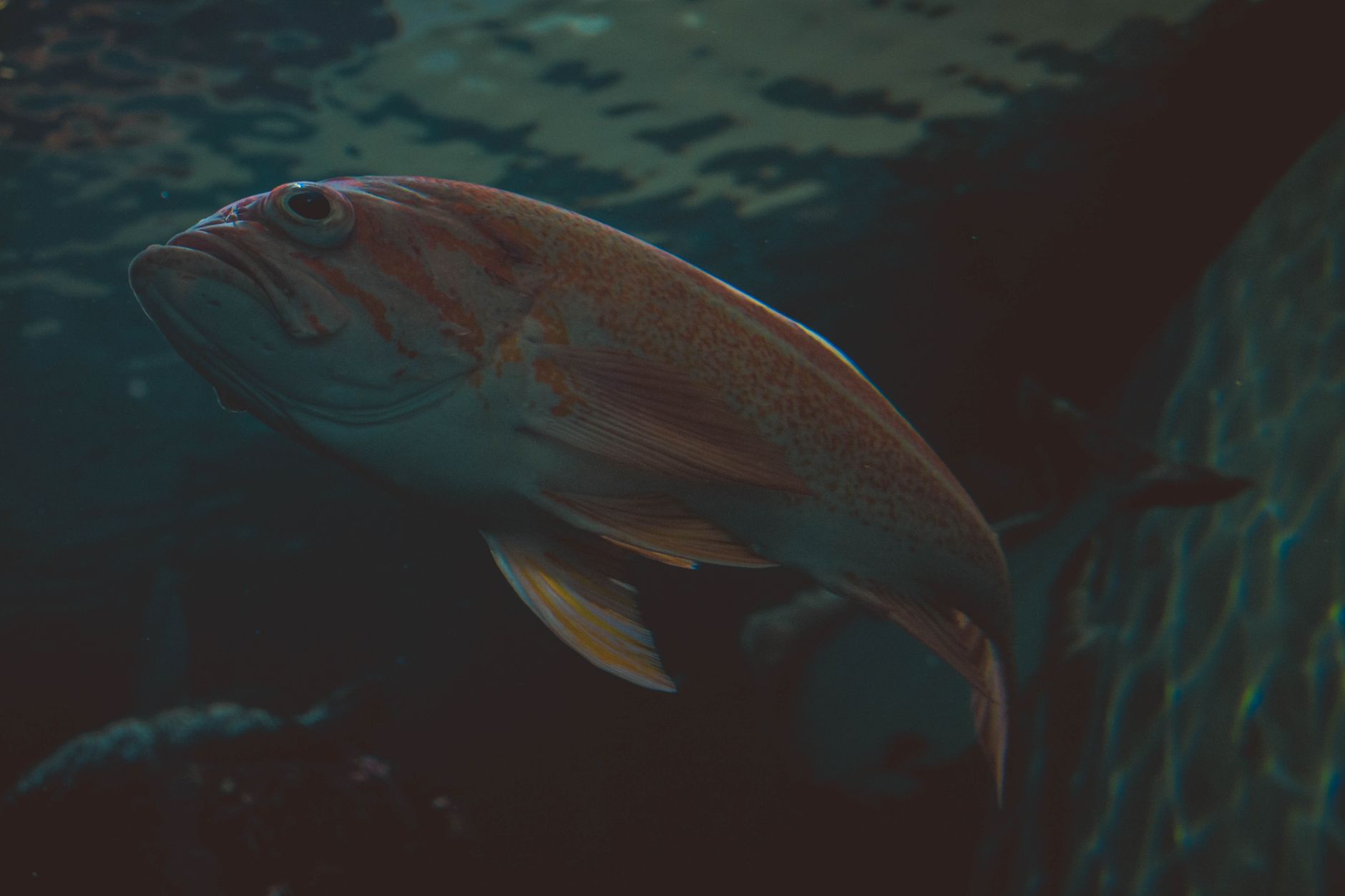
Currently, there are two recognized species of coelacanth:
- Latimeria chalumnae, the African coelacanth, found primarily in the waters off the coast of South Africa, Mozambique, Tanzania, and the Comoro Islands.
- Latimeria menadoensis, the Indonesian coelacanth, discovered in the waters of North Sulawesi, Indonesia.
The existence of two geographically isolated species adds complexity to population estimates.
Challenges in Estimating Coelacanth Populations
Estimating the population size of coelacanths presents significant challenges:
- Deep-sea habitat: Coelacanths inhabit deep, rocky, and often inaccessible environments, making direct observation difficult.
- Limited observations: Sightings are rare and often accidental, relying on encounters with fishermen or remotely operated vehicles (ROVs).
- Cryptic behavior: Coelacanths are nocturnal and prefer caves and other secluded areas, further hindering observation.
- Wide distribution: The vast stretches of ocean separating known populations complicate comprehensive surveys.
These challenges underscore the difficulty in providing a definitive answer to how much coelacanths are left?.
Population Estimation Methods
Despite the challenges, scientists employ various methods to estimate coelacanth populations:
- ROV Surveys: Using remotely operated vehicles equipped with cameras and sensors to explore deep-sea habitats and count individual coelacanths.
- Acoustic Monitoring: Deploying underwater microphones to detect and analyze the unique sounds produced by coelacanths.
- Mark-Recapture Studies: Tagging individual coelacanths with unique identifiers and tracking their movements to estimate population size based on recapture rates. (This method is extremely difficult and has seen limited success).
- Genetic Analysis: Analyzing the genetic diversity of coelacanth populations to infer population size and connectivity.
- Fishermen Interviews: Gathering data from local fishermen regarding coelacanth sightings and incidental catches.
Current Population Estimates
Based on available data, the following estimates are generally accepted:
- African Coelacanth (Latimeria chalumnae): Estimates range from a few hundred to a few thousand individuals across all known locations. The largest known population resides in the Comoro Islands, where estimates suggest a few hundred individuals. Other populations are significantly smaller and may be genetically isolated.
- Indonesian Coelacanth (Latimeria menadoensis): The population in North Sulawesi, Indonesia, is believed to be even smaller than the African coelacanth, likely numbering in the hundreds.
It is important to emphasize that these are estimates and the actual population size could be significantly different. Accurately answering how much coelacanths are left? remains an ongoing scientific endeavor.
Threats to Coelacanth Survival
Several factors threaten the survival of coelacanths:
- Incidental Catch: Coelacanths are sometimes caught as bycatch in deep-sea fishing nets, often resulting in their death.
- Habitat Degradation: Deep-sea trawling and other destructive fishing practices can damage the coelacanth’s habitat.
- Pollution: Marine pollution, including plastic waste and chemical pollutants, can harm coelacanths and their prey.
- Climate Change: Changes in ocean temperature and acidity may negatively impact coelacanths and their ecosystem.
Conservation Efforts
Various conservation efforts are underway to protect coelacanths:
- Marine Protected Areas: Establishing marine protected areas in known coelacanth habitats to restrict fishing and other potentially harmful activities.
- Fisheries Management: Implementing sustainable fishing practices to reduce bycatch and minimize habitat damage.
- Research and Monitoring: Conducting ongoing research to monitor coelacanth populations and better understand their biology and behavior.
- Education and Awareness: Raising public awareness about coelacanths and the importance of their conservation.
- International Collaboration: Fostering collaboration among scientists, governments, and local communities to protect coelacanths across their range.
The Future of Coelacanths
The future of coelacanths depends on continued conservation efforts and a deeper understanding of their biology and ecology. Addressing the question of how much coelacanths are left? through improved monitoring and research is paramount. By working together, we can ensure that these remarkable “living fossils” continue to grace our oceans for generations to come.
Frequently Asked Questions (FAQs)
What makes the coelacanth a “living fossil”?
The term “living fossil” refers to a species that has remained relatively unchanged for millions of years. Coelacanths possess anatomical features remarkably similar to fossils dating back to the Devonian period, approximately 400 million years ago, showcasing an extremely slow rate of evolution.
Where are coelacanths found?
Currently, coelacanths are known to inhabit two geographically distinct regions: the waters off the coast of eastern and southern Africa (primarily the Comoro Islands, Tanzania, Mozambique, and South Africa) and the waters of North Sulawesi, Indonesia.
How deep do coelacanths live?
Coelacanths typically reside in deep, rocky environments at depths ranging from 150 to 700 meters (490 to 2,300 feet). They prefer caves and other sheltered areas where they can rest during the day.
What do coelacanths eat?
Coelacanths are primarily nocturnal predators that feed on a variety of fish, squid, and other marine invertebrates. Their diet reflects the availability of prey in their deep-sea habitat.
How long do coelacanths live?
Coelacanths are believed to have a long lifespan, with estimates suggesting they can live for up to 60 years or more. This longevity contributes to their slow reproductive rate.
How do coelacanths reproduce?
Coelacanths are ovoviviparous, meaning that the females retain the fertilized eggs inside their bodies until they hatch. The gestation period is believed to be remarkably long, possibly lasting for several years.
Are coelacanths dangerous to humans?
Coelacanths are not considered dangerous to humans. They are docile fish that pose no threat to people.
What is the conservation status of coelacanths?
Both species of coelacanth are listed as Critically Endangered by the International Union for Conservation of Nature (IUCN). This classification reflects their small population sizes and the threats they face.
What can be done to help protect coelacanths?
Protecting coelacanths requires a multi-faceted approach, including establishing marine protected areas, implementing sustainable fishing practices, conducting ongoing research, and raising public awareness.
What is the scientific significance of coelacanths?
Coelacanths provide valuable insights into the evolution of vertebrates, particularly the transition from aquatic to terrestrial life. Their unique anatomy and physiology offer clues about the evolutionary origins of tetrapods (four-legged animals).
Has the population of coelacanths changed since their rediscovery?
Determining population trends accurately is challenging due to limited data. However, some localized populations have likely declined due to incidental catch and habitat degradation. More comprehensive monitoring is needed to assess the overall population trajectory.
How will answering “How much coelacanths are left?” help these species?
Knowing how much coelacanths are left? is crucial for informed conservation management. An accurate estimate can help prioritize conservation efforts, assess the effectiveness of existing measures, and justify the allocation of resources for protecting these ancient fish from extinction.