

How Much Attention Does a Hedgehog Need?
Hedgehogs are fascinating pets, but understanding their needs is crucial. A hedgehog’s attention needs are moderate, primarily involving providing a clean, enriching environment, regular handling to maintain sociability, and dedicated time for health checks – totaling approximately 30-60 minutes daily.
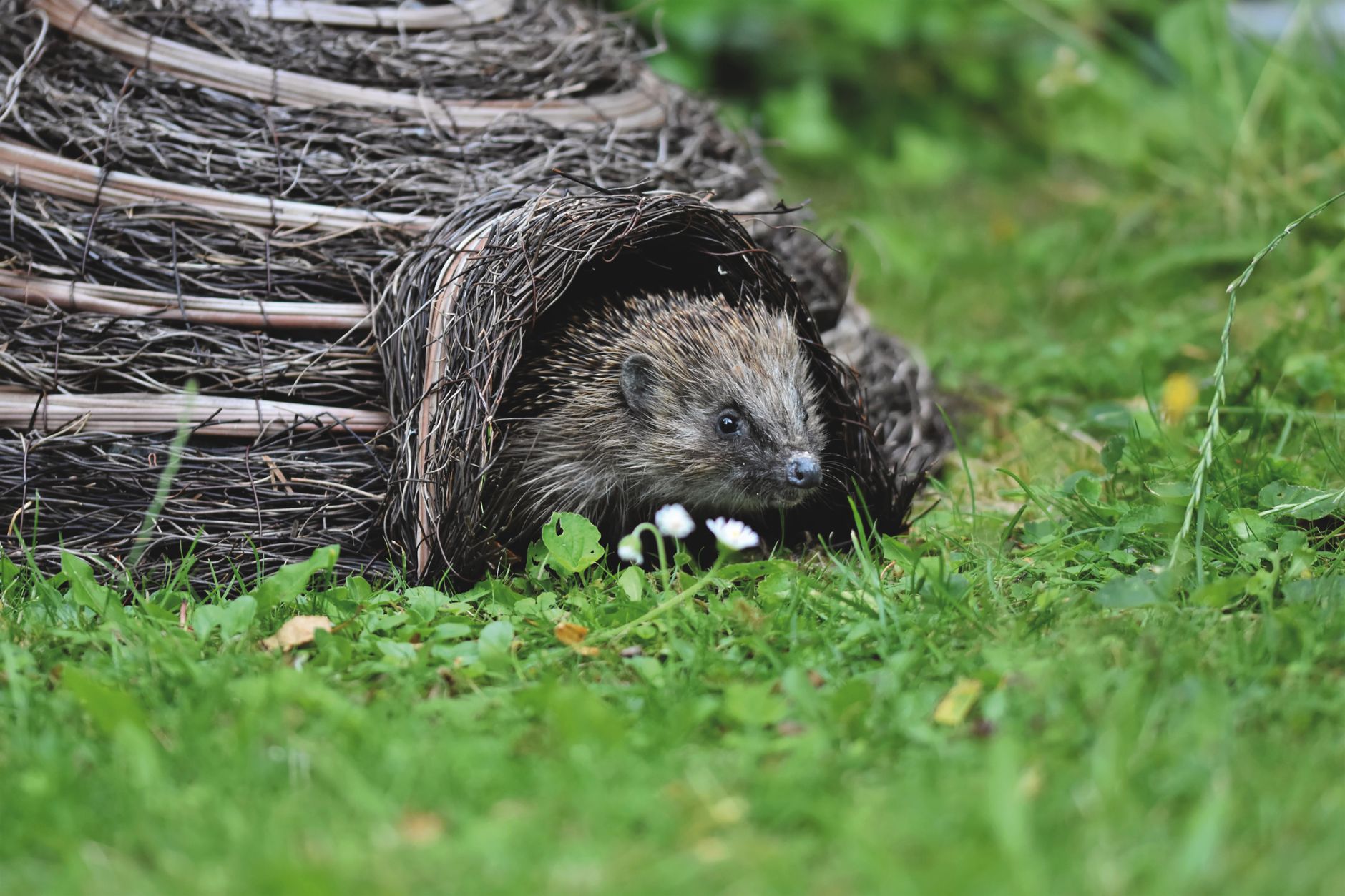
Understanding the Hedgehog: A Prickly Pal with Unique Requirements
Hedgehogs have seen a surge in popularity as pets, captivating many with their unique appearance and relatively low-maintenance lifestyle. However, prospective owners often wonder, How much attention does a hedgehog need? While not as demanding as dogs or cats, hedgehogs still require consistent care and attention to thrive. Understanding their natural behaviors and creating a suitable environment are paramount for their well-being.

Is distilled water good for goldfish?
What colours are fish most attracted to?
Can you put your finger in a trout's mouth?
Is methylene blue anti bacterial?
Hedgehog Behavior and Social Needs

Unlike social animals like dogs, hedgehogs are generally solitary creatures. In the wild, they forage alone and only interact during mating season. This influences their interaction with humans; they don’t crave constant companionship but require regular, gentle handling to prevent them from becoming defensive or fearful. Neglecting interaction can lead to a prickly and stressed hedgehog.
Creating an Enriching Environment
A hedgehog’s environment plays a significant role in its well-being and, consequently, how much attention it ultimately requires. An inadequate environment can lead to boredom, stress, and health problems, demanding more attention in the long run.
- Cage Size: A minimum of 4 square feet is recommended, but larger is always better.
- Bedding: Safe and absorbent bedding like fleece liners or paper-based bedding is essential. Avoid cedar or pine shavings.
- Temperature: Maintain a consistent temperature between 72-80°F (22-27°C).
- Wheel: A solid-surface wheel is crucial for exercise. Mesh or wire wheels can injure their feet.
- Hiding Places: Provide several hiding places like igloos, tunnels, or fabric pouches to make them feel secure.
Daily and Weekly Care Routines
The attention a hedgehog needs breaks down into daily and weekly routines:
- Daily:
- Spot clean the cage: Remove soiled bedding and replace food and water.
- Short handling session: 15-30 minutes of gentle interaction.
- Observe for any signs of illness or injury.
- Weekly:
- Thorough cage cleaning: Replace all bedding and disinfect the cage.
- Bath (as needed): Only bathe a hedgehog when necessary to avoid drying out their skin.
Handling Techniques and Socialization
Gentle handling is crucial for socializing a hedgehog. Approach them slowly and calmly. Scoop them up gently from underneath, supporting their body. Offer treats like mealworms or crickets to associate handling with positive experiences. Consistent, gentle handling will result in a more relaxed and confident hedgehog.
Monitoring Health and Well-being
Regular observation is key to identifying potential health issues early. Signs of illness include:
- Loss of appetite
- Lethargy
- Discharge from eyes or nose
- Changes in stool
- Quill loss
- Lumps or bumps
If you notice any of these signs, consult a veterinarian experienced in treating hedgehogs. Early intervention can significantly improve their prognosis.
Common Mistakes Owners Make
Many new hedgehog owners make mistakes that increase the amount of attention the animal ultimately needs.
- Inadequate Housing: A small, cramped cage leads to stress and boredom.
- Improper Temperature Control: Temperatures that are too low can cause hibernation attempts, which can be fatal.
- Lack of Handling: Neglecting handling leads to a defensive and unsocial hedgehog.
- Poor Diet: Feeding an improper diet can lead to health problems.
- Ignoring Signs of Illness: Delaying veterinary care can worsen health issues.
FAQs: Deep Dive into Hedgehog Attention Needs
What is the minimum amount of time I need to spend with my hedgehog each day?
The minimum amount of time is around 15-30 minutes. This should include spot cleaning the cage, providing fresh food and water, and engaging in some gentle handling to keep your hedgehog socialized.
My hedgehog is always huffy. Does that mean it doesn’t like me?
Not necessarily. Hissing and popping (huffing) are natural defense mechanisms for hedgehogs. Continue handling your hedgehog gently and consistently, and it will likely become more comfortable with you over time. Patience is key.
How often should I clean my hedgehog’s cage?
Spot clean the cage daily to remove soiled bedding and droppings. A thorough cleaning, involving replacing all bedding and disinfecting the cage, should be done weekly.
Can I leave my hedgehog alone for a weekend?
Yes, you can leave your hedgehog alone for a weekend, provided you leave them with plenty of food and water and ensure the temperature remains consistent. However, it is best to have someone check on them to ensure everything is alright. Extended absences require a pet sitter.
What are the best toys for hedgehogs?
Safe and enriching toys for hedgehogs include:
- Tunnels
- Balls (without holes small enough for their feet to get stuck)
- Toilet paper tubes (cut lengthwise to prevent them from getting stuck)
- Small cat toys (ensure they don’t have small parts that can be swallowed)
How do I know if my hedgehog is bored?
Signs of boredom in hedgehogs include excessive sleeping, pacing, or self-mutilation (rare but possible). Provide plenty of enrichment and ensure your hedgehog is getting enough exercise.
Can hedgehogs be trained?
Hedgehogs are not as trainable as dogs or cats, but they can be trained to perform simple tasks like coming when called or using a litter box. Positive reinforcement with treats is the best method.
What are the common health problems in hedgehogs?
Common health problems include:
- Wobbly Hedgehog Syndrome (WHS)
- Cancer
- Dental disease
- Skin infections
- Respiratory infections
Do hedgehogs need baths?
Hedgehogs only need baths when they are visibly dirty or smelly. Over-bathing can dry out their skin. Use a mild, unfragranced shampoo and rinse thoroughly.
How can I make my hedgehog more comfortable with handling?
Start with short handling sessions and gradually increase the duration as your hedgehog becomes more comfortable. Offer treats during handling and speak to your hedgehog in a calm, soothing voice. Consistency is crucial.
What is the ideal diet for a hedgehog?
A high-quality dry cat food that is low in fat and high in protein is a good staple. Supplement with insects like mealworms and crickets. Avoid sugary foods, dairy products, and nuts.
How can I tell if my hedgehog is too cold?
Signs that your hedgehog is too cold include lethargy, shivering, and attempting to hibernate. Increase the temperature in their enclosure and provide extra bedding. Hibernation attempts can be dangerous and require immediate attention.