
Can Birds Have PTSD? Unveiling Trauma’s Impact on Avian Life
Yes, birds can exhibit symptoms consistent with Post-Traumatic Stress Disorder (PTSD). While not identical to the human experience, evidence suggests that birds exposed to severe trauma can develop lasting behavioral and physiological changes that resemble PTSD, impacting their quality of life.
Understanding Trauma in the Avian World
For centuries, humans have revered birds for their beauty, freedom, and complex behaviors. However, the vulnerability of avian life to trauma – from natural disasters to human interference – has often been overlooked. Understanding how birds process and react to traumatic events is crucial for their conservation and welfare. Can birds have PTSD? is a question that challenges our understanding of trauma’s reach, extending beyond human experience to other sentient beings.
Do all amphibians have eyelids?
Why do cuttlefish have W-shaped eyes?
Do all snakes have poison in them?
What is the GREY African clawed frog?
The Definition of PTSD and its Manifestation in Animals

Post-Traumatic Stress Disorder (PTSD) is a mental health condition that develops after experiencing or witnessing a traumatic event. In humans, it is characterized by a range of symptoms including:
- Intrusive memories (flashbacks, nightmares)
- Avoidance behaviors (avoiding reminders of the trauma)
- Negative alterations in cognition and mood (negative beliefs, detachment)
- Marked alterations in arousal and reactivity (hypervigilance, exaggerated startle response)
While the diagnostic criteria for PTSD are specifically designed for humans, researchers are increasingly recognizing that animals, including birds, can exhibit similar behavioral and physiological changes after experiencing trauma. Observing these changes helps us to consider Can birds have PTSD? and understand it appropriately.
Identifying PTSD-Like Symptoms in Birds
Identifying PTSD-like symptoms in birds requires careful observation and consideration of their normal behavior. Some common indicators include:
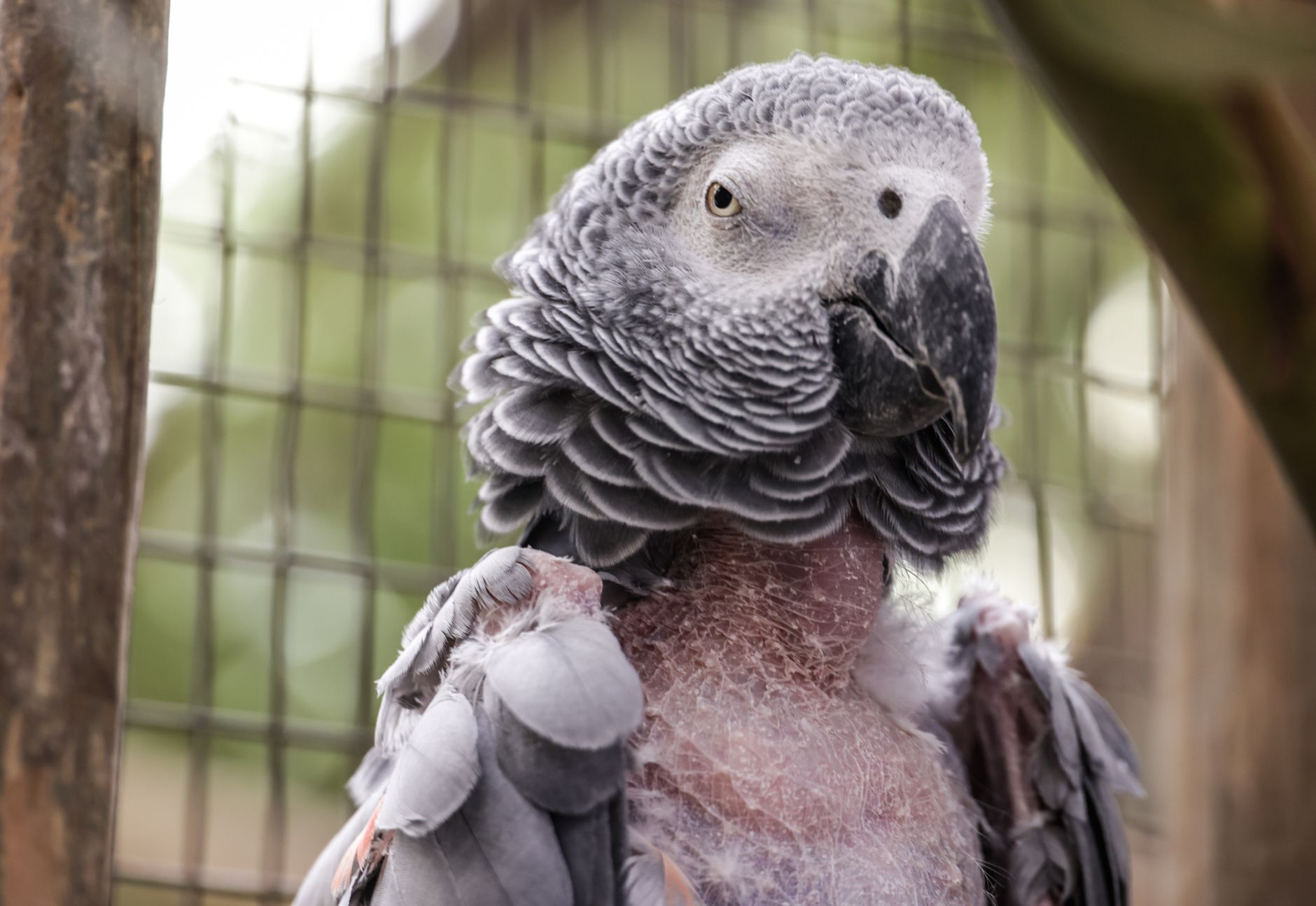
- Increased fearfulness and anxiety: Exhibited through excessive preening, feather plucking, and reluctance to engage in normal activities.
- Avoidance behaviors: Avoiding specific locations or objects associated with the traumatic event.
- Sleep disturbances: Difficulty sleeping or exhibiting unusual sleep patterns.
- Changes in vocalizations: Increased alarm calls or unusual silence.
- Social withdrawal: Avoiding interactions with other birds or humans.
- Self-injurious behavior: Feather plucking, self-mutilation, or repetitive behaviors.
These symptoms, when present after a traumatic event, can suggest that Can birds have PTSD? is a valid question warranting further investigation.
Types of Trauma Affecting Birds
Birds are susceptible to a wide range of traumatic experiences, both in the wild and in captivity. These include:
- Natural disasters: Hurricanes, wildfires, floods, and other natural events can cause significant trauma to bird populations, leading to habitat loss, displacement, and death.
- Predation attempts: Surviving a predation attempt can be a deeply traumatic experience, leading to long-term fear and anxiety.
- Human interference: Illegal hunting, habitat destruction, and pollution can all contribute to trauma in birds.
- Captivity-related trauma: Improper handling, inadequate enrichment, and exposure to stressful environments in captivity can also lead to PTSD-like symptoms.
- Early life trauma: Abandonment or neglect as chicks, or traumatic separation from parents can have long lasting effects.
Research and Evidence Supporting Avian PTSD
While research into PTSD in birds is still relatively limited, a growing body of evidence suggests that they are indeed susceptible to the condition. Studies have shown that:
- Birds exposed to stressful events exhibit increased levels of corticosterone, a stress hormone.
- Trauma can alter brain structure and function in birds, particularly in areas associated with fear and anxiety.
- Birds displaying PTSD-like symptoms respond positively to treatments commonly used for PTSD in humans, such as environmental enrichment and medication.
These findings contribute significantly to our understanding of how Can birds have PTSD? and strengthen the claim that they can suffer from a condition similar to human PTSD.
Treatment and Management of PTSD-Like Symptoms in Birds
Managing PTSD-like symptoms in birds requires a multi-faceted approach focused on reducing stress, providing a safe and predictable environment, and promoting healing. Common treatment strategies include:
- Environmental enrichment: Providing stimulating and engaging environments that promote natural behaviors.
- Positive reinforcement training: Using reward-based training to build trust and reduce fear.
- Medication: Anti-anxiety medications or antidepressants may be used in some cases to help manage severe symptoms, always under the supervision of a veterinarian.
- Creating a Safe Space: Minimizing stressors and providing a predictable routine can help birds feel more secure.
These approaches, when tailored to the specific needs of the individual bird, can help alleviate symptoms and improve their quality of life, further highlighting the importance of understanding Can birds have PTSD?.
The Ethical Implications of Recognizing PTSD in Birds
Recognizing that birds can experience PTSD raises important ethical considerations. It highlights the need for:
- Improved animal welfare standards: Ensuring that birds are treated humanely in all settings, from farms to zoos to private homes.
- Increased conservation efforts: Protecting bird habitats and reducing human activities that cause trauma.
- Further research: Expanding our understanding of PTSD in birds and developing more effective treatments.
- Educating the public: Raising awareness about the vulnerability of birds to trauma and promoting responsible stewardship of avian life.
Acknowledging the possibility that Can birds have PTSD? forces us to consider our impact on these creatures and to strive for a more compassionate and respectful coexistence.
FAQ: What specific types of birds are most susceptible to PTSD?
- While any bird can potentially develop PTSD-like symptoms after a traumatic event, certain species may be more vulnerable due to their cognitive abilities, social complexity, or sensitivity to environmental stressors. Birds that exhibit high intelligence, such as parrots and corvids, as well as highly social species like flocking birds, may be more prone to experiencing and remembering traumatic events. Also, birds that are particularly sensitive to their surroundings, such as those who are highly vocal or rely heavily on visual cues, may be more easily startled or frightened by sudden changes or threats.
FAQ: How does PTSD in birds differ from PTSD in humans?
- While birds and humans share some similarities in their physiological responses to trauma, the expression of PTSD differs significantly. Birds cannot articulate their experiences verbally, so diagnosis relies on observable behavioral and physiological changes. Human PTSD diagnostic criteria focus on intrusive thoughts and emotional distress, which are difficult to assess in birds. Thus, research focuses on measurable changes that indicate similar underlying processes.
FAQ: Is it possible to diagnose PTSD in a wild bird?
- Diagnosing PTSD in a wild bird is extremely difficult and largely speculative. It is challenging to definitively link specific traumatic events to subsequent behavioral changes in wild populations. Researchers rely on observing consistent patterns of behavior in birds that have experienced known traumatic events (e.g., after a natural disaster) but it’s difficult to prove a direct causal relationship.
FAQ: What are some examples of environmental enrichment for birds suffering from trauma?
- Environmental enrichment for traumatized birds focuses on providing a safe, stimulating, and predictable environment. This can include: varied perches and climbing structures, opportunities for foraging (e.g., hiding food in puzzle toys), access to bathing or water features, visual stimulation (e.g., bird-safe mirrors or views of the outdoors), and social interaction (if appropriate for the species and individual bird). The goal is to reduce stress and promote natural behaviors.
FAQ: Can early life trauma have lasting effects on birds?
- Absolutely. Early life experiences have a profound impact on the development of a bird’s brain and behavior. Trauma during the chick stage, such as abandonment, neglect, or exposure to stressful environments, can lead to long-term problems with fear, anxiety, and social behavior. These experiences can disrupt the development of normal stress responses and increase vulnerability to PTSD-like symptoms later in life.
FAQ: Are there any specific medications that are used to treat PTSD in birds?
- While there are no medications specifically approved for treating PTSD in birds, veterinarians may prescribe anti-anxiety medications or antidepressants to help manage severe symptoms. These medications are used off-label and should only be administered under the strict supervision of a veterinarian experienced in avian medicine. Medication is typically used in conjunction with environmental enrichment and behavioral modification techniques.
FAQ: Can birds recover completely from PTSD?
- Recovery from PTSD in birds, like in humans, can be a long and complex process. Complete recovery may not always be possible, but with appropriate treatment and management, birds can often experience significant improvement in their symptoms and quality of life. Early intervention and a supportive environment are crucial for maximizing the chances of recovery.
FAQ: How can I tell if my pet bird is exhibiting signs of trauma?
- If you suspect that your pet bird is experiencing trauma, observe their behavior closely for any significant changes. Look for signs of increased fearfulness, avoidance, changes in vocalizations, sleep disturbances, or self-injurious behaviors. If you notice any of these symptoms, consult with an avian veterinarian as soon as possible.
FAQ: Is it possible to prevent PTSD in birds?
- While it is not always possible to prevent traumatic events from occurring, there are steps you can take to reduce the risk of PTSD in birds. This includes providing a safe and enriching environment, minimizing exposure to stressful situations, and responding promptly to any signs of distress. Proper socialization and training can also help birds develop coping mechanisms for dealing with challenging situations.
FAQ: What is the role of cortisol in PTSD in birds?
- Cortisol, or corticosterone in birds, is a stress hormone that plays a key role in the body’s response to stressful events. While a brief rise in cortisol is normal and adaptive, chronic or excessive cortisol exposure can be damaging to the brain and body. In birds experiencing PTSD-like symptoms, elevated cortisol levels can contribute to anxiety, fear, and other behavioral problems. Managing cortisol levels through stress reduction techniques is an important part of treatment.
FAQ: How does domestication impact a bird’s ability to cope with trauma?
- Domestication can both help and hinder a bird’s ability to cope with trauma. Domestication can provide a safe and predictable environment, reducing exposure to natural threats. However, domesticated birds often lack the coping mechanisms developed by wild birds through natural selection. They may also be more reliant on humans for care and less able to adapt to unexpected changes or stressful events.
FAQ: Can intergenerational trauma exist in birds?
- The concept of intergenerational trauma in birds is an emerging area of research. There is evidence that stress experienced by parent birds can affect the development and behavior of their offspring. For example, offspring of birds exposed to stressful environments during breeding may exhibit increased anxiety or altered stress responses. While the mechanisms underlying this phenomenon are not fully understood, it suggests that trauma can have lasting effects that extend across generations, further supporting the complexities of Can birds have PTSD?.