
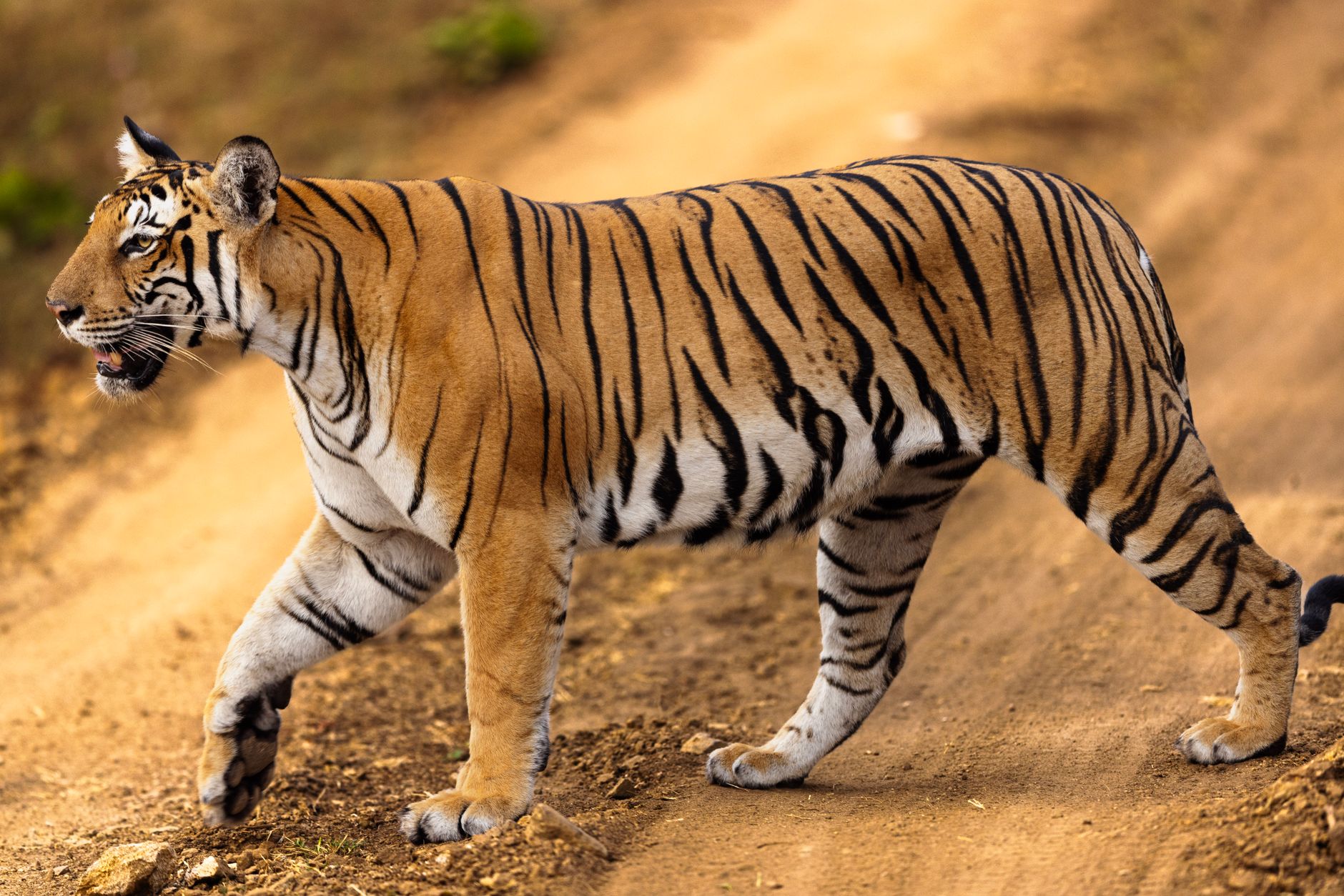
How Many Tigers Were Left in the Wild? A Fight for Survival
The current estimate for the number of tigers in the wild stands at around 3,900, representing a fragile victory after decades of decline, but emphasizing the continued urgency for conservation efforts.

A Glimpse into the Tiger’s World
Tigers, magnificent apex predators, once roamed freely across Asia. From the Russian Far East to the Indonesian islands, these striped cats dominated ecosystems and played a critical role in maintaining biodiversity. Today, their existence hangs precariously in the balance. How many tigers were left in the wild? is a question that reflects the success, and also the failures, of global conservation.

What colours are fish most attracted to?
Can you put your finger in a trout's mouth?
Is methylene blue anti bacterial?
Does aquarium salt raise pH in aquarium?
The Devastating Decline of Tiger Populations

The story of the tiger is one of dramatic decline. Habitat loss, poaching driven by the illegal wildlife trade, and conflict with humans have pushed these animals to the brink. The 20th century saw a catastrophic drop in tiger numbers, from an estimated 100,000 at the beginning to as few as 3,200 by 2010. The effects are seen not only in loss of numbers, but in geographic range; now only a fraction of the areas they historically occupied has tigers inhabiting the area.
Conservation Efforts: A Ray of Hope
Despite the grim picture, intensive conservation efforts have shown some success. Coordinated initiatives involving governments, NGOs, and local communities have focused on:
- Anti-poaching patrols: Protecting tigers from illegal hunting.
- Habitat preservation: Establishing and managing protected areas.
- Community engagement: Working with local communities to reduce human-wildlife conflict.
- Monitoring populations: Using camera traps and other methods to track tiger numbers.
These efforts, particularly in countries like India, Nepal, and Russia, have contributed to a slow but steady increase in tiger populations in some areas. How many tigers were left in the wild? is a query that has seen a cautiously optimistic response in recent years, although challenges remain significant.
Tiger Subspecies: A Diverse Yet Endangered Family
The tiger family is comprised of several subspecies, each with unique characteristics and facing different levels of threat:
| Subspecies | Current Status | Geographic Distribution |
|---|---|---|
| Bengal Tiger | Endangered | India, Bangladesh, Nepal, Bhutan |
| Indochinese Tiger | Endangered | Thailand, Malaysia, Laos, Vietnam, Cambodia, Myanmar |
| Sumatran Tiger | Critically Endangered | Sumatra (Indonesia) |
| Malayan Tiger | Critically Endangered | Peninsular Malaysia |
| Amur (Siberian) Tiger | Endangered | Russian Far East, Northeast China |
| South China Tiger | Possibly Extinct in the Wild | Southern China |
The Ongoing Threats to Tiger Survival
While conservation efforts have achieved some successes, the threats to tiger survival remain substantial:
- Habitat loss: Deforestation and land conversion for agriculture and infrastructure continue to shrink tiger habitats.
- Poaching: The demand for tiger parts in traditional medicine and as status symbols fuels illegal hunting.
- Human-wildlife conflict: As human populations expand, encounters between tigers and people become more frequent, leading to retaliatory killings.
- Climate change: Rising sea levels and changing weather patterns are threatening tiger habitats.
- Genetic inbreeding: Small and isolated tiger populations face the risk of inbreeding, which can reduce their resilience.
Addressing these threats requires a multi-pronged approach that involves strengthening law enforcement, promoting sustainable land use practices, engaging local communities, and combating climate change. If not, the answer to the question, How many tigers were left in the wild? will continue to be less and less.
FAQs About Tigers in the Wild
How is the tiger population typically estimated?
Tiger populations are estimated using a variety of methods, but the most common is camera trapping. This involves setting up motion-activated cameras in areas where tigers are known to occur. The cameras capture images of tigers, which can be individually identified based on their unique stripe patterns. By analyzing the camera trap data, researchers can estimate the density and abundance of tigers in a given area. They then use statisitical models to extrapolate the findings across broader regions. DNA analysis of scat (tiger feces) is also used to identify individuals and provide a genetic snapshot of the population.
What is the greatest current threat to wild tigers?
The greatest current threat to wild tigers remains poaching, fueled by the persistent demand for tiger parts in traditional medicine and as status symbols. Although habitat loss is significant, active, targeted poaching for trade has a more immediate and devasting effect on populations.
Which country has the highest population of wild tigers?
India is currently estimated to have the highest population of wild tigers, representing more than half of the global tiger population. This is due to successful conservation efforts, including the establishment of protected areas and anti-poaching measures.
How does habitat loss impact tiger populations?
Habitat loss reduces the amount of space available for tigers to hunt, breed, and raise their young. It also isolates tiger populations, preventing them from interbreeding and reducing their genetic diversity. This isolation increases the vulnerability of tigers to disease, inbreeding depression, and local extinction.
What role do local communities play in tiger conservation?
Local communities play a crucial role in tiger conservation. They are often the first to encounter tigers and can provide valuable information about their movements and behavior. Involving local communities in conservation efforts, such as by providing them with economic incentives and empowering them to protect tigers, is essential for long-term success.
What is the role of protected areas in tiger conservation?
Protected areas, such as national parks and wildlife sanctuaries, provide safe havens for tigers and their prey. They are managed to minimize human disturbance and protect critical habitats. Effective management of protected areas is essential for ensuring the survival of tiger populations.
What is the significance of tiger stripe patterns?
Tiger stripe patterns are unique to each individual tiger, like human fingerprints. Scientists and conservationists use these patterns to identify and track tigers, allowing them to monitor population size, movements, and behavior. The patterns are thought to provide camouflage in their habitat, although this is still a subject of debate.
How do climate change and global warming affect tigers?
Climate change can disrupt tiger habitats, alter prey availability, and increase the risk of natural disasters, such as floods and droughts. Rising sea levels threaten coastal tiger habitats, such as the Sundarbans mangrove forest. Changes in temperature and rainfall patterns can also affect the availability of water and food for tigers and their prey.
What is the difference between in-situ and ex-situ conservation?
In-situ conservation involves protecting tigers in their natural habitats, such as through the establishment and management of protected areas. Ex-situ conservation involves maintaining tigers in captivity, such as in zoos and breeding programs. Both approaches can contribute to tiger conservation, but in-situ conservation is generally considered more effective for maintaining wild populations.
What can individuals do to support tiger conservation efforts?
Individuals can support tiger conservation efforts by:
- Supporting conservation organizations: Donating to or volunteering with organizations that work to protect tigers and their habitats.
- Reducing consumption of unsustainable products: Avoiding products that contribute to deforestation and habitat loss, such as palm oil and unsustainable timber.
- Raising awareness: Spreading the word about the importance of tiger conservation and the threats facing these animals.
- Avoiding products made from tiger parts: Never purchase or consume any products that are derived from tigers, as this fuels poaching.
What are some success stories in tiger conservation?
Several success stories demonstrate the effectiveness of tiger conservation efforts. In India, tiger populations have increased significantly in recent years thanks to dedicated conservation programs. In Nepal, tiger numbers have more than doubled since 2009. In Russia, the Amur tiger population has rebounded from near extinction to a healthy and stable level. These successes show that with sustained effort and investment, tiger populations can recover. The hope is the answer to the question How many tigers were left in the wild? will continue to climb.
What is the “TX2” goal, and why is it important?
The “TX2” goal is an ambitious target set in 2010 by the 13 tiger range countries to double the number of wild tigers by 2022. While not all countries met this goal, it served as a powerful catalyst for increased conservation efforts and resulted in a significant increase in the global tiger population. It has encouraged governments, NGOs, and communities to unite for a common cause. It demonstrates that ambitious, collaborative conservation goals can yield real, positive results, and reinforces the urgent need to maintain momentum to prevent the species from disappearing entirely.