

How Many Dolphins Are Killed By Bycatch? A Deep Dive into the Devastating Impact of Fishing
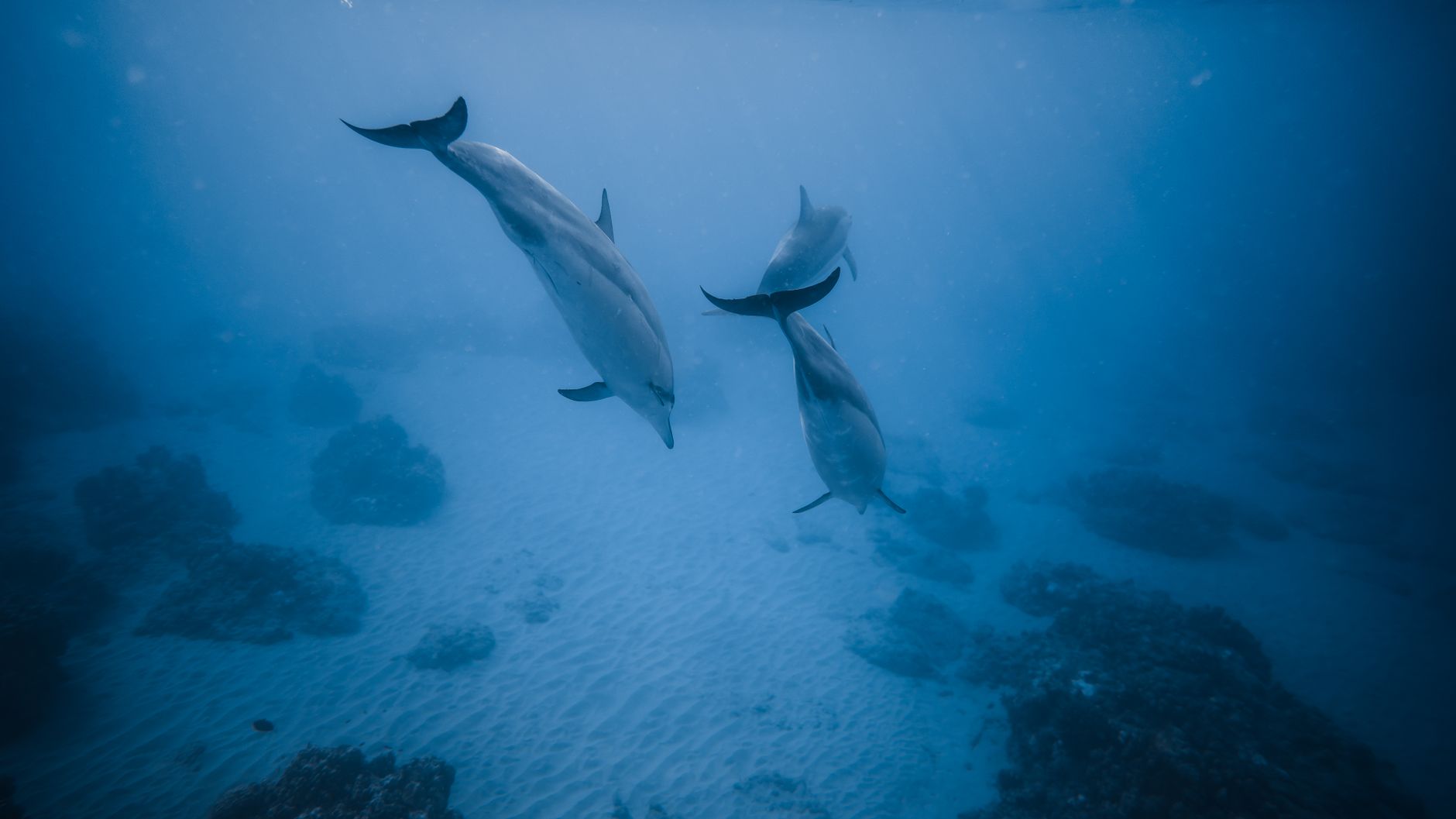
The number of dolphins killed by bycatch is alarmingly high, estimated to be in the tens of thousands each year globally, posing a significant threat to many dolphin populations. Bycatch, the unintended capture of non-target species during fishing operations, remains a critical conservation challenge.
Understanding Bycatch: A Global Crisis
Bycatch is a pervasive problem affecting marine ecosystems worldwide. It refers to the accidental capture of non-target species – including dolphins, sea turtles, seabirds, and sharks – during commercial fishing activities. This unintentional capture often results in injury or death, severely impacting marine populations. The scale of the issue is vast, with estimates suggesting that bycatch accounts for a significant percentage of global fisheries catches. The ecological consequences are far-reaching, disrupting food webs and undermining the health of marine ecosystems.

What colours are fish most attracted to?
Can you put your finger in a trout's mouth?
Is methylene blue anti bacterial?
Does aquarium salt raise pH in aquarium?
The Devastating Impact on Dolphin Populations

How many dolphins are killed by bycatch? The answer is disturbingly high. Dolphins are particularly vulnerable to bycatch due to their reliance on the same marine environments as commercial fisheries. They often become entangled in fishing gear, such as nets and longlines, leading to drowning or severe injury. Different fishing methods pose varying degrees of risk to dolphins:
- Gillnets: These are walls of netting set in the water, posing a significant entanglement threat. Dolphins can become trapped and drown quickly.
- Trawls: Trawling involves dragging large nets along the seafloor or through the water column. While some trawlers use bycatch reduction devices, dolphins can still be caught and injured.
- Longlines: These consist of a long main line with numerous baited hooks attached. Dolphins may be hooked while attempting to take bait.
The impact of bycatch on dolphin populations can be devastating, especially for endangered or vulnerable species. Even relatively low levels of bycatch can impede population recovery and contribute to long-term declines. Certain regions are considered hotspots for dolphin bycatch, including areas with intensive fishing activity and overlapping ranges of dolphins and fishing fleets.
Geographical Hotspots and Vulnerable Species
While how many dolphins are killed by bycatch varies by region and fishing method, certain areas consistently report higher numbers. These include:
- Eastern Tropical Pacific Ocean: Tuna purse-seine fisheries have historically resulted in high dolphin mortality.
- Coastal waters of South America: Gillnet fisheries targeting various species have been implicated in dolphin bycatch.
- Mediterranean Sea: Dolphin populations face threats from various fishing gears, including gillnets and trawls.
Several dolphin species are particularly vulnerable to bycatch, including:
- Vaquitas: Critically endangered, with bycatch in gillnets being the primary threat to their survival.
- Maui’s dolphins: Subspecies of the Hector’s dolphin, also critically endangered due to gillnet and trawl fisheries.
- Common dolphins: Frequently caught in various fishing gears in multiple regions.
Mitigation Strategies and Technological Solutions
Addressing the problem of dolphin bycatch requires a multifaceted approach, encompassing regulatory measures, technological innovations, and changes in fishing practices. Key mitigation strategies include:
- Bycatch Reduction Devices (BRDs): These are modifications to fishing gear designed to reduce the capture of non-target species. Examples include turtle excluder devices (TEDs) used in trawl fisheries and acoustic deterrent devices (pingers) used to discourage dolphins from approaching fishing gear.
- Time-Area Closures: Temporarily or permanently closing certain areas to fishing during critical periods, such as dolphin breeding seasons, can help reduce bycatch risk.
- Gear Modifications: Switching to alternative fishing gears that pose less risk to dolphins, such as hook designs that reduce the likelihood of entanglement, can be effective.
- Observer Programs: Placing observers on fishing vessels to monitor bycatch rates and ensure compliance with regulations is essential for data collection and enforcement.
- Certification and Labeling Programs: Promoting sustainable fisheries through certification programs like the Marine Stewardship Council (MSC) can incentivize responsible fishing practices and reduce bycatch.
The Role of Policy and Enforcement
Effective policy and strong enforcement are crucial for reducing dolphin bycatch. Governments and international organizations need to implement and enforce regulations that mandate the use of bycatch reduction devices, establish time-area closures, and promote sustainable fishing practices. International cooperation is also essential, particularly for managing fisheries that span multiple jurisdictions.
Enforcement mechanisms should include regular inspections of fishing vessels, penalties for non-compliance, and robust monitoring programs to track bycatch rates. Collaboration between fisheries managers, scientists, and fishing communities is key to developing and implementing effective policies that protect dolphin populations.
Consumer Choices and Sustainable Seafood
Consumers can play a vital role in reducing dolphin bycatch by making informed seafood choices. Choosing seafood from certified sustainable fisheries helps support responsible fishing practices and reduces the demand for products that contribute to bycatch. Look for eco-labels such as the Marine Stewardship Council (MSC) logo when purchasing seafood.
Educating yourself about the origins of your seafood and supporting companies that prioritize sustainability can contribute to the protection of dolphin populations and the health of marine ecosystems.
Comparing Fishing Methods and Bycatch Rates
| Fishing Method | Typical Bycatch Risk to Dolphins | Mitigation Strategies |
|---|---|---|
| Gillnets | High | Acoustic deterrents (pingers), time-area closures, gear modifications |
| Trawls | Moderate to High | Bycatch reduction devices (BRDs), turtle excluder devices (TEDs) |
| Longlines | Moderate | Circle hooks, line weighting, streamer lines |
| Purse Seine | Varies; high in some regions | Dolphin-safe fishing practices (though controversial) |
Monitoring Population Trends: Crucial for Understanding the Impact
Continuous monitoring of dolphin populations is essential to understand the long-term impacts of bycatch and assess the effectiveness of mitigation measures. Monitoring programs should track population size, distribution, and reproductive rates, as well as bycatch rates in different fisheries.
Data collected from monitoring programs can inform management decisions and help identify areas where additional conservation efforts are needed. This data is crucial to properly assess how many dolphins are killed by bycatch and to effectively tailor mitigation strategies.
Frequently Asked Questions (FAQs)
How can I be sure that seafood is “dolphin-safe”?
While the term “dolphin-safe” is often used, it is important to understand its limitations. Historically, it primarily applied to tuna fisheries, particularly in the Eastern Tropical Pacific. While tuna fishing practices have improved, it doesn’t guarantee zero dolphin mortality, and it doesn’t address bycatch in other fisheries. Look for broader certifications like the MSC label for a more comprehensive assessment of sustainability.
What are acoustic deterrent devices (pingers) and how effective are they?
Pingers are underwater devices that emit sounds designed to deter dolphins from approaching fishing gear, particularly gillnets. Their effectiveness varies depending on the species, the environment, and the specific design of the pinger. While they can reduce bycatch in some situations, they are not a foolproof solution and may habituate dolphins over time.
Are all types of fishing equally harmful to dolphins?
No, different fishing methods pose varying levels of risk. Gillnets and some types of trawls generally pose a higher risk than some other methods. Factors such as the design of the gear, the location of the fishing activity, and the presence of dolphins in the area all influence the risk.
What is the Marine Stewardship Council (MSC) and why is its certification important?
The Marine Stewardship Council (MSC) is an independent, non-profit organization that sets standards for sustainable fishing. Fisheries that meet these standards can be certified and use the MSC ecolabel on their products. Choosing MSC-certified seafood helps support fisheries that are managed sustainably and minimize their impact on marine ecosystems, including bycatch.
What role do governments play in reducing dolphin bycatch?
Governments play a crucial role in setting regulations, enforcing those regulations, and promoting sustainable fishing practices. This includes mandating the use of bycatch reduction devices, establishing time-area closures, and implementing observer programs.
What can I do as an individual to help reduce dolphin bycatch?
You can make a difference by choosing sustainable seafood, supporting organizations working to protect dolphins, and educating others about the issue. Look for ecolabels like the MSC label and avoid seafood from fisheries known to have high bycatch rates.
How does climate change affect dolphin bycatch?
Climate change is altering ocean conditions, potentially shifting the distribution of both fish and dolphins. This could lead to increased overlap between fisheries and dolphin populations, potentially increasing bycatch risk. Climate change also weakens marine ecosystems, making them more susceptible to the impacts of bycatch.
What are the long-term consequences of dolphin bycatch for marine ecosystems?
Dolphin bycatch can have significant cascading effects on marine ecosystems. Dolphins are apex predators, and their removal can disrupt food webs, leading to imbalances in populations of other species.
How accurate are the estimates of dolphin bycatch?
Estimating dolphin bycatch is challenging due to the vastness of the ocean and the difficulty of monitoring fishing activities. Estimates are often based on observer data, logbook reports, and scientific models, which have inherent uncertainties. Therefore, the true number of how many dolphins are killed by bycatch is likely even higher than current estimates suggest.
What are the ethical considerations surrounding dolphin bycatch?
The ethical considerations revolve around the inherent value of dolphins as intelligent and sentient beings and the moral obligation to minimize harm to them. Bycatch raises concerns about the humane treatment of animals and the responsibility to protect biodiversity.
How can technology help to better monitor and reduce bycatch?
Technological advancements, such as remote electronic monitoring (REM) systems, can improve the accuracy and comprehensiveness of bycatch monitoring. REM systems use cameras and sensors to record fishing activities, providing valuable data on bycatch rates and compliance with regulations.
What research is being conducted to find better solutions for bycatch mitigation?
Researchers are continuously exploring new and innovative solutions for bycatch mitigation. This includes developing more effective bycatch reduction devices, studying dolphin behavior to better understand how they interact with fishing gear, and testing alternative fishing methods that pose less risk. Understanding how many dolphins are killed by bycatch drives the urgent need for this research and innovation.