
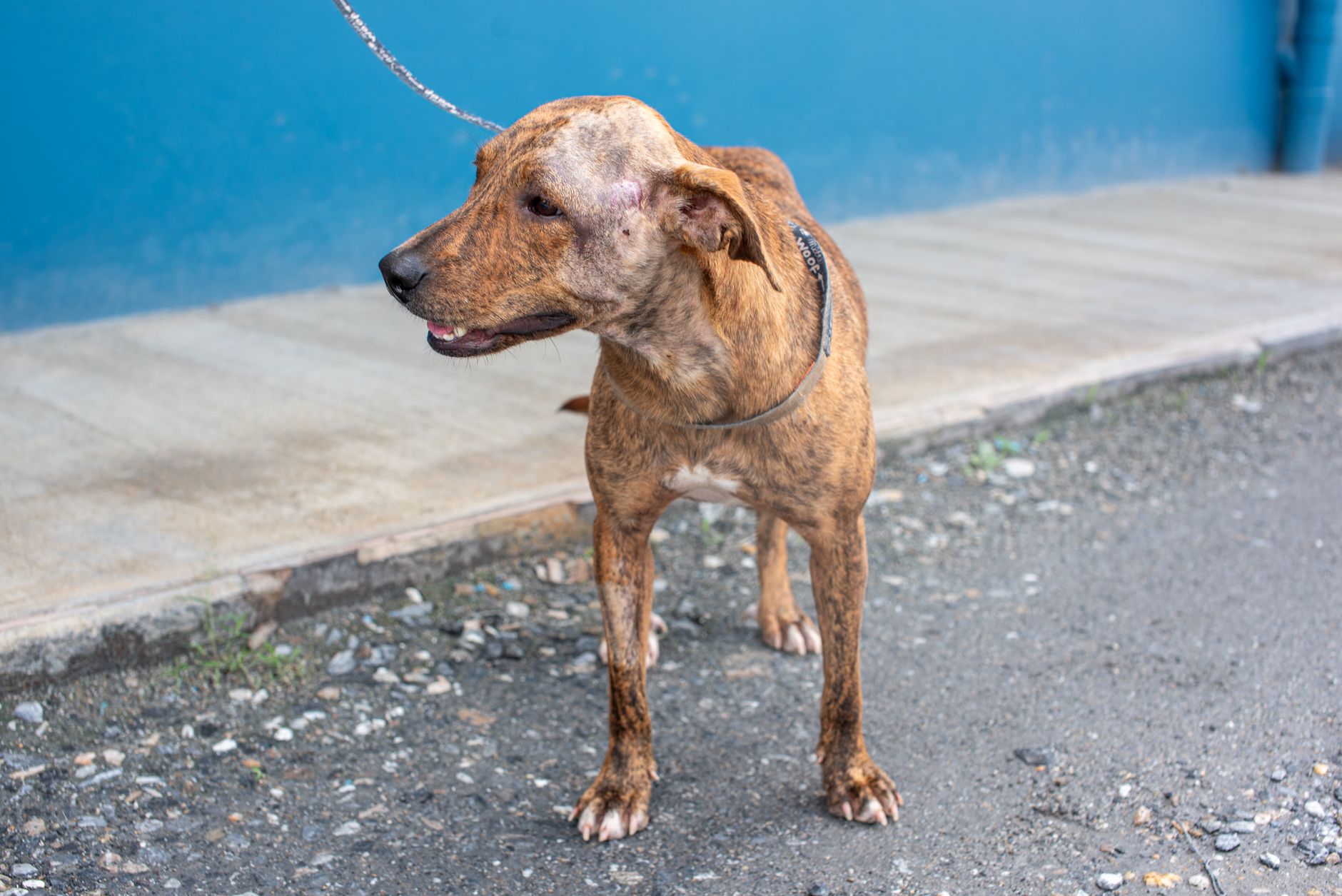
How Many Days of Discomfort After a Spay? Understanding Post-Operative Pain in Dogs
Most dogs experience significant pain after a spay procedure for approximately 2–3 days, but discomfort usually subsides within a week to 10 days with proper pain management. How many days are dogs in pain after spaying? depends greatly on individual pain tolerance, the surgical technique used, and the effectiveness of post-operative care.
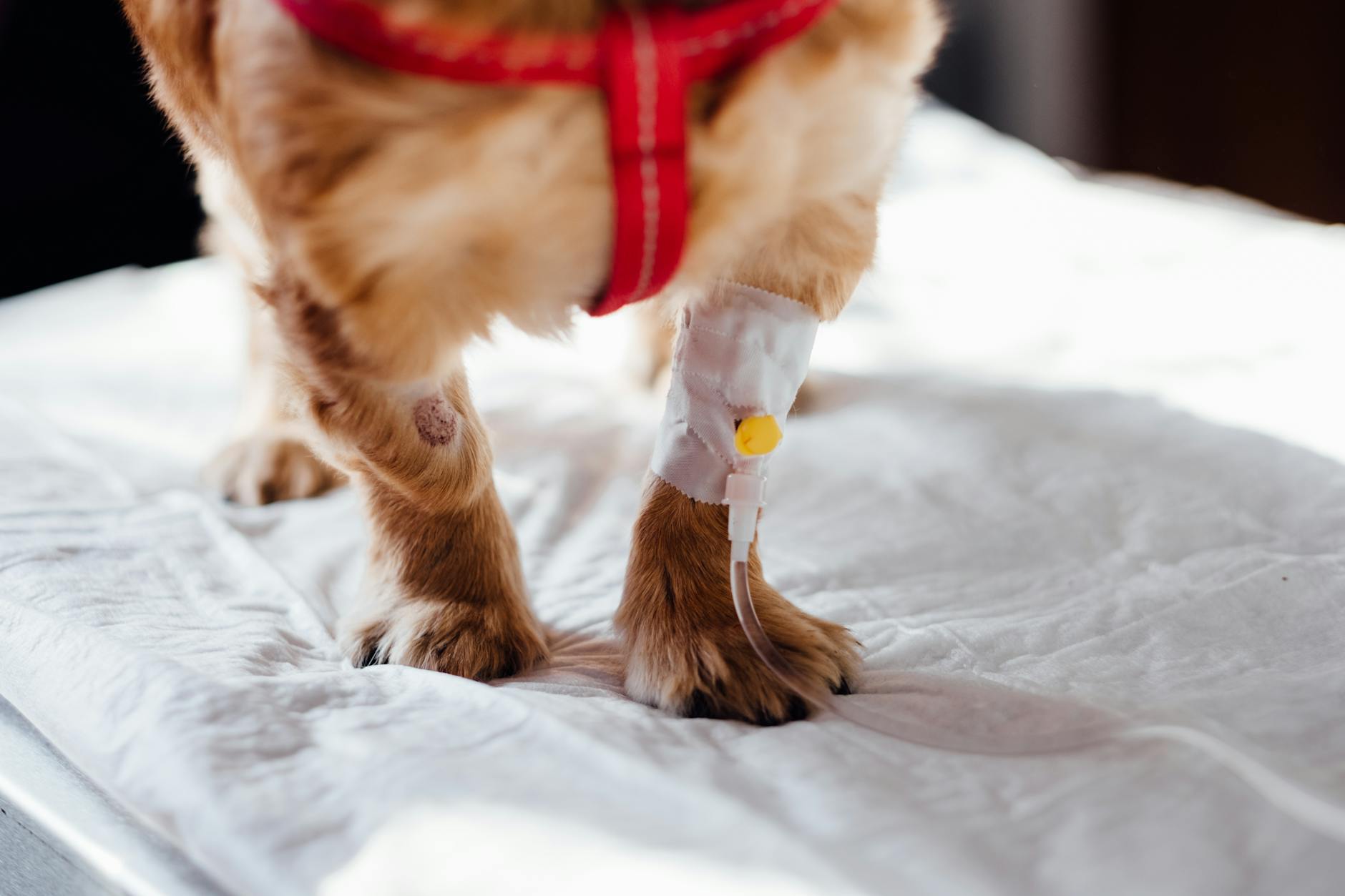
Understanding the Spaying Procedure
Spaying, or ovariohysterectomy, is the surgical removal of the ovaries and uterus of a female dog. While a routine surgery, it’s still a major abdominal procedure that causes pain and requires careful post-operative management. Understanding the process can help owners better prepare for their dog’s recovery.

What colours are fish most attracted to?
Can you put your finger in a trout's mouth?
Is methylene blue anti bacterial?
Does aquarium salt raise pH in aquarium?
Benefits of Spaying

Spaying offers numerous health and behavioral benefits:
- Prevention of unwanted pregnancies: This is the most obvious and immediate benefit, helping to control pet overpopulation.
- Reduced risk of mammary cancer: Spaying before the first heat cycle dramatically reduces the risk of this common cancer.
- Elimination of pyometra: Pyometra is a life-threatening uterine infection, and spaying completely eliminates this risk.
- Decreased risk of other reproductive cancers: Spaying reduces the risk of ovarian and uterine cancer.
- Reduced behavioral issues: Spaying can reduce or eliminate heat-related behaviors such as roaming, vocalization, and aggression.
The Spaying Process: What to Expect
The spaying procedure involves the following key steps:
- Pre-operative assessment: A veterinarian will perform a physical exam and may recommend bloodwork to ensure the dog is healthy enough for surgery.
- Anesthesia: The dog is given general anesthesia to ensure they are unconscious and pain-free during the surgery.
- Surgical incision: The surgeon makes an incision in the abdomen, usually along the midline.
- Removal of ovaries and uterus: The ovaries and uterus are carefully removed and the blood vessels are ligated (tied off) to prevent bleeding.
- Closure: The abdominal muscles, subcutaneous tissue, and skin are closed with sutures or staples.
- Post-operative monitoring: The dog is monitored closely as they recover from anesthesia.
Pain Management After Spaying: What’s Involved
Effective pain management is critical for a comfortable recovery. It involves a combination of medication and supportive care.
- Pain medication: Vets typically prescribe pain medication, often non-steroidal anti-inflammatory drugs (NSAIDs) or opioids, to manage post-operative pain. It is crucial to administer these medications as directed by your veterinarian.
- Rest and limited activity: Restricting activity is essential to prevent complications and allow the incision to heal properly. This means avoiding running, jumping, and strenuous play.
- Elizabethan collar (E-collar): An E-collar prevents the dog from licking or chewing at the incision, which can lead to infection and delayed healing.
- Wound care: Keep the incision clean and dry. Your veterinarian will provide specific instructions for wound care.
Common Mistakes After Spaying
Several common mistakes can prolong a dog’s recovery and increase their pain:
- Insufficient pain medication: Not administering pain medication as prescribed can result in unnecessary suffering.
- Premature return to activity: Allowing too much activity too soon can disrupt the healing process and cause pain.
- Failure to prevent licking/chewing: Neglecting to use an E-collar or other deterrent can lead to incision damage and infection.
- Poor wound care: Not keeping the incision clean and dry can increase the risk of infection.
- Ignoring signs of infection: Failing to recognize and address signs of infection, such as redness, swelling, discharge, or fever, can lead to serious complications.
Factors Influencing Pain Levels and Duration
How many days are dogs in pain after spaying? The answer depends on several factors:
- Surgical technique: Laparoscopic spaying (a minimally invasive technique) often results in less pain and a faster recovery compared to traditional open surgery.
- Age and health: Younger, healthier dogs tend to recover more quickly than older dogs or those with underlying health conditions.
- Pain threshold: Just like humans, dogs have varying pain tolerances.
- Adherence to post-operative instructions: Careful adherence to your veterinarian’s instructions regarding medication, rest, and wound care is essential for minimizing pain and promoting healing.
- Breed: Some breeds may be predisposed to higher or lower pain thresholds.
- Weight: Overweight dogs may experience more post-operative pain.
Frequently Asked Questions (FAQs)
How do I know if my dog is in pain after spaying?
Signs of pain can be subtle. Look for indicators like decreased appetite, lethargy, reluctance to move, whining, panting, restlessness, and guarding the incision site. Some dogs may also exhibit changes in behavior, such as becoming more irritable or withdrawn. Contact your vet if you observe these symptoms.
What types of pain medication are typically prescribed after a spay?
Veterinarians often prescribe non-steroidal anti-inflammatory drugs (NSAIDs), such as carprofen (Rimadyl) or meloxicam (Metacam), to manage pain and inflammation. In some cases, opioid pain relievers, such as tramadol, may be prescribed for more severe pain. Always follow your veterinarian’s instructions carefully when administering any medication.
Is it normal for my dog to be sleepy after being spayed?
Yes, sleepiness and lethargy are normal side effects of anesthesia and pain medication. Your dog will likely be more tired than usual for the first few days after surgery. Provide a quiet and comfortable place for them to rest.
Can I give my dog human pain medication after spaying?
Never give your dog human pain medication without consulting your veterinarian. Many human pain medications, such as ibuprofen and acetaminophen, are toxic to dogs and can cause serious health problems.
How long should my dog wear the Elizabethan collar (E-collar)?
Your dog should wear the E-collar at all times until the incision is fully healed, typically for 10-14 days. Removing the collar even for short periods can allow the dog to lick or chew at the incision, potentially leading to infection or dehiscence (splitting open).
What should I do if my dog licks or chews at the incision?
If your dog licks or chews at the incision, immediately put the E-collar back on and contact your veterinarian. They may need to examine the incision for any signs of infection or damage and prescribe additional treatment.
How often should I check the incision after my dog is spayed?
Check the incision at least twice a day for signs of redness, swelling, discharge, or foul odor. Any of these symptoms could indicate an infection and require veterinary attention.
When can my dog return to normal activity after being spayed?
Gradually increase your dog’s activity level over a period of 10-14 days. Avoid strenuous exercise, running, and jumping during this time. Your veterinarian will provide specific recommendations based on your dog’s individual needs.
What food should I feed my dog after spaying?
Feed your dog their regular food after spaying, unless your veterinarian recommends a special diet. Offer small, frequent meals initially to prevent stomach upset. Ensure fresh water is always available.
What are the signs of a post-operative infection after spaying?
Signs of a post-operative infection include redness, swelling, discharge (especially pus), foul odor, fever, lethargy, and loss of appetite. If you notice any of these signs, contact your veterinarian immediately.
How does laparoscopic spaying compare to traditional spaying in terms of pain?
Laparoscopic spaying, which involves smaller incisions, is generally associated with less post-operative pain and a faster recovery compared to traditional open spaying. However, not all veterinarians offer laparoscopic spaying.
How many days are dogs in pain after spaying if the procedure is laparoscopic?
Even with laparoscopic spaying, dogs may experience discomfort. However, how many days are dogs in pain after spaying with this method can often be shorter. Discomfort is usually limited to the first 1-2 days, with a quicker return to normal activity compared to traditional methods. Discuss the best approach for your pet with your veterinarian.