
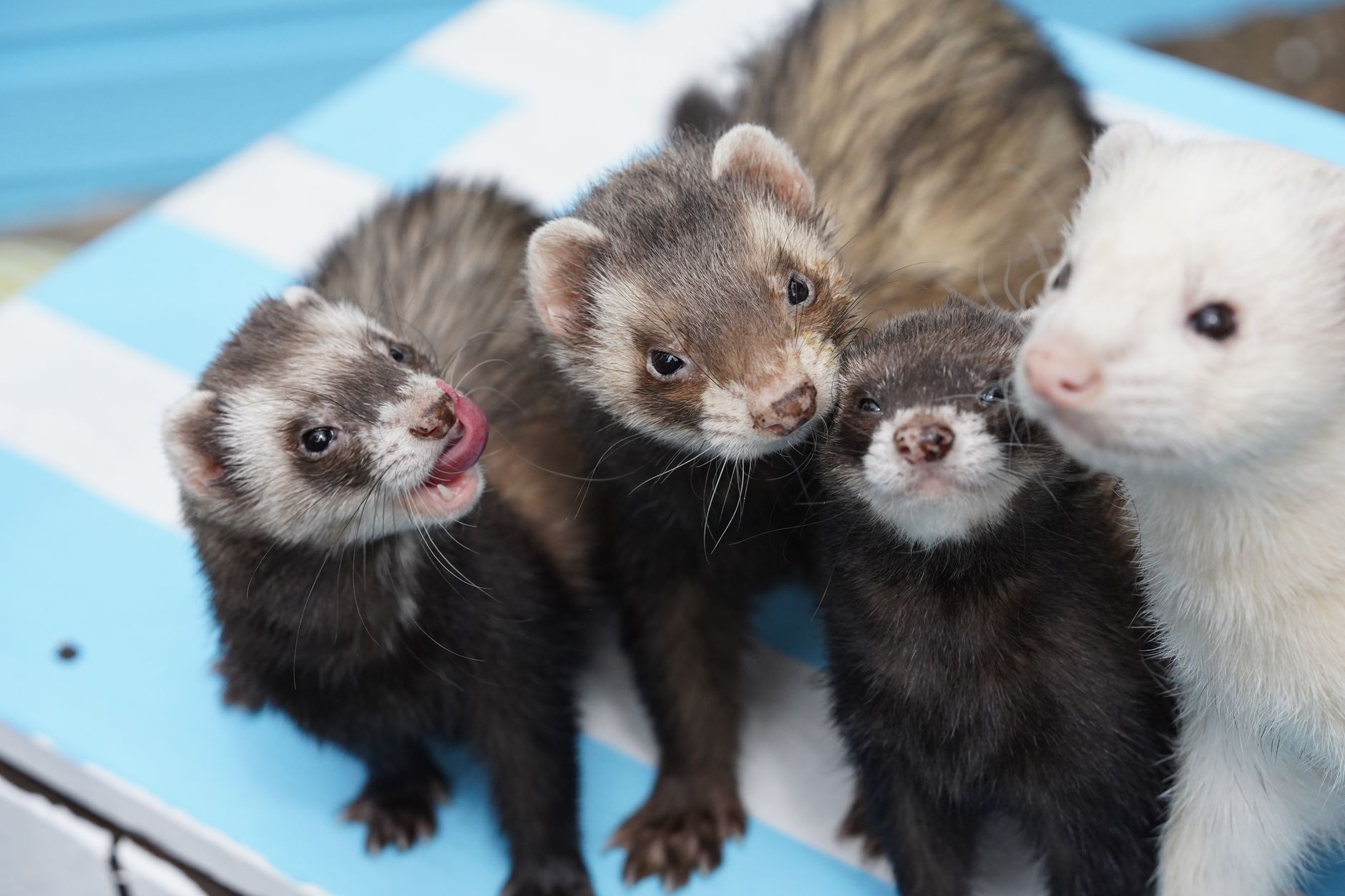
How Many Black-Footed Ferrets Are Left?: A Conservation Success Story
Approximately 300-400 adult black-footed ferrets exist in the wild today, a testament to intensive conservation efforts after the species was once believed extinct. This article explores the remarkable journey of the black-footed ferret from near extinction to a fragile but hopeful recovery.

A Brush with Extinction: The Black-Footed Ferret’s History
The black-footed ferret ( Mustela nigripes), native to the Great Plains of North America, experienced a dramatic population decline throughout the 20th century. This decline was primarily due to:
-
Prairie Dog Decline: Black-footed ferrets are highly dependent on prairie dogs for food and shelter. Widespread prairie dog eradication programs aimed at preventing agricultural damage severely reduced the ferret’s food source and habitat.
-
Disease: Sylvatic plague, a bacterial disease carried by fleas that infest prairie dogs, decimated both prairie dog and ferret populations.
-
Habitat Loss: Conversion of grasslands to agricultural land further reduced the ferret’s available habitat.
By the 1970s, the black-footed ferret was believed to be extinct. How many black-footed ferrets were left? The answer, for a time, was none.
What colours are fish most attracted to?
Can you put your finger in a trout's mouth?
Is methylene blue anti bacterial?
Does aquarium salt raise pH in aquarium?
Rediscovery and Captive Breeding
In 1981, a small population of black-footed ferrets was discovered near Meeteetse, Wyoming. This discovery offered a crucial second chance for the species. Unfortunately, this population was quickly decimated by disease. However, 18 individuals were captured and formed the basis for a captive breeding program.
This program, spearheaded by the U.S. Fish and Wildlife Service (USFWS) and various conservation partners, proved remarkably successful. Techniques developed for artificial insemination, genetic management, and disease prevention allowed for the expansion of the captive population.
Reintroduction to the Wild: A Long and Challenging Process
Reintroducing black-footed ferrets to the wild is a complex undertaking. Successful reintroduction requires:
-
Suitable Habitat: Sites with established prairie dog colonies, relatively free of sylvatic plague, and supportive landowner agreements.
-
Pre-Release Conditioning: Captive-bred ferrets undergo a “boot camp” of sorts, learning to hunt prairie dogs and navigate underground burrows.
-
Disease Management: Efforts to control sylvatic plague in prairie dogs, such as dusting prairie dog burrows with insecticide, are crucial for ferret survival.
-
Post-Release Monitoring: Tracking reintroduced ferrets via radio telemetry allows biologists to monitor their survival, reproduction, and movement.
Since the early 1990s, thousands of captive-bred black-footed ferrets have been released at sites across the Great Plains and other areas.
Challenges and Ongoing Conservation Efforts
Despite the successes of the reintroduction program, How many black-footed ferrets are left? remains a critical question. The species faces ongoing challenges:
-
Sylvatic Plague: Continues to be a major threat, causing significant mortality in both ferrets and prairie dogs. New strategies to combat plague, such as oral vaccines for prairie dogs, are being explored.
-
Habitat Fragmentation: The continued loss and fragmentation of prairie dog habitat limits the potential for ferret population expansion.
-
Genetic Diversity: The founder population of 18 individuals resulted in a limited gene pool, which can make the species more vulnerable to disease and environmental changes.
-
Climate Change: Shifting weather patterns and increased drought can impact prairie dog populations and, consequently, ferret populations.
Ongoing conservation efforts include:
-
Maintaining and Expanding Captive Breeding Programs: Ensuring a healthy supply of ferrets for reintroduction.
-
Monitoring Wild Populations: Tracking ferret numbers, health, and reproductive success.
-
Disease Management: Developing and implementing strategies to control sylvatic plague and other diseases.
-
Habitat Restoration and Protection: Protecting and restoring prairie dog habitat.
The Future of the Black-Footed Ferret
The black-footed ferret remains an endangered species, but its story is one of remarkable resilience and the power of collaborative conservation. While the current estimate puts the number of wild adult black-footed ferrets around 300-400 individuals, ongoing efforts are focused on increasing this number and expanding the species’ range. The long-term survival of the black-footed ferret depends on continued commitment to prairie dog conservation, disease management, and habitat protection. The question of how many black-footed ferrets are left? is not just a headcount; it’s a measure of our commitment to biodiversity and the health of the Great Plains ecosystem.
Frequently Asked Questions (FAQs)
What exactly is a black-footed ferret?
A black-footed ferret (Mustela nigripes) is a North American carnivore belonging to the weasel family. They are highly specialized predators of prairie dogs, using prairie dog burrows for shelter and nesting. They are characterized by their distinctive black mask, black feet, and black-tipped tail.
Why are black-footed ferrets important?
Black-footed ferrets play a vital role in the Great Plains ecosystem. As predators of prairie dogs, they help regulate prairie dog populations, preventing overgrazing and maintaining grassland biodiversity. Their presence also benefits other species that rely on prairie dog burrows for shelter.
How can I tell a black-footed ferret apart from other animals?
Black-footed ferrets are easily identified by their distinctive markings. They have a buff-colored body with a black mask across their eyes, black feet, and a black-tipped tail. They are relatively small, typically weighing between 1.5 and 2.5 pounds.
Where do black-footed ferrets live?
Historically, black-footed ferrets ranged throughout the Great Plains of North America. Today, reintroduced populations can be found in several states, including Wyoming, Montana, South Dakota, Arizona, and Kansas. These populations are primarily located in areas with healthy prairie dog colonies.
What do black-footed ferrets eat?
The primary food source for black-footed ferrets is prairie dogs. They consume almost exclusively prairie dogs, relying on them for their nutritional needs. Occasionally, they may also eat small rodents or birds.
How do black-footed ferrets reproduce?
Black-footed ferrets typically breed in the spring. Females give birth to a litter of 3-7 kits in a prairie dog burrow. The kits are dependent on their mother for several months, learning to hunt and survive.
What are the biggest threats to black-footed ferret survival today?
The biggest threats to black-footed ferret survival include sylvatic plague, habitat loss, and genetic limitations. Sylvatic plague can decimate both ferret and prairie dog populations. Habitat loss due to agriculture and development reduces the availability of suitable habitat. The limited genetic diversity of the current population makes the species more vulnerable to disease and environmental changes.
How are scientists helping black-footed ferrets?
Scientists are working to help black-footed ferrets through various methods, including captive breeding programs, disease management strategies, habitat restoration projects, and genetic research. They are also developing and testing new techniques to combat sylvatic plague, such as oral vaccines for prairie dogs.
Can I adopt a black-footed ferret?
No, black-footed ferrets are endangered wild animals and are not available for adoption as pets. They are managed by conservation organizations and government agencies to ensure their survival in the wild.
What can I do to help black-footed ferrets?
You can help black-footed ferrets by supporting conservation organizations that are working to protect prairie dog habitat and manage sylvatic plague. You can also advocate for policies that promote grassland conservation and sustainable agricultural practices. Educating others about the importance of black-footed ferret conservation is also crucial.
What is the current conservation status of the black-footed ferret?
The black-footed ferret is currently listed as Endangered under the U.S. Endangered Species Act. This designation reflects the continued threats to the species and the ongoing need for conservation efforts.
How does genetic cloning influence the future of black-footed ferrets?
Genetic cloning holds potential to increase genetic diversity within the Black-Footed Ferret population. By introducing genes from individuals that pre-date the population bottleneck, genetic diversity increases, strengthening the species’ resistance to diseases and ability to adapt to changing environments. This advanced technology plays a crucial role in ensuring the long-term survival of the species.