
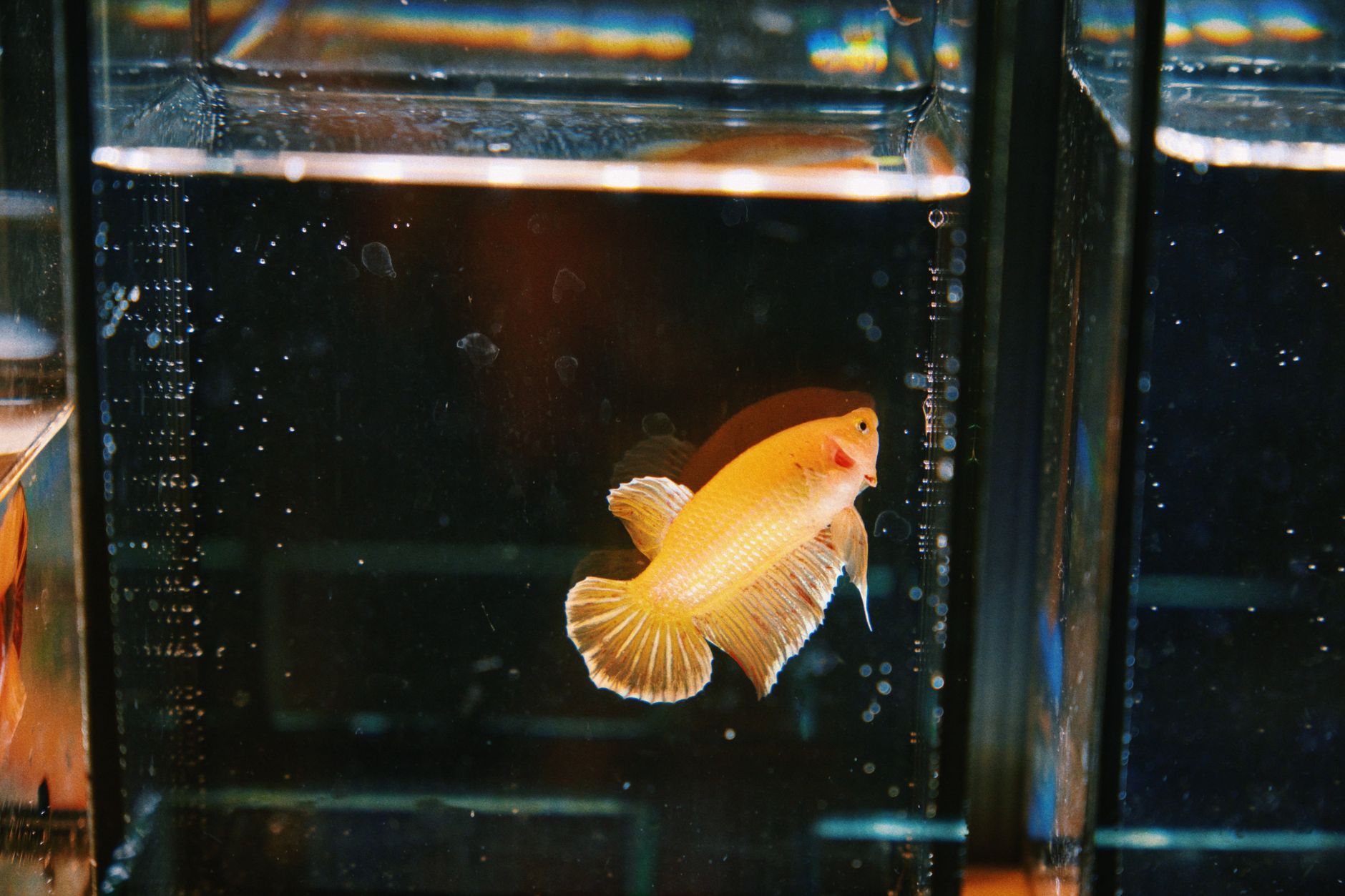
How Many Betta Fish Can I Keep? A Comprehensive Guide
You can generally keep only one male betta fish per tank due to their aggressive nature, but with proper planning and a large enough aquarium, it’s possible to keep multiple female bettas together in a group called a sorority.

Understanding Betta Aggression
Betta splendens, commonly known as betta fish or Siamese fighting fish, are renowned for their vibrant colors and flowing fins. However, their aggressive tendencies, particularly among males, are equally well-known. Understanding the root of this aggression is crucial to answering the question: How many betta fish can I keep?
- Territoriality: In their natural habitat, bettas are territorial creatures. They defend their territory from intruders, especially other males.
- Hormonal Influence: Male bettas possess high levels of hormones that drive their aggression.
- Perceived Threats: Even the presence of another betta’s reflection can trigger aggression.
This innate aggression makes keeping multiple male bettas together nearly impossible in most home aquarium settings. They will fight, often to the death.
How intelligent are fish?
Are fish heads good for the garden?
Can fish hear water?
What is cotton rot in fish?
The One Male Rule

For most aquarists, especially beginners, the safest and most recommended approach is to keep only one male betta fish per tank. This eliminates the risk of fighting and ensures the betta lives a stress-free life.
- Tank Size Matters: While one male is the rule, tank size plays a role. A larger tank is always better, providing more space for the betta to establish its territory and feel less confined.
- Tank Mates: While multiple male bettas are a no-go, carefully selected, non-aggressive tank mates can coexist peacefully with a single male betta. This requires research and careful observation.
Exploring Betta Sororities (Female Bettas)
While male bettas are best kept alone, female bettas can sometimes be kept together in a group called a sorority. However, a betta sorority is not a guaranteed success and requires careful planning and monitoring.
- Minimum Tank Size: A minimum of 20 gallons is required for a betta sorority. Larger is always better, allowing ample space for each female to establish its own territory.
- Number of Females: Aim for at least 5-7 females. This helps distribute aggression and prevents one female from being targeted.
- Introducing the Bettas: Introduce all females at the same time to minimize territorial disputes.
- Monitoring Aggression: Closely monitor the sorority for signs of excessive aggression, such as constant chasing, nipping, or hiding. Be prepared to separate females if necessary.
- Tank Setup: A heavily planted tank with plenty of hiding places is essential for a successful betta sorority.
Common Mistakes When Keeping Bettas
Even with careful planning, mistakes can happen. Avoiding these common pitfalls will increase your chances of success:
- Underestimating Tank Size: Small tanks stress bettas, increasing aggression and susceptibility to disease.
- Ignoring Water Quality: Poor water quality can lead to health problems and exacerbate aggression.
- Overlooking Signs of Stress: Early detection of stress is crucial for preventing serious problems.
- Failing to Quarantine New Fish: Introducing new fish without quarantining them first can introduce diseases to the aquarium.
- Not Monitoring Feeding: Overfeeding or underfeeding can lead to health problems. Bettas are prone to constipation if overfed.
Setting up the Ideal Betta Tank
The ideal betta tank is not just about size; it’s about creating a healthy and stimulating environment. Key elements include:
- Heater: Bettas are tropical fish and need a water temperature between 78-82°F.
- Filter: A gentle filter is essential for maintaining water quality. Avoid strong currents, which can stress bettas.
- Substrate: Gravel or sand can be used as a substrate. Choose a color that complements your betta’s colors.
- Decorations: Provide plenty of hiding places with plants, caves, and other decorations. Avoid sharp objects that could damage their fins.
- Water Conditioner: Use a water conditioner to remove chlorine and chloramine from tap water.
| Feature | Recommendation |
|---|---|
| Tank Size | Minimum 5 gallons for one male, 20+ for sorority |
| Temperature | 78-82°F |
| Filtration | Gentle filter |
| Water Changes | 25% weekly |
| Decorations | Plants, caves, hiding places |
Conclusion
The question of how many betta fish can I keep? is not a simple one. While one male betta per tank is the safest option, a carefully planned and monitored betta sorority can be successful. Understanding betta behavior, providing a suitable environment, and closely monitoring the fish are crucial for success. Ultimately, the goal is to provide a healthy and stress-free environment for these beautiful creatures.
Frequently Asked Questions
Can I keep two male bettas in the same tank if I divide it?
While dividing a tank can prevent physical fighting between two male bettas, it doesn’t eliminate stress. They can still see each other, which can trigger aggression and lead to chronic stress. Therefore, it’s generally not recommended.
What are the signs of stress in a betta fish?
Signs of stress in a betta fish include clamped fins, loss of appetite, lethargy, hiding excessively, and erratic swimming. Early detection and addressing the cause of the stress are crucial for preventing health problems.
Can I keep a betta fish in a bowl?
While it was once common, keeping a betta in a bowl is now considered inadequate. Bowls are typically too small and lack the necessary filtration and heating, which can severely compromise the betta’s health and well-being. A minimum of 5 gallons is recommended.
What tank mates are compatible with betta fish?
Good tank mates for betta fish include small, peaceful fish that won’t nip at their fins, such as neon tetras, corydoras catfish, and snails. Avoid aggressive fish or those with long, flowing fins that might be mistaken for another betta. Always research tank mate compatibility before introducing new fish.
How often should I change the water in my betta tank?
Regular water changes are essential for maintaining water quality. A 25% water change weekly is generally recommended for a healthy betta tank. The frequency may need to be increased depending on the size of the tank and the number of fish.
What do betta fish eat?
Bettas are carnivores and require a diet rich in protein. High-quality betta pellets or flakes should form the basis of their diet, supplemented with occasional treats like bloodworms or brine shrimp. Avoid overfeeding, as bettas are prone to constipation.
How long do betta fish live?
With proper care, betta fish can live for 3-5 years, sometimes even longer. Factors like genetics, diet, and water quality can affect their lifespan. Providing optimal care is key to maximizing their lifespan.
What plants are best for betta tanks?
Good plants for betta tanks include Anubias, Java fern, and Amazon sword. These plants are hardy, easy to care for, and provide hiding places for bettas. Avoid plants with sharp edges that could damage their fins.
Can I keep a male and female betta together?
Keeping a male and female betta together is generally only recommended for breeding purposes and requires careful monitoring. Outside of breeding, they should be kept separate due to the male’s aggressive behavior towards the female. Constant monitoring is essential even when breeding.
How do I set up a tank for a betta sorority?
Setting up a tank for a betta sorority requires a minimum of 20 gallons, plenty of plants and hiding places, and a gentle filter. Introduce at least 5-7 females at the same time and closely monitor for aggression. Be prepared to separate females if necessary.
What if my betta is not eating?
If your betta is not eating, check the water quality, temperature, and for signs of illness. Offer a variety of foods to see if it sparks their appetite. If the problem persists, consult a veterinarian experienced in fish care.
How do I know if my betta is sick?
Signs of illness in a betta fish include lethargy, loss of appetite, clamped fins, white spots, fin rot, and bloating. Quarantine the sick betta immediately and treat it with appropriate medication. Early detection and treatment are crucial for a successful recovery.