

What is the Most Naturally Aggressive Dog Breed?
The question of what is the most naturally aggressive dog breed is complex and lacks a single, definitive answer; however, breeds historically bred for fighting, guarding, or hunting, such as the Pit Bull Terrier, tend to exhibit behaviors that can be perceived as aggression if not properly trained and socialized.
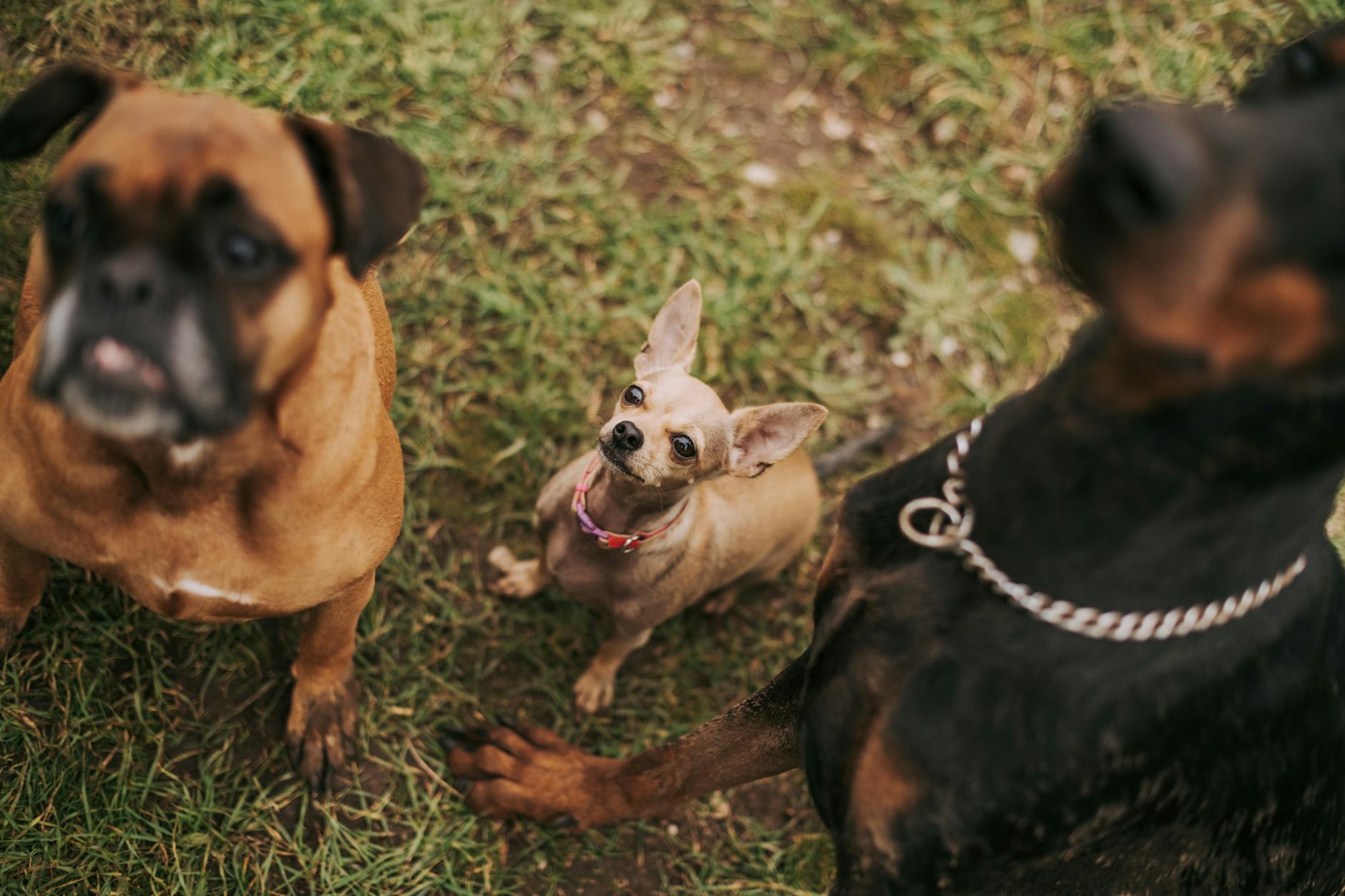
Aggression in dogs is a multifaceted topic influenced by genetics, environment, training, and individual temperament. Attributing a single breed as the “most naturally aggressive” oversimplifies a complex issue. While some breeds possess traits that can manifest as aggression, proper training, socialization, and responsible ownership significantly mitigate these tendencies. This article will delve into the factors contributing to canine aggression, highlighting breeds with a higher propensity for such behaviors, and underscore the importance of responsible dog ownership.
Understanding Canine Aggression
Canine aggression isn’t simply about biting. It encompasses a range of behaviors that indicate a dog feels threatened, insecure, or protective. Understanding the different types of aggression is crucial to addressing and managing them.
- Fear Aggression: Triggered by perceived threats; the dog may bark, growl, or bite out of fear.
- Protective Aggression: Directed at perceived threats to the dog’s family or territory.
- Possessive Aggression: Displayed when a dog feels threatened that someone will take away a valued object or resource (e.g., food, toys).
- Territorial Aggression: Manifested when someone enters the dog’s perceived territory (e.g., yard, house).
- Frustration Aggression: Arises when a dog is prevented from reaching a desired goal.
- Predatory Aggression: Linked to hunting instincts; differs from other forms and often lacks warning signals.
Genetic Predisposition vs. Environment

The nature versus nurture debate is particularly relevant when discussing canine aggression. While some breeds may have a genetic predisposition towards certain aggressive behaviors, environment and training play a crucial role in shaping a dog’s temperament.
- Genetics: Certain breeds were historically bred for traits like guarding or fighting, which can contribute to a higher likelihood of aggressive behaviors.
- Environment: Early socialization, exposure to various stimuli, and consistent training significantly impact a dog’s behavior.
- Training: Positive reinforcement methods are far more effective than punishment-based approaches in managing and preventing aggression.
- Responsible Ownership: Providing adequate exercise, mental stimulation, and consistent boundaries is essential for a well-adjusted dog.
Breeds With a Higher Propensity for Aggression
It’s crucial to emphasize that no breed is inherently aggressive. However, due to their historical breeding or physical capabilities, some breeds are statistically more likely to exhibit aggressive behaviors if not properly managed.
- Pit Bull Terrier: Historically bred for bull-baiting and dogfighting; powerful and tenacious.
- Rottweiler: Bred for guarding and herding; strong protective instincts.
- German Shepherd: Used as police and military dogs; intelligent and loyal but require firm training.
- Doberman Pinscher: Bred as guard dogs; alert and protective.
- Chow Chow: Historically used as guard dogs; independent and aloof.
- Akita: Bred for hunting and guarding; strong-willed and dominant.
It is important to note that individual dogs within any breed can vary significantly in temperament. A well-bred, well-socialized, and well-trained Pit Bull can be far less aggressive than a poorly bred, neglected, or abused Labrador Retriever.
The Importance of Socialization and Training
Socialization and training are paramount in mitigating the risk of aggression in any dog, regardless of breed. Early and consistent exposure to various people, animals, and environments helps a dog develop into a well-adjusted and confident member of society.
- Early Socialization: Expose puppies to a variety of sights, sounds, people, and animals from a young age (typically 8-16 weeks).
- Positive Reinforcement Training: Use rewards-based methods to teach obedience and good manners.
- Consistency: Establish clear rules and boundaries and enforce them consistently.
- Professional Guidance: Consult with a certified dog trainer or behaviorist if you encounter challenges or concerns.
| Component | Description | Benefit |
|---|---|---|
| Early Socialization | Exposing puppies to various stimuli during their critical socialization period. | Prevents fear-based aggression and promotes well-rounded behavior. |
| Positive Training | Using rewards and positive reinforcement to teach desired behaviors. | Builds a strong bond and avoids creating fear or anxiety, reducing aggression. |
| Consistent Rules | Establishing clear and consistent rules and boundaries. | Provides structure and predictability, reducing stress and potential triggers for aggression. |
| Professional Help | Seeking guidance from a qualified trainer or behaviorist when needed. | Addresses underlying issues and provides tailored solutions for specific behavioral problems. |
Responsible Dog Ownership
Ultimately, responsible dog ownership is the most crucial factor in preventing aggression. This includes selecting a breed that is a good fit for your lifestyle, providing adequate exercise and mental stimulation, and seeking professional help when needed. Remember that what is the most naturally aggressive dog is less important than how you raise and train your dog.
- Breed Selection: Research breeds and choose one that aligns with your lifestyle and experience level.
- Exercise and Mental Stimulation: Provide adequate physical and mental outlets to prevent boredom and frustration.
- Regular Veterinary Care: Address any underlying medical conditions that may contribute to aggression.
- Legal Responsibility: Be aware of local laws and regulations regarding dog ownership and aggression.

Frequently Asked Questions (FAQs)
Is it true that some dog breeds are inherently dangerous?
While some breeds have a higher propensity for certain behaviors due to their genetics and historical breeding, no breed is inherently dangerous. A dog’s temperament is heavily influenced by its environment, training, and individual personality. Responsible breeding practices and proper socialization are key factors in mitigating any potential risks.
What can I do to prevent my dog from becoming aggressive?
Early socialization, positive reinforcement training, and consistent boundaries are essential. Expose your dog to a variety of people, animals, and environments from a young age. Use rewards-based methods to teach obedience and good manners. Seek professional help if you encounter any challenges.
Is it ever okay to punish a dog for aggressive behavior?
Punishment-based training methods can actually increase aggression in dogs. They can create fear and anxiety, which can trigger defensive aggression. Positive reinforcement is a far more effective and humane approach.
What are the warning signs of aggression in dogs?
Common warning signs include stiff body posture, raised hackles, a hard stare, growling, snarling, showing teeth, and snapping. Learning to recognize these signals can help you prevent a bite.
My dog growls when someone approaches their food bowl. What should I do?
This is called possessive aggression. Do not punish the dog. Instead, consult with a certified dog trainer or behaviorist to address the underlying issue. They may recommend desensitization and counter-conditioning techniques.
How can I socialize my puppy properly?
Expose your puppy to a variety of sights, sounds, people, and animals in a safe and controlled environment. Enroll in puppy classes and participate in positive socialization experiences.
What is the best type of training for an “aggressive” dog?
Positive reinforcement training is the most effective approach. Avoid punishment-based methods, as they can exacerbate the problem. Work with a certified dog trainer or behaviorist who has experience with aggression cases.
What role does diet play in dog aggression?
While diet is not a primary cause of aggression, a poor diet can contribute to health problems that may indirectly affect behavior. Consult with your veterinarian to ensure your dog is receiving a balanced and nutritious diet.
Are neutered or spayed dogs less aggressive?
Neutering or spaying can reduce certain types of aggression, such as those related to hormones or territoriality. However, it is not a guaranteed solution for all aggression problems.
What should I do if my dog bites someone?
Immediately seek medical attention for the victim and report the incident to the appropriate authorities. Consult with a veterinarian or behaviorist to assess your dog’s behavior and develop a management plan.
Is it possible to rehabilitate an aggressive dog?
In many cases, yes. With the help of a qualified professional, it is often possible to manage and modify aggressive behaviors through training, behavior modification, and medication (if necessary). However, it is important to have realistic expectations and commit to a long-term plan.
What legal liabilities do I face if my dog bites someone?
Dog bite laws vary by location. You may be held liable for medical expenses, lost wages, and other damages. It is important to be aware of the laws in your area and take steps to prevent dog bites. You might also be legally required to carry public liability insurance.