

How Many Babies Do Penguins Have at a Time? A Comprehensive Guide
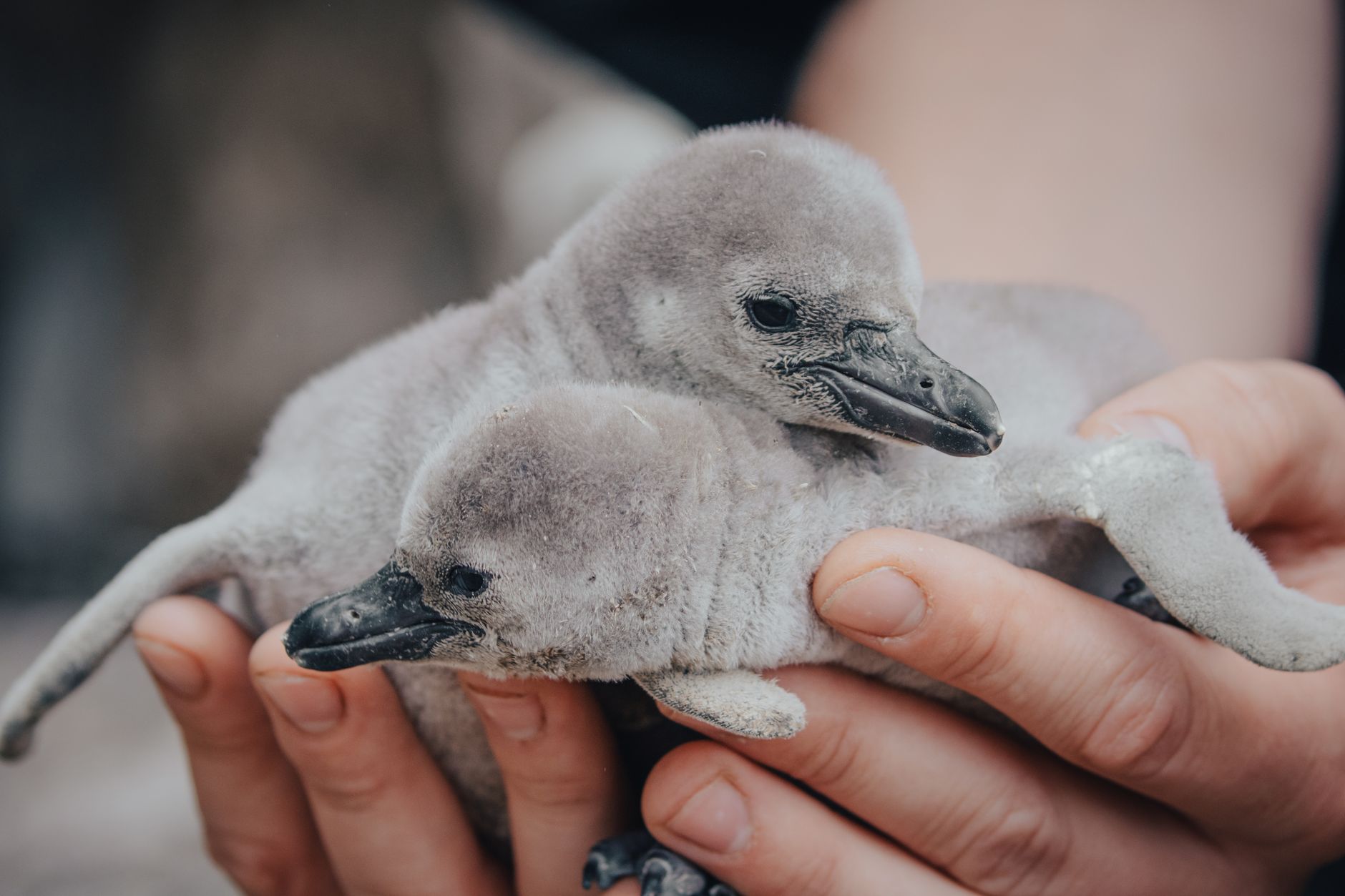
Most penguin species lay just one or two eggs, meaning they typically have one or two baby penguins at a time. This number is heavily influenced by species, environmental conditions, and individual health.
A Deep Dive into Penguin Reproduction
Penguins, those charismatic ambassadors of the Southern Hemisphere and beyond, capture our imaginations with their waddling gait and dedicated parenting. But how many babies do penguins have at a time? The answer, while seemingly simple, is nuanced and fascinating, varying depending on a multitude of factors. Understanding penguin reproduction provides valuable insights into their survival strategies and the challenges they face in a changing world.

Do all amphibians have eyelids?
Why do cuttlefish have W-shaped eyes?
Do all snakes have poison in them?
What is the GREY African clawed frog?
Clutch Size Variations Among Penguin Species

The primary determinant of how many babies do penguins have at a time is the species itself. Some species are almost exclusively single-egg layers, while others consistently lay two.
- Single-Egg Layers: Emperor Penguins and King Penguins, the giants of the penguin world, lay only one egg per breeding season. This strategy is linked to their long incubation periods and the harsh environments they inhabit.
- Two-Egg Layers: The vast majority of penguin species, including Adélie, Gentoo, Chinstrap, and Macaroni Penguins, lay two eggs.
- Rare Three-Egg Laying: While exceptionally rare, some penguins might lay three eggs, though this is generally considered an anomaly, and the likelihood of all three chicks surviving is extremely low.
The table below highlights the typical clutch sizes for several penguin species:
| Penguin Species | Typical Clutch Size |
|---|---|
| Emperor Penguin | 1 |
| King Penguin | 1 |
| Adélie Penguin | 2 |
| Gentoo Penguin | 2 |
| Chinstrap Penguin | 2 |
| Macaroni Penguin | 2 |
| Little Blue Penguin | 1 or 2 |
| Magellanic Penguin | 2 |
Factors Influencing Chick Survival
While most two-egg-laying species lay two eggs, the reality is that not all chicks survive. Several factors influence chick survival rates, including:
- Food Availability: Access to sufficient food resources is critical. During lean years, parent penguins may struggle to feed both chicks adequately. The stronger chick often outcompetes the weaker one, leading to the latter’s demise.
- Environmental Conditions: Extreme weather events, such as storms or heatwaves, can decimate penguin colonies and significantly reduce chick survival rates.
- Predation: Predators like skuas, sheathbills, and leopard seals pose a constant threat to penguin chicks, especially those that are vulnerable or unattended.
- Parenting Skills: Experience and attentiveness of the parents play a crucial role. First-time parents may be less adept at incubating eggs or protecting chicks from predators.
- Disease: Outbreaks of disease can rapidly spread through densely populated penguin colonies, leading to high chick mortality.
Why Not Lay More Eggs?
The question arises: why don’t penguins lay more eggs to increase their chances of successful reproduction? The answer lies in the energetic demands of raising penguin chicks.
- Energetic Constraints: Producing and incubating eggs, as well as feeding and protecting chicks, requires a tremendous amount of energy. Laying more eggs would place an unsustainable burden on the parent penguins, potentially jeopardizing their own survival and the survival of all their offspring.
- Optimal Resource Allocation: Penguins have evolved to optimize their reproductive strategy based on the resources available in their environment. Laying one or two eggs represents a balance between maximizing reproductive output and ensuring the survival of at least one chick.
- Evolutionary Trade-offs: There’s an evolutionary trade-off between quantity and quality of offspring. By laying fewer eggs, penguins can invest more resources in each chick, increasing its chances of survival.
Conservation Implications
Understanding penguin reproductive strategies is vital for conservation efforts. Monitoring clutch sizes, chick survival rates, and the factors that influence them provides valuable insights into the health and resilience of penguin populations. By addressing threats such as climate change, overfishing, and habitat destruction, we can help ensure that these remarkable birds continue to thrive for generations to come. Addressing how many babies do penguins have at a time gives a baseline to understand population dynamics.
Frequently Asked Questions (FAQs)
What is a penguin clutch?
A penguin clutch refers to the number of eggs laid by a female penguin during a single breeding attempt. This number can vary depending on the species, but most penguins lay either one or two eggs. The clutch size is a crucial factor in determining how many babies do penguins have at a time.
Do both penguin parents incubate the eggs?
Yes, in most penguin species, both parents share the responsibility of incubating the eggs. The incubation duties are often divided between the male and female, with one parent incubating while the other forages for food. This shared responsibility ensures that the eggs are kept warm and protected.
How long does it take for penguin eggs to hatch?
The incubation period varies depending on the penguin species, ranging from approximately 32 days for smaller species like the Little Blue Penguin to around 64 days for larger species like the Emperor Penguin. The longer incubation period for larger penguins is due to the larger egg size and the harsh environments in which they breed.
What do penguin chicks eat?
Penguin chicks are fed a diet of regurgitated fish, krill, and squid by their parents. The parents store the food in their stomachs and then regurgitate it to feed their chicks. As the chicks grow, they require increasing amounts of food.
How do penguin parents recognize their chicks?
Penguin parents recognize their chicks by their distinctive calls and appearance. Each chick has a unique call that allows its parents to identify it within the crowded colony. They also develop a strong visual bond with their chicks.
What are penguin chicks called?
Baby penguins are typically called chicks or fledglings. The term “fledgling” is often used to describe chicks that have developed most of their adult feathers and are nearly ready to leave the nest.
When do penguin chicks leave the nest?
The age at which penguin chicks leave the nest varies depending on the species. Some chicks, like those of the Emperor Penguin, may remain with their parents for several months, while others, like those of the Adélie Penguin, may leave the nest after only a few weeks.
What is a crèche?
A crèche is a group of penguin chicks that are left together under the supervision of a few adult penguins, while their parents go out to sea to forage for food. Crèches provide protection from predators and harsh weather conditions.
What are the biggest threats to penguin chicks?
The biggest threats to penguin chicks include predation by birds and marine mammals, starvation due to food scarcity, extreme weather events, and disease outbreaks. Climate change also poses a significant threat by altering the availability of food resources and increasing the frequency of extreme weather events.
How do penguin chicks stay warm in cold climates?
Penguin chicks have a thick layer of down feathers that provides insulation and helps them stay warm. They also huddle together with other chicks to conserve heat. Their parents also play a role in keeping them warm by sheltering them from the wind and cold.
Are all penguin species endangered?
While not all penguin species are endangered, several are facing significant threats. The conservation status varies from species to species. Some, such as the Emperor Penguin, are considered near threatened due to the impacts of climate change on their breeding habitat. Others, like the Galapagos Penguin, are endangered due to small population size and habitat loss.
What can I do to help protect penguins?
You can help protect penguins by reducing your carbon footprint, supporting sustainable fisheries, reducing plastic consumption, and donating to organizations that are working to conserve penguin populations. Spreading awareness about the threats facing penguins and advocating for policies that protect their habitat are also important steps.