
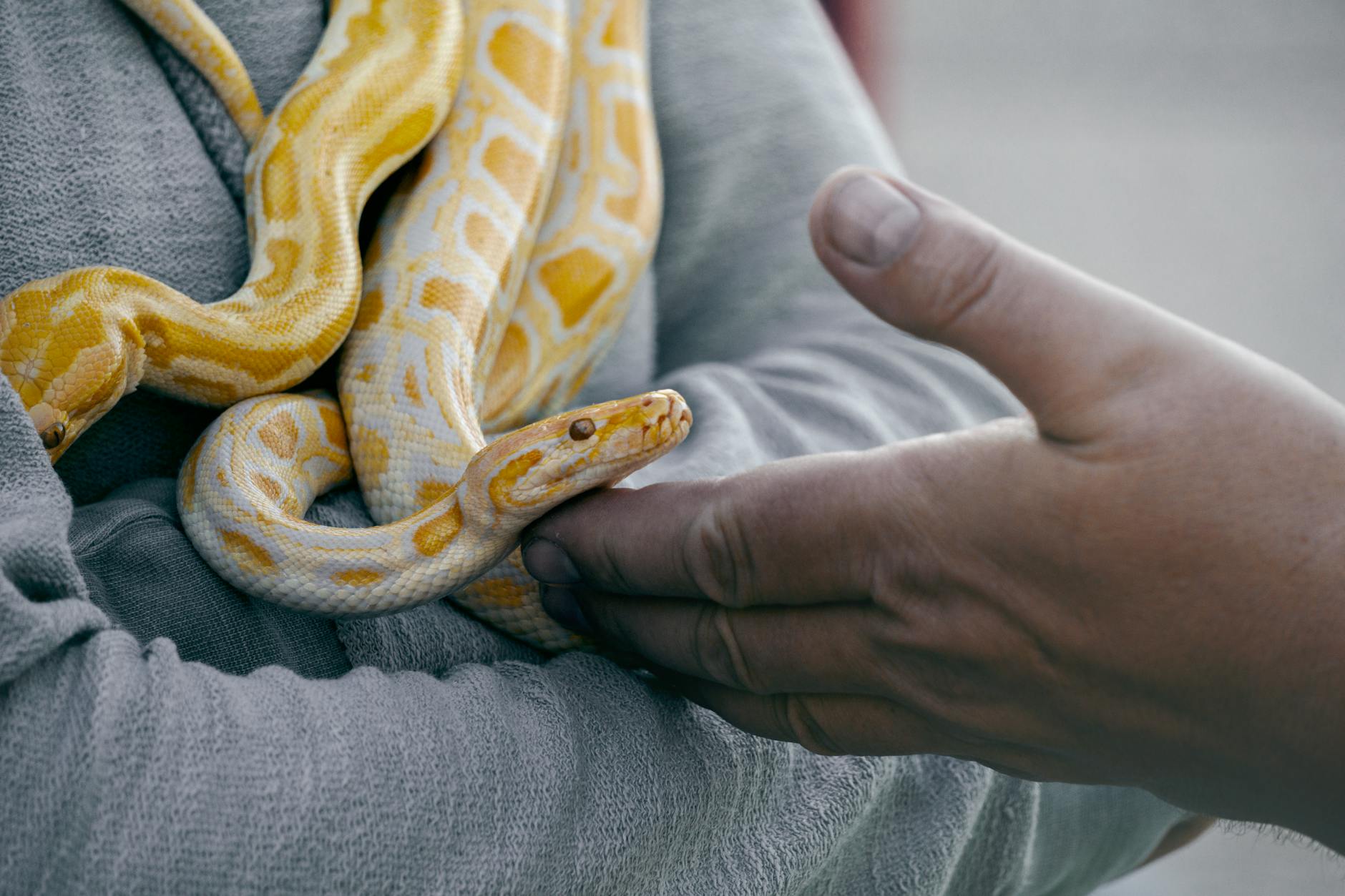
How to Hold a Snake Properly: A Comprehensive Guide
Holding a snake properly requires a blend of confidence, gentleness, and understanding of snake behavior; it’s crucial for both your safety and the snake’s well-being. The key is to support the snake’s body comfortably and handle it with respect and confidence, avoiding any actions that might stress or frighten it.

Introduction: Understanding Safe Snake Handling
The question of how do you hold a snake properly? is paramount for anyone interacting with these fascinating reptiles, whether you’re a seasoned herpetologist or a curious beginner. Correct handling isn’t just about preventing bites; it’s about fostering a trusting relationship with the animal and minimizing stress that can impact its health and well-being. This article will provide a step-by-step guide to safe and respectful snake handling, covering everything from pre-handling considerations to troubleshooting common mistakes.

Is snake shed skin poisonous?
Can fish hold their breath out of water?
Benefits of Proper Handling

Mastering the art of how do you hold a snake properly? yields several important benefits:
- Reduces stress on the snake: Gentle handling minimizes fear and anxiety, leading to a healthier, more relaxed animal.
- Prevents bites: A confident and supportive grip assures the snake feels secure and less likely to strike.
- Builds trust: Consistent, positive interactions strengthen the bond between snake and handler.
- Facilitates care: Proper handling simplifies tasks like feeding, cleaning, and health checks.
- Promotes education and conservation: Safe and responsible handling encourages a positive view of snakes and their role in the ecosystem.
A Step-by-Step Guide to Holding a Snake Properly
How do you hold a snake properly? This process can be broken down into manageable steps:
- Assess the Snake’s Temperament: Observe the snake’s behavior before attempting to handle it. A relaxed snake is typically slow-moving and curious. Avoid handling if the snake is displaying signs of stress, such as hissing, striking, or rapidly moving its tail.
- Wash Your Hands: Remove any strong scents that might be mistaken for food or cause the snake unnecessary agitation.
- Approach Calmly: Move slowly and deliberately. Avoid sudden movements or loud noises.
- Gentle Lifting: Gently scoop the snake up from below, supporting its body with both hands. For longer snakes, use a hand every 12-18 inches.
- Provide Support: Allow the snake to move freely through your hands, but maintain a secure hold. The snake’s weight should be evenly distributed to prevent discomfort.
- Avoid Squeezing: Never grip the snake tightly or restrict its movement.
- Monitor for Stress: Watch for signs of distress, such as rapid breathing, muscle contractions, or attempts to escape. If the snake appears stressed, gently return it to its enclosure.
- Keep Handling Sessions Short: Overhandling can be stressful. Limit handling sessions to 10-15 minutes at a time, especially for new snakes.
- Return the Snake Carefully: Gently place the snake back in its enclosure, ensuring it has a safe and comfortable space.
- Wash your hands again: After handling.
Common Mistakes to Avoid
Even experienced handlers can make mistakes. Here are some common pitfalls to watch out for:
- Handling too soon after feeding: Snakes are more likely to regurgitate their food if handled immediately after a meal. Wait at least 24-48 hours.
- Handling during shedding: Snakes are often more sensitive and defensive during shedding. Avoid handling until the shedding process is complete.
- Using strong perfumes or lotions: These scents can confuse or irritate the snake.
- Holding too tightly: Restricting the snake’s movement can cause stress and increase the risk of a bite.
- Dropping the snake: Always maintain a secure grip and handle the snake over a soft surface in case of accidental drops.
- Ignoring signs of stress: Pay attention to the snake’s body language and avoid pushing it beyond its comfort zone.
Understanding Snake Anatomy and Behavior
Understanding snake anatomy and behavior is crucial for safe and respectful handling. Consider the following:
- Spine Support: Unlike mammals, snakes lack limbs for support. Therefore, when how do you hold a snake properly, it is important to make sure you provide ample support for its entire body.
- Constricting vs. Non-Constricting Snakes: Handle constricting snakes with extra care, as they may instinctively wrap around your arm or hand. Non-constricting snakes are generally more docile.
- Defense Mechanisms: Snakes may bite, musk, or defecate as defense mechanisms. Understanding these behaviors can help you anticipate and avoid them.
| Factor | Constricting Snakes | Non-Constricting Snakes |
|---|---|---|
| Handling | Extra care; avoid restricting | Generally more docile |
| Defense | May constrict | May bite, musk, or defecate |
| Body Support | Critical to provide support | Critical to provide support |
| Stress Response | More prone to wrapping | Less prone to wrapping |
Frequently Asked Questions (FAQs)
How often should I handle my snake?
Handling frequency depends on the snake’s individual temperament and needs. Start with short, infrequent sessions (e.g., once or twice a week) and gradually increase the frequency as the snake becomes more comfortable. Always prioritize the snake’s well-being over your desire to handle it.
What if my snake bites me?
Snake bites are generally not dangerous unless the snake is venomous. Wash the wound thoroughly with soap and water. If the bite is from a venomous snake, seek immediate medical attention. It is always a good idea to familiarize yourself with the venomous snake species in your area.
How do I handle a snake that is actively trying to bite me?
If a snake is displaying aggressive behavior, do not attempt to handle it. Use a snake hook or other tool to gently guide the snake back into its enclosure. Consult with an experienced reptile handler or veterinarian for advice on addressing the snake’s aggression.
Is it safe for children to handle snakes?
Children should only handle snakes under strict adult supervision. Teach children proper handling techniques and emphasize the importance of respecting the animal.
My snake is shedding. Should I handle it?
It is generally best to avoid handling snakes during shedding, as they are often more sensitive and defensive at this time. Allow the snake to complete the shedding process undisturbed.
How long can a snake be handled at one time?
Handling sessions should typically be limited to 10-15 minutes at a time, especially for new snakes. Longer sessions can be stressful for the snake.
What is the best way to pick up a snake?
Gently scoop the snake up from below, supporting its body with both hands. Avoid grabbing the snake from above or squeezing it. Remember to wash your hands both before and after handling.
How do I know if my snake is stressed?
Signs of stress in snakes include rapid breathing, muscle contractions, hissing, striking, attempts to escape, and regurgitation. If you notice any of these signs, immediately stop handling the snake and return it to its enclosure.
Can I handle my snake after it has eaten?
It is generally not recommended to handle snakes immediately after they have eaten, as this can increase the risk of regurgitation. Wait at least 24-48 hours before handling.
What type of gloves should I wear when handling snakes?
Gloves are generally not recommended for handling most snakes, as they can reduce your sense of touch and make it more difficult to handle the snake gently. However, gloves may be necessary when handling venomous snakes or snakes with unknown health conditions.
What do I do if I accidentally drop my snake?
If you accidentally drop your snake, remain calm and gently pick it up. Check for any signs of injury. Handle the snake over a soft surface to minimize the risk of injury.
How do I clean my hands after handling a snake?
Wash your hands thoroughly with soap and water after handling a snake. This will help to prevent the spread of bacteria and parasites. You can also use a hand sanitizer for extra protection.