

Can You Swim in 57 Degree Water? The Cold, Hard Truth
Swimming in 57 degree water is dangerous, and potentially deadly, especially for extended periods, due to the rapid onset of hypothermia. While brief dips might be tolerated by acclimatized individuals, it’s generally not advisable for most people.
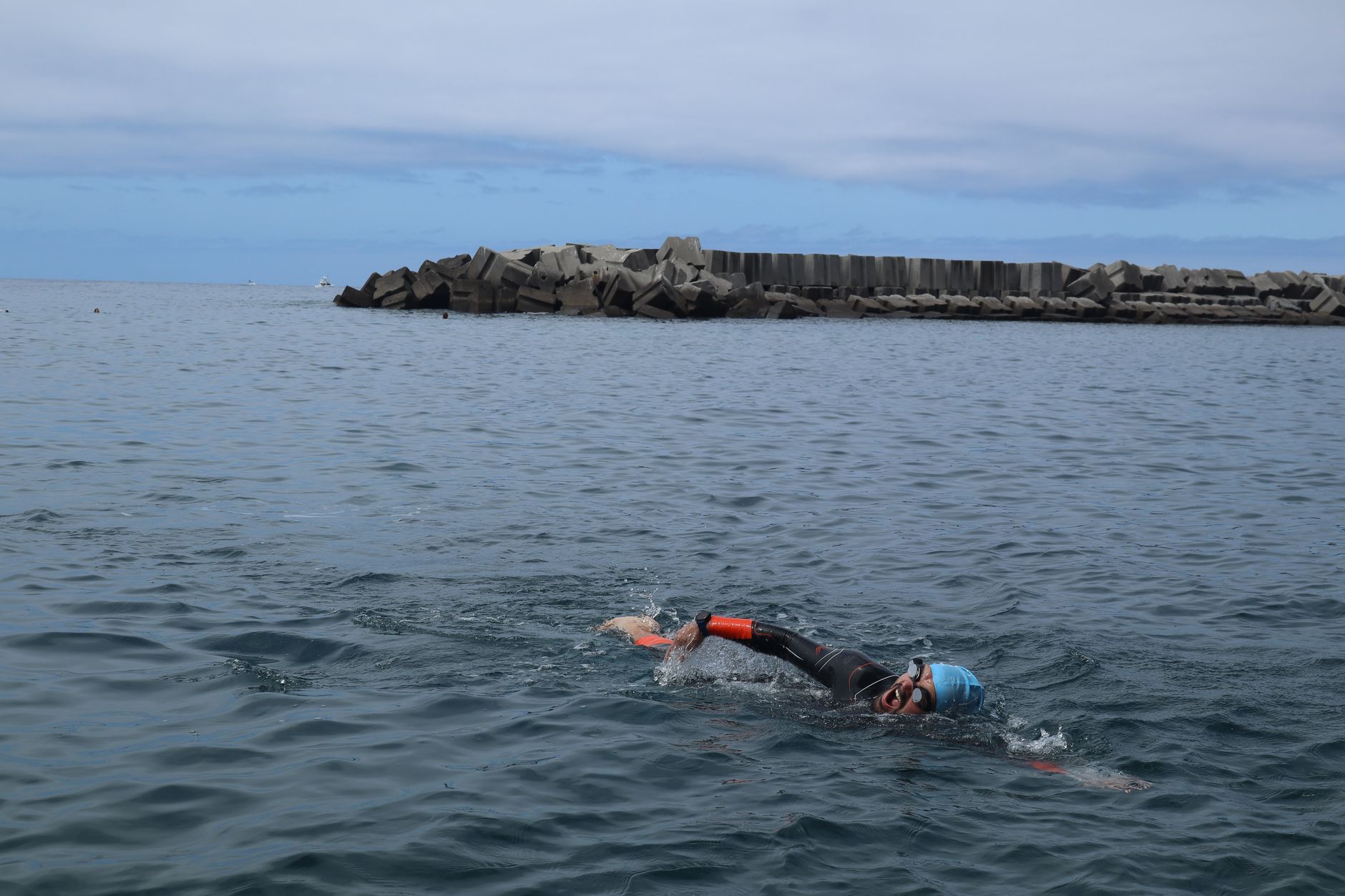
Understanding the Risks of Cold Water Immersion
Many people underestimate the dangers of cold water. What feels like a refreshing chill can quickly become a life-threatening situation. The rate at which your body loses heat in water is significantly faster than in air, making cold water immersion a serious concern even at temperatures that might seem relatively mild. Understanding the science behind cold water shock and hypothermia is crucial for making informed decisions about swimming in colder temperatures.

Can fish hear water?
How do I add oxygen to my goldfish water?
Do carbon filters remove water hardness?
What is the GREY African clawed frog?
How Cold is Too Cold? Defining “Cold Water”

There’s no universally agreed-upon definition, but water temperatures below 70°F (21°C) are generally considered cold. 57 degree water falls well within this range and represents a significant risk. The severity of the risk increases as the water temperature decreases. Factors like wind chill, air temperature, and individual physiology also play crucial roles.
The Dangers of Hypothermia
Hypothermia occurs when your body loses heat faster than it can produce it, causing a dangerously low body temperature. In 57 degree water, hypothermia can set in very quickly. Initial symptoms may include shivering, rapid breathing, and confusion. As hypothermia progresses, symptoms worsen, leading to loss of coordination, slurred speech, unconsciousness, and eventually, death.
The Cold Shock Response: A Natural But Dangerous Reaction
The initial immersion in cold water triggers the cold shock response. This involuntary reaction includes:
- Gasping for air: This can lead to water inhalation and drowning.
- Rapid heart rate: Puts increased strain on the cardiovascular system.
- Hyperventilation: Reduces carbon dioxide levels, potentially leading to dizziness and disorientation.
- Increased blood pressure: A risk for individuals with pre-existing heart conditions.
The cold shock response typically subsides within a few minutes, but those initial moments are extremely dangerous, especially for inexperienced swimmers.
Factors Affecting Tolerance to Cold Water
Several factors influence an individual’s ability to tolerate cold water:
- Body fat percentage: Higher body fat provides insulation.
- Age: Children and the elderly are more susceptible to hypothermia.
- Acclimatization: Regular exposure to cold water can increase tolerance, but this requires careful and gradual adaptation.
- Physical condition: Individuals with underlying health conditions are at higher risk.
- Clothing: Wearing appropriate thermal layers, such as a wetsuit, can significantly extend survival time.
Safety Measures for Swimming in Cold Water (If Absolutely Necessary)
If you must swim in cold water such as 57 degree water, take extreme precautions:
- Wear a properly fitted wetsuit or drysuit: These provide insulation and reduce heat loss.
- Swim with a buddy: Never swim alone in cold water.
- Stay close to shore: This minimizes the distance you need to swim in case of difficulty.
- Know your limits: Be aware of the signs of hypothermia and get out of the water immediately if you experience any symptoms.
- Inform someone of your plans: Tell someone where you are going and when you expect to return.
- Consider a Personal Floatation Device (PFD): Even if you are a strong swimmer, a PFD can significantly increase your chances of survival in case of cold shock or hypothermia.
Comparing Water Temperatures and Risk Levels
| Water Temperature (°F) | Risk Level | Potential Dangers |
|---|---|---|
| :——————— | :———————————————— | :——————————————————————————————- |
| 70-80 | Generally Safe (for extended swimming) | Fatigue after prolonged exposure. |
| 60-70 | Potentially Unsafe (for prolonged exposure) | Cold shock, hypothermia possible with extended immersion. |
| 50-60 | Dangerous | Rapid onset of cold shock and hypothermia. Limited survival time without proper gear. |
| Below 50 | Extremely Dangerous | Very rapid onset of cold shock and hypothermia. Extremely limited survival time. |
Recognizing the Signs of Hypothermia
Being able to recognize the signs of hypothermia is crucial. Symptoms include:
- Shivering
- Rapid breathing
- Confusion
- Loss of coordination
- Slurred speech
- Fatigue
- Drowsiness
- Unconsciousness
If you suspect someone is experiencing hypothermia, get them out of the water immediately and seek medical attention.
Frequently Asked Questions (FAQs)
Is 57 degrees cold for swimming?
Yes, 57 degrees Fahrenheit is definitely considered cold for swimming. The body loses heat much faster in water than in air, and 57 degrees is cold enough to cause rapid heat loss leading to cold shock and eventually hypothermia, especially without protective gear.
How long can you survive in 57 degree water?
Survival time in 57 degree water varies depending on individual factors such as body fat, clothing, and activity level. However, expect serious consequences, including unconsciousness and death, within 1-3 hours without proper insulation.
What is the best way to warm up after swimming in cold water?
The best way to warm up after swimming in cold water is to remove wet clothing, dry off, and put on warm, dry clothes. Drink warm, sweet fluids, and seek medical attention if experiencing symptoms of hypothermia. Avoid alcohol as it can interfere with the warming process. Active rewarming with gentle exercises can help, but vigorous exercise should be avoided as it can further stress the body.
Can acclimatization really help me tolerate cold water?
Yes, gradual acclimatization can improve cold water tolerance, but it’s a process that requires time, patience, and caution. Acclimatization involves repeated, short exposures to cold water, gradually increasing the duration and frequency of exposure. It is crucial to consult with a medical professional before starting any cold water acclimatization program.
What kind of wetsuit do I need for 57 degree water?
For 57 degree water, you’ll likely need a full wetsuit of at least 4-5mm thickness. Consider a hood, gloves, and booties for additional protection. Ensure the wetsuit fits snugly to minimize water circulation inside the suit.
Is it safe to swim in 57 degree water with a wetsuit?
While a wetsuit provides insulation, it doesn’t eliminate the risk of hypothermia in 57 degree water. Always swim with a buddy, stay close to shore, and monitor yourself for signs of cold stress. The effectiveness of the wetsuit depends on its fit, thickness, and condition.
What are the long-term health effects of cold water swimming?
Some research suggests that regular cold water swimming may have positive long-term effects on the cardiovascular system and immune system. However, the risks associated with cold water immersion, such as hypothermia and cardiac arrest, should always be carefully considered. Always consult with a medical professional before engaging in regular cold water swimming.
Are children more vulnerable to cold water than adults?
Yes, children are generally more vulnerable to the effects of cold water than adults. They have a larger surface area to volume ratio, meaning they lose heat more quickly. Extra precautions are necessary when children are swimming in cold water.
What is the “ten-minute rule” for cold water survival?
The “ten-minute rule” is a helpful guideline for understanding the stages of cold water immersion. It suggests that you have approximately:
- 1-2 minutes to control breathing after cold shock.
- 10 minutes of meaningful movement before losing coordination.
- 1 hour until hypothermia renders you unconscious.
This rule highlights the importance of immediate action after entering cold water. Note: this rule of thumb varies drastically between individuals.
Is there any benefit to swimming in cold water?
Some studies have indicated potential benefits of cold water swimming, including:
- Improved circulation
- Boosted immune system
- Reduced stress
- Increased endorphins
However, these potential benefits must be weighed against the significant risks associated with cold water immersion.
Can strong swimmers tolerate colder water better?
While physical fitness is beneficial, being a strong swimmer doesn’t necessarily guarantee increased tolerance to cold water. Cold shock and hypothermia can affect even the most experienced swimmers. Always prioritize safety and proper preparation.
What should I do if someone starts showing signs of hypothermia after swimming in 57 degree water?
If someone shows signs of hypothermia, take the following steps:
- Get them out of the water immediately.
- Remove wet clothing and dry them thoroughly.
- Wrap them in warm blankets or dry clothing.
- Provide warm, sweet beverages (if conscious).
- Seek immediate medical attention.
Do not give them alcohol or attempt to rapidly rewarm them with hot baths or showers.