

How Many Babies Can a Lion Give Birth To? Unveiling the Mysteries of Lioness Reproduction
A lioness typically gives birth to a litter of one to four cubs, although larger litters are possible but less common. This number is influenced by factors such as age, health, and resource availability.

Understanding Lioness Reproduction: A Deep Dive
Lions, majestic apex predators of the African savanna, captivate us with their power and social complexity. Central to their survival is the reproductive process, and a key question often arises: How many babies can a lion give birth to? This article delves into the fascinating world of lioness reproduction, exploring the various factors that influence litter size and the broader context of cub development.

What colours are fish most attracted to?
Can you put your finger in a trout's mouth?
Is methylene blue anti bacterial?
Does aquarium salt raise pH in aquarium?
The Lioness: A Mother’s Role
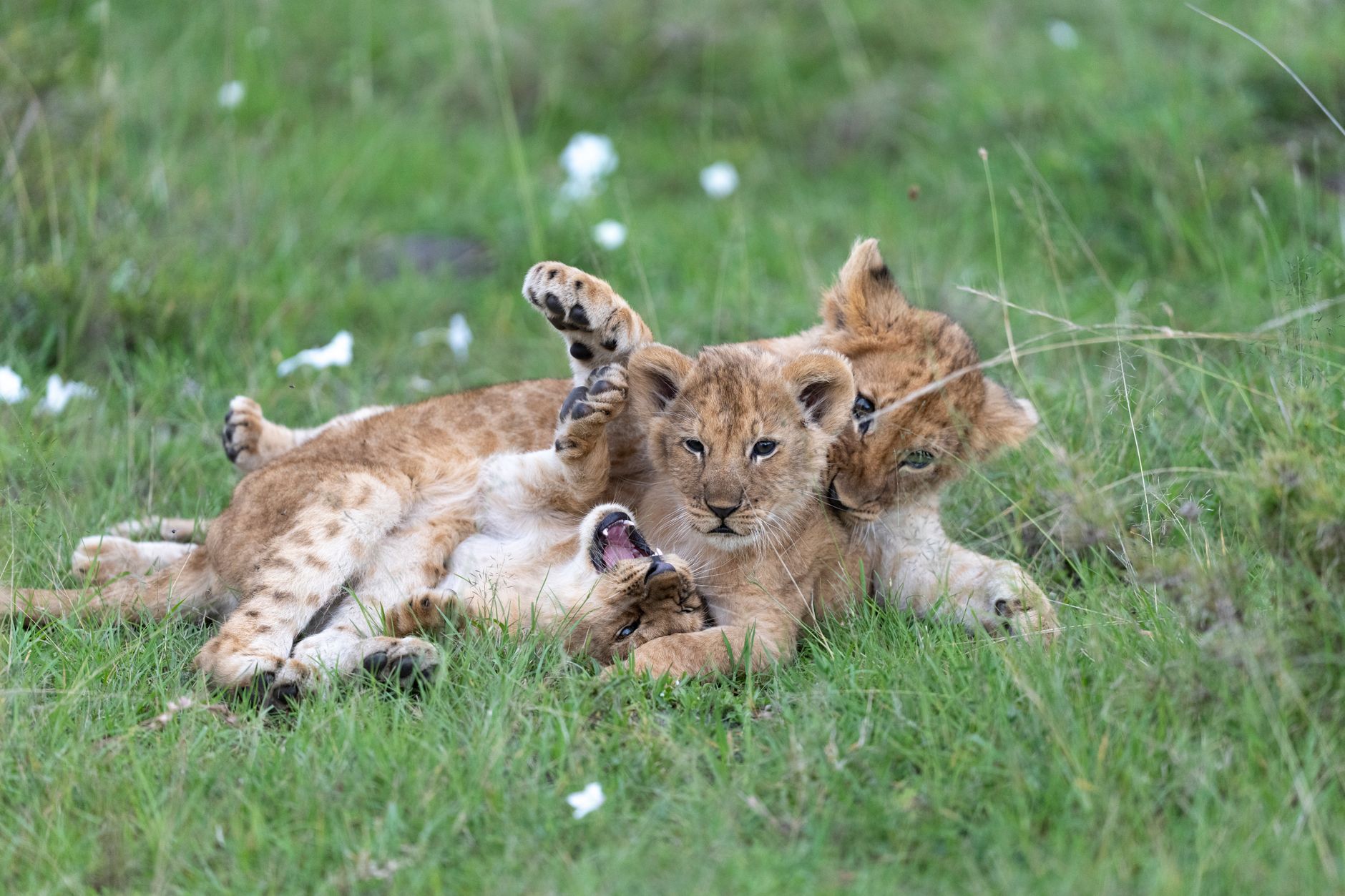
The lioness is the primary caregiver and hunter within the pride. Her reproductive capabilities are crucial for the continuation of the species. Understanding her reproductive cycle is essential to answering the question of how many babies can a lion give birth to?
- Estrous Cycle: Lionesses are polyestrous, meaning they can have multiple estrous cycles throughout the year. This increases their chances of conception, particularly in environments where resources fluctuate.
- Gestation Period: The gestation period for a lioness is approximately 110 days (around 3.5 months).
- Denning: Prior to giving birth, the lioness will seek out a secluded den, often in tall grass, thick bushes, or rocky outcrops. This provides a safe and protected environment for her vulnerable cubs.
Litter Size Determinants
The number of cubs a lioness delivers is not fixed. Several factors influence the potential litter size:
- Age: Younger lionesses may have smaller litters in their first few pregnancies. As they mature, their litter size may increase until reaching their prime reproductive years. Older lionesses, past their prime, may experience a decline in litter size.
- Health and Nutrition: A lioness in good health and with access to sufficient food is more likely to produce a larger and healthier litter. Malnutrition can significantly reduce litter size and cub survival rates.
- Environment and Resource Availability: In areas with abundant prey, lionesses are generally in better condition, leading to larger litters. Conversely, in areas facing drought or prey scarcity, litter sizes may be smaller.
- Genetics: Some lionesses may be genetically predisposed to having larger or smaller litters.
- Pride Dynamics: The presence of other lactating lionesses in the pride can influence a lioness’s decision to synchronize her estrous cycle, potentially leading to multiple births within a short timeframe, which benefits cub survival overall.
Cub Development and Survival
Even after birth, the journey for lion cubs is fraught with challenges.
- Early Vulnerability: Newborn cubs are blind and helpless, relying entirely on their mother for care and protection.
- Nursing: Lionesses nurse their cubs for several months, providing them with essential nutrients and antibodies.
- Pride Integration: Cubs are gradually introduced to the pride and begin to learn essential hunting and social skills from their mothers and other pride members.
- Mortality Rates: Cub mortality rates are high, with many cubs succumbing to disease, starvation, or attacks from other predators or rival lions.
Frequently Asked Questions (FAQs)
How many babies can a lion give birth to on average?
A lioness typically gives birth to a litter of one to four cubs, with an average of two to three. Litter sizes can vary depending on a variety of environmental and physical factors affecting the lioness’s condition.
What is the largest recorded litter size for a lioness?
While rare, there have been reports of lionesses giving birth to litters of up to six cubs. However, the survival rate for such large litters is often lower due to the increased demands on the mother’s resources.
How often can a lioness give birth?
A lioness can give birth approximately every two years, assuming she successfully raises her previous litter to independence. If the previous litter is lost, she may become receptive to breeding sooner.
What are the main causes of cub mortality in lions?
Cub mortality is often attributed to starvation, disease, predation by other animals (hyenas, leopards), and infanticide by rival male lions taking over a pride.
At what age do lion cubs become independent?
Lion cubs typically become relatively independent around two years of age, although they may remain within the pride for a longer period, especially if they are female.
Do male lions play a role in raising the cubs?
While male lions do not directly nurse or feed the cubs, they play a crucial role in protecting the pride from rivals and other threats, indirectly contributing to cub survival.
How long does a lioness nurse her cubs?
Lionesses nurse their cubs for approximately six to seven months, gradually introducing them to solid food as they grow.
What happens to cubs if their mother dies?
If a lioness dies, the cubs’ survival depends on the availability of other lactating lionesses in the pride who may adopt them. Otherwise, their chances of survival are significantly reduced.
Are there regional differences in lion litter sizes?
Yes, there may be regional differences in lion litter sizes based on prey availability and environmental conditions. Areas with more abundant prey may support larger litters.
How does climate change affect lion reproduction?
Climate change can negatively impact lion reproduction by increasing the frequency and severity of droughts, leading to prey scarcity and reduced litter sizes. It can also increase disease outbreaks in both lion and prey populations.
What is the typical lifespan of a lion in the wild?
The typical lifespan of a lion in the wild is 10-14 years. Captive lions may live significantly longer, sometimes exceeding 20 years, given stable and controlled environments.
Does the number of cubs a lioness gives birth to affect the overall lion population?
Yes, litter sizes significantly impact the lion population. Higher birth rates contribute to population growth, while lower birth rates can lead to decline, especially when combined with other threats like habitat loss and human-wildlife conflict. Understanding how many babies can a lion give birth to? is essential for conservation efforts and the protection of these magnificent creatures.