
How Many Animals Hunt Humans?
While the thought is terrifying, the number of animals that actively hunt humans as a primary food source is remarkably small; less than a dozen species demonstrate consistent predatory behavior towards people, with the vast majority of attacks being defensive or opportunistic.

Understanding Predation vs. Attack
It’s crucial to differentiate between an animal attack and true predatory hunting. Many animals, especially those feeling threatened or protecting their young, will attack humans. However, such attacks are typically defensive, designed to ward off a perceived threat. Predation, on the other hand, involves the animal actively seeking out humans as a source of food. This is a far rarer occurrence. So, when we ask, “How many animals hunt humans?“, we’re specifically looking at those species with a history of targeting humans for sustenance.

What colours are fish most attracted to?
Can you put your finger in a trout's mouth?
Is methylene blue anti bacterial?
Does aquarium salt raise pH in aquarium?
Key Predators of Humans

Identifying animals that hunt humans requires careful analysis. Here are some species implicated in documented cases of predatory attacks:
-
Crocodiles: Particularly the Nile crocodile and saltwater crocodile, are responsible for numerous human fatalities each year. Their ambush hunting tactics and powerful jaws make them formidable predators.
-
Lions: While lions typically prey on large ungulates, there have been instances, particularly in regions with depleted prey populations, where lions have actively hunted humans. The Tsavo lions are a infamous example.
-
Tigers: Similar to lions, tigers can become man-eaters, especially older or injured individuals unable to hunt their traditional prey. The Sundarbans region, straddling India and Bangladesh, is known for tiger attacks on humans.
-
Leopards: Leopards are more adaptable and opportunistic than lions or tigers. They can thrive in closer proximity to human settlements and are known to occasionally prey on humans, especially children.
-
Bears: While bear attacks are more often defensive, brown bears and polar bears can exhibit predatory behavior towards humans in certain situations. Polar bears, in particular, are more likely to view humans as potential prey.
-
Sharks: Although shark attacks are widely publicized, true predatory attacks are relatively rare. Great white, tiger, and bull sharks are most often implicated in unprovoked attacks, but these are often believed to be cases of mistaken identity.
-
Snakes: Large constrictor snakes, such as pythons and anacondas, have been known to prey on humans, although such incidents are relatively infrequent and usually involve children or smaller adults.
-
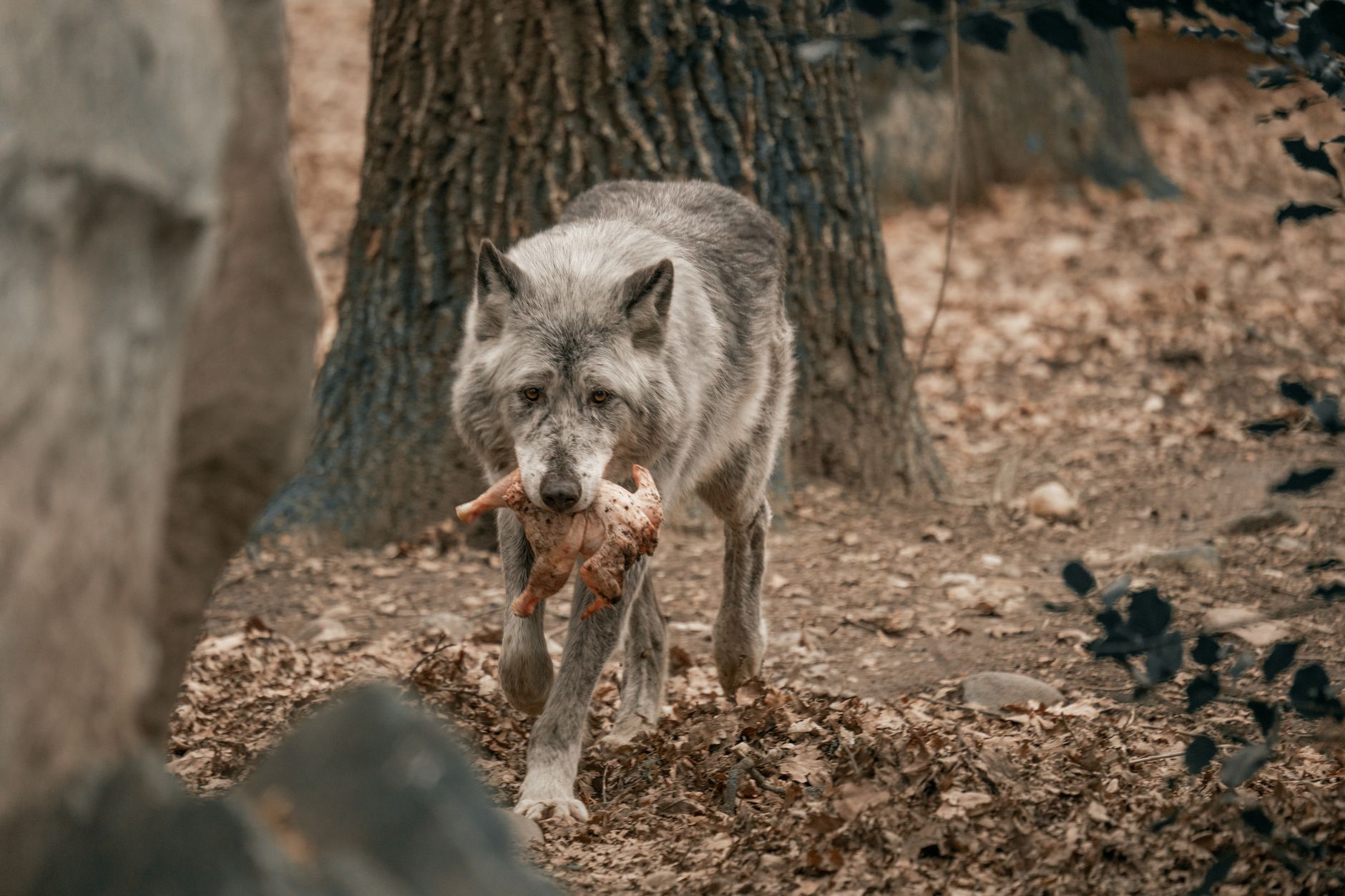
Wolves: Predatory wolf attacks on humans are extremely rare, particularly in North America. However, historical accounts and isolated incidents in other parts of the world suggest that wolves can, in exceptional circumstances, target humans as prey.
Factors Contributing to Predatory Attacks
Several factors can contribute to animals developing a taste for human flesh:
-
Habitat Loss: Encroachment on animal habitats forces them into closer proximity to human populations, increasing the likelihood of encounters and potential conflicts.
-
Prey Depletion: When traditional prey species become scarce, predators may be forced to seek alternative food sources, including livestock or humans.
-
Human Provisioning: Intentionally or unintentionally feeding wild animals can lead to habituation, causing them to associate humans with food and potentially escalating to aggressive behavior.
-
Injury or Illness: Older, injured, or diseased animals may be unable to hunt their usual prey and may turn to easier targets, such as humans.
The Importance of Context
It’s essential to remember that the context of an animal attack is crucial. Simply being bitten or attacked by an animal does not automatically classify it as a predator of humans. Understanding the circumstances surrounding the incident, such as the animal’s motivation and the environment in which the attack occurred, is essential for accurately assessing the level of threat.
Mitigation Strategies
Reducing the risk of predatory attacks requires a multi-faceted approach:
-
Habitat Conservation: Protecting and restoring natural habitats is crucial for maintaining healthy wildlife populations and reducing human-wildlife conflict.
-
Community Education: Educating communities about wildlife behavior and safety precautions can help prevent encounters and reduce the risk of attacks.
-
Predator Management: In some cases, it may be necessary to implement predator management strategies, such as relocation or culling, to protect human populations. These strategies must be ethically and scientifically sound.
FAQs: How Many Animals Hunt Humans?
What is the most common animal that hunts humans?
While specific figures fluctuate, crocodiles, particularly Nile and saltwater crocodiles, consistently account for the highest number of confirmed predatory attacks on humans globally. Their powerful bite and ambush tactics make them highly effective predators.
Are shark attacks usually predatory?
No, most shark attacks are not considered predatory. Experts believe many unprovoked shark attacks are cases of mistaken identity, where sharks mistake humans for seals or other marine mammals. True predatory shark attacks are relatively rare.
Why do lions sometimes hunt humans?
Lions often turn to hunting humans when their natural prey is scarce due to habitat loss, overhunting, or disease. Older or injured lions may also find it easier to prey on humans than on faster or more formidable prey animals.
What makes tigers dangerous to humans?
Tigers, particularly those in the Sundarbans mangrove forests, often encounter humans due to habitat overlap. Some tigers, especially older or injured ones, may become man-eaters out of necessity, while others may be habituated to humans due to proximity and availability of livestock.
Are bears likely to hunt humans?
While bear attacks are more often defensive, polar bears are more likely to view humans as potential prey due to their arctic environment, where food sources can be scarce. Brown bears, while generally avoiding humans, may attack in defense of their cubs or food, but true predation is rarer.
Do wolves hunt humans in North America?
Predatory wolf attacks on humans in North America are exceedingly rare. Most wolf-human interactions involve wolves acting defensively or out of curiosity. Historical accounts and isolated incidents in other regions suggest predation is possible under extreme circumstances, but highly unlikely in North America today.
Can snakes actually eat humans?
Large constrictor snakes, such as pythons and anacondas, are physically capable of swallowing humans, particularly children or smaller adults. However, such incidents are relatively infrequent, and snakes typically prefer to prey on smaller animals.
Is it possible for deer or rabbits to hunt humans?
No, animals like deer or rabbits are herbivores and physically incapable of hunting humans. They lack the necessary dentition, musculature, and predatory instincts to target humans as prey.
Does climate change affect predatory behavior towards humans?
Yes, climate change can exacerbate human-wildlife conflict. Habitat loss, changing prey distributions, and increased competition for resources can drive predators into closer proximity to human populations, increasing the likelihood of encounters and potential attacks.
How can I protect myself from predatory animals?
Avoiding areas known to be inhabited by dangerous predators, traveling in groups, making noise to alert animals to your presence, and carrying deterrents such as bear spray are all effective ways to reduce the risk of predatory attacks.
Are animal attacks on humans increasing?
In some regions, reported animal attacks are increasing due to factors such as habitat loss, human population growth, and changes in animal behavior. However, it’s crucial to distinguish between all types of attacks versus confirmed predatory attacks, which remain relatively rare.
What should I do if I encounter a potentially predatory animal?
Maintain eye contact, make yourself look as large as possible, make noise, and back away slowly. Do not run or turn your back on the animal. If attacked, fight back aggressively, targeting vulnerable areas such as the eyes and nose.