

How Long To Let Baking Soda and Hydrogen Peroxide Sit on a Stain?
A baking soda and hydrogen peroxide paste is a powerful, natural stain remover, but how long to let it sit depends on the stain’s severity and fabric type. Generally, allow the mixture to sit for 30 minutes to an hour before rinsing or washing, but always test on an inconspicuous area first.
Introduction: The Power of Baking Soda and Hydrogen Peroxide
Stains happen. From accidental coffee spills to stubborn grass marks, life leaves its mark on our fabrics and surfaces. Luckily, a simple and effective solution often lies within our kitchen cupboards: baking soda and hydrogen peroxide. This dynamic duo forms a potent cleaning agent capable of tackling a wide array of stains without harsh chemicals. But understanding the correct application and dwell time is crucial to maximize its effectiveness and avoid potential damage.

What colours are fish most attracted to?
Can you put your finger in a trout's mouth?
Is methylene blue anti bacterial?
Does aquarium salt raise pH in aquarium?
Understanding the Cleaning Action
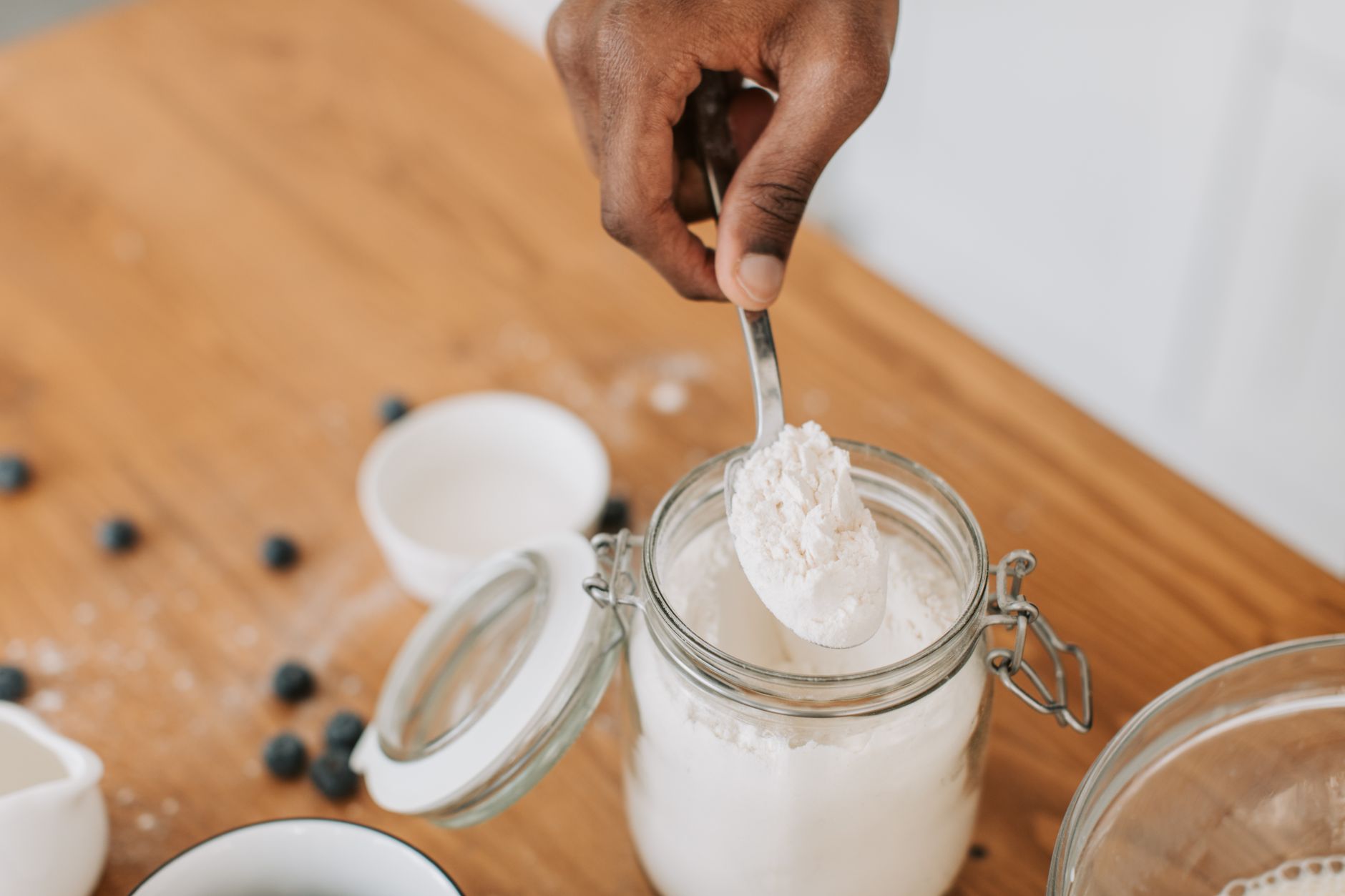
The power of baking soda and hydrogen peroxide lies in their individual properties and synergistic action.
- Baking Soda (Sodium Bicarbonate): Acts as a gentle abrasive, helping to lift stains from surfaces. It’s also a mild alkali, which can help neutralize acids that contribute to some stains.
- Hydrogen Peroxide (H2O2): A mild bleaching agent that breaks down stain molecules through oxidation. It’s most effective on light-colored fabrics and materials.
When combined, the baking soda provides a scrubbing action while the hydrogen peroxide works to chemically break down the stain.
Creating the Perfect Paste
The ratio of baking soda to hydrogen peroxide is crucial. Aim for a paste-like consistency.
- For small stains: Mix 1 tablespoon of baking soda with 1 teaspoon of hydrogen peroxide.
- For larger stains: Adjust the quantities proportionally, maintaining a 2:1 ratio of baking soda to hydrogen peroxide.
The paste should be thick enough to adhere to the stain but spreadable enough to cover the affected area.
How Long to Let Baking Soda and Hydrogen Peroxide Sit on Stain? The Ideal Dwell Time
This is the critical question! The ideal dwell time for a baking soda and hydrogen peroxide paste varies based on several factors:
- Stain Severity: Fresh, light stains may only require a shorter dwell time (30 minutes), while older, set-in stains might benefit from a longer soak (up to an hour).
- Fabric Type: Delicate fabrics like silk or wool require shorter dwell times and more diluted solutions. Test on an inconspicuous area first.
- Surface Type: Hard surfaces like countertops can generally tolerate longer dwell times than fabrics.
General Guidelines:
| Stain Severity | Fabric Type | Dwell Time |
|---|---|---|
| :————- | :————— | :——————- |
| Light | All Fabrics | 30 minutes |
| Moderate | Durable Fabrics | 45 minutes |
| Severe | Durable Fabrics | 60 minutes |
| Any | Delicate Fabrics | 15-30 minutes (with close monitoring) |
Remember: Always test the mixture on an inconspicuous area before applying it to the entire stain.
The Application Process: Step-by-Step
- Prepare the Paste: Mix baking soda and hydrogen peroxide into a thick paste.
- Apply to the Stain: Generously apply the paste to the stained area, ensuring it’s completely covered.
- Let it Sit: Allow the paste to sit for the recommended dwell time, referring to the guidelines above.
- Rinse or Wash: After the dwell time, rinse the area thoroughly with water. For fabrics, wash the item as usual.
- Inspect and Repeat: If the stain persists, repeat the process.
Common Mistakes to Avoid
- Using Old Hydrogen Peroxide: Hydrogen peroxide degrades over time. Use a fresh bottle for optimal results.
- Applying to Dark Fabrics: Hydrogen peroxide can lighten dark fabrics. Always test on an inconspicuous area first.
- Using Too Much Paste: A thin, even layer is more effective than a thick glob.
- Ignoring the Dwell Time: Not allowing the paste to sit long enough will reduce its effectiveness. Conversely, letting it sit for too long can damage delicate fabrics.
- Not Rinsing Thoroughly: Leaving residue can attract dirt and worsen the problem.
Alternatives for Delicate Fabrics
For delicate fabrics, consider these alternatives to hydrogen peroxide:
- White Vinegar: A gentler stain remover that can be used in place of hydrogen peroxide.
- Enzyme-Based Stain Removers: These are specially formulated to break down organic stains without harsh chemicals.
Tackling Specific Stains
- Blood: Use cold water and baking soda paste.
- Grease: Apply baking soda directly to the stain to absorb the grease before applying the hydrogen peroxide paste.
- Coffee/Tea: Baking soda and hydrogen peroxide work well, but prompt treatment is key.
Frequently Asked Questions
What concentration of hydrogen peroxide should I use?
A 3% hydrogen peroxide solution (the standard household variety) is generally recommended for stain removal. Higher concentrations can be too harsh and may damage fabrics.
Can I use baking soda and hydrogen peroxide on colored clothing?
While generally safe for light-colored clothing, always test the solution on an inconspicuous area of colored clothing before applying it to the entire stain. Hydrogen peroxide can cause fading.
Is it safe to mix baking soda and hydrogen peroxide?
Yes, it is generally safe to mix baking soda and hydrogen peroxide for stain removal. However, do not mix it in a closed container as it can create pressure.
Can I leave the baking soda and hydrogen peroxide paste on overnight?
Leaving the paste on overnight is generally not recommended, especially for fabrics. Prolonged exposure can damage the fibers. Stick to the recommended dwell times.
Will baking soda and hydrogen peroxide remove all types of stains?
While effective on many stains, baking soda and hydrogen peroxide may not remove all types of stains. Some stains, such as permanent ink or dyes, may require professional cleaning.
What should I do if the stain doesn’t come out after the first try?
Repeat the process, but avoid excessive scrubbing or prolonged dwell times if the stain is proving stubborn. Consider trying a different stain removal method.
Can I use this mixture on carpets?
Yes, baking soda and hydrogen peroxide can be used on carpets, but test it on a hidden area first. Blot the area with a clean cloth after rinsing.
How do I store leftover baking soda and hydrogen peroxide paste?
It is best to make a fresh batch each time. Storing the mixture is not recommended as the hydrogen peroxide will lose its effectiveness.
What is the best way to remove dried baking soda paste from fabric?
Brush off as much of the dried paste as possible, then rinse the area thoroughly with water. You may need to gently scrub with a soft brush to remove any remaining residue.
Does heat affect the effectiveness of baking soda and hydrogen peroxide?
Heat can accelerate the decomposition of hydrogen peroxide, potentially reducing its effectiveness. Avoid using heat while the paste is sitting on the stain.
Is baking soda and hydrogen peroxide environmentally friendly?
Yes, baking soda and hydrogen peroxide are considered relatively environmentally friendly cleaning agents compared to harsh chemicals. They break down into harmless substances.
How can I prevent stains from setting in the first place?
Treat stains as soon as possible. The fresher the stain, the easier it is to remove. Rinse with cold water and blot gently before applying any stain remover.