
How Long Does Oxygen Last in a Fish Tank? A Comprehensive Guide
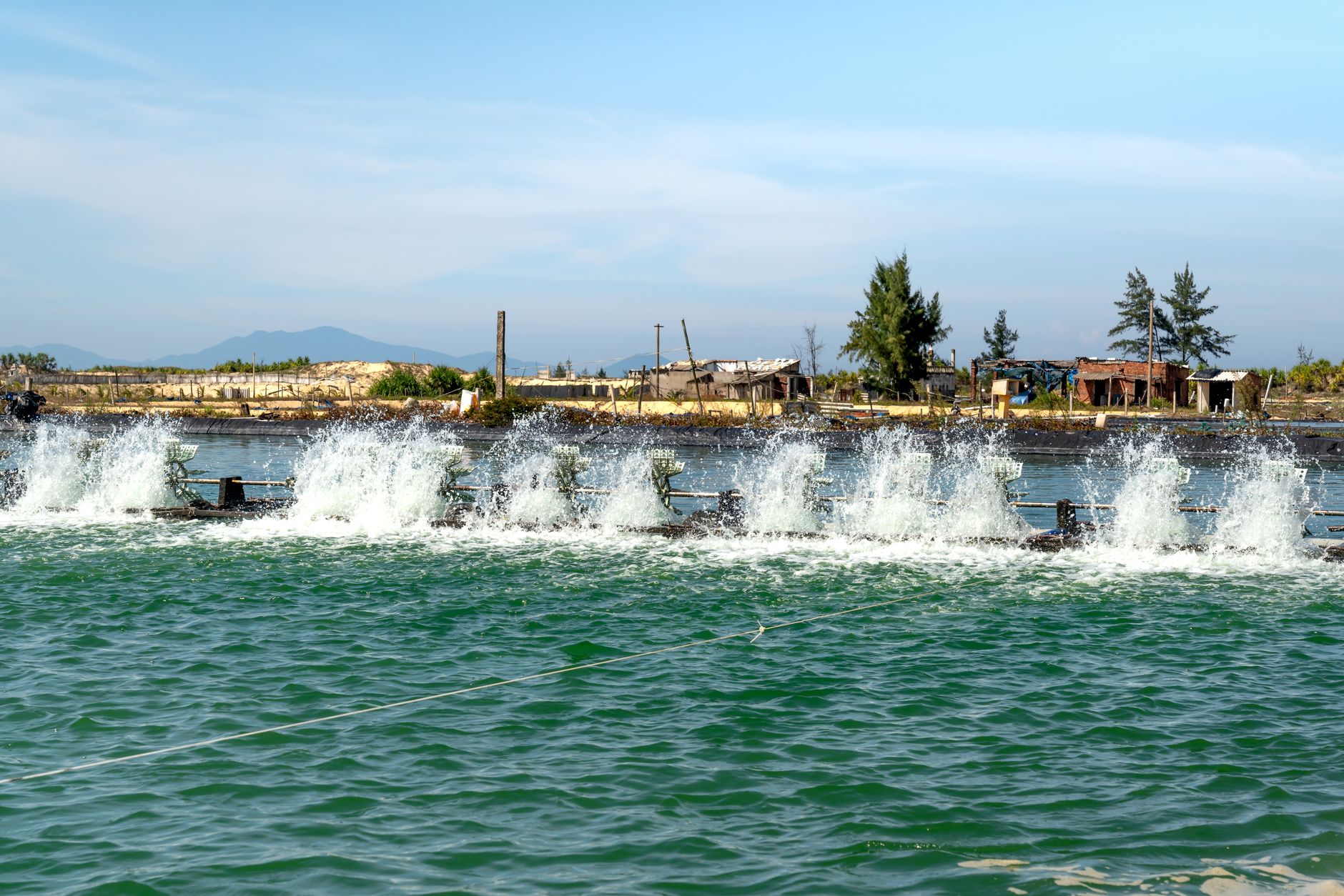
The lifespan of oxygen in a fish tank crucially depends on several factors; under optimal conditions, an adequately sized and maintained tank can sustain sufficient oxygen levels for days or even weeks, but without proper management, oxygen depletion can occur within hours. Understanding these factors is vital for fishkeeping success.
Understanding Oxygen Levels in Your Aquarium
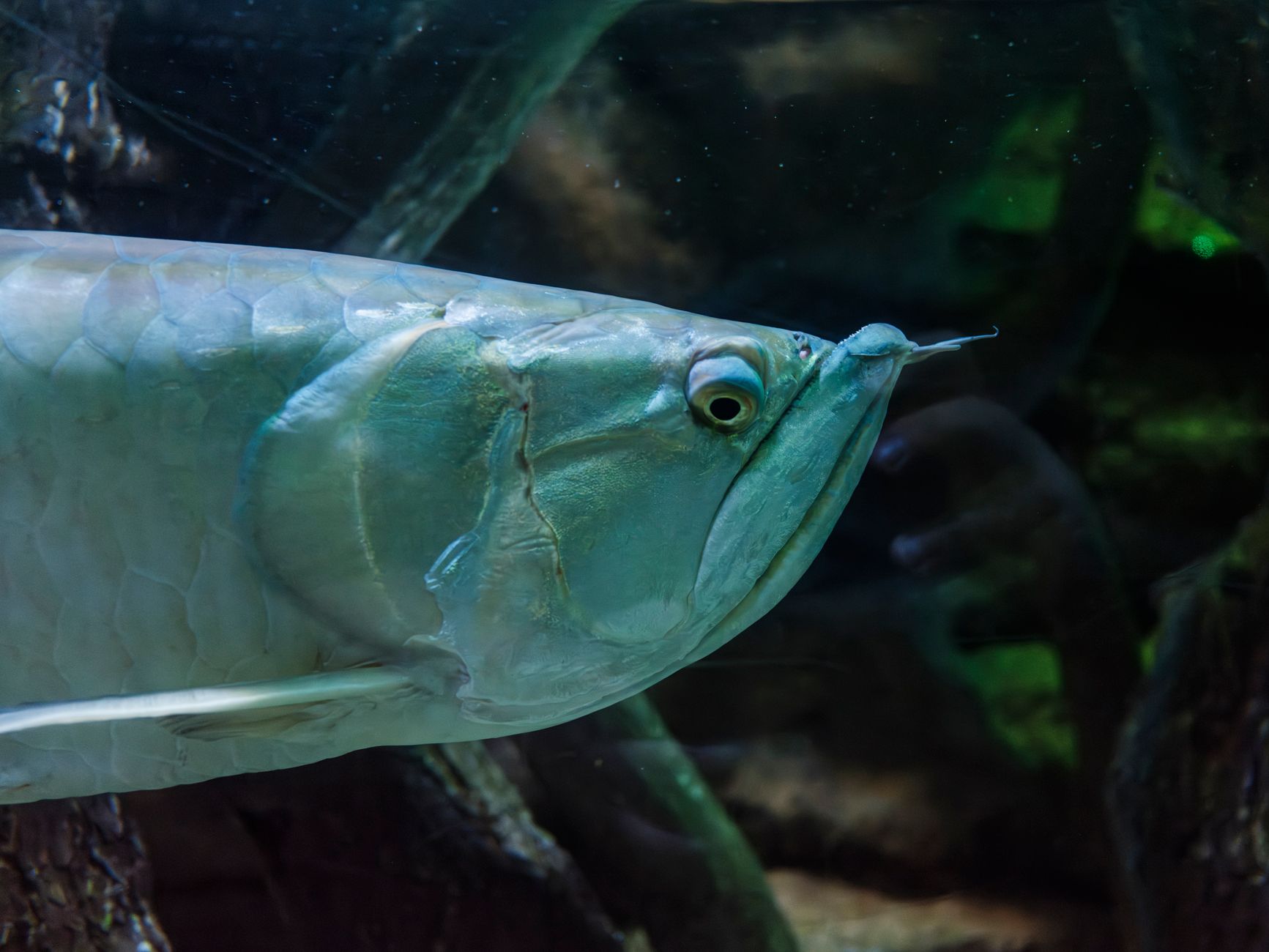
Oxygen is essential for aquatic life. Just like humans, fish need oxygen to breathe. The amount of oxygen dissolved in the water (dissolved oxygen or DO) determines whether your fish can thrive or merely survive. Maintaining a healthy DO level is one of the most crucial aspects of fishkeeping.
How many fish can you put in a 200 gallon tank?
Can I put pink Himalayan salt in a fish tank?
How long does it take molly fish to give birth?
What fish is Flo?
Factors Affecting Oxygen Levels
Numerous factors influence how long oxygen lasts in a fish tank. These include:
- Tank Size: Larger tanks generally have a greater capacity for dissolved oxygen than smaller tanks.
- Fish Stocking Density: Overcrowding leads to increased oxygen consumption and waste production, rapidly depleting oxygen.
- Water Temperature: Warmer water holds less dissolved oxygen than cooler water.
- Surface Agitation: Movement at the water’s surface promotes gas exchange, allowing oxygen from the air to dissolve into the water.
- Filtration: A good filter not only removes waste but also aids in oxygenation through surface agitation.
- Live Plants: Plants produce oxygen during the day through photosynthesis, but they also consume oxygen at night.
- Lighting: The amount and duration of light exposure affect plant photosynthesis. Insufficient light can lead to reduced oxygen production from plants.
- Organic Waste: Decaying organic matter consumes oxygen as bacteria break it down.
Signs of Low Oxygen Levels
Recognizing the signs of low oxygen is crucial for preventing fish death. Common signs include:
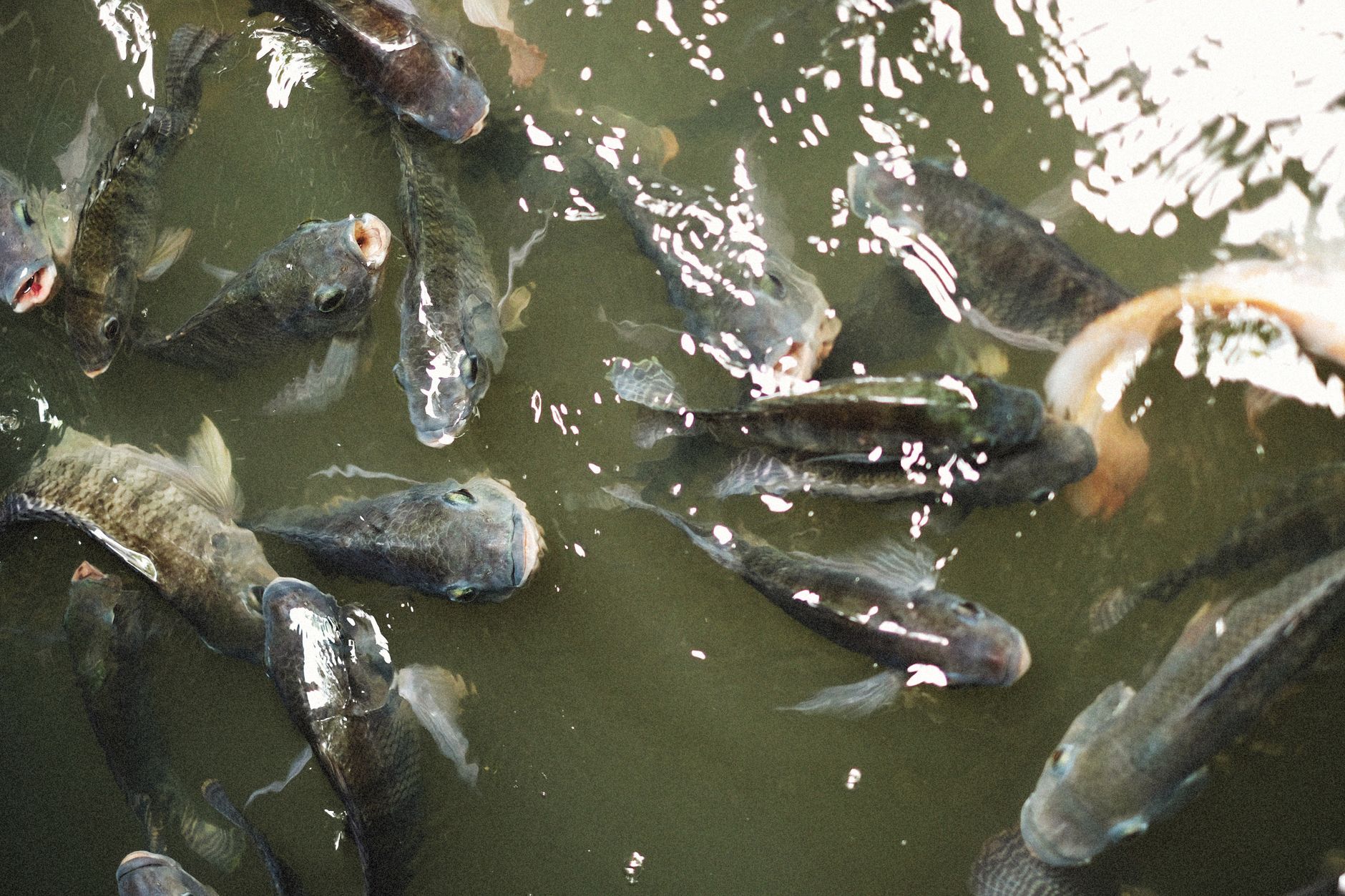
- Gasping at the Surface: Fish may swim to the surface and gasp for air, indicating they are struggling to get enough oxygen.
- Rapid Gill Movement: Fish may exhibit unusually rapid gill movement as they attempt to extract more oxygen from the water.
- Lethargy: Fish may become sluggish and inactive, spending most of their time at the bottom of the tank.
- Loss of Appetite: Oxygen deprivation can reduce a fish’s appetite.
- 聚集: 鱼可能会聚集在过滤器或水流周围,因为这些区域溶解氧水平更高。
- Sudden Fish Deaths: A sudden and unexplained die-off can indicate a severe oxygen depletion.
Improving Oxygen Levels in Your Fish Tank
Several strategies can help improve and maintain adequate oxygen levels in your aquarium:
- Use an Air Pump and Air Stone: Air pumps and air stones increase surface agitation, promoting gas exchange.
- Add a Powerhead: Powerheads create water circulation, enhancing surface agitation and distributing oxygen throughout the tank.
- Maintain Regular Water Changes: Water changes remove organic waste and replenish oxygenated water.
- Add Live Plants: Live plants produce oxygen during photosynthesis, but remember they consume oxygen at night.
- Avoid Overfeeding: Overfeeding leads to excess organic waste, which consumes oxygen as it decomposes.
- Ensure Proper Filtration: A well-maintained filter removes waste and provides surface agitation.
- Lower the Water Temperature: If possible, lower the water temperature to increase the oxygen-holding capacity of the water. (within species tolerance)
- Reduce Stocking Density: Avoid overcrowding your tank; less fish means less oxygen consumption.
The Role of Plants: Oxygen Production vs. Consumption
While live plants are beneficial for oxygenating your tank during the day, it’s essential to understand their dual role.
| Time of Day | Process | Oxygen Production/Consumption |
|---|---|---|
| :———- | :———– | :————————— |
| Day | Photosynthesis | Production |
| Night | Respiration | Consumption |
Therefore, consider the balance between plant mass, lighting, and fish population when relying on plants for oxygenation.
Emergency Measures for Low Oxygen
If you suspect your fish are suffering from low oxygen, take immediate action:
- Perform a Partial Water Change: Replace about 25% of the tank water with fresh, dechlorinated water.
- Increase Surface Agitation: Use an air pump, air stone, or powerhead to immediately boost oxygen levels.
- Reduce the Water Temperature: If possible, carefully lower the water temperature.
- Remove any Dead Fish: Decaying organic matter consumes oxygen, so remove any dead fish promptly.
Summary
To reiterate, how long oxygen lasts in a fish tank can vary dramatically. Several factors affect oxygen levels, but proactive aquarium maintenance can greatly improve the sustainability of aquatic life.
Frequently Asked Questions (FAQs)
How long can fish survive without oxygen in a fish tank?
Fish survival without oxygen varies greatly depending on the species, size, and environmental conditions. Some fish can only survive for a few hours in oxygen-depleted water, while others can tolerate low oxygen levels for longer periods, perhaps up to a day. However, prolonged oxygen deprivation will ultimately lead to death.
Can too much oxygen in a fish tank be harmful?
Yes, although rare, excessively high oxygen levels (supersaturation) can be harmful. This condition can cause gas bubble disease, where gas bubbles form in the fish’s tissues, leading to various health problems and even death. However, this is usually only a concern when using specialized oxygenation equipment.
What is the ideal dissolved oxygen level for a freshwater aquarium?
The ideal dissolved oxygen (DO) level for most freshwater aquarium fish is between 6 and 8 parts per million (ppm). Maintaining DO levels within this range will ensure that your fish have sufficient oxygen to thrive.
Does the type of substrate affect oxygen levels in a fish tank?
Yes, the type of substrate can indirectly affect oxygen levels. Substrates that trap large amounts of organic waste, such as fine sand, can contribute to lower oxygen levels as the waste decomposes. Gravel is often a better choice as it allows for better water circulation and prevents waste buildup.
How does temperature affect oxygen levels in a fish tank?
Water temperature and oxygen levels have an inverse relationship. As water temperature increases, its ability to hold dissolved oxygen decreases. Conversely, as water temperature decreases, its ability to hold dissolved oxygen increases.
How often should I do water changes to maintain healthy oxygen levels?
Regular water changes are essential for maintaining healthy oxygen levels. A general rule of thumb is to perform a 25% water change every one to two weeks, depending on the size of your tank, fish stocking density, and other factors.
Can I use hydrogen peroxide to add oxygen to my fish tank?
While hydrogen peroxide (H2O2) can be used to temporarily increase oxygen levels in a fish tank, it is generally not recommended for regular use. The dosage must be precise to avoid harming your fish, and it can have negative side effects on the biological filter. Safer and more sustainable methods like air pumps and water changes are preferable.
What is a good indicator of low oxygen levels in a planted tank?
In a planted tank, one indicator of low oxygen levels is poor plant growth. While the plants produce oxygen during the day, if oxygen becomes depleted at night due to respiration, plants may suffer, in addition to the fish. Algae bloom is another common result of the imbalance. Also, look for fish gasping at the surface in the early morning before the plants begin producing oxygen.
How can I measure the dissolved oxygen level in my fish tank?
You can measure the dissolved oxygen level using a dissolved oxygen test kit or a digital DO meter. Test kits are relatively inexpensive and easy to use, while DO meters provide more accurate readings. Both options are available at most aquarium supply stores.
Does the size and shape of my fish tank affect oxygen levels?
Yes, both the size and shape of the fish tank can affect oxygen levels. A larger tank generally has a greater surface area, which allows for more gas exchange. A wider, shallower tank will have a larger surface area-to-volume ratio compared to a tall, narrow tank, which can help to improve oxygenation.
What are some fish species that can tolerate low oxygen levels?
Some fish species are more tolerant of low oxygen levels than others. Examples include bettas, gouramis, and catfish, many of which have adapted to survive in oxygen-poor environments. However, even these hardy species will eventually suffer if oxygen levels are too low for too long.
Are battery-operated air pumps a good solution for power outages to keep oxygen levels up?
Yes, battery-operated air pumps are an excellent emergency solution for maintaining oxygen levels during a power outage. These pumps can provide vital oxygenation to your fish until power is restored. It’s a good idea to have one on hand in case of emergencies.