

How Long Do Baby Raccoons Stay With Mom?
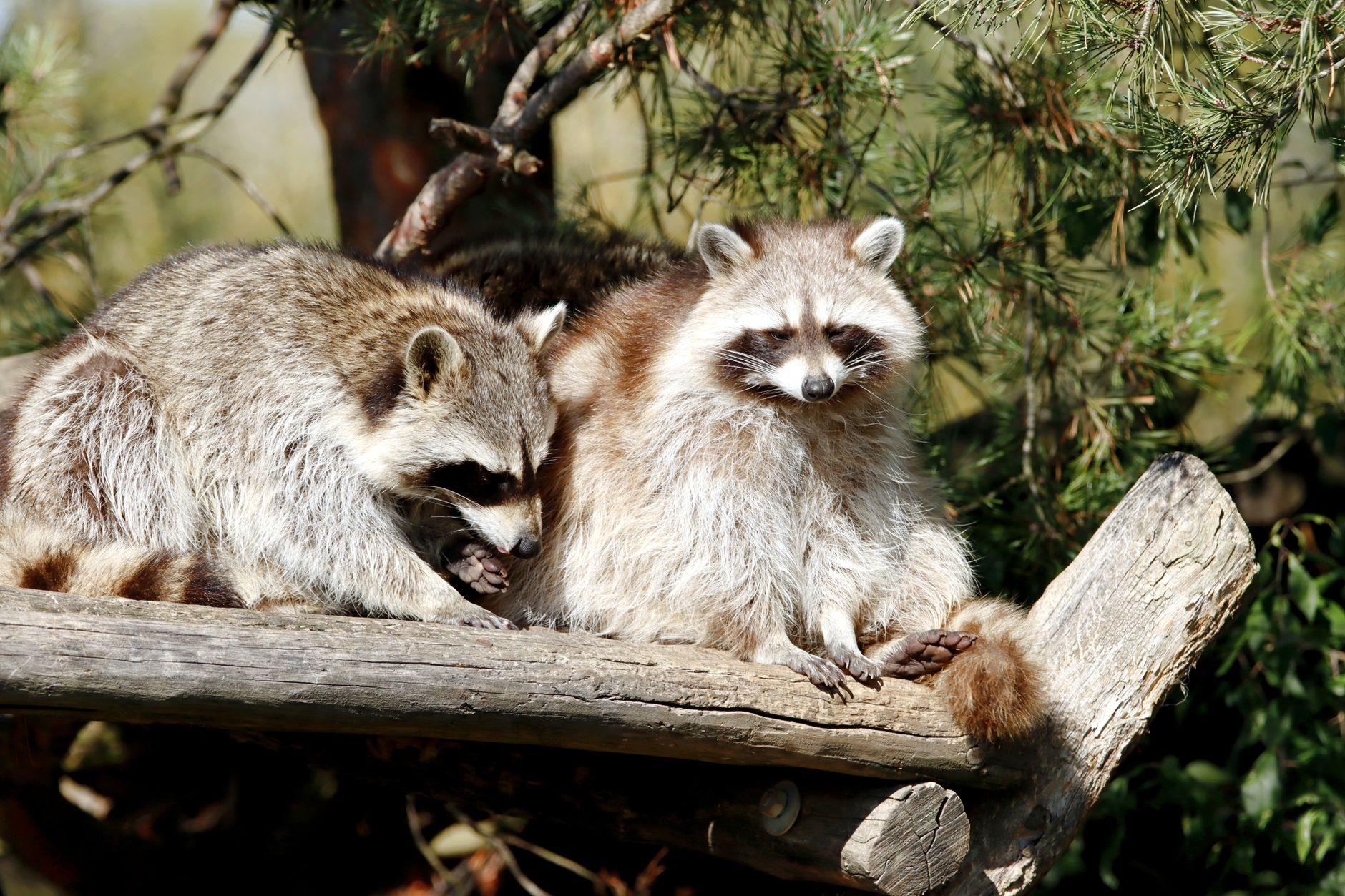
Baby raccoons, also known as kits, typically stay with their mother for approximately one year. This extended maternal care is crucial for their survival and development in the wild.

The Raccoon Family Dynamic: A Foundation for Survival
Raccoons are fascinating creatures, highly adaptable and intelligent, and their family life plays a significant role in their success. Understanding how long do baby raccoons stay with mom is crucial for wildlife enthusiasts, homeowners, and anyone concerned with raccoon conservation. The bond between a mother raccoon, or sow, and her kits is intense and dedicated. This bond ensures the survival of the young raccoons as they learn the skills necessary to thrive independently.
What colours are fish most attracted to?
Can you put your finger in a trout's mouth?
Is methylene blue anti bacterial?
Does aquarium salt raise pH in aquarium?
The First Months: Dependence and Development

The first few months of a baby raccoon’s life are a period of intense dependence. Born blind and helpless, kits rely entirely on their mother for warmth, food, and protection.
- Newborn Stage: Kits are born in the spring, usually in April or May, in a den. They are blind, deaf, and covered in a fine fur.
- Early Development: Their eyes open around three weeks old, and they begin to explore their surroundings within the den.
- Nursing Period: The kits nurse for several months, gradually transitioning to solid food that the mother brings to the den.
Learning the Ropes: Skills and Independence
As the kits grow, the mother teaches them essential survival skills, preparing them for life on their own. This learning process is critical in determining how long do baby raccoons stay with mom.
- Foraging Techniques: The mother raccoon demonstrates how to find food, teaching the kits to hunt for insects, fruits, and other resources.
- Climbing and Navigation: Kits learn to climb trees, navigate their environment, and find shelter.
- Socialization and Communication: They learn to interact with each other and communicate through various vocalizations and body language.
The Separation Process: From Dependence to Independence
The transition to independence is gradual. Even after the kits are capable of foraging on their own, they will continue to stay with their mother for support and protection.
- Staying Together: Even through the winter, the family unit often remains together, sharing a den for warmth and safety.
- Gradual Dispersal: As the following spring approaches, the kits begin to venture out on their own more frequently, gradually becoming more independent.
- Complete Independence: By the time the mother is ready to give birth to a new litter, the previous year’s kits are typically fully independent and have established their own territories. The answer to “How long do baby raccoons stay with mom?” is essentially until the next breeding season.
Factors Influencing Separation Time
Several factors can affect how long do baby raccoons stay with mom.
- Food Availability: Scarce food resources might encourage earlier dispersal as kits compete with their mother for sustenance.
- Environmental Conditions: Harsh weather or habitat loss could prompt the family to stay together longer for mutual support.
- Individual Variation: Some kits might be more independent than others and leave the family unit earlier.
Misconceptions About Baby Raccoons
It’s easy to have some misconstrued ideas about baby raccoons. Some people may think they need rescuing when in reality, their mom is simply out foraging for food.
- Abandoned Kits: Often, people assume a lone baby raccoon has been abandoned. The mother is likely nearby and will return.
- Rabies Risk: While raccoons can carry rabies, it’s important to remember that not all raccoons are rabid. It is never appropriate to approach or handle a raccoon, especially if it appears ill or is behaving strangely.
- Easy Pets: Raccoons are wild animals and are not suitable as pets. They require specialized care and can be destructive and unpredictable.
Table: Raccoon Development Timeline
| Stage | Age | Characteristics |
|---|---|---|
| Newborn | 0-3 weeks | Blind, deaf, dependent on mother for warmth and nourishment |
| Early Development | 3-8 weeks | Eyes open, starts exploring den, begins consuming solid food |
| Learning | 2-6 months | Learns foraging, climbing, and social skills from mother |
| Independence | 6-12 months | Gradually becomes independent, may stay with family through winter, disperses in spring |
Frequently Asked Questions (FAQs)
How long is a raccoon pregnant?
The gestation period for raccoons is approximately 63 days. They typically give birth to a litter of 2-5 kits in the spring.
What do baby raccoons eat?
For the first few months, baby raccoons rely entirely on their mother’s milk. As they grow, they are gradually introduced to solid foods like insects, fruits, nuts, and small animals. The mother brings these foods to the den.
When do baby raccoons start to explore outside the den?
Kits typically start venturing outside the den at around 8-10 weeks old. They will initially stay close to their mother and gradually explore further as they gain confidence.
Are baby raccoons dangerous?
While baby raccoons are generally not aggressive, they are still wild animals and should not be handled. They may bite or scratch if they feel threatened. It is always best to observe them from a distance and avoid any direct contact.
What should I do if I find a baby raccoon alone?
If you find a baby raccoon alone, the best course of action is to observe it from a distance for several hours. The mother is likely nearby and will return to care for it. Only intervene if the kit appears injured or distressed or if you are absolutely certain the mother is deceased. Contact a local wildlife rehabilitator for assistance.
How can I prevent raccoons from denning on my property?
To prevent raccoons from denning on your property, seal any potential entry points to your attic, shed, or under your deck. Keep your yard clean and remove any potential food sources, such as pet food or garbage.
Do male raccoons help raise the young?
No, male raccoons do not typically participate in raising the young. The mother raccoon is solely responsible for caring for and protecting her kits.
What is the average lifespan of a raccoon?
In the wild, raccoons typically live for 2-3 years. In captivity, they can live much longer, sometimes up to 20 years.
What are some signs that a baby raccoon is sick or injured?
Signs of a sick or injured baby raccoon include lethargy, weakness, difficulty breathing, visible injuries, or unusual behavior. If you observe any of these signs, contact a wildlife rehabilitator immediately.
Can I raise a baby raccoon as a pet?
It is generally illegal and unethical to raise a wild raccoon as a pet. Raccoons are wild animals and require specialized care that most people cannot provide. Furthermore, they can carry diseases and can be destructive and unpredictable.
What are the common threats to baby raccoons?
Common threats to baby raccoons include predators such as owls, foxes, and coyotes, as well as starvation, disease, and human interference. Habitat loss and vehicle collisions are also significant threats.
What is the best time of year to avoid raccoon problems?
Knowing how long do baby raccoons stay with mom helps determine when problems may arise. The best time of year to prevent raccoon problems is during the late summer and fall, after the kits have dispersed and before the next breeding season begins. Sealing potential entry points and removing food sources during this time can help prevent raccoons from denning on your property the following spring.