
How Long Can Marine Iguanas Stay Underwater? Unveiling the Secrets of Galápagos’ Diving Reptiles
Marine iguanas can typically stay underwater for 3-5 minutes, though some individuals have been recorded holding their breath for over an astonishing hour in extreme circumstances.

Introduction: Galápagos’ Unique Underwater Dwellers
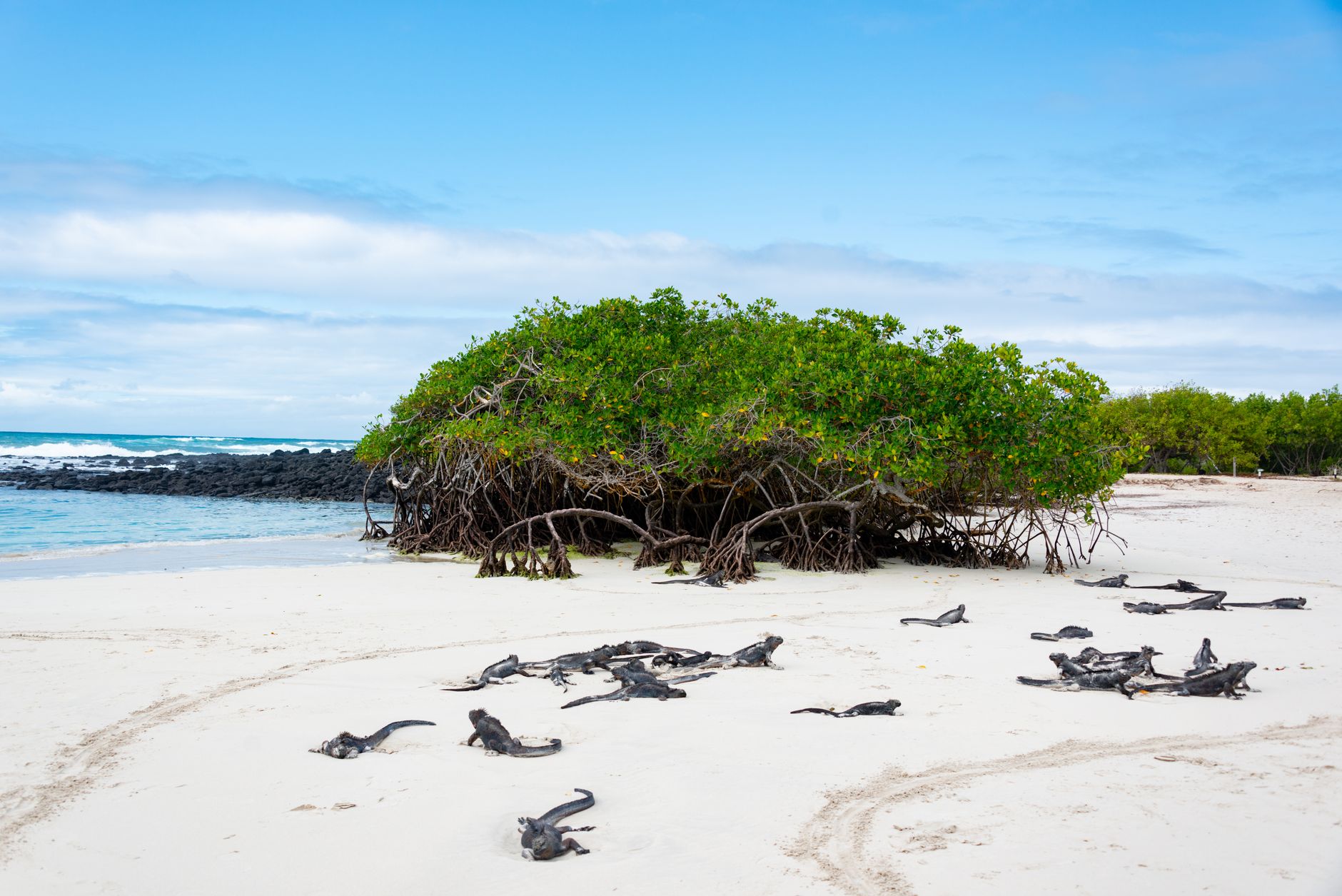
The Galápagos Islands, a volcanic archipelago teeming with unique wildlife, are home to the world’s only lizard that forages in the ocean: the marine iguana (Amblyrhynchus cristatus). These fascinating reptiles, often seen basking on black lava rocks, possess remarkable adaptations that allow them to thrive in a marine environment. One of the most captivating aspects of their biology is their ability to dive and feed on algae in the cold waters surrounding the islands. How long can marine iguanas stay underwater? The answer is more complex than a simple number, involving factors like size, water temperature, and activity level.

What colours are fish most attracted to?
Can you put your finger in a trout's mouth?
Is methylene blue anti bacterial?
Does aquarium salt raise pH in aquarium?
Physiological Adaptations for Diving

Marine iguanas possess several remarkable physiological adaptations that enable them to stay submerged for extended periods. Understanding these adaptations is crucial for appreciating their diving capabilities.
-
Slowed Heart Rate (Bradycardia): When diving, marine iguanas dramatically reduce their heart rate. This conserves oxygen by decreasing the energy demands of the body.
-
Blood Shunting: Blood flow is redirected away from non-essential organs and towards the brain, heart, and muscles, ensuring that these critical tissues receive a sufficient oxygen supply.
-
Oxygen Storage: Marine iguanas have a higher blood volume per body weight than terrestrial lizards, allowing them to store more oxygen in their blood.
-
Metabolic Suppression: They can suppress their metabolic rate, further reducing oxygen consumption during dives.
Factors Influencing Dive Duration
Several factors influence how long can marine iguanas stay underwater.
-
Water Temperature: Cold water increases metabolic rate, shortening dive duration. Warmer water allows for longer dives.
-
Size and Age: Larger iguanas tend to have a greater oxygen storage capacity and can typically stay underwater longer than smaller juveniles.
-
Activity Level: Foraging or escaping predators requires more energy and therefore reduces dive duration. Resting underwater requires far less.
-
Depth: Diving to greater depths increases the pressure, potentially affecting dive duration, though this is less significant for marine iguanas as they typically forage in relatively shallow waters.
Diving Behavior and Foraging Strategies
Marine iguanas typically forage in the intertidal and subtidal zones, grazing on algae growing on rocks. Their diving behavior is closely tied to tidal cycles and water temperature. They prefer to forage during low tide when algae are more accessible and the water is warmer.
-
Typical Dive: A typical foraging dive lasts between 3 and 5 minutes.
-
Exceptional Dives: In some cases, particularly when resting or escaping predators, marine iguanas have been observed to stay underwater for much longer, even up to an hour. These extended dives are rare and likely represent extreme situations.
Conservation Concerns and the Impact of Environmental Changes
The marine iguana population faces several threats, including climate change, pollution, and introduced species. Rising sea temperatures can affect algae growth, reducing their food source. Oil spills and other forms of pollution can directly harm the iguanas. Introduced predators, such as dogs and cats, can prey on them, especially juveniles. Understanding the impacts of these threats on their diving behavior and overall survival is crucial for effective conservation efforts.
How long can marine iguanas stay underwater? is important information, but so too is the context of these factors on a population in danger.
Documented Dive Durations
The following table summarizes observed dive durations for marine iguanas:
| Dive Type | Average Duration | Maximum Recorded Duration |
|---|---|---|
| Foraging Dive | 3-5 minutes | 10-15 minutes |
| Resting/Escape Dive | Variable | Up to 60 minutes |
Why is diving important for survival?
Diving is the core of their survival. The marine iguana’s unique ability to access algae-based food sources sets it apart from terrestrial lizards and allows it to thrive in the harsh Galápagos environment. Without their diving capabilities, they would not be able to find adequate food and would struggle to compete with other species.
Common Misconceptions About Marine Iguana Diving
There are several common misconceptions about the diving abilities of marine iguanas. One is that they are equally capable of long dives at any time. In reality, dive duration varies significantly depending on the factors mentioned above. Another misconception is that all marine iguanas regularly dive for extended periods. While some individuals may be capable of longer dives, most dives are relatively short.
Frequently Asked Questions (FAQs)
What is the average dive depth for marine iguanas?
Marine iguanas typically forage in shallow waters, with most dives occurring at depths of 1-5 meters. They are not deep-diving animals, and their physiological adaptations are geared towards relatively short, shallow dives.
Do marine iguanas drink saltwater?
No, marine iguanas do not drink saltwater. They have special nasal glands that allow them to excrete excess salt from their bodies, which they ingest while feeding on algae. This adaptation is crucial for survival in a marine environment. They then violently sneeze the salt out!
How do marine iguanas regulate their body temperature after diving?
After diving in cold water, marine iguanas bask in the sun on rocks to warm up. Their dark coloration helps them absorb heat quickly. This behavior is essential for maintaining their body temperature and preventing hypothermia. Regulating body temperature is crucial for their survival.
Are all marine iguanas good divers?
While all marine iguanas possess the adaptations necessary for diving, some individuals are more proficient divers than others. Factors such as age, experience, and body condition can influence their diving abilities. Experience also plays a large part.
What do marine iguanas eat while underwater?
Marine iguanas primarily feed on algae that grow on rocks in the intertidal and subtidal zones. Different populations of marine iguanas may specialize in different types of algae, depending on their availability.
Do marine iguanas face any threats while diving?
Marine iguanas can face several threats while diving, including predators such as sharks and sea lions. They are also vulnerable to strong currents and entanglement in marine debris. Younger iguanas are even more vulnerable.
How do marine iguanas find their way back to the surface after a dive?
Marine iguanas likely rely on a combination of visual cues and spatial memory to navigate underwater and return to the surface. They may also use the position of the sun or landmarks on the shore to orient themselves. They have excellent spatial awareness.
Can marine iguanas dive at night?
Marine iguanas rarely dive at night. They are primarily diurnal animals, meaning they are active during the day. Diving at night would be riskier due to reduced visibility and increased predation risk.
Does pollution affect the diving abilities of marine iguanas?
Pollution, such as oil spills and plastic debris, can negatively affect the diving abilities of marine iguanas. Oil can contaminate their food source and impair their ability to regulate their body temperature. Plastic debris can entangle them and restrict their movement.
How does climate change impact marine iguanas and their diving behavior?
Climate change is a major threat to marine iguanas. Rising sea temperatures can reduce the abundance of algae, their primary food source, forcing them to dive for longer periods and expend more energy. This, in turn, affects their diving ability.
What research is being done to better understand marine iguana diving capabilities?
Researchers are using various techniques, including biologging and remote sensing, to study the diving behavior of marine iguanas. These studies are providing valuable insights into their physiological adaptations, foraging strategies, and responses to environmental changes.
Are marine iguanas endangered because of their reliance on diving?
While their reliance on diving doesn’t directly make them endangered, their dependence on the marine environment increases their vulnerability to threats such as climate change, pollution, and habitat destruction, all of which impact their ability to dive effectively and access food.