
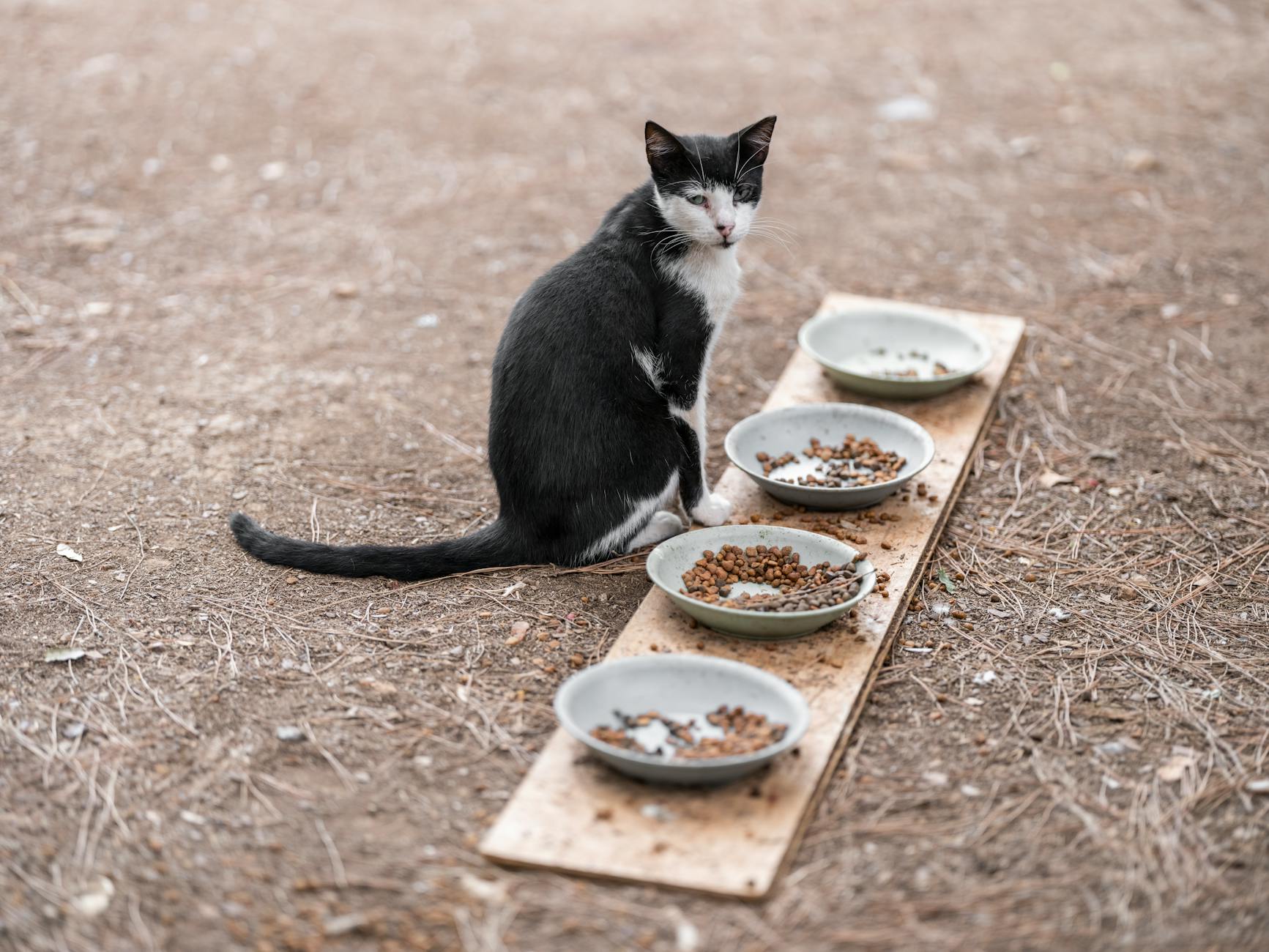
How Long Can Cats Go Without Eating? The Feline Food Fasting Question
A healthy adult cat can typically survive for no more than one to two days without food before experiencing serious health consequences. However, any period without eating should be closely monitored by a veterinarian.

Understanding Feline Fasting: A Critical Overview
The question of “How long can cats go without eating?” is a critical one for every cat owner. While humans can survive relatively extended periods without food, cats are physiologically different. Their bodies are not adapted to prolonged fasting, and going without sustenance for even a short period can lead to serious, even life-threatening, health problems. This article delves into the reasons behind this vulnerability, exploring the potential risks and providing guidance on how to handle situations where your feline friend refuses to eat.

What colours are fish most attracted to?
Can you put your finger in a trout's mouth?
Is methylene blue anti bacterial?
Does aquarium salt raise pH in aquarium?
The Dangers of Feline Anorexia

The term “anorexia” in cats refers to a loss of appetite or complete refusal to eat. It’s crucial to distinguish this from simply being a picky eater. Anorexia can stem from various underlying causes, ranging from dental issues and infections to more serious organ diseases like kidney failure or pancreatitis. Regardless of the cause, anorexia quickly becomes a medical emergency due to the risk of hepatic lipidosis.
Hepatic Lipidosis: A Cat’s Silent Killer
Hepatic lipidosis, also known as fatty liver disease, is a potentially fatal condition that develops when a cat goes without food. When the body senses starvation, it mobilizes fat stores to provide energy. In cats, however, the liver is not efficient at processing large amounts of fat. This leads to an accumulation of fat within the liver cells, impairing liver function and eventually leading to liver failure.
- Hepatic lipidosis can develop surprisingly quickly, often within 48-72 hours of food refusal.
- Symptoms include jaundice (yellowing of the skin and eyes), lethargy, vomiting, and loss of appetite (further exacerbating the problem).
- Early diagnosis and aggressive treatment are essential for survival.
Factors Affecting Food Deprivation Tolerance
Several factors influence “How long can cats go without eating?” before significant health problems arise:
- Age: Kittens are far more vulnerable to the effects of fasting than adult cats. Their small bodies have fewer reserves, and their metabolic rate is higher. Senior cats may also have underlying health conditions that make them more susceptible.
- Weight: Overweight cats are more prone to developing hepatic lipidosis because they have more fat stores to mobilize. However, even normal-weight or underweight cats can develop the condition.
- Underlying Health Conditions: Cats with existing health problems, such as diabetes, kidney disease, or hyperthyroidism, are at increased risk when they stop eating.
- Hydration: Dehydration can worsen the effects of starvation. Cats need access to fresh water at all times.
- Stress: Stress can suppress a cat’s appetite and contribute to food refusal.
Recognizing the Signs of Food Refusal and When to Seek Help
It’s essential to monitor your cat’s eating habits closely. Contact your veterinarian immediately if you notice any of the following:
- Refusal to eat for more than 24 hours.
- Lethargy or weakness.
- Vomiting or diarrhea.
- Changes in drinking habits.
- Weight loss.
- Jaundice (yellowing of the skin, eyes, or gums).
Encouraging Your Cat to Eat
If your cat is refusing food, try the following to stimulate their appetite:
- Offer a variety of palatable foods, such as wet food, tuna (in water, occasionally), or baby food (meat-based, with no onion or garlic).
- Warm the food slightly to enhance its aroma.
- Hand-feed your cat small amounts of food.
- Try using a different bowl or placing the food in a different location.
- Reduce stress in your cat’s environment.
- Consult with your veterinarian about appetite stimulants.
Preventive Measures
Proactive care is the best defense against feline anorexia.
- Provide a consistent and balanced diet.
- Ensure access to fresh water at all times.
- Schedule regular veterinary checkups.
- Monitor your cat’s eating habits and weight.
- Minimize stress in your cat’s environment.
Frequently Asked Questions
What is the difference between anorexia and being a picky eater?
Anorexia is a complete refusal to eat, often due to an underlying medical condition. Picky eaters, on the other hand, will eat some foods but may have strong preferences and refuse others. If your cat suddenly becomes very picky, it’s important to rule out any medical causes.
Can a cat survive longer without food if it’s drinking water?
While water is essential for survival, it cannot compensate for a lack of nutrients. Dehydration exacerbates the negative effects of starvation. So even if your cat drinks water, a prolonged period without food will still lead to serious health problems, particularly hepatic lipidosis. Hydration alone is not enough.
What are the common causes of anorexia in cats?
The causes are incredibly varied, including: dental problems (pain prevents eating), infections (viral or bacterial), gastrointestinal issues (inflammation, blockages), kidney disease, liver disease, pancreatitis, cancer, pain (arthritis, injuries), stress, and changes in diet or environment. A vet visit is crucial to determine the root cause.
How quickly can hepatic lipidosis develop in cats?
Hepatic lipidosis can develop rapidly, sometimes within 48 to 72 hours of complete food refusal. The exact timeline can vary depending on the cat’s overall health and weight. Early intervention is paramount.
Are there any medications that can help stimulate a cat’s appetite?
Yes, several appetite stimulants are available for cats. These medications work by stimulating the appetite center in the brain or by reducing nausea. However, they should only be used under the guidance of a veterinarian, as they do not address the underlying cause of the anorexia. Appetite stimulants are a temporary solution.
What is the treatment for hepatic lipidosis?
The primary treatment involves aggressive nutritional support, often through a feeding tube. Other treatments may include intravenous fluids, antibiotics, and medications to support liver function. Treatment can be expensive and lengthy.
Is hepatic lipidosis always fatal in cats?
No, hepatic lipidosis is not always fatal, but the prognosis depends on the severity of the condition and how quickly treatment is initiated. Early diagnosis and aggressive treatment significantly improve the chances of survival. The sooner you seek help, the better the outcome.
My cat is overweight. Does that mean he can go longer without eating?
While overweight cats have more fat reserves, they are actually more prone to developing hepatic lipidosis. Their bodies mobilize fat more readily, overwhelming the liver’s ability to process it. Obesity does not protect a cat from the dangers of starvation.
What type of baby food is safe for cats?
If using baby food to encourage eating, select meat-based varieties without onion or garlic powder. These ingredients are toxic to cats. Always check the ingredient list carefully.
How can I tell if my cat is dehydrated?
Signs of dehydration include sunken eyes, dry gums, and decreased skin elasticity (when you gently pinch and release the skin on the back of the neck, it returns to its normal position slowly). Dehydration can worsen the effects of starvation.
Can stress cause a cat to stop eating?
Yes, stress is a common cause of anorexia in cats. Changes in environment, new pets, loud noises, or even a change in routine can trigger stress-related food refusal. Minimize stress in your cat’s environment.
How long can a kitten go without eating before it’s an emergency?
Kittens are far more vulnerable than adult cats. A kitten should never go more than 12-24 hours without eating. Lack of nutrition at this age can cause irreversible damage. If a kitten refuses to eat, seek veterinary care immediately.