

How Long Can a Tiger Run Without Stopping: Unveiling the Endurance of the Striped Apex Predator
A tiger’s burst of speed is legendary, but their endurance is surprisingly limited. While they can reach speeds up to 40 mph, a tiger can likely only sustain a full sprint for a very short distance, perhaps only a few hundred yards or for less than a minute.

Understanding the Tiger’s Anatomy and Physiology
The tiger, Panthera tigris, is an apex predator renowned for its power and agility. To understand its running capabilities, we must examine its anatomy and physiology. Their muscular build, powerful legs, and large heart contribute to their explosive speed.
- Muscular System: Tigers possess exceptionally developed leg muscles, essential for generating the force needed for sprinting.
- Cardiovascular System: Their large heart ensures efficient oxygen delivery to the muscles during intense activity.
- Respiratory System: Tigers have a large lung capacity to support the increased oxygen demand during exertion.

Is distilled water good for goldfish?
What colours are fish most attracted to?
Can you put your finger in a trout's mouth?
Is methylene blue anti bacterial?
Factors Influencing Running Endurance
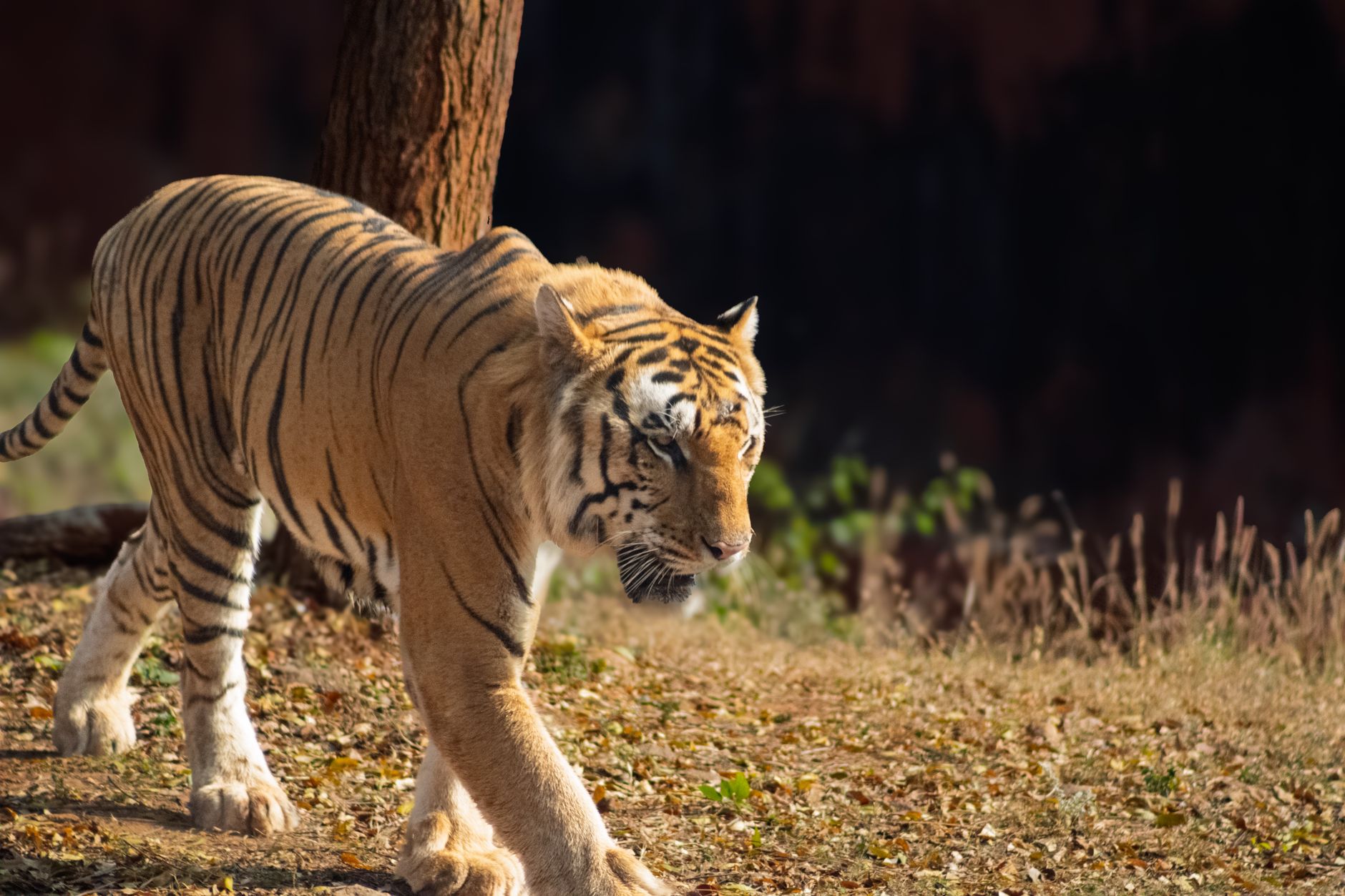
Several factors affect how long can a tiger run without stopping. These include:
- Terrain: Running on uneven or dense terrain significantly reduces endurance compared to open, flat surfaces.
- Age and Health: Older or injured tigers have reduced stamina. Cubs have much less endurance.
- Environmental Conditions: High temperatures and humidity can cause overheating, limiting running time.
- Motivation: If a tiger is fiercely pursuing prey or fleeing a threat, it may push itself harder, albeit for a short duration.
Hunting Strategies and Energy Expenditure
Tigers are ambush predators, relying on stealth and short bursts of speed to capture prey. This strategy minimizes the need for prolonged running. Sustained high-speed running consumes a tremendous amount of energy, and tigers conserve their energy for short, explosive chases.
They typically stalk their prey, getting as close as possible before initiating a sudden attack. A successful ambush often negates the need for an extended chase.
The Cost of High-Speed Running
Sprinting is a highly energy-intensive activity for any animal, including tigers. The rapid muscle contractions generate a significant amount of heat, and the body must work hard to dissipate this heat. Furthermore, anaerobic metabolism (which occurs during sprints) leads to the buildup of lactic acid in the muscles, causing fatigue. This explains why how long can a tiger run without stopping is measured in seconds, not minutes.
Comparative Animal Endurance
To put a tiger’s running endurance into perspective, consider the following:
| Animal | Top Speed (mph) | Approximate Sustainable Running Time (Estimate) |
|---|---|---|
| Tiger | 40 | < 1 minute |
| Cheetah | 70 | < 1 minute |
| Lion | 50 | < 1 minute |
| African Wild Dog | 45 | 10-20 minutes |
| Horse | 55 | Several Hours |
The table demonstrates that tigers, like cheetahs and lions, prioritize speed over endurance. Animals like African Wild Dogs and Horses are better adapted for sustained running.
Scientific Studies and Observations
While dedicated scientific studies on the exact duration of a tiger’s sustained sprint are limited due to the challenges of observing these elusive animals in the wild, anecdotal evidence and observations by wildlife experts suggest that their full-speed runs are typically very short. Camera trap footage and tracking data support this conclusion, showing that tigers typically abandon a chase if they cannot secure their prey quickly.
Conservation Implications
Understanding a tiger’s physical capabilities, including their limited running endurance, is crucial for conservation efforts. This knowledge informs strategies for habitat preservation, ensuring that tigers have sufficient prey and suitable hunting grounds where they can successfully ambush their targets. Knowing that how long can a tiger run without stopping is extremely limited highlights the need to protect and ensure an undisturbed habitat and thriving prey population.
Frequently Asked Questions
How far can a tiger run at its maximum speed?
At its maximum speed of around 40 mph, a tiger can likely only run for a few hundred yards, perhaps less than a quarter of a mile, before needing to rest. Their anaerobic capacity simply doesn’t support longer sprints.
Are tigers better sprinters or long-distance runners?
Tigers are definitely better sprinters than long-distance runners. Their muscular build and hunting style prioritize short bursts of speed over sustained endurance.
Can a tiger outrun a human?
In a short sprint, a tiger can easily outrun a human. The fastest humans reach speeds of around 28 mph, significantly slower than a tiger’s top speed.
What do tigers do when a chase is too long?
If a chase becomes too prolonged, tigers typically abandon the pursuit. They conserve energy and look for a more advantageous hunting opportunity.
Does the type of tiger (e.g., Siberian, Bengal) affect its running ability?
There may be slight variations in running ability between different tiger subspecies due to subtle differences in size and build, but the fundamental principle remains the same: they are sprinters, not marathon runners.
How does a tiger’s hunting strategy impact its need for endurance?
A tiger’s ambush hunting strategy minimizes its need for endurance. It relies on stealth and a sudden burst of speed to surprise and overpower its prey.
What is the role of a tiger’s tail in its running ability?
A tiger’s tail plays a crucial role in maintaining balance and agility during high-speed movements, including running.
How does terrain affect a tiger’s running speed and endurance?
Uneven or dense terrain significantly reduces a tiger’s running speed and endurance. Open, flat terrain is more conducive to high-speed running.
What happens to a tiger’s body during a high-speed run?
During a high-speed run, a tiger’s heart rate and breathing rate increase dramatically to deliver more oxygen to the muscles. Its body temperature also rises, requiring cooling mechanisms to prevent overheating.
How does a tiger cool down after a short, intense burst of running?
Tigers cool down through panting and sweating through their paw pads. They may also seek shade or water to help lower their body temperature.
Can a tiger’s running ability improve with training or conditioning?
While a tiger’s natural athleticism is impressive, it’s unlikely that training could significantly extend its running endurance. Its physiology is inherently geared towards short bursts of speed.
How long can a tiger swim without stopping?
While how long can a tiger run without stopping is limited, they are surprisingly adept swimmers. Tigers have been known to swim for several miles at a time, and are more comfortable in water than many other large cats. This is in stark contrast to their limited running endurance.