
Can You Eat Yellow Jack Fish? A Culinary Exploration
Yes, you can eat yellow jack fish, and it’s often considered a delicious and nutritious option for seafood lovers, provided it’s handled and prepared correctly to avoid potential health risks.

Introduction: The Yellow Jack Enigma
The yellow jack, Carangoides bartholomaei, is a member of the jack family (Carangidae), a group of ray-finned fish known for their speed and agility. Found predominantly in the warm waters of the Atlantic Ocean, from the coast of the Carolinas down to Brazil, and throughout the Caribbean Sea, this fish presents a culinary question mark for many: Can you eat yellow jack fish? This article aims to definitively answer this question, explore the benefits and risks associated with consuming yellow jack, and provide essential guidance on its safe preparation. We’ll delve into the unique characteristics that make yellow jack both a desirable and potentially hazardous food source.

How intelligent are fish?
Are fish heads good for the garden?
Can fish hear water?
What is cotton rot in fish?
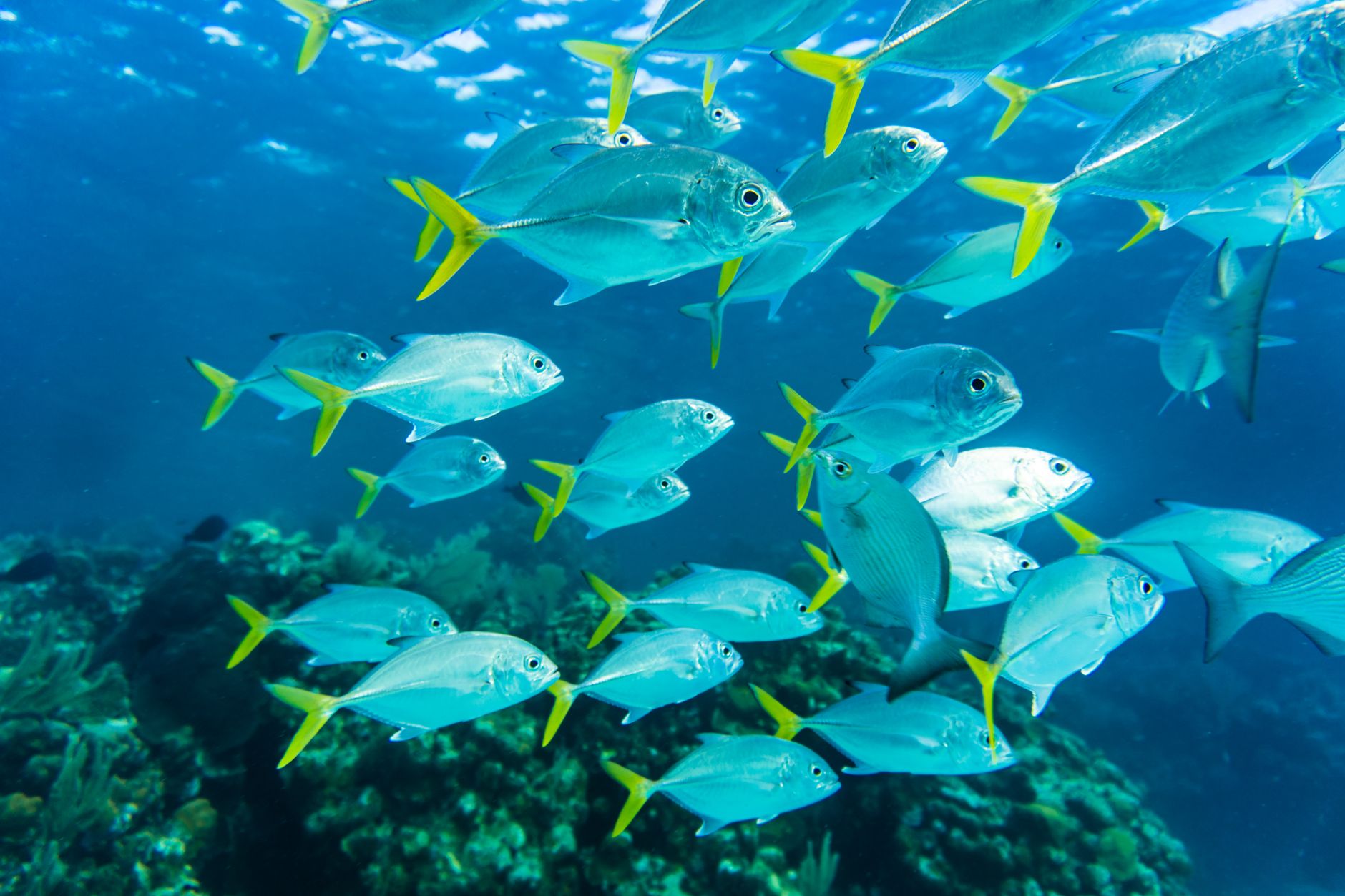
Identifying Yellow Jack Fish

Correct identification is crucial before consumption. Misidentifying fish can lead to consuming species that may be toxic or otherwise unsafe to eat. Yellow jacks are characterized by:
- Color: A distinctive yellowish tint, particularly on their fins and lower body.
- Shape: A streamlined, compressed body ideal for swift movement.
- Size: Typically ranging from 1 to 3 pounds, though they can grow larger.
- Habitat: Inhabiting reefs and coastal waters, often near structure.
Nutritional Benefits of Yellow Jack
If you can eat yellow jack fish, what nutritional benefits do they offer? Like other fish, yellow jack boasts a profile that appeals to health-conscious consumers:
- High in Protein: Essential for muscle building and repair.
- Rich in Omega-3 Fatty Acids: Promotes heart health and reduces inflammation.
- Good Source of Vitamins and Minerals: Including vitamin D, B vitamins, and selenium.
- Low in Fat: A lean protein source for those watching their calorie intake.
Potential Risks: Ciguatera Poisoning
While you can eat yellow jack fish, the primary concern surrounding its consumption is the risk of ciguatera fish poisoning (CFP).
- What is Ciguatera? Ciguatera is a type of food poisoning caused by eating reef fish whose flesh is contaminated with toxins produced by a marine microalgae, Gambierdiscus toxicus. These algae are consumed by small fish, and the toxins accumulate up the food chain.
- Yellow Jack and Ciguatera: Yellow jacks are predatory fish that feed on other reef fish, making them susceptible to accumulating ciguatoxins.
- Symptoms of Ciguatera: Symptoms can include nausea, vomiting, diarrhea, abdominal pain, neurological symptoms (such as tingling, numbness, and temperature reversal), and cardiovascular issues. These symptoms can persist for days, weeks, or even months.
- Severity: The severity of ciguatera poisoning varies depending on the amount of toxin consumed and individual sensitivity.
Minimizing the Risk: Safe Handling and Preparation
Even though can you eat yellow jack fish is answered affirmatively, it is necessary to employ strategies to minimize risk:
- Source: Obtain yellow jack from reputable sources known for following safe fishing practices. Asking local fishermen which spots are known for frequent ciguatera incidents may be a good way to begin to limit risks.
- Size: Smaller yellow jacks are generally considered safer to eat than larger ones, as they have had less time to accumulate toxins.
- Location: Fish caught in areas known to have a high incidence of ciguatera should be avoided.
- Preparation: There is no cooking method that can eliminate ciguatoxins. Some people avoid eating the liver and other organs, as these may concentrate toxins.
Alternative Fish Options
If you are concerned about the risk of ciguatera, consider other fish species that are less likely to be affected:
- Open-Ocean Fish: Tuna, mahi-mahi, and wahoo are generally safer choices.
- Farm-Raised Fish: Properly farmed fish are less likely to be exposed to ciguatoxins.
Is Yellow Jack Worth the Risk? A Matter of Perspective
Ultimately, the decision of whether or not to eat yellow jack fish depends on your individual risk tolerance. While the nutritional benefits are appealing, the potential for ciguatera poisoning is a significant concern. Weighing these factors, along with the availability of safer alternatives, is essential.
Frequently Asked Questions (FAQs)
What does yellow jack fish taste like?
Yellow jack has a mild, slightly sweet flavor with a firm texture. Many compare it favorably to other jack species, considering it less “fishy” tasting than some options. The taste can vary depending on the fish’s diet and habitat.
How can I tell if a yellow jack fish has ciguatera?
Unfortunately, there is no way to visually identify if a yellow jack fish is contaminated with ciguatoxins. The toxins are odorless, tasteless, and undetectable through appearance.
Is cooking the fish thoroughly enough to eliminate the ciguatera toxins?
No, cooking does not eliminate ciguatera toxins. These toxins are heat-stable and unaffected by cooking methods like grilling, frying, or baking.
What should I do if I suspect I have ciguatera poisoning after eating yellow jack?
Seek immediate medical attention. Early treatment can help manage symptoms and prevent complications. Inform your doctor that you suspect ciguatera poisoning and provide details about the fish you ate.
Are certain areas safer to catch yellow jack fish than others?
Yes, the risk of ciguatera varies by location. Areas with a higher prevalence of Gambierdiscus toxicus algae are more likely to have contaminated fish. Local fishermen and marine resource agencies may be able to provide information about high-risk areas.
Can I freeze yellow jack fish to reduce the risk of ciguatera?
Freezing does not eliminate ciguatoxins. Like cooking, freezing has no effect on the stability of the toxins.
Are there any specific symptoms of ciguatera poisoning that are unique to fish other than yellow jack?
The symptoms of ciguatera poisoning are generally the same regardless of the fish species that carries the toxins. Common symptoms include gastrointestinal issues, neurological symptoms, and cardiovascular problems. The severity of symptoms can vary.
Is it safe for pregnant women or children to eat yellow jack fish?
Due to the potential risks of ciguatera poisoning, it’s generally recommended that pregnant women and children avoid eating yellow jack fish.
How long after eating contaminated yellow jack can symptoms of ciguatera appear?
Symptoms typically appear within 30 minutes to 6 hours after consuming contaminated fish, although the onset can vary.
Is ciguatera poisoning fatal?
While ciguatera poisoning is rarely fatal, the symptoms can be severe and debilitating. In rare cases, complications such as respiratory failure or cardiovascular problems can lead to death.
Can ciguatera be transmitted from person to person?
No, ciguatera is not contagious and cannot be transmitted from person to person. It is solely acquired through the consumption of contaminated fish.
Is there a test to determine if a fish is safe to eat before consumption?
While research continues, there is no widely available and reliable test to detect ciguatoxins in fish before consumption. This is why sourcing from reputable sources and understanding the risks associated with different locations are so critical.