

How Long After Hatching Do Baby Birds Fly Away? Understanding Fledgling Timelines
How long after hatching do baby birds fly away? It varies greatly depending on the species, but in general, baby birds typically leave the nest (fledge) anywhere from a few weeks to several months after hatching, with smaller birds usually fledging sooner.
A Bird’s First Flight: Introduction to Fledglinghood
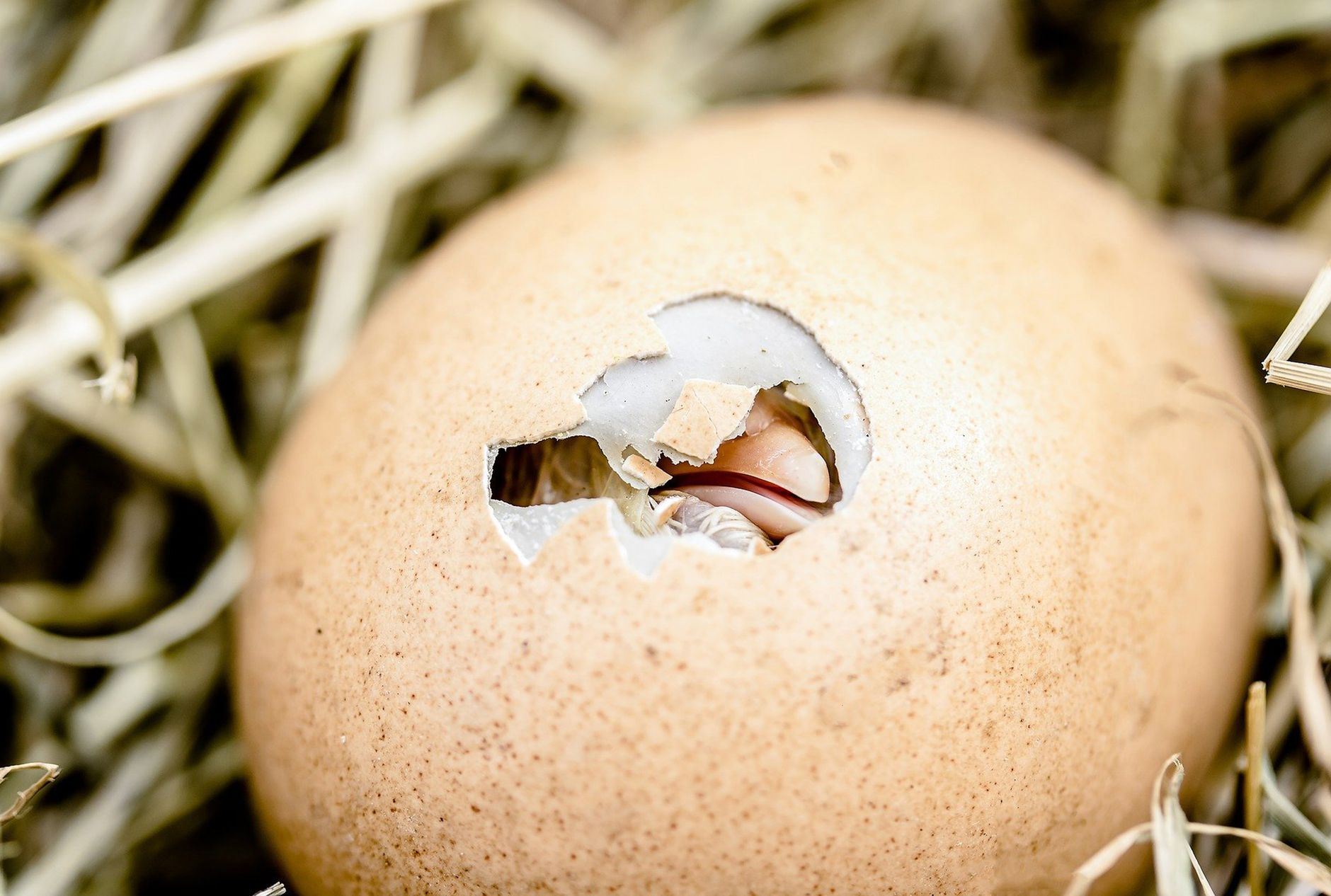
The miracle of bird life, from the fragile egg to the soaring flight of a mature bird, is a captivating process. A crucial stage in this journey is fledglinghood, the period when a young bird leaves the nest and learns to navigate the world on its own. Understanding how long after hatching do baby birds fly away is essential for appreciating avian development and providing appropriate support when necessary. It is important to remember that fledging timelines vary considerably based on species, habitat, and even individual variation.

What colours are fish most attracted to?
Can you put your finger in a trout's mouth?
Is methylene blue anti bacterial?
Does aquarium salt raise pH in aquarium?
Factors Influencing Fledgling Time
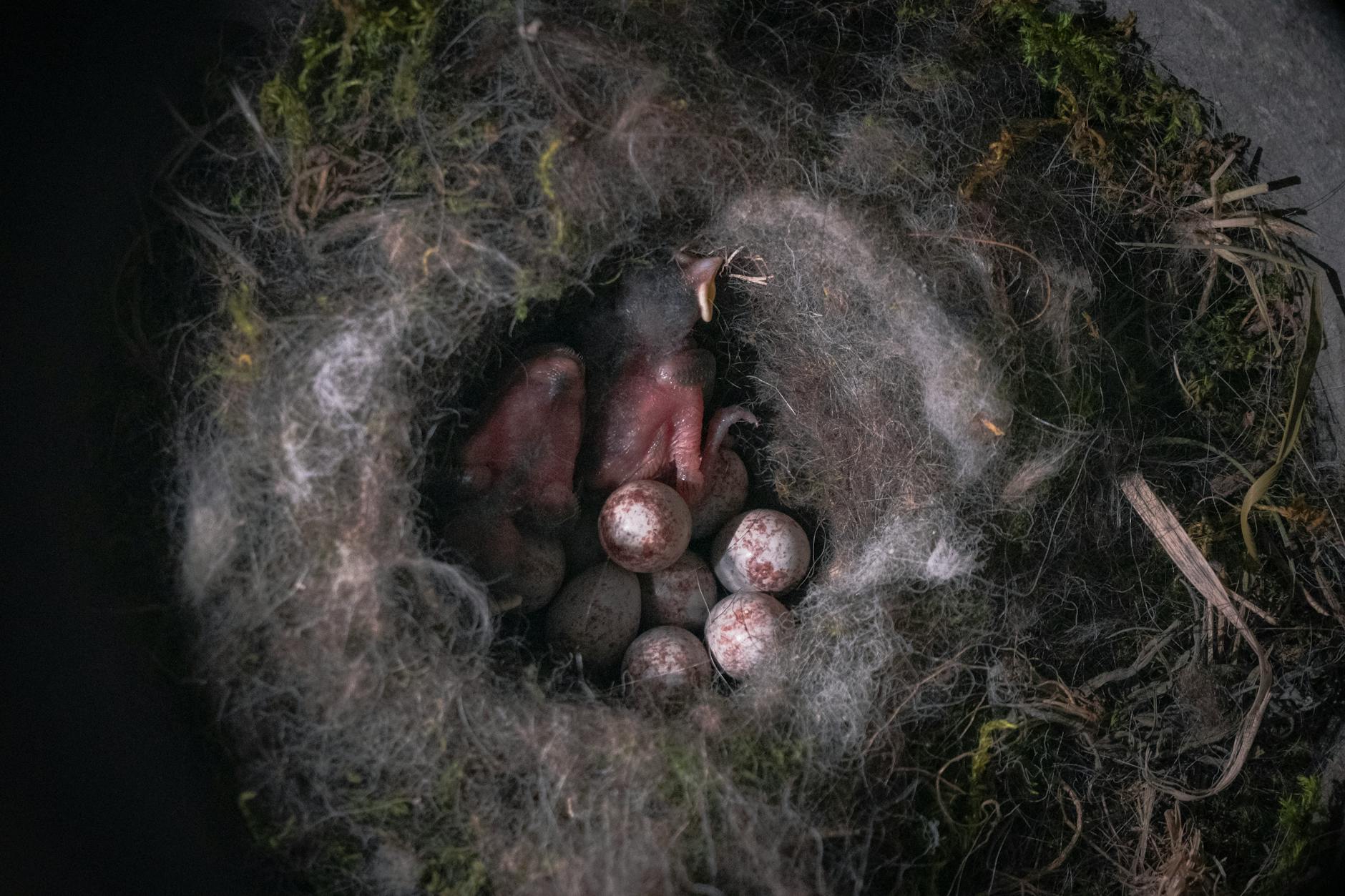
Several factors contribute to the length of time a baby bird remains in the nest before fledging. These factors create the amazing diversity of avian life cycles seen across the globe.
- Species Size: Smaller birds, such as songbirds like robins and sparrows, typically develop faster and fledge sooner than larger birds like eagles or herons.
- Diet: Birds with a diet rich in protein and easily digestible food tend to develop more quickly. This allows them to achieve the necessary muscle strength and feather growth for flight sooner.
- Habitat: Birds nesting in areas with abundant food and fewer predators may have slightly longer fledging periods, allowing them to develop more fully under parental protection. Conversely, those in more dangerous environments may fledge quicker.
- Predation Risk: In areas with high predator pressure, young birds may fledge earlier, even if they are not fully developed, in order to increase their chances of survival. The early departure is at the sacrifice of optimal development.
Fledging Timeline Examples: From Days to Months
The how long after hatching do baby birds fly away question cannot be answered with a single definitive number. The following table illustrates the diverse range of fledging timelines across different bird species.
| Bird Species | Fledging Time (Approximate) | Notes |
|---|---|---|
| :———————- | :————————– | :——————————————————————————————————————— |
| American Robin | 13-15 days | A common backyard bird; relatively quick fledging. |
| House Sparrow | 14-16 days | Highly adaptable species with a similar fledging time to robins. |
| Barn Owl | 50-70 days | Longer fledging period due to larger size and complex hunting skills required. |
| Bald Eagle | 70-98 days | One of the longest fledging times, reflecting the size of the bird and the extensive parental care required. |
| Albatross | 140-280 days | Extremely long fledging time, as they must be able to endure long flights over the ocean without returning to land. |
| Mallard Ducklings | 50-60 days | These ducks leave the nest shortly after hatching, but require about 2 months to fly. |
What Happens After Fledging?
Fledging does not mean the young bird is entirely independent. While they’ve left the nest, they are still reliant on their parents for food and guidance. The fledgling period is a critical learning phase where young birds hone their flying skills, learn to forage for food, and develop social behaviors.
- Learning to Fly: Fledglings often take short, clumsy flights initially. They need time and practice to master the art of flying.
- Parental Guidance: Parents continue to feed and protect their fledglings, teaching them essential survival skills.
- Foraging Skills: Learning to find food is crucial. Parents will demonstrate how to locate insects, seeds, or other food sources.
- Avoiding Predators: Fledglings are vulnerable to predators. Parents teach them how to recognize and avoid dangers.
Common Mistakes When Encountering Fledglings
One common mistake is to assume that a fledgling found on the ground is abandoned and needs rescuing. In most cases, the parents are nearby and still caring for the bird. Intervening unnecessarily can do more harm than good.
- Do Not Immediately Rescue: Observe from a distance. If the bird appears injured or is in immediate danger (e.g., in the middle of a road), then intervention may be necessary.
- Check for Injuries: Look for visible signs of injury, such as broken wings or legs. If injured, contact a local wildlife rehabilitation center.
- Return to Nest (If Possible): If the nest is nearby and accessible, you can gently place the fledgling back in the nest. Birds do not abandon their young based on human scent.
- Create a Safe Space: If the fledgling is in a dangerous location but appears healthy, move it to a nearby, safer spot (e.g., under a bush) where the parents can still find it.
Supporting Local Bird Populations
Understanding bird life cycles and respecting their natural processes is key to their continued survival. Preserving habitats, providing food sources, and educating others about bird conservation are all ways to support local bird populations.
- Plant Native Trees and Shrubs: Native plants provide food and shelter for birds.
- Offer Bird Feeders: Supplement natural food sources, especially during the winter months.
- Provide Water Sources: A birdbath or small pond can be a lifeline for birds, especially during dry periods.
- Keep Cats Indoors: Cats are natural predators of birds, and even well-fed cats can pose a significant threat.
- Reduce Pesticide Use: Pesticides can harm birds directly or indirectly by reducing their food supply.
Frequently Asked Questions About Bird Fledging
Is it normal for a baby bird to be on the ground?
Yes, it is perfectly normal for a fledgling to spend time on the ground as it learns to fly. The parents are usually nearby, continuing to feed and protect the young bird.
What should I do if I find a baby bird on the ground?
Observe from a distance. If it appears healthy and is in a safe location, leave it alone. If it’s injured or in immediate danger, contact a wildlife rehabilitation center.
Can I touch a baby bird? Will its parents reject it?
Birds do not abandon their young based on human scent. If possible, you can gently return a fledgling to its nest.
How can I tell if a baby bird is a fledgling or a nestling?
Fledglings have feathers and can hop or flutter, while nestlings have few or no feathers and are completely dependent on their parents. A fledgling is more mobile and will be trying to move around.
How long do baby birds stay with their parents after fledging?
The duration varies by species, but most fledglings remain with their parents for a few weeks after leaving the nest.
Do all baby birds leave the nest at the same time?
No, each chick may fledge on a slightly different timeline. Usually, it is within the same 24-48 hour window.
What do baby birds eat after they fledge?
Their diet depends on the species, but most are fed insects, seeds, or other foods by their parents until they learn to forage on their own.
How can I protect fledglings from predators?
Keep cats indoors, provide dense shrubs for cover, and avoid using pesticides that can harm their food sources. Ensure there is adequate shelter available to escape danger.
What is the biggest threat to baby birds after they fledge?
Predation by cats and other animals is a major threat, as is habitat loss and exposure to pesticides. Also, running into glass windows is a common problem.
How do I know if a baby bird needs help?
If it is visibly injured, shivering, or appears weak and unable to move, it likely needs help. Contact a wildlife rehabilitator for assistance.
What is the difference between fledging and hatching?
Hatching is when the baby bird emerges from the egg, while fledging is when it leaves the nest for the first time.
Is it okay to give a baby bird water?
It is generally not recommended to give water directly to a baby bird. You might cause it to aspirate. Leave water out for the parents, who will bring it to the young.