

How Likely Is It to See a Moose in Alaska?
The chances of seeing a moose in Alaska are relatively high, given the state’s substantial moose population and vast wilderness areas. However, actual sightings depend significantly on location, time of year, and specific environmental factors.
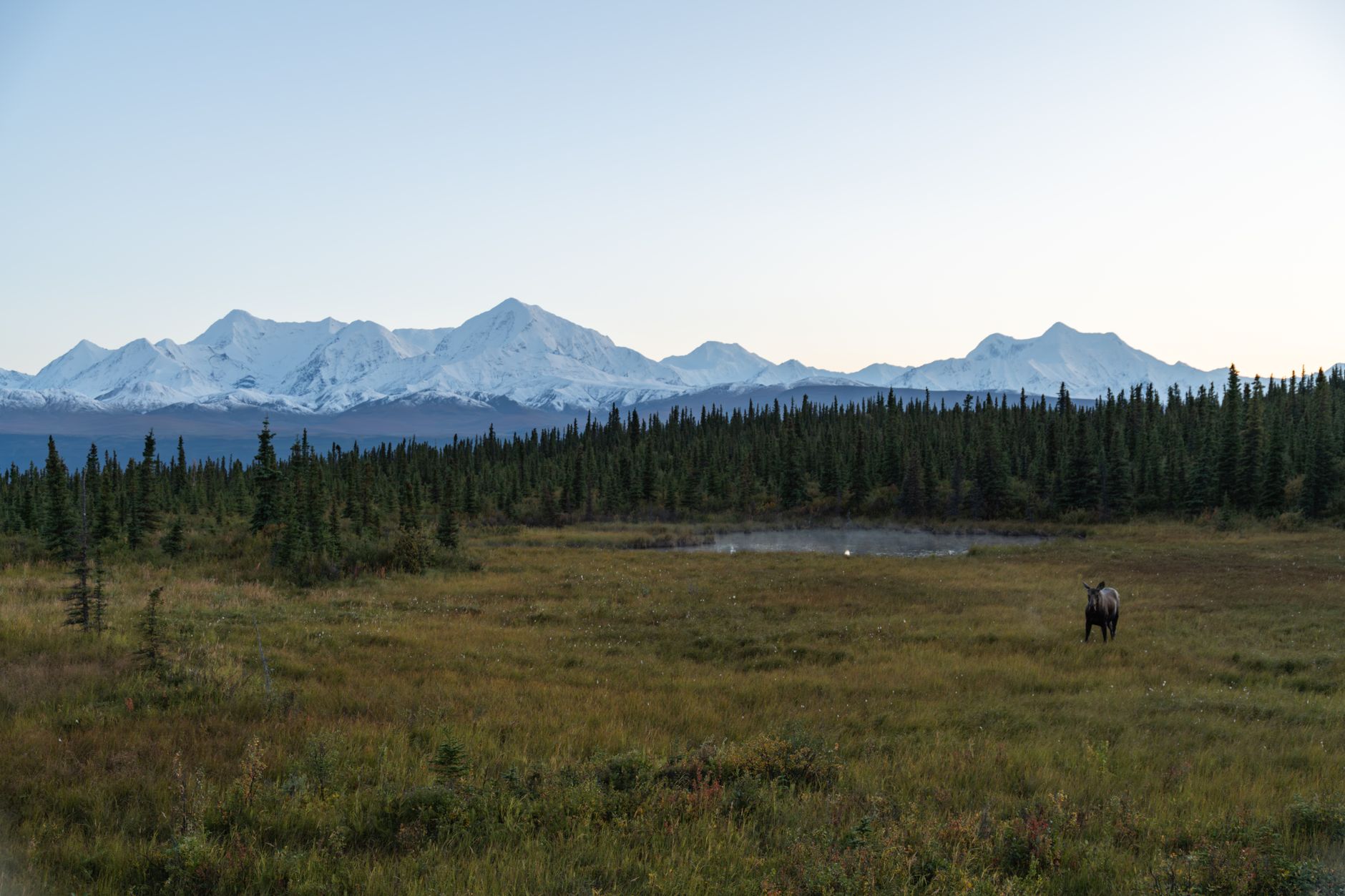
Introduction: Alaska, the Land of Moose
Alaska, the Last Frontier, conjures images of pristine landscapes, towering mountains, and abundant wildlife. Among its iconic inhabitants, the moose stands out as a symbol of the Alaskan wilderness. These majestic creatures, the largest members of the deer family, roam freely across the state, making the question of “How likely is it to see a moose in Alaska?” a common one for tourists and residents alike.

What colours are fish most attracted to?
Can you put your finger in a trout's mouth?
Is methylene blue anti bacterial?
Does aquarium salt raise pH in aquarium?
Alaska’s Moose Population: A Numbers Game
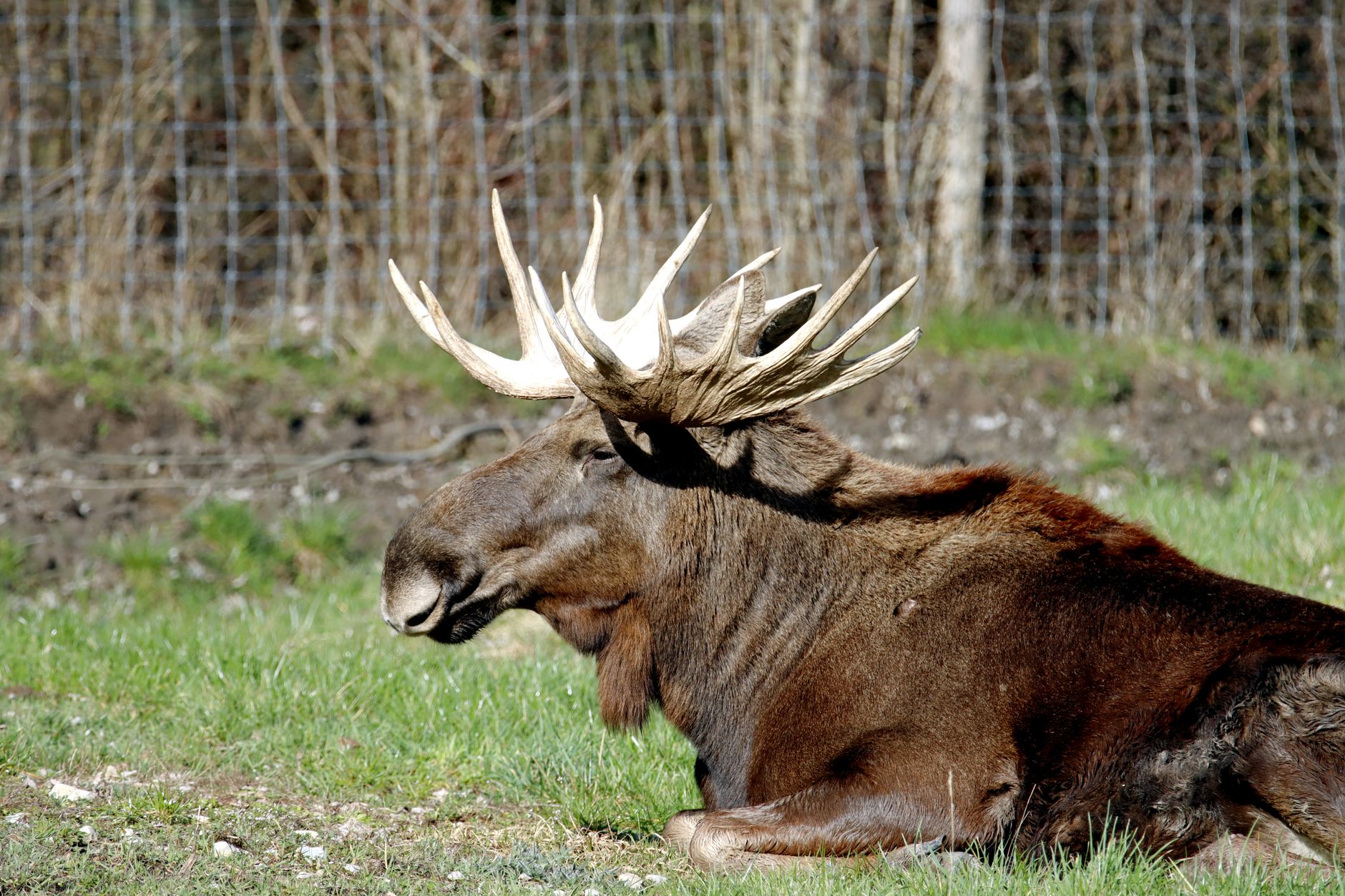
Alaska boasts one of the densest moose populations in North America. Conservative estimates place the statewide population between 175,000 and 200,000 animals. This significant number increases the probability of encountering a moose, particularly in regions with suitable habitat. Areas like the Matanuska-Susitna Valley, the Kenai Peninsula, and the Interior are known for their high moose densities.
Habitat Preferences: Where Moose Thrive
Moose are not randomly distributed throughout Alaska. Their presence is heavily influenced by habitat availability. They prefer areas with:
- Young forests: Regenerating forests after fires or logging provide abundant browse, their primary food source.
- Wetlands and riparian areas: Moose utilize lakes, rivers, and swamps for aquatic vegetation, particularly during the summer months.
- Areas with shrubs and willows: These provide crucial food and cover, especially during the winter.
- Lower elevations: While they can be found at higher elevations, moose generally prefer lower altitudes where food is more readily available.
Knowing these preferences helps one gauge “How likely is it to see a moose in Alaska?” in any given location.
Seasonal Variations: The Best Times for Moose Sightings
The time of year plays a crucial role in determining moose visibility.
- Spring: Moose are often seen near roadsides, seeking out fresh vegetation after a long winter. Calves are also born in the spring, increasing overall moose activity.
- Summer: Moose are attracted to aquatic habitats for feeding, making lake and riverbanks prime viewing spots.
- Fall: The rutting season (mating season) is a particularly active time for moose. Bulls (male moose) are more visible as they compete for mates, often displaying aggressive behavior.
- Winter: Moose tend to congregate in areas with readily available food, such as along roadsides or in sheltered valleys. However, deep snow can sometimes limit their visibility.
Factors Influencing Moose Sightings
Several factors beyond population density and habitat influence the probability of seeing a moose.
- Time of Day: Moose are crepuscular, meaning they are most active during dawn and dusk. These are the best times to spot them.
- Weather Conditions: Clear, calm weather increases visibility, while heavy rain or fog can make moose harder to see.
- Human Activity: Moose may avoid areas with high human activity, so venturing off the beaten path can increase your chances of a sighting.
- Luck: Ultimately, spotting a moose often comes down to chance. Being in the right place at the right time is crucial.
Safety Considerations: Respecting the Moose
While seeing a moose can be a memorable experience, it’s essential to prioritize safety.
- Maintain a safe distance: Give moose plenty of space. Approaching them too closely can provoke aggression, especially during the rutting season or when they have calves.
- Be aware of your surroundings: Pay attention to moose behavior and be prepared to retreat if necessary.
- Never feed moose: Feeding wildlife habituates them to humans and can lead to dangerous encounters.
- Keep dogs under control: Dogs can trigger aggressive behavior in moose. Keep them leashed and under control at all times.
The Ethics of Wildlife Viewing
When considering “How likely is it to see a moose in Alaska?“, one should also be aware of the impact on the moose itself. Ethical wildlife viewing involves:
- Respecting their space and avoiding disturbance.
- Staying on designated trails and minimizing environmental impact.
- Supporting responsible tourism operators who prioritize wildlife conservation.
Frequently Asked Questions (FAQs)
How many moose live in Alaska?
The Alaska Department of Fish and Game estimates the statewide moose population to be between 175,000 and 200,000. This makes Alaska home to one of the largest and healthiest moose populations in North America.
What is the best time of year to see a moose in Alaska?
While moose can be seen year-round, the spring and fall offer the best viewing opportunities. In spring, they emerge from winter cover seeking fresh vegetation, and in the fall, the rutting season makes bull moose more visible and active.
Where are the best places to see moose in Alaska?
Areas like the Matanuska-Susitna Valley, the Kenai Peninsula, and the Interior are known for their high moose densities. Parks and wildlife refuges are also excellent places to look.
Are moose dangerous?
Yes, moose can be dangerous, especially if approached too closely or provoked. Always maintain a safe distance and be aware of their behavior. During the rutting season or when cows have calves, they can be particularly aggressive.
What should I do if I encounter a moose while hiking?
Slowly back away while facing the moose. Avoid making sudden movements or loud noises. If the moose charges, try to get behind a tree or other solid object.
What do moose eat?
Moose are herbivores and primarily eat twigs, leaves, buds, and aquatic plants. Their diet varies depending on the season and availability of food.
How big do moose get?
Moose are the largest members of the deer family. Adult males can weigh up to 1,600 pounds and stand over 6 feet tall at the shoulder. Females are generally smaller, weighing up to 1,200 pounds.
How long do moose live?
The average lifespan of a moose in the wild is 8 to 12 years, although some individuals can live longer.
Do moose migrate?
Some moose populations exhibit seasonal migrations, moving between summer and winter ranges. These movements are often driven by the availability of food and shelter.
What is the difference between a bull and a cow moose?
A bull moose is a male moose, characterized by its large antlers. A cow moose is a female moose and lacks antlers.
Are there any moose viewing tours available in Alaska?
Yes, many tour operators offer guided moose viewing tours throughout Alaska. These tours can increase your chances of spotting a moose and provide valuable information about their behavior and habitat.
How does climate change affect moose populations in Alaska?
Climate change is impacting moose populations in several ways, including altering their habitat, increasing disease prevalence, and disrupting their migration patterns. Warmer temperatures and changes in precipitation patterns can affect the availability of their food sources and the spread of parasites and diseases.