

How Polar Bears Achieve Stealth: The Art of Ambush Hunting
How is it possible for a polar bear to sneak up on a seal? Through a combination of exceptional camouflage, patience, and strategic exploitation of the Arctic environment, polar bears successfully ambush seals, overcoming seemingly insurmountable odds to secure their next meal.

The Arctic Hunter’s Dilemma: Visibility and Vulnerability
The Arctic landscape, a realm of blinding white and reflective surfaces, presents both advantages and challenges for predators. While the white fur of a polar bear provides excellent camouflage, the open terrain offers little cover. Seals, vital to a polar bear’s survival, are acutely aware of their surroundings and possess keen senses. Therefore, how is it possible for a polar bear to sneak up on a seal? The answer lies in the intersection of behavioral adaptations, environmental manipulation, and an understanding of seal behavior.

What colours are fish most attracted to?
Can you put your finger in a trout's mouth?
Is methylene blue anti bacterial?
Does aquarium salt raise pH in aquarium?
Mastering the Art of Camouflage: More Than Just White Fur
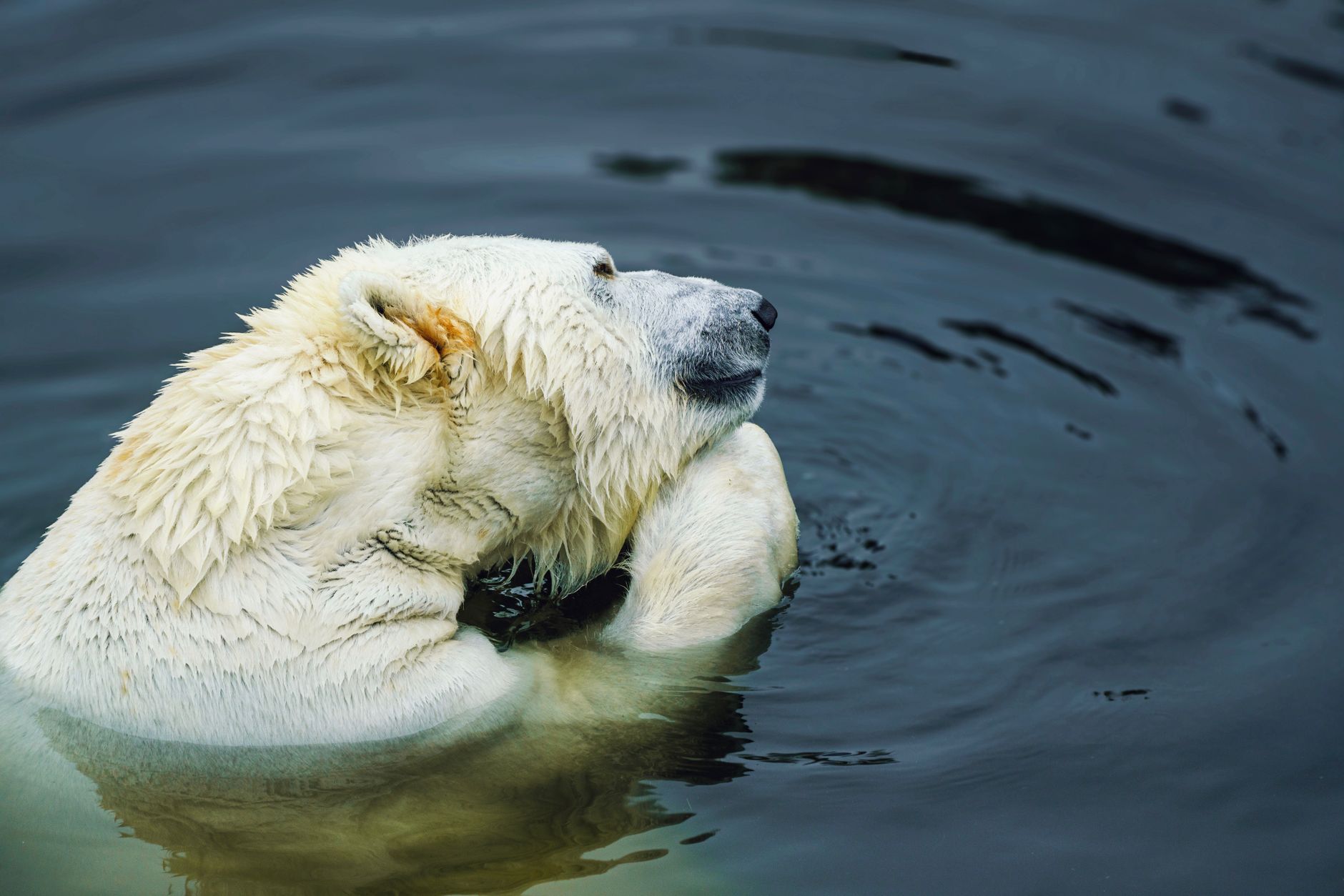
While their creamy white fur is undoubtedly a crucial element, the effectiveness of a polar bear’s camouflage goes beyond simple coloration.
- Adaptable Coat: A polar bear’s fur isn’t truly white; the hairs are transparent and hollow. This structure scatters light, creating a camouflage effect that blends seamlessly with the snow and ice.
- Subtle Movements: Polar bears are masters of slow, deliberate movement. They avoid sudden gestures that could alert prey. Imagine a creeping glacier; that’s the level of patience and control they exhibit.
- Shadow Management: Polar bears are adept at utilizing shadows and variations in snow cover to break up their outline and further obscure their presence.
The Waiting Game: Exploiting Seal Behavior
Seals are not constantly exposed on the ice. They rely on breathing holes in the ice and haul-out sites to rest and nurse their young. Polar bears exploit this predictable behavior through several strategies:
- Still Hunting: This involves patiently waiting near a breathing hole for a seal to surface. A polar bear may remain motionless for hours, sometimes even days, camouflaged against the snow.
- Amphibious Assault: Polar bears are strong swimmers. They can approach seals from underwater, utilizing the element of surprise. While swimming, they often keep their nostrils closed to prevent water from entering.
- Snowdrift Ambush: Polar bears will sometimes create shallow pits or lie behind snowdrifts near seal breathing holes, lying in wait for unsuspecting seals.
Olfactory Acuity: The Nose Knows
Polar bears possess an extraordinarily keen sense of smell. They can detect seals from up to 20 miles away, allowing them to locate potential ambush sites even before visual contact is established. This olfactory advantage is critical for locating seal breathing holes, especially when they are covered by snow. The ability to smell seals underneath the ice helps them determine where to focus their hunting efforts.
The Final Strike: Speed and Power
While stealth is paramount, the final attack requires speed and brute force. When a seal comes within striking distance, the polar bear unleashes a burst of energy.
- Powerful Forepaws: Polar bears possess large, powerful forepaws with non-retractible claws. These claws provide excellent traction on the ice and are used to deliver a crushing blow.
- Sharp Teeth: Their teeth are designed for tearing through flesh and bone, ensuring a swift and effective kill.
- Strategic Bite: Polar bears often target the seal’s head or neck, aiming for a disabling or fatal bite.
Challenges to Stealth: Climate Change and Prey Adaptation
The changing Arctic environment poses significant challenges to polar bears and their hunting strategies.
- Melting Sea Ice: Reduced sea ice cover forces polar bears to travel greater distances, increasing their energy expenditure and reducing their hunting opportunities.
- Altered Seal Behavior: As sea ice conditions change, seals may adapt their behavior, becoming more wary and harder to approach.
- Increased Competition: With shrinking habitats, polar bears face increased competition for resources, further complicating their hunting success.
Despite these challenges, the inherent stealth and adaptability of polar bears remain crucial for their survival in the harsh Arctic environment. Understanding how is it possible for a polar bear to sneak up on a seal is fundamental to appreciating the complex relationship between predator and prey in this fragile ecosystem.
FAQs: Unveiling Polar Bear Hunting Secrets
What is a seal’s primary defense against polar bear attacks?
Seals rely on their acute senses and wariness to avoid polar bear attacks. They are constantly scanning their surroundings for potential threats and are quick to dive into the water if danger is perceived. Their agility in the water is a key defense mechanism.
How long can a polar bear hold its breath underwater?
While capable swimmers, polar bears typically hold their breath for only 1-2 minutes when hunting seals underwater. This limits their ability to pursue seals over long distances underwater.
Do polar bears primarily hunt seals on land or in the water?
Polar bears primarily hunt seals on the ice or near the edges of the ice. While they can swim, their hunting success is significantly higher when targeting seals at breathing holes or haul-out sites.
What time of year is most crucial for polar bear seal hunting?
The spring season, particularly late spring and early summer, is critical for polar bear seal hunting. This is when seals are birthing their pups and are more vulnerable. It’s also when the sea ice is most stable, providing a suitable hunting platform.
How does the color of a polar bear’s fur help with camouflage?
A polar bear’s creamy white fur blends seamlessly with the snow and ice, providing excellent camouflage. The hairs are transparent and hollow, scattering light in a way that further enhances this effect.
Are polar bears successful in every attempt to hunt a seal?
No, polar bears are not always successful in their hunting attempts. Seal hunting is a challenging endeavor, and success rates can vary depending on factors such as ice conditions, seal behavior, and the bear’s hunting skills. Studies suggest success rates can be quite low, sometimes below 10%.
Do polar bears eat anything besides seals?
While seals are their primary food source, polar bears are opportunistic predators and will consume other animals if available, including birds, fish, walruses, and even carrion. However, their survival depends heavily on the availability of seals.
How do polar bears find seal breathing holes hidden under the snow?
Polar bears rely on their exceptional sense of smell to locate seal breathing holes hidden under the snow. They can detect the scent of seals from considerable distances, even when the breathing holes are covered.
What role does patience play in polar bear hunting?
Patience is absolutely crucial for polar bear hunting. Still hunting, for example, requires bears to remain motionless for extended periods, sometimes for hours or even days, waiting for a seal to surface near a breathing hole.
Do polar bears learn hunting techniques from their mothers?
Yes, polar bears learn essential hunting techniques from their mothers. Cubs stay with their mothers for about two years, during which time they observe and learn how to locate, stalk, and kill seals.
How does climate change impact polar bear hunting strategies?
Climate change, particularly the loss of sea ice, significantly impacts polar bear hunting strategies. Reduced sea ice forces them to swim longer distances, spend more time on land with limited food sources, and face increased competition for prey. This directly affects how is it possible for a polar bear to sneak up on a seal when the environment becomes less predictable.
Is stealth the only hunting technique employed by Polar Bears when preying on seals?
Although stealth hunting is a very effective strategy, it’s not the only hunting method used by Polar Bears. Occasionally, when conditions permit, they may rely on chasing techniques where surprise is not as critical. This mostly occurs near open water or if a seal pup is separated from its mother. However, how is it possible for a polar bear to sneak up on a seal remains the most reliable technique for success.