

How Intelligent Are Animals Compared to Humans?
While human intelligence excels in abstract reasoning and complex language, animal intelligence demonstrates remarkable cognitive abilities finely tuned to their specific ecological niches; therefore, directly comparing them is complex, requiring nuanced understanding of varied cognitive strengths and limitations.
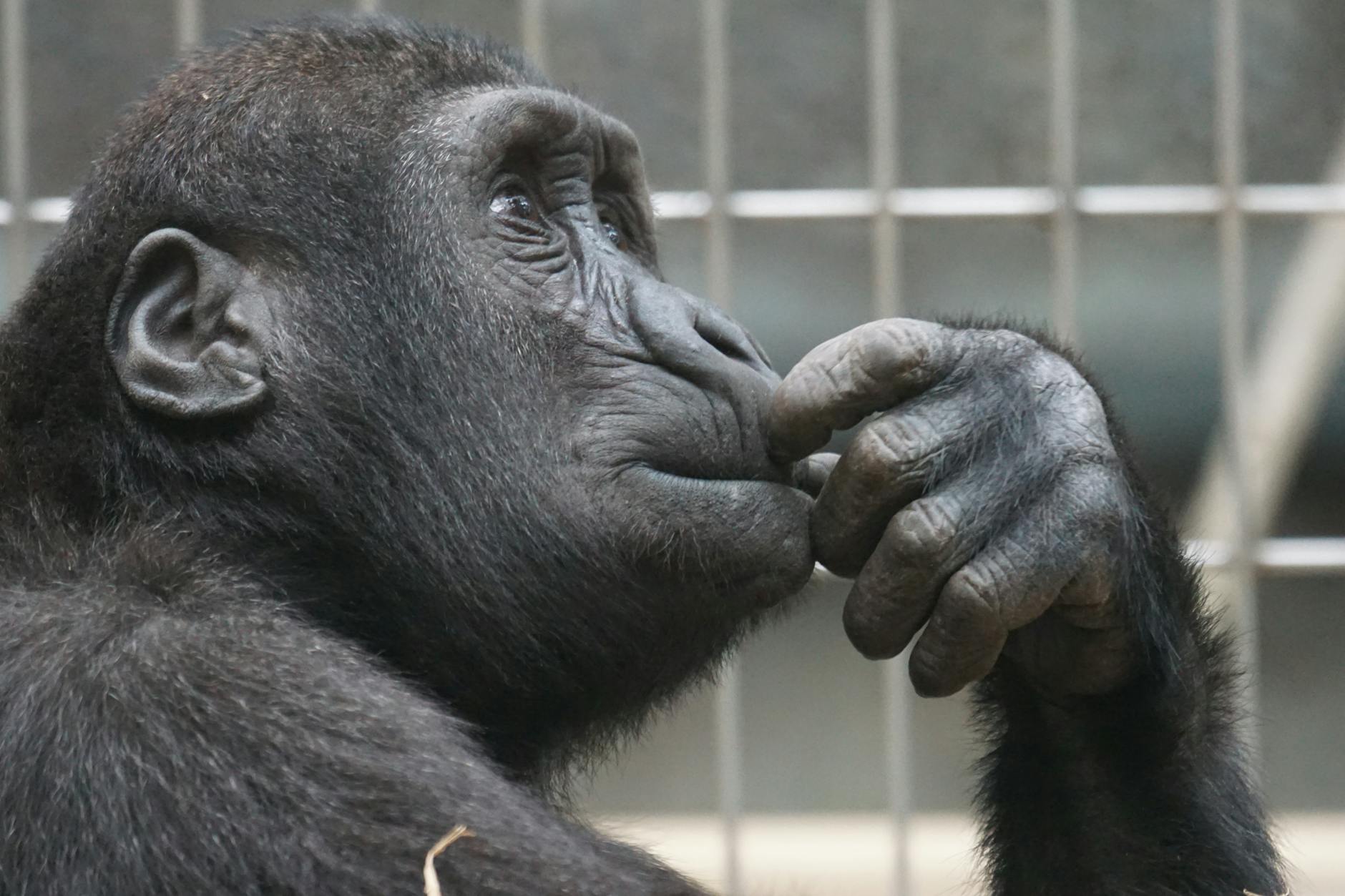
Introduction: The Evolving Understanding of Animal Cognition
For centuries, humanity has positioned itself atop a cognitive hierarchy, largely dismissing the intelligence of other species. However, groundbreaking research over the past few decades has shattered these anthropocentric views, revealing the astonishing cognitive capacities of animals, ranging from tool use and problem-solving to social awareness and even empathy. The question of how intelligent are animals compared to humans? is no longer a simple one of superiority, but a complex exploration of diverse cognitive adaptations shaped by unique evolutionary pressures. It requires a move away from solely human-centric benchmarks.

What colours are fish most attracted to?
Can you put your finger in a trout's mouth?
Is methylene blue anti bacterial?
Does aquarium salt raise pH in aquarium?
Redefining Intelligence: Beyond the Human Yardstick

Traditionally, intelligence was defined primarily by traits prominent in humans, such as language, abstract reasoning, and mathematical abilities. This narrow definition invariably placed humans at the pinnacle. Modern approaches to understanding animal cognition recognize the importance of considering ecological intelligence – cognitive skills that allow animals to thrive in their specific environments. This perspective emphasizes that intelligence manifests differently across species, with each possessing cognitive strengths optimized for survival and reproduction. Therefore, when assessing how intelligent are animals compared to humans?, we must consider the breadth of intelligences across species.
Cognitive Domains: A Comparative Landscape
Comparing animal and human intelligence involves examining various cognitive domains. These areas include:
- Problem-Solving: Animals demonstrate remarkable ingenuity in solving problems, from crows using tools to extract food to octopuses navigating complex mazes.
- Social Intelligence: Many species exhibit intricate social structures, requiring sophisticated communication, cooperation, and manipulation skills.
- Communication: While human language is unique, animals possess diverse communication systems, using vocalizations, body language, and chemical signals to convey complex information.
- Memory: Animals have impressive memory capabilities, allowing them to remember locations, track migrations, and recognize individuals.
- Self-Awareness: The ability to recognize oneself in a mirror, a marker of self-awareness, has been demonstrated in several species, including great apes, dolphins, and magpies.
These domains allow us to appreciate the diversity of intelligence across species and provide a framework for understanding how intelligent are animals compared to humans.
Case Studies: Examples of Remarkable Animal Intelligence
Several species stand out for their exceptional cognitive abilities.
- Great Apes (Chimpanzees, Bonobos, Orangutans, Gorillas): Exhibit advanced problem-solving skills, tool use, social learning, and even rudimentary language comprehension. They are our closest relatives and showcase the cognitive complexities that can arise from evolutionary pressures similar to those that shaped humans.
- Corvids (Crows, Ravens, Jays): Renowned for their problem-solving abilities, tool use, and future planning. They demonstrate remarkable cognitive flexibility and adaptability, highlighting that intelligence can evolve independently in different lineages.
- Cetaceans (Dolphins, Whales): Possess complex communication systems, advanced social structures, and large brains. Dolphin intelligence, in particular, shows abilities regarding cooperative hunting and teaching new techniques to younger generations.
- Octopuses: Masters of camouflage and problem-solving, with decentralized nervous systems that allow for independent decision-making in their arms. The intelligence in octopuses underscores how intelligence can develop in radically different forms from our own.
These examples demonstrate that how intelligent are animals compared to humans depends on the skills and adaptations selected for by environmental pressures.
The Limits of Comparison: Anthropomorphism and Anthropocentrism
Comparing animal and human intelligence is fraught with challenges. Anthropomorphism, attributing human-like qualities to animals, and anthropocentrism, viewing humans as the center of the universe, can bias our understanding. It’s crucial to avoid these pitfalls and appreciate animal cognition on its own terms. Each species has evolved to meet the challenges of its unique environment, and their intelligence reflects this adaptation.
Why Does Understanding Animal Intelligence Matter?
Understanding animal intelligence has significant implications.
- Ethical Considerations: Recognizing the cognitive capacities of animals raises important ethical questions about our treatment of them. Increased awareness might influence us to advocate for better animal rights.
- Conservation Efforts: Understanding animal behavior and intelligence is crucial for effective conservation strategies.
- Insights into Human Cognition: Studying animal intelligence can provide insights into the evolution and development of human cognition.
- Development of Artificial Intelligence: Animal intelligence can be used as a model to improve algorithms and efficiency in complex problem-solving in AI.
Therefore, exploring how intelligent are animals compared to humans can help us improve the way we treat the world and further our scientific advancements.
Frequently Asked Questions (FAQs)
Is there a single, universally accepted definition of intelligence?
No. The definition of intelligence is debated by scientists, philosophers, and educators. Most agreed-upon definitions include the ability to learn from experience, adapt to new situations, understand and handle abstract concepts, and use knowledge to manipulate one’s environment. However, applying this definition uniformly across all species is challenging, leading to the development of more nuanced, context-specific approaches.
Do animals have emotions?
The evidence increasingly suggests that many animals experience a range of emotions, including joy, fear, sadness, and anger. Neurobiological and behavioral studies have shown that animals possess brain structures and exhibit behaviors associated with emotional states.
Can animals think abstractly?
Some animals demonstrate the capacity for abstract thought, although the extent of this ability varies. For instance, primates have been shown to understand symbolic representations and engage in complex problem-solving that requires abstract reasoning.
Do animals have language?
While animals possess complex communication systems, human language is unique in its complexity and generativity. Animals communicate using vocalizations, body language, and chemical signals, but these systems typically lack the grammatical structure and semantic richness of human language.
Can animals use tools?
Many animals use tools, ranging from simple sticks and stones to complex instruments made from multiple components. Tool use demonstrates problem-solving abilities and cognitive flexibility.
Are some animals more intelligent than others?
Yes, cognitive abilities vary significantly across species. However, it is essential to consider the ecological context and avoid anthropocentric biases when comparing the intelligence of different animals.
Can animal intelligence be measured objectively?
Measuring animal intelligence is challenging due to the diversity of cognitive abilities and the difficulty of designing tests that are fair and relevant to different species. Researchers use a variety of methods, including behavioral observations, cognitive tests, and neuroimaging, to assess animal intelligence.
Does brain size correlate with intelligence in animals?
While there is a general correlation between brain size and intelligence, it is not a perfect predictor. Brain structure, neuron density, and connectivity patterns also play important roles in determining cognitive abilities.
What are the ethical implications of studying animal intelligence?
Studying animal intelligence raises important ethical considerations regarding the treatment of animals in research. It is essential to ensure that research is conducted humanely and that the well-being of animals is prioritized.
Can we train animals to be more intelligent?
Training can enhance specific cognitive skills in animals, but it is unlikely to fundamentally alter their underlying intelligence. Training can provide opportunities for animals to learn and develop new abilities, but their cognitive potential is ultimately limited by their genetic makeup and evolutionary history.
How does domestication affect animal intelligence?
Domestication can have complex effects on animal intelligence. While some cognitive abilities may be enhanced through selective breeding, others may be diminished due to reduced reliance on certain skills in a captive environment.
What is the future of animal intelligence research?
The future of animal intelligence research is promising, with advancements in technology and methodology allowing for more sophisticated investigations into animal cognition. These future explorations may reveal a closer connection between humans and animals, allowing people to consider how intelligent are animals compared to humans with more accuracy and compassion.