

How High Should an Owl Box Be Mounted? Unveiling the Ideal Elevation for Owl Success
The optimal height for mounting an owl box is crucial for attracting owls and ensuring their nesting success. Generally, mounting an owl box at a height between 12 and 20 feet offers the best balance between accessibility for owls and protection from predators.

Understanding Owl Box Placement: A Foundation for Success
Attracting owls to your property can be a rewarding experience, providing natural pest control and a connection to the wild. However, simply building or buying an owl box is not enough. Its location, and especially its height, play a vital role in its occupancy and success. How high should an owl box be mounted? is a question that requires careful consideration of the owl species you hope to attract, the surrounding environment, and the potential threats present.

What colours are fish most attracted to?
Can you put your finger in a trout's mouth?
Is methylene blue anti bacterial?
Does aquarium salt raise pH in aquarium?
Benefits of Proper Owl Box Mounting Height
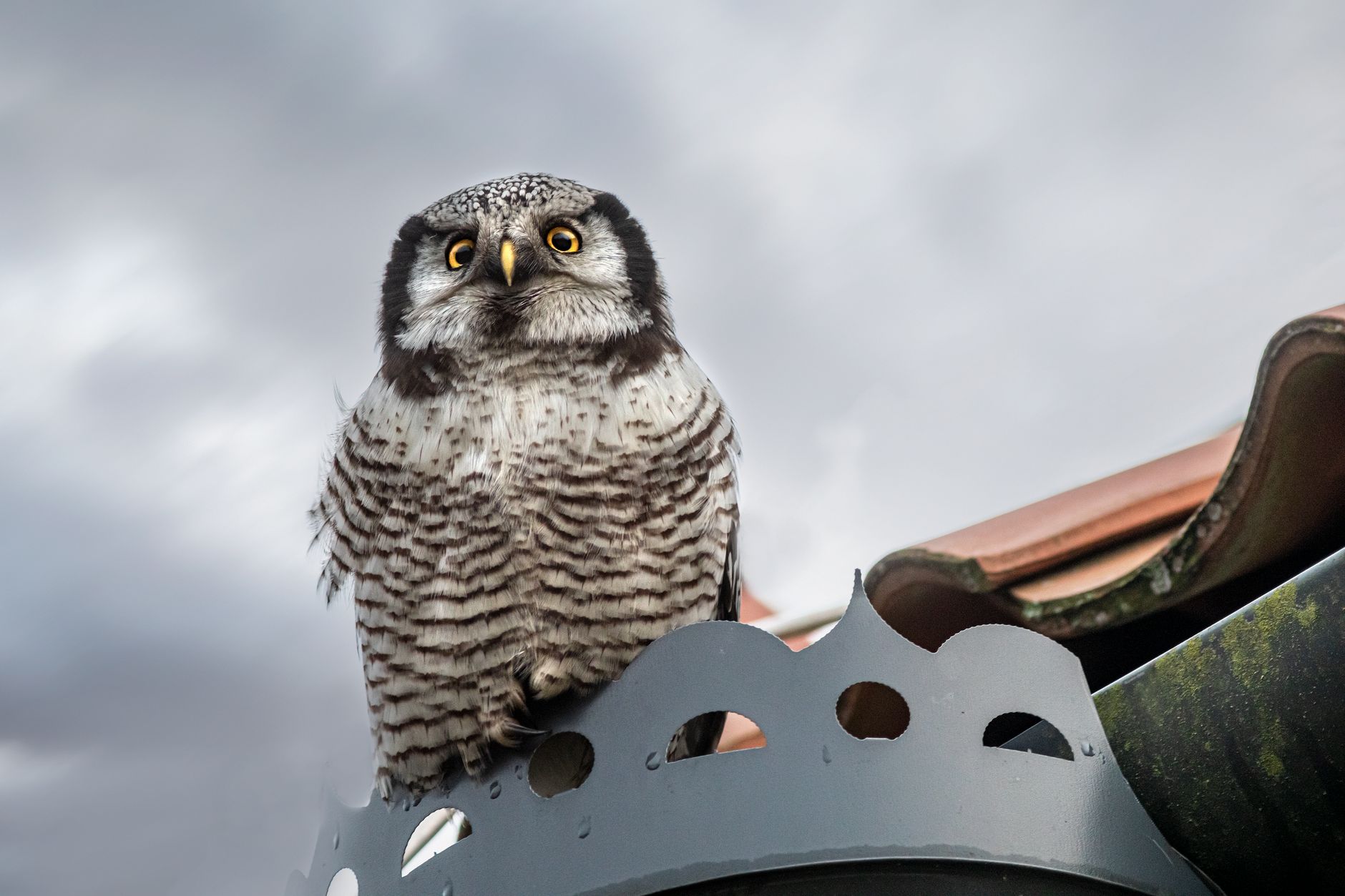
Mounting an owl box at the appropriate height offers several key advantages:
- Increased Occupancy: Owls are more likely to investigate and use a box that feels safe and accessible. Proper height provides a good vantage point and reduces hesitation.
- Protection from Predators: Ground-based predators like raccoons, snakes, and even feral cats pose a significant threat to nesting owls and their young. Mounting the box high enough makes it more difficult for these predators to reach.
- Mimicking Natural Nesting Sites: Many owl species naturally nest in tree cavities at various heights. Placing the box within the range of their natural preferences increases the likelihood they will accept it.
- Improved Fledgling Success: When owlets leave the nest, a sufficient drop offers them a better chance of learning to fly and avoiding immediate ground-level dangers.
- Reduced Human Disturbance: While infrequent observation is acceptable, placing the box too low can attract unwanted attention and potentially disturb the nesting process.
Key Considerations for Determining Owl Box Height
Determining the ideal height for your owl box involves considering several factors:
- Target Owl Species: Different owl species have different preferences. For example, Barred Owls might prefer slightly lower locations than Great Horned Owls. Research the specific needs of the owls common in your area.
- Surrounding Habitat: The density of the surrounding vegetation affects accessibility and predator presence. In open areas, a slightly higher mounting height might be necessary to compensate for the lack of natural cover.
- Predator Prevalence: Areas with a high population of raccoons or other climbing predators may require a higher box placement. Consider adding predator guards to the mounting pole.
- Ease of Installation and Maintenance: Balancing the benefits of height with the practical challenges of installation and future maintenance is essential. Ensure you can safely access the box for cleaning and repairs.
The Mounting Process: Step-by-Step Guidance
Here’s a general outline for mounting your owl box:
- Choose the Right Location: Select a sturdy tree or pole in a suitable habitat, away from excessive human disturbance and direct sunlight.
- Prepare the Mounting Hardware: Use strong, rust-resistant hardware appropriate for the weight of the box and the supporting structure.
- Mount the Box Securely: Ensure the box is firmly attached and cannot sway or fall. Consider using multiple attachment points for added stability.
- Consider a Predator Guard: A metal cone or baffle placed below the box can deter climbing predators.
- Monitor the Box: Observe the box periodically for signs of owl activity, but avoid disturbing the nesting process.
Common Mistakes to Avoid When Mounting an Owl Box
- Mounting Too Low: This is the most common error, making the box vulnerable to predators and disturbance.
- Mounting in Direct Sunlight: Excessive heat can be detrimental to nesting owls and their young.
- Using Weak or Inadequate Hardware: A poorly secured box can be dangerous and will likely deter owls.
- Failing to Consider the Surrounding Habitat: Ignoring the local environment can significantly reduce the box’s attractiveness.
- Disturbing Nesting Owls: Excessive disturbance can cause owls to abandon their nests.
Frequently Asked Questions (FAQs)
How can I determine which owl species are present in my area?
Research is key! Start by consulting local bird guides, ornithological societies, and online databases like the Cornell Lab of Ornithology’s All About Birds website. These resources provide information about owl species distribution, habitat preferences, and vocalizations, allowing you to identify potential inhabitants of your region. Local wildlife agencies can also provide valuable insights and data.
Is it better to mount an owl box on a tree or a pole?
Both options have advantages. Trees offer natural camouflage and stability, but can also provide easier access for climbing predators. Poles, especially with predator guards, can offer better protection, but may be less aesthetically pleasing. The best choice depends on the specific location and the types of predators present. Consider the specific needs of the target owl species when making your decision.
What type of material is best for building an owl box?
Untreated wood, such as cedar or pine, is generally recommended. Avoid using pressure-treated wood or plywood containing formaldehyde, as these materials can be toxic. Ensure the wood is thick enough to provide adequate insulation. Roughing up the interior walls can also help owlets climb out.
Should I add nesting material to the owl box?
Adding a thin layer of wood shavings or leaf litter can make the box more attractive to owls, but it’s not essential. Owls will often bring in their own nesting material. Avoid using hay or straw, as these materials can become moldy.
How often should I clean an owl box?
It’s generally recommended to clean out the owl box annually, after the nesting season has ended (usually in late summer or early fall). Wear gloves and a mask when cleaning to avoid exposure to potential pathogens. Remove any old nesting material, debris, and dead insects.
What direction should the owl box face?
Ideally, the entrance should face away from prevailing winds and direct sunlight. A north or east-facing orientation is often best, depending on your location. The goal is to provide a sheltered and comfortable environment inside the box.
How important is camouflage for an owl box?
While camouflage is helpful, it’s not as crucial as height and location. A natural-colored box that blends in with its surroundings is preferable, but a well-placed box will still attract owls even if it’s not perfectly camouflaged.
What can I do to deter predators from reaching the owl box?
Installing a predator guard, such as a metal cone or baffle, below the box is highly effective. Make sure the guard is large enough to prevent predators from climbing around it. Clearing vegetation around the base of the mounting pole can also help.
How long does it typically take for owls to occupy a new owl box?
There’s no guaranteed timeline. Some owl boxes are occupied within weeks, while others may take years. Patience is key. Continued presence of suitable habitat and food sources will increase the likelihood of occupancy.
Can I move an owl box after it has been installed?
Moving an owl box is generally not recommended, especially during the nesting season. If you must move it, do so in the late fall or early winter, when owls are less likely to be nesting.
What should I do if squirrels or other non-target animals occupy the owl box?
If squirrels or other unwanted animals occupy the box, you can try removing their nests during the off-season. A well-designed entrance hole that is the appropriate size for your target owl species will also help to deter larger animals.
Does the specific height of an owl box impact the types of owls it will attract?
Yes, subtly. While most common species will use a box within the 12-20 foot range, slightly higher placements might be favored by larger owls like Great Horned Owls, while slightly lower placements might be more attractive to smaller owls or those preferring denser habitats like Barred Owls. Consider the specific habits of owls in your area to maximize your chances of attracting your target species. Knowing how high should an owl box be mounted for the species you’re trying to attract is very important.