

How Healthy is Mahi Mahi? A Deep Dive into Nutritional Benefits
Mahi mahi is a delicious and versatile fish, but how healthy is mahi mahi really? In short, it’s a lean protein powerhouse offering numerous health benefits when consumed responsibly.
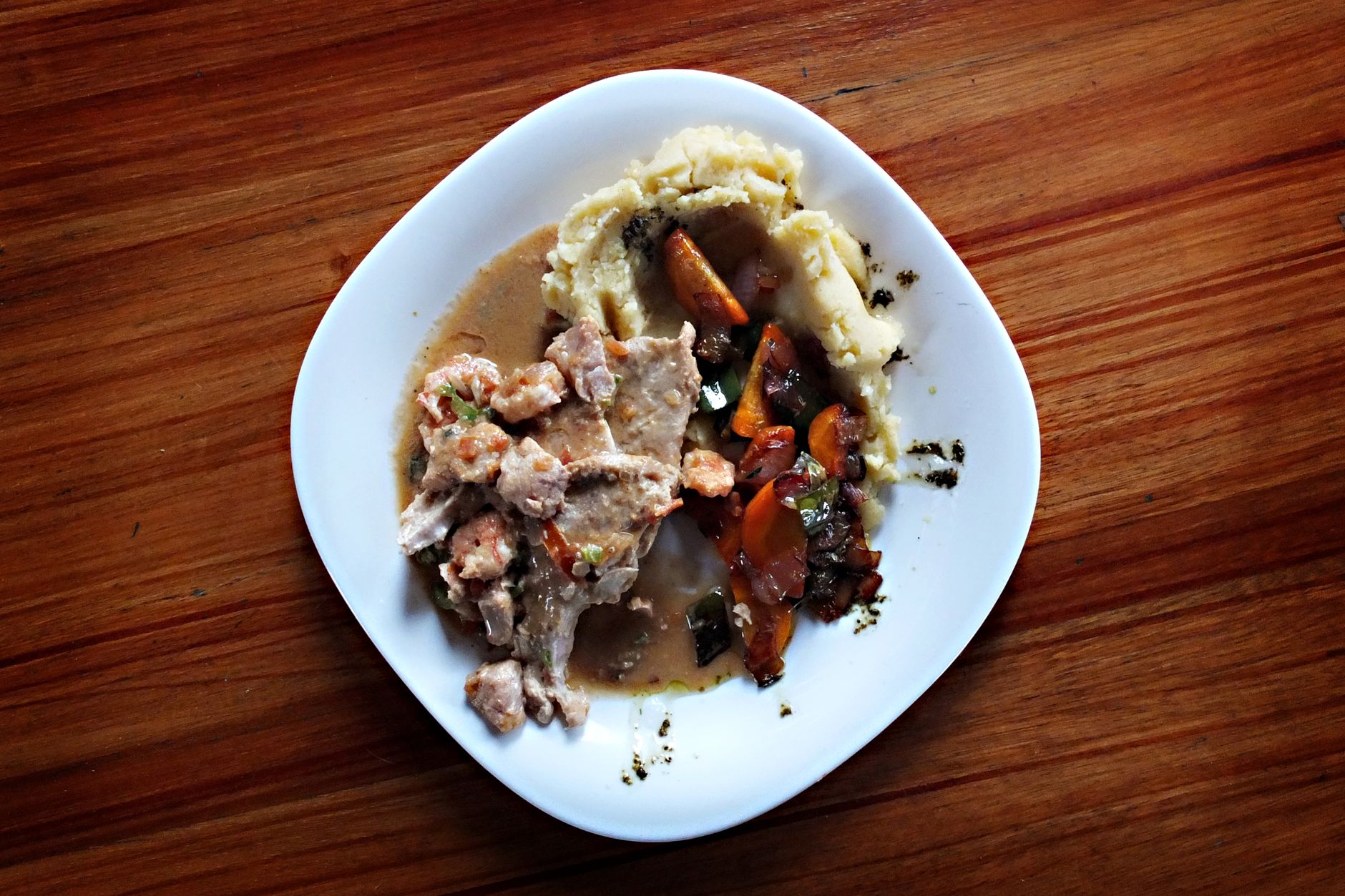
Introduction to Mahi Mahi: A Nutritional Star
Mahi mahi, also known as dolphinfish (though unrelated to dolphins!), is a popular seafood choice appreciated for its mild flavor and firm texture. It’s found in warm waters around the globe and is a relatively fast-growing fish, which makes it a more sustainable option compared to some other seafood choices. Beyond its culinary appeal, mahi mahi is packed with essential nutrients, making it a valuable addition to a balanced diet. Understanding its nutritional profile and potential benefits is key to appreciating its role in promoting overall health. But exactly how healthy is mahi mahi? Let’s explore.

What colours are fish most attracted to?
Can you put your finger in a trout's mouth?
Is methylene blue anti bacterial?
Does aquarium salt raise pH in aquarium?
Nutritional Profile of Mahi Mahi

Mahi mahi is a lean source of protein and essential vitamins and minerals. Here’s a closer look at what a typical 3-ounce (85-gram) serving provides:
- Protein: Approximately 20 grams
- Calories: Roughly 85 calories
- Fat: Typically less than 1 gram
- Saturated Fat: Minimal amounts
- Cholesterol: Around 60 mg
- Sodium: About 90 mg
- Niacin (Vitamin B3): Significantly high levels
- Vitamin B12: A good source
- Phosphorus: Provides a substantial amount
- Selenium: Excellent source
- Potassium: A moderate amount
Table: Comparison of Mahi Mahi to Other Popular Fish (per 3-ounce serving)
| Nutrient | Mahi Mahi | Salmon | Tuna | Cod |
|---|---|---|---|---|
| Calories | 85 | 175 | 100 | 70 |
| Protein (g) | 20 | 17 | 22 | 15 |
| Fat (g) | <1 | 11 | 2 | <1 |
| Omega-3 (g) | Moderate | High | Moderate | Low |
| Selenium (%) | 40% DV | 50% DV | 90% DV | 30% DV |
%DV = Percent Daily Value
As you can see, mahi mahi holds its own against other popular fish choices, providing a lean protein source with a respectable amount of selenium and moderate levels of omega-3 fatty acids.
Health Benefits of Eating Mahi Mahi
The rich nutritional composition of mahi mahi translates to several potential health benefits:
- Muscle Building and Repair: High protein content is crucial for muscle growth and repair, making it a valuable addition for athletes and active individuals.
- Heart Health: While not as rich in omega-3s as salmon, mahi mahi still provides a decent amount, contributing to cardiovascular health.
- Brain Function: Vitamin B12 plays a key role in maintaining healthy nerve cells and brain function.
- Immune System Support: Selenium is a powerful antioxidant that supports the immune system and protects against cell damage.
- Bone Health: Phosphorus is essential for strong bones and teeth.
- Energy Production: Niacin helps the body convert food into energy.
Understanding these benefits helps answer how healthy is mahi mahi in a practical context.
Sustainability and Responsible Consumption
While mahi mahi is generally considered a sustainable choice due to its rapid growth and reproduction rates, it’s still important to choose responsibly sourced fish. Look for certifications like the Marine Stewardship Council (MSC) to ensure your mahi mahi is caught using sustainable fishing practices. Be mindful of fishing methods and geographic origin to minimize your environmental impact.
Potential Risks and Considerations
- Mercury Levels: Like all fish, mahi mahi contains some mercury. However, it’s generally considered to have moderate mercury levels, lower than some larger predatory fish like swordfish or tuna. Pregnant women, nursing mothers, and young children should limit their consumption accordingly and consult with their doctor for personalized advice.
- Allergies: Fish allergies are common. Individuals with known fish allergies should avoid mahi mahi.
- Preparation Methods: Opt for healthy cooking methods like grilling, baking, steaming, or poaching to minimize added fats and calories. Avoid deep-frying.
Frequently Asked Questions About Mahi Mahi
Is mahi mahi a high-mercury fish?
Mahi mahi is considered to have moderate mercury levels compared to some other fish like swordfish or tuna. While not a high-mercury fish, it’s still prudent for vulnerable populations like pregnant women and young children to limit their intake and consult with a healthcare professional. The US FDA publishes guidelines on fish consumption and mercury levels that can be helpful. So, to answer how healthy is mahi mahi relative to mercury levels, it’s a moderate concern that requires mindful consumption.
How often can I eat mahi mahi?
For most adults, enjoying mahi mahi once or twice a week is generally considered safe and beneficial, provided it’s responsibly sourced. However, individuals who are pregnant, nursing, or have pre-existing health conditions should consult with their doctor or a registered dietitian for personalized recommendations. Considering all factors, this helps to answer how healthy is mahi mahi in the context of dietary frequency.
Is mahi mahi a fatty fish?
No, mahi mahi is a lean fish. It contains very little fat, making it a good choice for those looking to reduce their fat intake. This characteristic contributes significantly to how healthy is mahi mahi for those watching their fat consumption.
What does mahi mahi taste like?
Mahi mahi has a mild, slightly sweet flavor with a firm texture. It’s not overly fishy, making it a popular choice for people who don’t typically enjoy stronger-tasting fish.
How can I cook mahi mahi?
Mahi mahi is versatile and can be cooked in many ways, including grilling, baking, pan-frying, steaming, and poaching. Grilling and baking are often preferred for healthier preparations.
Is mahi mahi safe for pregnant women?
Pregnant women can consume mahi mahi in moderation, but should be mindful of mercury levels. Consult with a doctor or registered dietitian for specific recommendations on portion sizes and frequency. This ensures they can determine how healthy is mahi mahi for their specific circumstances.
Is mahi mahi a good source of omega-3 fatty acids?
Mahi mahi contains moderate levels of omega-3 fatty acids. While it’s not as rich in omega-3s as salmon or mackerel, it still contributes to your overall intake.
Does mahi mahi have a lot of bones?
Mahi mahi is relatively boneless, making it a convenient choice for those who don’t like dealing with bones in their fish.
How can I ensure I’m buying sustainably sourced mahi mahi?
Look for certifications like the Marine Stewardship Council (MSC) label on the packaging. This indicates that the fish has been caught using sustainable fishing practices.
What are some healthy recipes using mahi mahi?
Grilled mahi mahi with lemon and herbs, baked mahi mahi with vegetables, and mahi mahi tacos with a light slaw are all healthy and delicious options.
Is mahi mahi a good source of protein for athletes?
Yes, mahi mahi is an excellent source of lean protein, making it ideal for athletes and anyone looking to build or maintain muscle mass. This benefit is a significant factor in how healthy is mahi mahi for active individuals.
How does mahi mahi compare to other white fish in terms of health benefits?
Compared to other white fish like cod or flounder, mahi mahi offers a slightly higher protein content and a more pronounced flavor. It’s also a good source of selenium and contains moderate levels of omega-3 fatty acids, making it a nutritious choice. Considering all aspects, this furthers the understanding of how healthy is mahi mahi.