

How Hard is it to Track a Deer in the Rain?
Tracking deer in the rain presents significant challenges; While not impossible, it is substantially harder than tracking under dry conditions, due to washed-out tracks, obscured scents, and the deer’s altered behavior.

Introduction: The Hunter’s Dilemma
For hunters, the pursuit of white-tailed deer is often a ritual, a test of skill, and a deep connection to the natural world. However, the elements can dramatically shift the odds. While a fresh blanket of snow can make tracking a breeze, a downpour of rain can transform the hunter’s task from challenging to near impossible. How hard is it to track a deer in the rain? The answer is complex, involving a variety of factors from the terrain to the hunter’s experience. Successfully navigating this challenging scenario requires a keen understanding of how rain affects deer behavior, the persistence of tracks, and the availability of scent.

What colours are fish most attracted to?
Can you put your finger in a trout's mouth?
Is methylene blue anti bacterial?
Does aquarium salt raise pH in aquarium?
The Impact of Rain on Deer Behavior
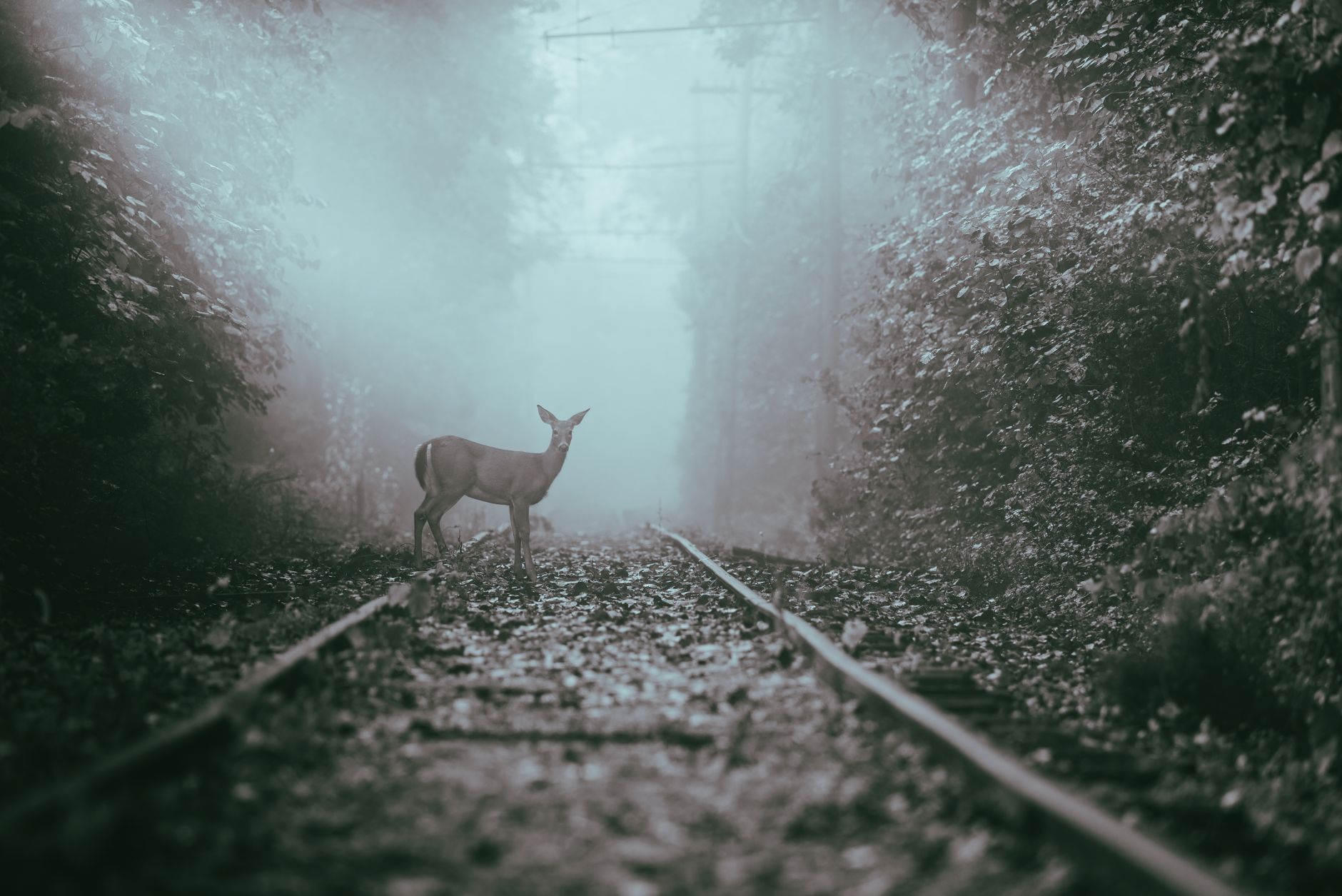
Rain drastically alters the behavior of deer, making them less predictable. Several factors contribute to this change:
- Reduced Visibility: Deer rely heavily on their sight and hearing to detect predators. Rain significantly diminishes their visibility, making them nervous and more likely to bed down in sheltered areas.
- Masked Sounds: The constant drumming of rain obscures the sounds of approaching predators, including hunters. This can make deer more cautious and likely to move erratically.
- Temperature Changes: Rain often brings a drop in temperature, which can affect the deer’s metabolism and activity levels. They may seek shelter to conserve energy.
The Deterioration of Deer Tracks in Wet Conditions
The most obvious challenge in tracking deer in the rain is the erosion of tracks.
- Soil Types: The type of soil heavily influences track preservation. Sandy soils drain quickly, making tracks disappear rapidly. Clay soils retain water, but can become muddy and obscure details.
- Track Age: The fresher the track, the easier it is to follow. Rain washes away the sharp edges of tracks, blurring them and making them indistinguishable from other depressions in the ground.
- Vegetation Cover: Heavy vegetation can offer some protection from the rain, preserving tracks longer in these areas. However, dense vegetation also makes it harder to see the tracks in the first place.
The Fade of Scent
Scent plays a vital role in tracking. Deer leave a subtle scent trail as they move, which experienced trackers can use to follow them. Rain washes away this scent, making it much harder to detect.
- Scent Glands: Deer have scent glands on their hooves, legs, and other parts of their body. These glands deposit scent as they walk.
- Rainfall Intensity: The heavier the rain, the faster the scent is washed away. A light drizzle may have minimal impact, while a torrential downpour can eliminate scent trails in a matter of minutes.
- Terrain: Water runoff can carry scent in unexpected directions, leading trackers astray.
Techniques for Tracking Deer in the Rain
Despite the challenges, tracking deer in the rain is not impossible. Here are some techniques that can improve your chances of success:
- Look for Fresh Sign: Focus on finding the freshest tracks possible. Look for tracks that are still relatively clear and haven’t been completely washed away.
- Follow Edges and Terrain Features: Deer often follow edges of fields, forests, or streams. These areas can provide cover and easier travel routes. Also, pay attention to terrain features like ridges and valleys, as deer tend to use them for navigation.
- Focus on Shelter: During rain, deer often seek shelter under dense trees, overhangs, or in brushy areas. Look for tracks leading into and out of these areas.
- Use a Tracking Dog: Tracking dogs are specially trained to follow scent trails, even in challenging conditions. A well-trained dog can significantly increase your chances of success.
- Pay Attention to Bedding Areas: Deer often bed down during heavy rain. Look for flattened vegetation or depressions in the ground that indicate a bedding area.
Essential Gear for Rainy Day Tracking
Having the right gear can make a significant difference in your ability to track deer in the rain.
- Waterproof Clothing: Stay dry and comfortable. Invest in high-quality waterproof and breathable clothing.
- Waterproof Boots: Keep your feet dry and warm. Choose boots with good traction for slippery conditions.
- Binoculars: Scan the landscape for deer or fresh sign. Waterproof binoculars are essential.
- GPS or Compass: Stay oriented and avoid getting lost, especially in dense vegetation.
- Knife: For cutting branches or clearing obstacles.
- Tracking Stick: To help you keep your balance and probe the ground.
Factors Influencing Tracking Difficulty
| Factor | Impact on Difficulty |
|---|---|
| Rain Intensity | High – Significantly harder |
| Soil Type | Medium – Varies greatly |
| Track Age | High – Freshness is key |
| Vegetation Density | Medium – Can obscure or aid |
| Tracker Experience | High – Critical skill |
| Wind Conditions | Medium – Affects scent direction |
Common Mistakes to Avoid
- Ignoring the Weather Forecast: Be aware of the weather conditions and plan accordingly.
- Rushing the Process: Take your time and carefully examine the terrain.
- Focusing Too Narrowly: Look for broader patterns in deer movement.
- Ignoring Other Sign: Pay attention to droppings, rubs, and scrapes.
- Giving Up Too Easily: Tracking in the rain can be frustrating, but persistence is key.
The Ethics of Tracking in the Rain
Consider the welfare of the deer. Heavy rain can stress animals, and prolonged pursuit can exhaust them. If conditions are too severe, it may be best to postpone your hunt. Ethical hunting requires respect for the animal and the environment.
Frequently Asked Questions (FAQs)
How does rain affect the scent left by deer?
Rain washes away the scent left by deer. The intensity of the rain directly impacts how quickly the scent dissipates. Heavy downpours can eliminate scent trails within minutes, making it extremely difficult for even experienced trackers or tracking dogs to follow.
What type of soil makes tracking deer in the rain the hardest?
Sandy soil is generally considered the most challenging soil type for tracking deer in the rain. Because sand is porous and drains water quickly, deer tracks disappear rapidly, making them difficult to follow.
Is it possible to track deer in the rain without a dog?
Yes, it is possible, but significantly more challenging. Success hinges on experience, keen observation skills, and the ability to identify extremely fresh sign before it washes away. Focusing on areas with vegetation and sheltered spots can increase your chances.
What is the best time to track deer after it rains?
The best time is immediately after the rain stops, provided the downpour wasn’t too heavy. The sooner you begin, the fresher the tracks will be and the easier they will be to follow before further degradation.
How does temperature affect deer tracking in the rain?
Lower temperatures, often associated with rain, can slow down a deer’s metabolism, making them less active. This can reduce the amount of scent they leave behind and the frequency of their movements, making tracking more difficult.
What should I look for besides tracks when tracking deer in the rain?
Look for other signs such as fresh droppings, newly rubbed trees (rubs), and disturbed vegetation. These clues can help you confirm the deer’s direction of travel even when tracks are faint or washed out.
How does terrain impact tracking deer in the rain?
Terrain plays a vital role. Water runoff can carry scent away from the actual deer trail, misleading trackers. Focus on areas where water is less likely to pool and wash away tracks, like ridges and areas with good drainage.
What is the best type of footwear for tracking deer in rainy conditions?
Waterproof boots with aggressive tread patterns are essential. Look for boots that provide good ankle support and are comfortable for long periods of walking. Rubber or neoprene boots can provide the best waterproof protection.
Can the color of the soil affect the visibility of tracks in the rain?
Yes. Darker soils often show tracks more clearly than lighter soils, especially when wet. The contrast between the disturbed soil and the surrounding area makes tracks easier to identify.
Are there any specific types of vegetation that are helpful when tracking deer in the rain?
Dense vegetation can offer some protection from the rain, helping to preserve tracks longer. Look for tracks in areas with thick ground cover or under trees with dense canopies. However, be aware that dense vegetation can also make it harder to see tracks.
How important is wind direction when tracking deer in the rain?
While scent is diminished in the rain, wind direction still matters. Rain runoff can spread scent and it is important to consider if the deer would have been moving with the wind at their back to better smell danger.
What is the most important skill for tracking deer in the rain?
Patience and persistence are the most crucial skills. Tracking in the rain is challenging, and you may encounter setbacks. Staying focused, carefully examining the terrain, and not giving up easily will greatly improve your chances of success.