

How Far Can a Wolf’s Howl Be Heard From?
The distance how far a wolf’s howl can be heard from varies, but under ideal conditions, a howl can travel up to 6 miles (9.6 kilometers). This remarkable acoustic reach serves vital communication functions for wolf packs.
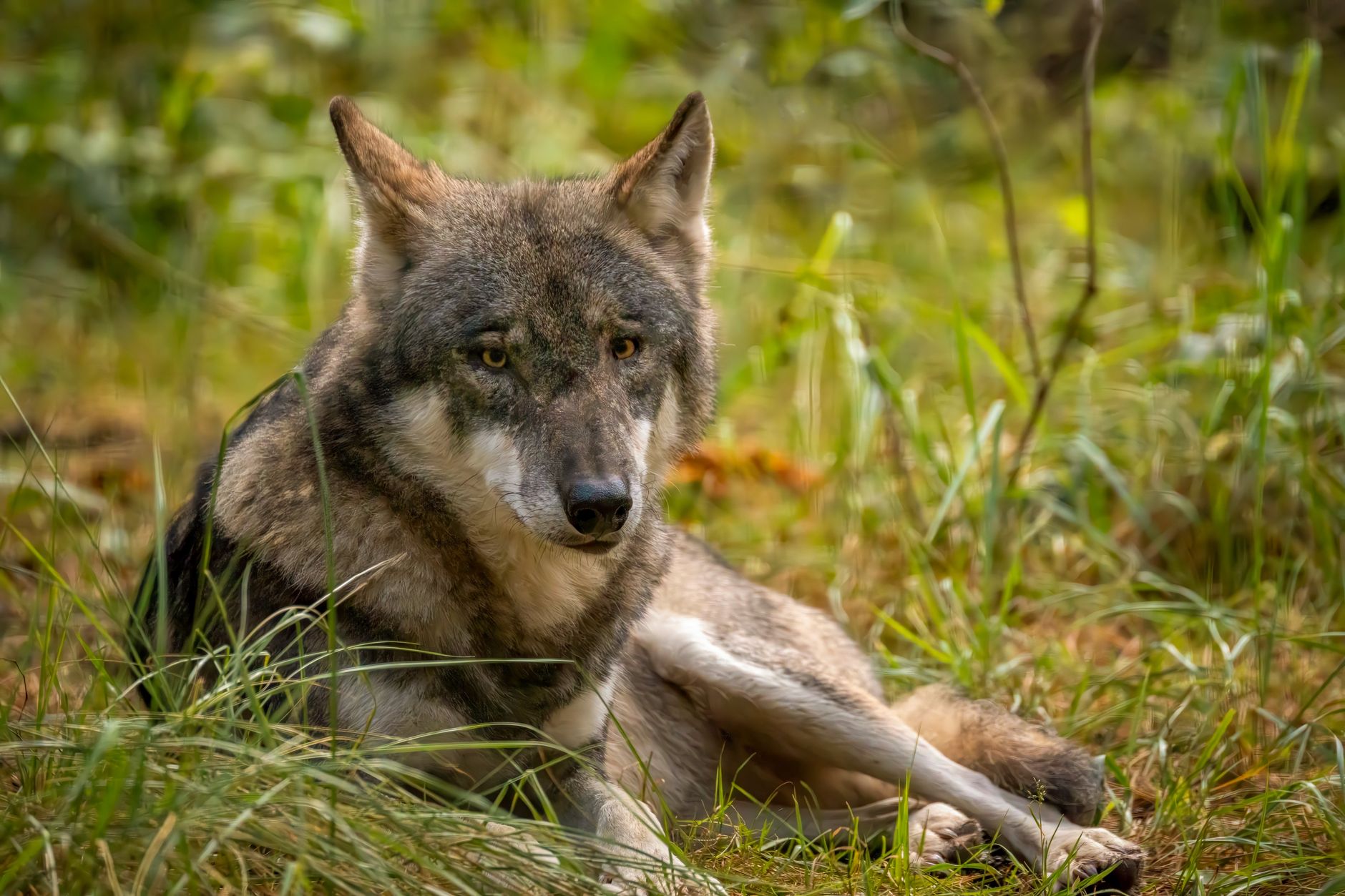
Understanding the Wolf Howl: A Sonic Signature
Wolves, Canis lupus, are highly social animals, and their howls are a crucial component of their communication system. Unlike a simple bark, a wolf howl is a complex vocalization that can convey a wealth of information. Understanding the factors influencing its audibility is essential to appreciating its ecological role.

What colours are fish most attracted to?
Can you put your finger in a trout's mouth?
Is methylene blue anti bacterial?
Does aquarium salt raise pH in aquarium?
The Purposes of a Wolf Howl

Wolf howls serve multiple purposes, including:
- Territorial defense: Howls announce the pack’s presence and deter other wolves from encroaching on their territory.
- Pack cohesion: Howls help keep the pack together, especially when dispersed over a wide area.
- Mate attraction: Howls can attract potential mates, particularly during breeding season.
- Alarm calls: Howls can signal danger, such as the presence of predators or intruders.
- Hunting coordination: Howls can assist in coordinating hunting strategies among pack members.
Factors Affecting Howl Audibility
Several factors influence how far a wolf’s howl can be heard from:
- Environmental Conditions: Wind direction, temperature, humidity, and the presence of obstructions like forests or hills can all affect sound propagation. A tailwind can carry a howl further, while dense vegetation can dampen it.
- Terrain: Open terrain, such as grasslands or tundra, allows sound to travel more freely than mountainous or heavily forested areas.
- Wolf Vocalization Technique: The intensity, pitch, and duration of the howl play a significant role. Stronger, lower-pitched howls tend to travel further.
- Ambient Noise: Human activities, such as traffic or construction, can mask wolf howls, reducing their audibility. The presence of other animal sounds can also interfere.
Average Distances and Contributing Factors
While the generally accepted range is up to 6 miles, several studies have shown variation:
| Study | Estimated Maximum Distance | Notes |
|---|---|---|
| :———————— | :————————- | :———————————————————————— |
| Harrington & Mech (1978) | 5-6 miles | Ideal conditions, based on observations in Minnesota. |
| Joslin (1967) | 4-5 miles | Based on anecdotal evidence from Yellowstone National Park. |
| Field Observations | 3-7 miles | Range varies significantly based on the factors listed above. |
How Biologists Study Wolf Howls
Scientists use various methods to study wolf howls, including:
- Playback Experiments: Playing recorded wolf howls in the field and monitoring the response of wild wolves. This helps determine how wolves react to different types of howls.
- Acoustic Monitoring: Using recording devices to capture and analyze wolf howls. This can provide data on howl frequency, duration, and intensity.
- Telemetry: Tracking wolves with GPS collars and correlating their location with howl data. This helps understand how wolves use howls to communicate across distances.
- Citizen Science: Encouraging the public to report wolf howls. This can provide valuable data on wolf distribution and behavior.
Common Misconceptions about Wolf Howls
There are several common misconceptions about wolf howls. One is that wolves only howl at the moon. While wolves may howl more frequently at night, they howl at any time of day. Another misconception is that all wolf howls sound the same. In reality, wolf howls vary in pitch, duration, and intensity, and wolves can even have individual “voices”. Finally, many people believe that wolves howl because they are lonely. While social bonding is a function of howling, it’s used for much more.
Frequently Asked Questions About Wolf Howls
How does wind affect how far a wolf’s howl can be heard from?
Wind can significantly impact the audibility of a wolf’s howl. A tailwind will carry the sound further, increasing the range how far a wolf’s howl can be heard from. A headwind, on the other hand, will reduce the distance by dispersing and weakening the sound waves.
Do younger wolves howl differently than older wolves?
Yes, younger wolves, particularly pups, often have higher-pitched howls compared to older wolves. As they mature, their vocal cords develop, resulting in deeper, more resonant howls. The change in howl pitch is often indicative of maturity.
Can humans mimic wolf howls accurately?
While some people can mimic wolf howls with reasonable accuracy, it’s difficult to replicate the full complexity and subtle variations in wolf vocalizations. Experienced wildlife biologists and researchers often use howl imitations in playback experiments but acknowledge limitations.
Are wolf howls different in different regions of the world?
Yes, there can be regional variations in wolf howls. These differences can be attributed to genetic variations between wolf populations, as well as adaptations to specific environments and prey species. Think of it as regional accents.
How do wolves distinguish between different types of howls?
Wolves are adept at distinguishing between different types of howls based on factors such as pitch, duration, intensity, and the presence of harmonics. They can also recognize individual pack members by their unique vocal signatures.
What is a “chorus howl,” and why do wolves participate in it?
A chorus howl is when multiple wolves howl together, creating a complex and layered vocalization. Chorus howls serve to reinforce pack bonds, establish territory, and communicate the pack’s size and strength to rival packs.
Does the density of the forest impact how far a wolf’s howl can be heard from?
Yes, the density of the forest has a significant impact. Dense forests absorb and scatter sound waves, reducing the distance a wolf’s howl can travel compared to open areas.
How do biologists use howls to estimate wolf population size?
Biologists use acoustic monitoring and playback experiments to estimate wolf population size. By analyzing the frequency and distribution of howls, they can estimate the number of packs in an area and the number of individuals in each pack. However, this method has limitations and is often combined with other survey techniques.
What time of year are wolf howls most frequently heard?
Wolf howls are often heard most frequently during the breeding season (late winter/early spring) and during the pup-rearing season (spring/summer). These are times when communication within the pack is particularly important.
Can wolves hear other wolves howling from farther away than humans can?
Likely, yes. Wolves have excellent hearing, far superior to that of humans. They can detect subtle variations in sound and are likely able to hear howls from further away than humans can, even accounting for the limitations of environmental factors.
Are wolf howls instinctive, or are they learned?
Wolf howls are likely a combination of instinct and learning. The basic ability to howl is likely innate, but wolves refine their howling technique and learn to communicate effectively within the pack through observation and practice.
How can I help contribute to wolf research by reporting howls?
You can contribute to wolf research by reporting any howls you hear to your local wildlife agency or conservation organization. Providing details such as location, time of day, and the number of wolves you heard can be valuable data for researchers. Many organizations have online portals or phone numbers dedicated to collecting citizen science data. This is a key aspect in understanding how far a wolf’s howl can be heard from, and how it can affect population dynamics.