

How Far Can a Kangaroo Swim? Delving into the Aquatic Abilities of Australia’s Iconic Marsupial
While kangaroos are primarily land-dwelling creatures, they are surprisingly capable swimmers. An adult kangaroo can typically swim for several hundred meters, and in exceptional circumstances, potentially over a kilometer to escape danger or navigate waterways.

Introduction: Kangaroos Beyond the Outback
Kangaroos. The very word conjures images of red dust, boundless plains, and powerful leaps across the Australian outback. But what happens when these iconic marsupials encounter water? While not often depicted as aquatic animals, kangaroos possess a surprising, and sometimes life-saving, ability to swim. Understanding how far can a kangaroo swim? requires exploring their physiological adaptations, motivations, and the environmental conditions they face. This article delves into the watery world of the kangaroo, examining their swimming capabilities and the factors that influence their aquatic excursions.

What colours are fish most attracted to?
Can you put your finger in a trout's mouth?
Is methylene blue anti bacterial?
Does aquarium salt raise pH in aquarium?
The Mechanics of Kangaroo Swimming
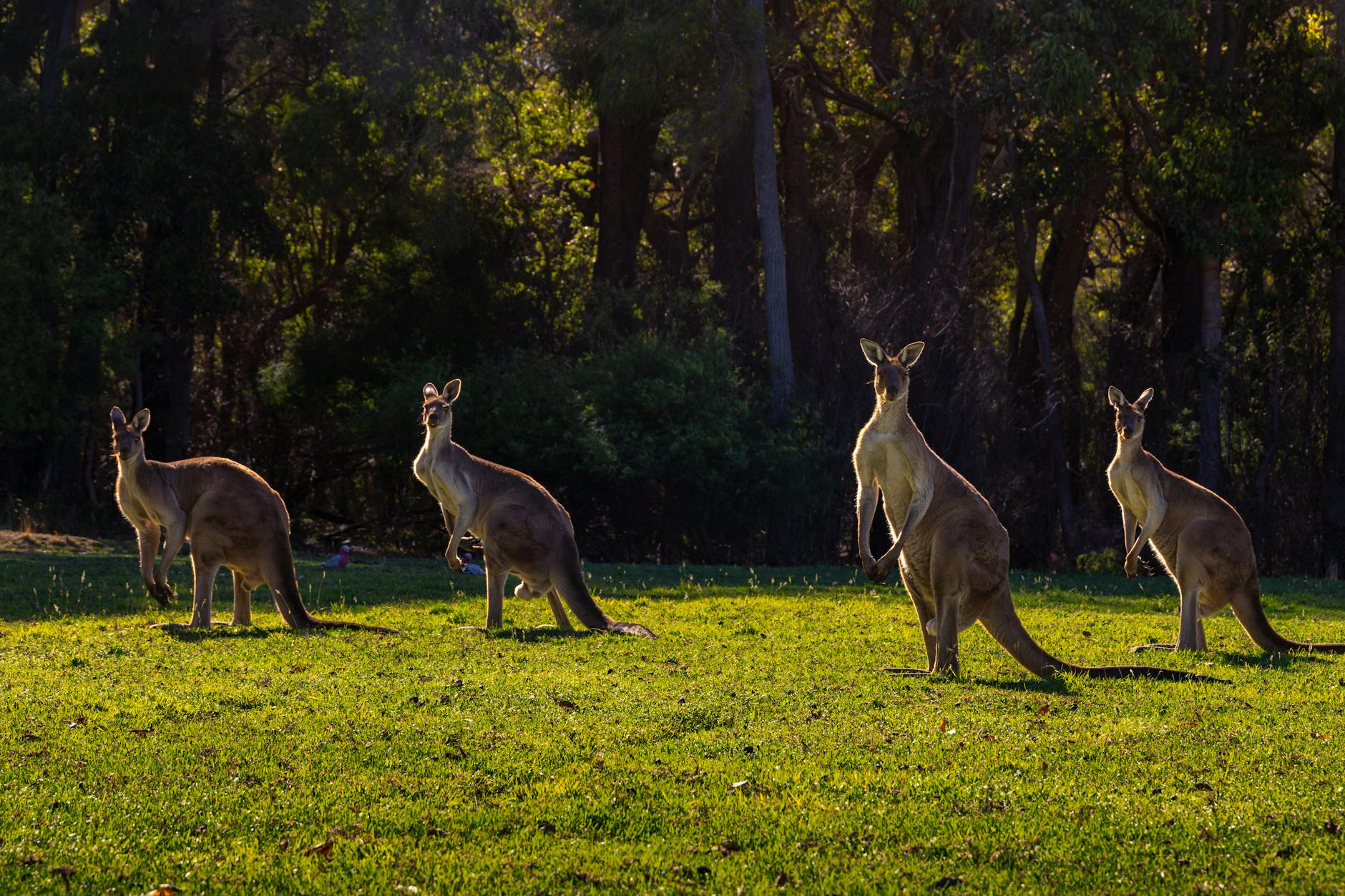
Kangaroos are not naturally designed for prolonged swimming. However, they have evolved certain adaptations that allow them to navigate water effectively when necessary. Their powerful legs, used for hopping on land, provide propulsion in the water, while their tail acts as a rudder for steering. Here’s a breakdown of the key elements:
- Leg Propulsion: Kangaroos use a dog-paddle style of swimming, kicking their hind legs to generate forward momentum.
- Tail Rudder: The large, muscular tail provides balance and allows the kangaroo to steer its course.
- Buoyancy: Kangaroos are relatively buoyant due to their fur and the air trapped within it.
- Facial Features: They can often keep their nose and mouth above water, allowing them to breathe while swimming.
Reasons for Swimming: Survival and Navigation
Kangaroos primarily swim for two reasons: to escape predators or to navigate waterways.
- Predator Avoidance: When threatened by dingoes or other predators, kangaroos may enter the water as a means of escape. Swimming can provide a temporary refuge, as the pursuer may be less adept in the water.
- Navigating Waterways: Kangaroos may need to cross rivers, lakes, or even short stretches of ocean to reach better grazing grounds or escape bushfires. This is particularly true in areas with fragmented habitats.
- Thermoregulation: While less common, kangaroos might also enter the water on extremely hot days to cool down.
Factors Influencing Swimming Distance
How far can a kangaroo swim? depends on several factors:
- Species: Different kangaroo species have varying swimming abilities. For instance, larger species like the Red Kangaroo might be able to swim further than smaller species.
- Age and Health: A young or weak kangaroo will not be able to swim as far as a healthy adult.
- Water Conditions: Strong currents, cold water, or choppy seas can significantly reduce a kangaroo’s swimming distance.
- Motivation: A kangaroo desperately fleeing a predator may push itself further than one simply crossing a river for food.
The following table provides a generalized overview:
| Factor | Influence on Swimming Distance |
|---|---|
| Species | Larger species = further |
| Age & Health | Healthy adult = further |
| Water Conditions | Calm, warm water = further |
| Motivation | High motivation = further |
Common Misconceptions About Kangaroo Swimming
A common misconception is that kangaroos are naturally excellent swimmers. While capable, they are not as adept in the water as other animals like otters or seals. Their swimming style is rather ungainly, and prolonged swimming can be exhausting. Another myth is that kangaroos only swim when forced to. While often a survival tactic, they may also swim for navigational purposes or even, occasionally, for play.
Examples of Kangaroo Swimming Feats
While precise data on kangaroo swimming distances is limited, anecdotal evidence and observations suggest they can cover surprising distances. There have been reports of kangaroos swimming across wide rivers and even short distances between islands. However, these feats are likely exceptional and driven by strong survival instincts. It is crucial to remember that swimming is a strenuous activity for kangaroos, and they are not built for sustained aquatic performance.
Environmental Considerations and Conservation
As human development encroaches on kangaroo habitats, understanding their ability to navigate waterways becomes increasingly important. Fragmentation of habitats can force kangaroos to swim across larger and more dangerous bodies of water. Conservation efforts should consider these factors to ensure the survival and well-being of these iconic animals. Understanding how far can a kangaroo swim? helps us understand their environmental needs.
The Future of Kangaroo Research
Further research is needed to fully understand the swimming capabilities of different kangaroo species. Studies could focus on:
- Tracking kangaroo movements and swimming behavior in different environments.
- Analyzing the physiological effects of swimming on kangaroos.
- Assessing the impact of habitat fragmentation on kangaroo swimming.
By gaining a deeper understanding of kangaroo swimming, we can better protect these remarkable animals and their habitats.
Frequently Asked Questions (FAQs)
Can kangaroos drown?
Yes, kangaroos can drown. While they can swim, they are not built for sustained aquatic activity and can become exhausted, especially in strong currents or rough water. Young or weak kangaroos are particularly vulnerable.
Are all kangaroo species good swimmers?
Not all kangaroo species are equally skilled swimmers. Larger species, like the Red Kangaroo, tend to be more capable swimmers than smaller species, but individual variation exists. The health and age of the animal also play a crucial role in determining swimming proficiency.
How do kangaroos protect themselves while swimming?
Kangaroos primarily rely on their size and strength to deter predators while swimming. They can also use their powerful legs to kick at attackers. Their ability to keep their nose and mouth above water is crucial for breathing.
Do kangaroos enjoy swimming?
While kangaroos may enter the water to cool off on hot days, they don’t typically “enjoy” swimming in the same way that aquatic animals do. Swimming is usually a survival mechanism or a means of navigating their environment.
What is the kangaroo swimming speed?
A kangaroo’s swimming speed is relatively slow compared to its hopping speed on land. It is difficult to give an exact number, as it varies depending on the species, water conditions, and the animal’s motivation.
How long can a kangaroo hold its breath underwater?
Kangaroos are not adapted to hold their breath for extended periods underwater. They need to keep their nose and mouth above the surface to breathe.
What happens if a kangaroo gets caught in a strong current while swimming?
If a kangaroo gets caught in a strong current, it can become quickly exhausted and disoriented. This can increase the risk of drowning, particularly for young or weak individuals.
Can kangaroos swim in saltwater?
Yes, kangaroos can swim in saltwater for short periods, but they are not as well-adapted to it as marine animals. Prolonged exposure to saltwater can lead to dehydration and other health problems.
How do humans affect kangaroo swimming abilities?
Human activities, such as habitat fragmentation and dam construction, can negatively impact kangaroo swimming abilities by forcing them to swim across larger and more dangerous bodies of water.
Do baby kangaroos (joeys) swim?
Joeys are not capable of swimming and rely on their mothers for transportation across water. The mother will carefully cradle the joey while swimming.
Is it safe to swim near a kangaroo?
It’s generally not safe to swim near a kangaroo. They are wild animals and can be unpredictable. A frightened or threatened kangaroo may kick or bite.
What is the best way to help a kangaroo struggling in the water?
If you see a kangaroo struggling in the water, contact local wildlife rescue authorities immediately. Do not attempt to rescue the animal yourself, as this could put you at risk. Provide them with the location and any other pertinent information.