

How Far Can a Bear Smell? Unveiling the Olfactory Prowess of Ursids
The range of a bear’s sense of smell is truly astounding. A bear’s olfactory capabilities are legendary, allowing them to detect scents up to an incredible 20 miles away, depending on wind conditions and the concentration of the odor. This remarkable ability is crucial for survival, allowing them to find food, avoid danger, and even locate mates.
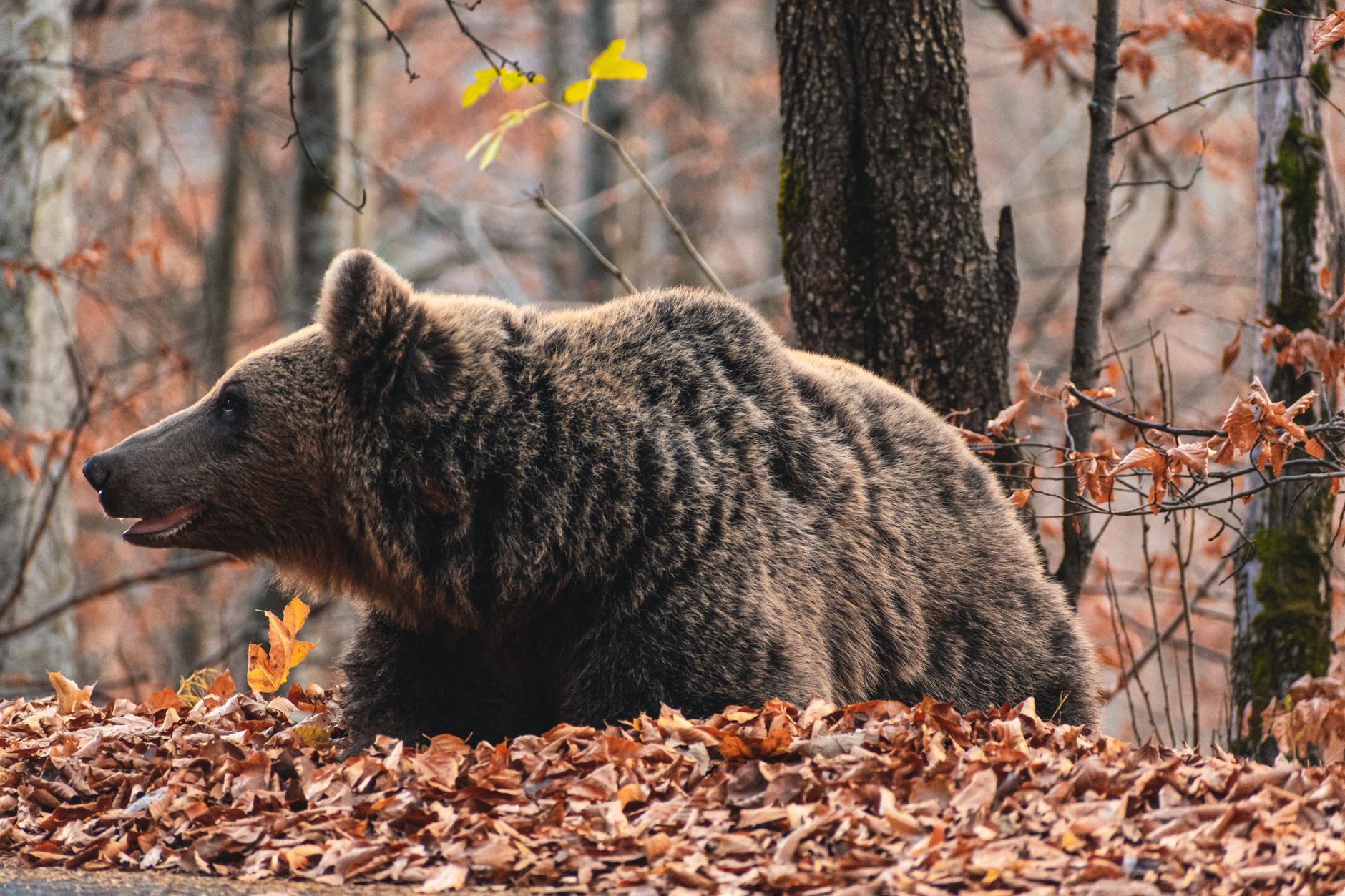
Understanding the Bear’s Super Sniffer
Bears possess one of the most acute senses of smell in the animal kingdom, far surpassing that of humans and even dogs. This olfactory superpower is vital for their survival and shapes their behavior in profound ways. Understanding the mechanisms behind this exceptional ability and the factors that influence its range is key to appreciating the bear’s place in the ecosystem and ensuring human safety in bear country.

What colours are fish most attracted to?
Can you put your finger in a trout's mouth?
Is methylene blue anti bacterial?
Does aquarium salt raise pH in aquarium?
The Anatomy of a Super Sniffer

The bear’s exceptional sense of smell is rooted in its unique nasal anatomy. Several key features contribute to its olfactory prowess:
- Enormous Nasal Cavity: Bears have a significantly larger nasal cavity than humans. This larger space contains a greater surface area for olfactory receptors.
- Olfactory Epithelium: The olfactory epithelium, the tissue containing the olfactory receptors, is substantially larger and more densely packed with receptors in bears compared to humans.
- Turbinates: These intricate, scroll-shaped bones within the nasal cavity increase the surface area for odor molecules to bind to receptors. The larger the turbinates, the more odor molecules can be detected.
- Brainpower: The olfactory bulb, the part of the brain that processes smell, is significantly larger in bears, allowing for sophisticated analysis of scent information.
Factors Influencing the Range of Smell
Several environmental and biological factors influence how far can a bear smell?:
- Wind Direction and Speed: Wind carries scent molecules. A bear downwind from a source will detect it much sooner than one upwind. Strong winds can disperse scents, while gentle breezes can concentrate them.
- Humidity and Temperature: Humidity can affect the persistence of scent molecules in the air. Temperature also plays a role, as warmer air can carry scents further.
- Odor Intensity: A strong, concentrated odor will be detectable at a greater distance than a faint one. Consider the difference between a freshly killed deer and a discarded apple core.
- Bear Species: While all bear species have an excellent sense of smell, there may be slight variations in olfactory acuity between species. For example, polar bears, which rely heavily on their sense of smell to locate seals under the ice, might have particularly refined olfactory senses.
- Terrain: Open terrain allows scent to travel further than dense forests, where vegetation can obstruct airflow.
- Age and Health: Younger bears may have less experience interpreting scents. Also, illness or injury could temporarily impair a bear’s sense of smell.
The Importance of Scent in Bear Behavior
A bear’s sense of smell is not just a cool fact; it’s fundamental to their survival.
- Finding Food: Bears use their incredible sense of smell to locate food sources, from berries and roots to carrion and honey. This is particularly important for bears preparing for hibernation.
- Avoiding Predators and Danger: Bears can detect the scent of predators, such as wolves or other bears, and avoid potentially dangerous encounters.
- Finding Mates: During mating season, bears use their sense of smell to locate potential partners.
- Navigation: Bears may use scent trails to navigate their territory and find their way back to den sites.
Common Misconceptions About Bear Smell
One common misconception is that bears can smell anything, anywhere. While their sense of smell is exceptional, it’s not infallible. Wind conditions, terrain, and odor intensity all play a crucial role. Another misunderstanding is that bears are solely driven by hunger. While food is a primary motivator, bears also use their sense of smell for social communication, navigation, and predator avoidance.
Safety Precautions in Bear Country
Given the power of a bear’s sense of smell, taking appropriate precautions in bear country is essential for both human and bear safety.
- Store Food Properly: Always store food in bear-resistant containers or hang it high between trees. This prevents bears from being attracted to your campsite.
- Dispose of Garbage Responsibly: Pack out all trash or use bear-resistant garbage receptacles.
- Be Aware of Your Surroundings: Pay attention to wind direction and be mindful of potential food sources nearby.
- Make Noise: When hiking, make noise to alert bears to your presence, giving them time to avoid you.
- Carry Bear Spray: Bear spray is an effective deterrent in the event of a bear encounter. Know how to use it properly.
| Safety Measure | Description |
|---|---|
| Food Storage | Use bear-resistant containers or hang food properly. |
| Garbage Disposal | Pack out all trash or use bear-resistant garbage cans. |
| Awareness | Be mindful of wind direction and potential food sources. |
| Noise | Make noise while hiking to alert bears to your presence. |
| Bear Spray | Carry bear spray and know how to use it effectively. |
The Future of Bear Olfactory Research
Scientists continue to study the intricacies of the bear’s sense of smell. Ongoing research aims to understand the full range of odors that bears can detect, how they process scent information, and how climate change and habitat loss may be affecting their olfactory abilities. These studies are crucial for developing effective conservation strategies and minimizing human-wildlife conflict. Understanding how far can a bear smell? is the first step in respecting this animal’s survival skills and coexisting peacefully.
Frequently Asked Questions (FAQs)
How does a bear’s sense of smell compare to a dog’s?
While both bears and dogs have excellent senses of smell, bears generally outperform dogs. Bears have a larger nasal cavity, more olfactory receptors, and a larger olfactory bulb in the brain. Some experts estimate a bear’s sense of smell to be up to 7 times stronger than a bloodhound’s.
Can bears smell through sealed containers?
While bears can smell through many types of sealed containers, particularly those made of plastic, bear-resistant containers are designed to be extremely difficult, if not impossible, for bears to access. These containers are made of durable materials and have secure locking mechanisms. The key is using certified bear-resistant containers and ensuring they are properly sealed.
How does a bear’s sense of smell help them find mates?
During mating season, female bears release pheromones, chemical signals that attract males. Male bears use their keen sense of smell to detect these pheromones, allowing them to locate potential mates over long distances. This olfactory ability is critical for successful reproduction.
Can bears smell fear?
The idea that bears can smell fear is a popular myth. While bears can detect human scent, there is no scientific evidence to suggest they can specifically smell fear. However, a person who is fearful may exhibit behaviors, such as running or making loud noises, that could provoke a bear. Remaining calm and avoiding sudden movements is crucial in a bear encounter.
Do different bear species have different senses of smell?
While all bear species have excellent senses of smell, there might be slight variations in olfactory acuity. Polar bears, for example, rely heavily on their sense of smell to locate seals under the ice, suggesting they may have particularly refined olfactory senses. However, more research is needed to fully understand the differences between species. All bears rely heavily on scent for survival.
How does wind direction affect a bear’s ability to smell?
Wind direction is a critical factor in determining how far can a bear smell? A bear downwind from a scent source will detect it much sooner than one upwind. Wind carries scent molecules, allowing them to travel over greater distances. Paying attention to wind direction is essential when hiking or camping in bear country.
Can a bear’s sense of smell be impaired?
Yes, a bear’s sense of smell can be impaired by illness, injury, or age. A nasal infection or injury to the olfactory receptors could temporarily reduce a bear’s ability to detect scents. Older bears may also experience a decline in their olfactory function. This impairment can affect their ability to find food and avoid danger.
How do bears use their sense of smell to navigate?
Bears may use scent trails left by other bears or animals to navigate their territory. They also have a strong sense of spatial memory, which, combined with their sense of smell, allows them to find their way back to den sites, feeding areas, and other important locations. Scent cues play a crucial role in their navigational abilities.
Why is storing food properly so important in bear country?
Improperly stored food can attract bears to campsites and human settlements, creating a dangerous situation for both humans and bears. Bears that become habituated to human food sources may become aggressive and pose a threat to public safety. Proper food storage is essential for preventing bear-human conflict.
How does climate change affect a bear’s sense of smell?
Climate change can affect a bear’s sense of smell by altering the availability and distribution of food sources. Changes in temperature and precipitation patterns can impact the growth of berries, the abundance of fish, and the distribution of other prey animals. These changes can make it more difficult for bears to find food using their sense of smell.
What is bear spray and how does it work?
Bear spray is a non-lethal deterrent made from concentrated capsaicin, the active ingredient in chili peppers. When sprayed, it creates a cloud of irritating mist that affects the bear’s eyes, nose, and throat, causing temporary discomfort and disorientation. Bear spray provides a valuable defense against aggressive bears.
Is a bear’s sense of smell the only sense they rely on?
While a bear’s sense of smell is incredibly powerful, they also rely on their other senses, including hearing and vision. Bears have good hearing, which helps them detect approaching danger. Their vision is decent, particularly in daylight. Bears integrate information from all their senses to navigate their environment and survive.