

How Hummingbirds Help Flowers: Nature’s Winged Gardeners
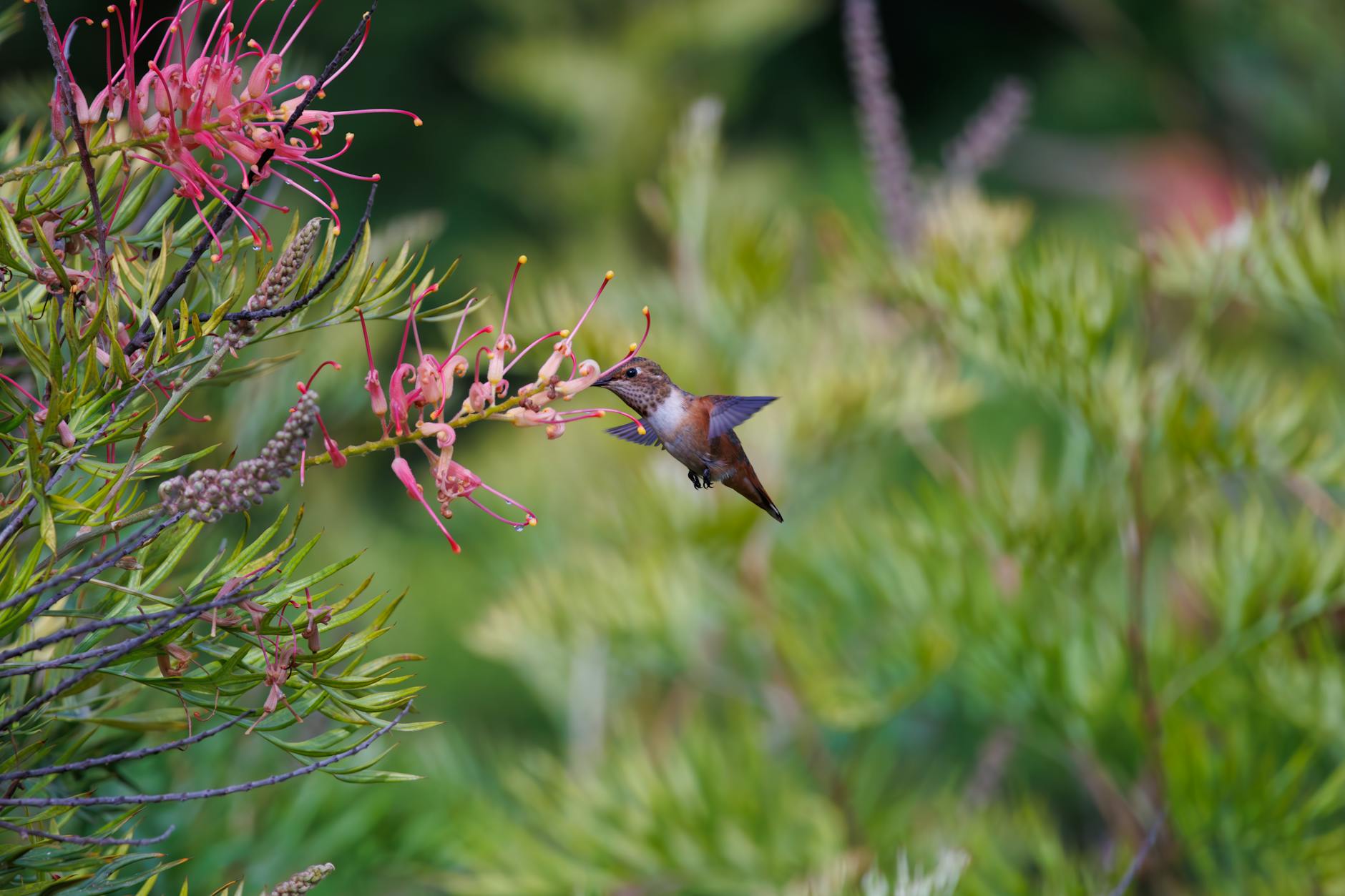
Hummingbirds are vital pollinators, playing a crucial role in the reproduction of many plant species; they facilitate the transfer of pollen between flowers as they feed on nectar, a process vital for plant fertilization and seed production, which ultimately answers the question of how does the hummingbird help the flowers?
The Dance of Nectar and Pollen: A Symbiotic Relationship
The relationship between hummingbirds and flowers is a beautiful example of mutualism, where both species benefit. Hummingbirds rely on nectar as their primary energy source, a high-sugar liquid produced by flowers. Flowers, in turn, rely on hummingbirds to carry their pollen to other flowers of the same species, enabling fertilization.

What colours are fish most attracted to?
Can you put your finger in a trout's mouth?
Is methylene blue anti bacterial?
Does aquarium salt raise pH in aquarium?
Hummingbird Anatomy: Perfectly Suited for Pollination

Hummingbirds possess several adaptations that make them highly effective pollinators. These include:
- Long, slender bills: These allow them to reach deep into tubular flowers, where nectar is often hidden.
- Brush-tipped tongues: These specialized tongues rapidly lap up nectar.
- Exceptional flight skills: Hummingbirds can hover in place, allowing them to access nectar without landing. This is crucial for flowers that may not be able to support the bird’s weight.
- Feathery Pollen Carriers: Pollen sticks to their feathers, especially around their head and throat, and is then deposited on the next flower they visit.
The Pollination Process: A Step-by-Step Guide
The pollination process involving hummingbirds typically unfolds as follows:
- Attraction: Hummingbirds are attracted to brightly colored flowers, especially red, orange, and pink.
- Nectar Consumption: The hummingbird inserts its bill into the flower and laps up nectar with its tongue.
- Pollen Collection: As the hummingbird feeds, pollen grains from the flower’s anthers (male reproductive parts) stick to its head, bill, and feathers.
- Pollen Transfer: The hummingbird flies to another flower of the same species.
- Fertilization: As the hummingbird feeds on the second flower, some of the pollen from its body is deposited on the stigma (female reproductive part), leading to fertilization.
Benefits for Flowers: Increased Genetic Diversity
How does the hummingbird help the flowers? Beyond simply transferring pollen, hummingbirds contribute to the overall health and genetic diversity of plant populations. Because they often fly long distances between flowers, they can facilitate cross-pollination, which introduces new genetic material into the next generation of plants. This increased diversity makes plant populations more resilient to disease, environmental changes, and other stressors.
Flowers Especially Dependent on Hummingbird Pollination
Several plant species have evolved to become almost entirely reliant on hummingbird pollination. Examples include:
- Fuchsia species
- Salvia species (especially red varieties)
- Lobelia cardinalis (Cardinal Flower)
- Aquilegia species (Columbine)
Threats to Hummingbird Pollination: Habitat Loss and Climate Change
Unfortunately, the crucial relationship between hummingbirds and flowers is threatened by habitat loss, pesticide use, and climate change. As natural habitats are destroyed and fragmented, hummingbird populations decline, reducing their effectiveness as pollinators. Climate change can also disrupt the synchrony between hummingbird migration and flowering times, leading to mismatches that negatively impact both species.
Supporting Hummingbirds and the Flowers They Pollinate: Actions You Can Take
You can help protect hummingbirds and the flowers they pollinate by:
- Planting native, hummingbird-friendly flowers in your garden.
- Avoiding the use of pesticides, especially insecticides.
- Supporting conservation organizations that work to protect hummingbird habitats.
- Creating a water source for hummingbirds, such as a shallow bird bath or mister.
- Educating others about the importance of hummingbird pollination.
Frequently Asked Questions (FAQs)
Why are hummingbirds attracted to red flowers?
Hummingbirds have excellent color vision, and they are particularly attracted to red, orange, and pink flowers. This is because these colors are often associated with nectar-rich flowers. While bees also pollinate, their vision is limited to certain colors, especially UV. Hummingbirds, unlike bees, readily see red, making it a powerful attractant.
Do all hummingbirds pollinate flowers?
Yes, virtually all hummingbird species play a role in pollination to some extent. While they primarily feed on nectar, they inevitably collect and transfer pollen as they move between flowers. The degree of their involvement varies depending on the specific species and the availability of suitable flowers in their habitat.
What happens if hummingbirds disappear?
The disappearance of hummingbirds would have significant consequences for the plants that rely on them for pollination. Many of these plants would experience reduced seed production and declining populations, potentially leading to local extinctions. This, in turn, could disrupt entire ecosystems.
Are there other animals that pollinate flowers besides hummingbirds?
Yes, many other animals contribute to pollination, including bees, butterflies, moths, bats, and even some mammals and reptiles. Each pollinator has its own unique adaptations and preferences, and different plant species have evolved to attract specific types of pollinators.
Do hummingbirds only pollinate red flowers?
While hummingbirds are strongly attracted to red flowers, they do not exclusively pollinate them. They will also visit and pollinate flowers of other colors, including orange, pink, purple, and white, especially if those flowers offer a reliable source of nectar.
How far do hummingbirds typically travel to pollinate flowers?
Hummingbirds can travel considerable distances to forage for nectar, sometimes flying several miles per day. This long-distance travel helps to facilitate cross-pollination and maintain genetic diversity within plant populations.
Can I attract hummingbirds to my garden with feeders instead of flowers?
Hummingbird feeders can attract hummingbirds to your garden and provide them with a supplemental source of energy. However, feeders should not replace flowers entirely. Flowers provide a more natural and diverse source of nutrition and support a wider range of pollinators.
Are hummingbirds important for agriculture?
While hummingbirds are not as widely used in commercial agriculture as bees, they can play a role in pollinating certain crops, particularly those grown in greenhouses or small-scale farms. Additionally, their presence in natural habitats surrounding agricultural fields can benefit overall ecosystem health.
What is the best time of day to see hummingbirds pollinating flowers?
Hummingbirds are most active during the early morning and late afternoon hours when temperatures are cooler and nectar is more abundant. These are the best times to observe them feeding and pollinating flowers in your garden or in natural areas.
How long do hummingbirds live?
The average lifespan of a hummingbird is about 3 to 5 years, although some individuals can live much longer. Factors such as habitat quality, food availability, and predation can influence their lifespan.
What is the biggest threat to hummingbird populations?
The biggest threat to hummingbird populations is habitat loss and degradation. As natural habitats are destroyed and fragmented, hummingbirds lose access to essential resources such as food, shelter, and nesting sites. Climate change, with its impact on flowering times and habitat suitability, also poses a significant threat.
Is it OK to plant non-native hummingbird flowers in my garden?
While some non-native flowers may attract hummingbirds, it is generally best to plant native species. Native plants are adapted to the local climate and soil conditions and provide the most nutritious and beneficial food source for hummingbirds and other pollinators. They also support a wider range of insects and other wildlife. The crucial takeaway is that how does the hummingbird help the flowers depends on the availability of appropriate flora.