

How Does Loud Noise Affect Wildlife? The Silent Threat
Loud noise significantly impacts wildlife, disrupting their ability to communicate, forage, reproduce, and avoid predators. This pervasive pollution leads to reduced species survival and ecosystem imbalance, necessitating urgent action.
Introduction: A World of Sound and Silence
The natural world is a symphony of sounds, from the gentle rustling of leaves to the complex songs of birds. These sounds are crucial for animals to navigate their environment, find food, attract mates, and avoid danger. However, human-generated noise is increasingly drowning out this natural soundscape, creating a pervasive form of pollution that significantly impacts wildlife. How does loud noise affect wildlife? This article delves into the detrimental consequences of noise pollution on animal life, exploring the various ways it disrupts their behavior, physiology, and survival.

What colours are fish most attracted to?
Can you put your finger in a trout's mouth?
Is methylene blue anti bacterial?
Does aquarium salt raise pH in aquarium?
The Nature of Noise Pollution

Noise pollution, often overlooked compared to other forms of environmental contamination, is defined as unwanted or excessive sound that can have adverse effects on human and animal health. Its sources are diverse and ever-growing:
- Transportation: Roads, railways, and air traffic contribute heavily to noise pollution, particularly in urban and suburban areas.
- Industry: Construction, manufacturing, and resource extraction activities generate significant noise levels.
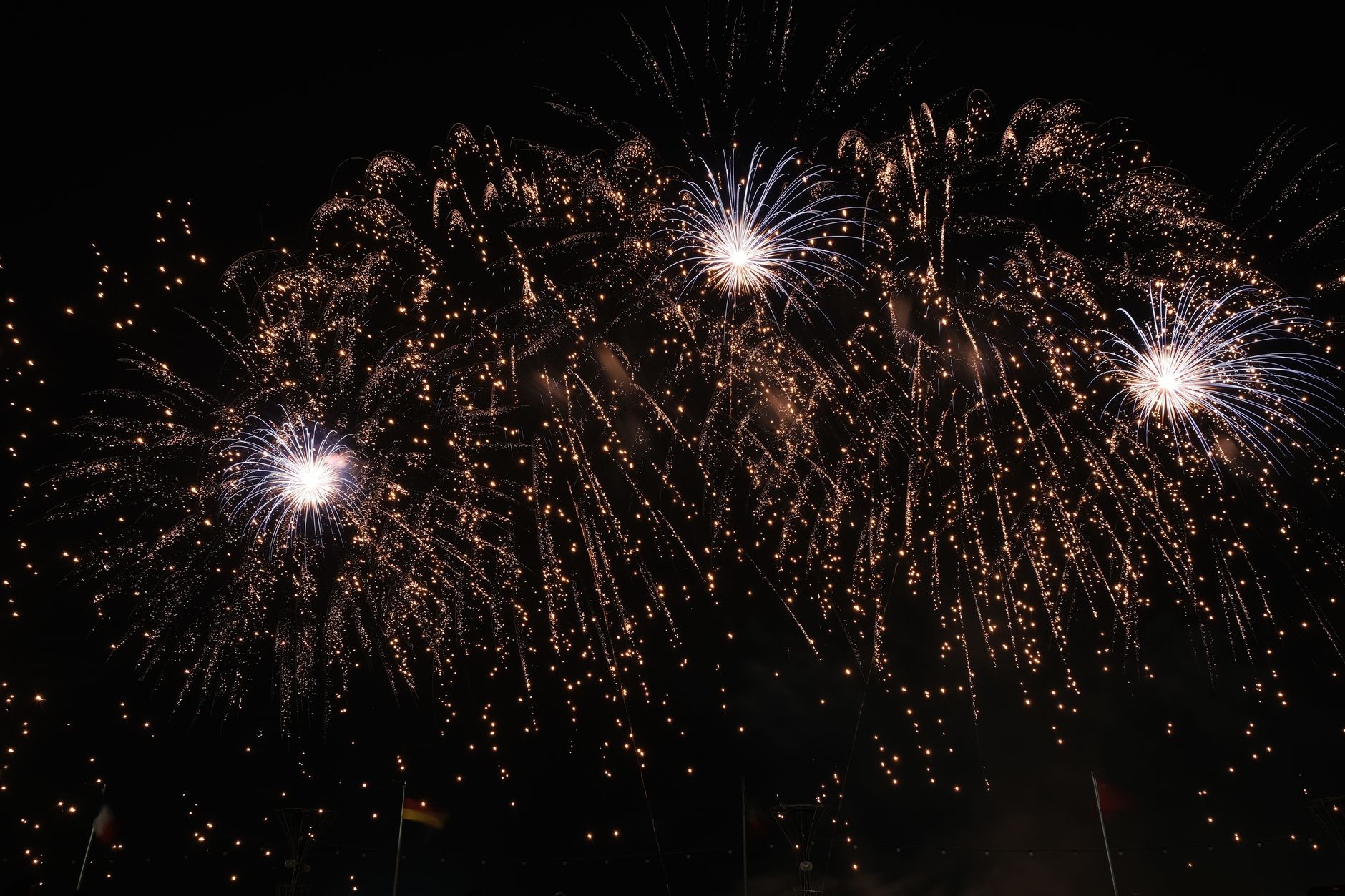
- Recreational Activities: Loud music, fireworks, and motorized vehicles (e.g., boats, ATVs) can disrupt wildlife habitats.
- Military Activities: Sonar, explosions, and aircraft noise associated with military training exercises pose a severe threat, particularly to marine animals.
Unlike visual or chemical pollution, noise pollution is often transient – it disappears when the source stops. However, even brief periods of intense noise can have lasting impacts on wildlife.
Disrupting Communication and Foraging
Many animals rely on sound to communicate with each other, whether it’s attracting a mate, warning of danger, or coordinating group activities. Loud noise can mask these crucial signals, making it difficult for animals to hear each other and communicate effectively.
- Mating: Birds and frogs use songs to attract mates. Noise pollution can interfere with these songs, reducing their chances of finding a partner and reproducing.
- Predator Avoidance: Many animals rely on their hearing to detect approaching predators. Noise pollution can mask the sounds of predators, making animals more vulnerable to attack.
- Foraging: Some animals, such as bats and owls, use sound to locate prey. Noise pollution can interfere with their ability to hunt effectively, leading to reduced food intake and survival.
Physiological Stress and Health Impacts
Exposure to loud noise can trigger a stress response in animals, leading to a cascade of physiological changes that can negatively impact their health and well-being. These include:
- Elevated Cortisol Levels: Chronic exposure to noise can lead to chronically elevated cortisol levels, which can suppress the immune system and increase susceptibility to disease.
- Cardiovascular Problems: Studies have shown that noise pollution can increase heart rate and blood pressure in animals, increasing their risk of cardiovascular disease.
- Hearing Damage: Intense noise can damage the delicate hair cells in the inner ear, leading to hearing loss.
- Reduced Reproduction: Stress caused by noise pollution can reduce reproductive success in animals, leading to lower birth rates and smaller populations.
Impacts on Different Wildlife Groups
How does loud noise affect wildlife? The impacts of noise pollution vary depending on the species, the type of noise, and the duration of exposure. Here’s a brief overview of how different wildlife groups are affected:
- Birds: Noise pollution can interfere with bird song, masking alarm calls, and causing birds to abandon their nests.
- Mammals: Noise pollution can disrupt communication, foraging, and predator avoidance in mammals. Marine mammals are particularly vulnerable to noise pollution from sonar and shipping.
- Fish: Noise pollution can damage the hearing of fish, interfere with their ability to communicate and navigate, and disrupt their spawning behavior.
- Insects: Noise pollution can disrupt the communication and mating behavior of insects.
Mitigating the Impact of Noise Pollution
Reducing noise pollution requires a multi-faceted approach, involving government regulations, technological innovations, and individual actions.
- Noise Barriers: Constructing noise barriers along highways and railways can help reduce noise levels in surrounding areas.
- Quieter Technologies: Developing quieter engines, machinery, and vehicles can significantly reduce noise pollution.
- Land Use Planning: Carefully planning land use to separate noisy activities from sensitive habitats can minimize the impact of noise pollution on wildlife.
- Regulations and Enforcement: Implementing and enforcing noise regulations can help control noise levels and protect wildlife.
- Education and Awareness: Raising public awareness about the impacts of noise pollution can encourage individuals to take actions to reduce their own noise footprint.
| Mitigation Strategy | Description |
|---|---|
| Noise Barriers | Physical barriers constructed to deflect or absorb sound. |
| Quieter Technologies | Development of engines, machinery, and vehicles that produce less noise. |
| Land Use Planning | Strategic allocation of land to minimize noise exposure in sensitive habitats. |
| Regulations & Enforcement | Legal frameworks that set noise limits and penalties for violations. |
| Education & Awareness | Public campaigns to inform and encourage noise reduction behaviors. |
The Importance of Soundscapes
Protecting natural soundscapes is crucial for the health and well-being of wildlife. Soundscapes provide important information about the environment and play a vital role in the ecological processes. By reducing noise pollution and restoring natural soundscapes, we can help ensure the survival of wildlife for generations to come.
Frequently Asked Questions (FAQs)
What is the decibel (dB) scale, and how is it relevant to noise pollution and wildlife?
The decibel scale measures the intensity of sound. Because the human ear (and the ears of many animals) can perceive a vast range of sound pressures, a logarithmic scale is used. An increase of 10 dB represents a tenfold increase in sound intensity. For wildlife, sustained noise levels above 85 dB can cause hearing damage and other physiological problems, and even lower levels can disrupt critical behaviors. The louder the sound measured in dB, the more likely the sound is to have adverse effects.
How does noise pollution impact marine mammals?
Marine mammals rely heavily on sound for communication, navigation, and hunting. Noise pollution from ships, sonar, and construction activities can interfere with these activities, causing disorientation, strandings, and even death. High-intensity sounds can also cause temporary or permanent hearing damage.
Are some animal species more vulnerable to noise pollution than others?
Yes, some species are more sensitive to noise than others, often depending on their reliance on sound for survival and their habitat. Animals that communicate over long distances, such as whales and certain bird species, are particularly vulnerable. Also, animals living in already stressed environments may be less able to tolerate increased stress from noise.
How can individuals reduce their contribution to noise pollution?
Individuals can reduce noise pollution by driving less, using quieter appliances, reducing loud music, and avoiding the use of noisy power tools in residential areas during evenings and early mornings. Supporting policies that promote noise reduction is also key.
What is masking, and how does it affect wildlife?
Masking occurs when noise pollution obscures or prevents the perception of important sounds, such as communication signals, predator calls, or prey sounds. This can have significant consequences for an animal’s ability to survive and reproduce.
How does noise pollution affect bird migration patterns?
Noise pollution can disorient birds during migration, leading them off course or delaying their arrival at their breeding grounds. It can also make it difficult for them to find suitable nesting sites.
What are some examples of successful noise mitigation strategies?
Examples include constructing noise barriers along highways, implementing quieter technologies in vehicles and machinery, and establishing noise-free zones in sensitive habitats. Legal and regulatory changes are also helpful.
How can technology be used to monitor and reduce noise pollution?
Technology can be used to monitor noise levels in real-time, identify noise hotspots, and track the effectiveness of noise mitigation strategies. Noise-canceling technologies can also be used to reduce noise pollution in certain areas.
How does noise pollution affect the reproductive success of animals?
Stress caused by noise pollution can interfere with the reproductive physiology of animals, reducing their ability to conceive, carry young to term, and care for their offspring. It can also disrupt courtship rituals and mating behaviors.
What is the role of governments in regulating noise pollution?
Governments play a crucial role in setting noise standards, enforcing noise regulations, and promoting the development and adoption of quieter technologies. They can also create noise-free zones in sensitive areas and invest in noise mitigation infrastructure.
Are there any long-term consequences of chronic exposure to noise pollution for wildlife populations?
Chronic exposure to noise pollution can lead to long-term declines in wildlife populations, as animals struggle to adapt to the increasingly noisy environment. It can also alter the structure and function of ecosystems.
What is being done to protect endangered species from the harmful effects of noise pollution?
Specific measures often include establishing noise-free zones in critical habitats, regulating noise levels in areas where endangered species are present, and conducting research to better understand the impacts of noise pollution on these vulnerable populations. This frequently involves legislative action.