

How Loss of Ice Affects Polar Bears: A Dire Threat
The rapid decline in Arctic sea ice directly and profoundly threatens polar bears, primarily impacting their ability to hunt seals effectively, leading to malnutrition, reduced reproduction, and increased mortality.

Introduction: The Arctic’s Vanishing Kingdom
The Arctic, a realm of pristine white and icy silence, is undergoing a dramatic transformation. This transformation, fueled by climate change, is manifesting in the unprecedented loss of sea ice. While this change resonates globally, its impact is felt most acutely by the Arctic’s iconic apex predator: the polar bear. Understanding how does loss of ice affect polar bears? is crucial not only for their conservation but also as a stark indicator of the broader environmental crisis. This article delves into the intricate relationship between polar bears and sea ice, exploring the devastating consequences of its disappearance.

What colours are fish most attracted to?
Can you put your finger in a trout's mouth?
Is methylene blue anti bacterial?
Does aquarium salt raise pH in aquarium?
The Critical Role of Sea Ice
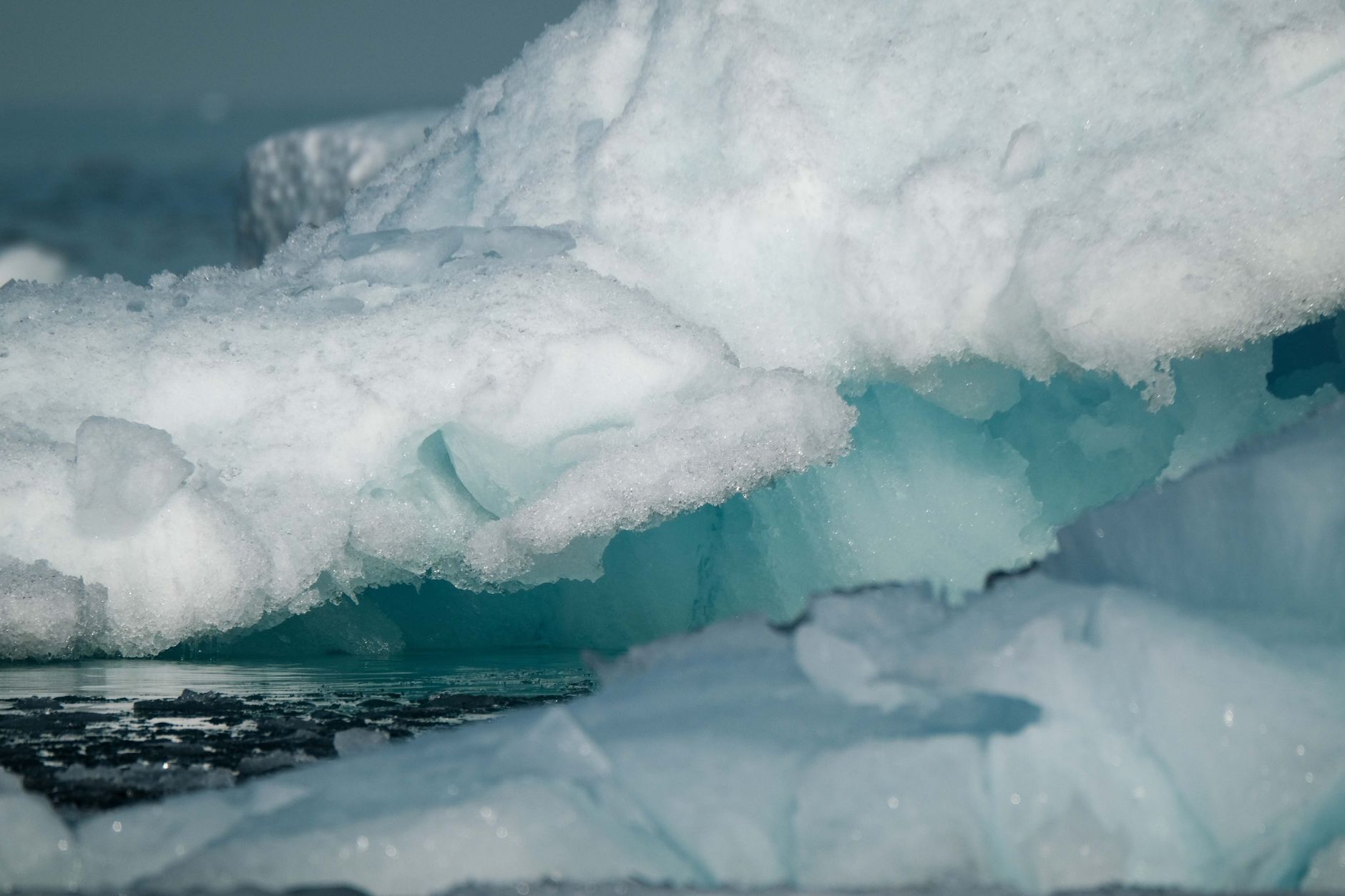
Sea ice is not merely a landscape feature for polar bears; it’s the foundation of their survival. These magnificent creatures have evolved to thrive in this frozen environment, relying on sea ice for several critical functions:
-
Hunting Platform: Seals, the primary prey of polar bears, haul out onto sea ice to rest and raise their young. Polar bears utilize the ice as a platform to ambush these seals, waiting patiently near breathing holes or along the ice edge.
-
Denning Habitat: Female polar bears construct snow dens on sea ice or adjacent land to give birth and raise their cubs. The stable environment of the den protects cubs from harsh weather and predators.
-
Travel Corridor: Sea ice provides a vast highway, allowing polar bears to travel long distances in search of food and mates.
How Does Loss of Ice Affect Polar Bears? The Cascade of Consequences
The shrinking extent and duration of sea ice cover are having cascading and devastating effects on polar bear populations:
-
Reduced Hunting Success: With less sea ice, polar bears have less access to their primary prey, seals. They spend more time on land, where hunting opportunities are limited. This leads to increased energy expenditure and reduced food intake.
-
Malnutrition and Starvation: The inability to hunt effectively results in malnutrition and even starvation. Bears become thinner, weaker, and more susceptible to disease. Cubs, particularly vulnerable, often die from lack of nourishment.
-
Decreased Reproduction: Malnourished females are less likely to conceive or successfully carry their cubs to term. Reduced cub survival rates further exacerbate population declines.
-
Increased Human-Wildlife Conflict: As sea ice melts, polar bears are forced to spend more time on land, often near human settlements. This increases the risk of encounters, which can be dangerous for both bears and people. Polar bears scavenging for food in human settlements can be a threat to human safety.
-
Shifts in Distribution: Polar bears are being forced to shift their distribution in response to changing ice conditions. Some populations are moving farther north, while others are becoming isolated in smaller, fragmented areas. This disrupts traditional migration patterns and can lead to increased competition for resources.
Regional Variations in Impact
The impact of sea ice loss varies regionally, depending on the specific ice conditions and ecological characteristics of different polar bear populations:
| Region | Ice Condition Trend | Impact on Polar Bears |
|---|---|---|
| Western Hudson Bay | Earlier ice melt, later freeze-up | Significant population decline, reduced cub survival, thinner bears |
| Southern Beaufort Sea | Thinner, more fragmented ice | Declining population, increased long-distance swims, reduced body condition |
| Chukchi Sea | Changing ice distribution | Potential initial benefits (more open water, easier access to some prey), long-term uncertainties |
Mitigation and Conservation Efforts
While the outlook for polar bears is concerning, there is still hope. Efforts to mitigate climate change and conserve polar bear populations are crucial. These efforts include:
-
Reducing Greenhouse Gas Emissions: Addressing the root cause of sea ice loss by reducing greenhouse gas emissions is paramount.
-
Protecting Critical Habitat: Identifying and protecting areas that are essential for polar bear survival, such as denning areas and migration corridors.
-
Managing Human-Wildlife Conflict: Developing strategies to minimize encounters between polar bears and humans, such as bear-resistant food storage and community education programs.
-
Research and Monitoring: Conducting ongoing research to monitor polar bear populations, track changes in sea ice, and assess the effectiveness of conservation efforts.
-
International Cooperation: Collaborating with other countries to address the global threat of climate change and implement coordinated conservation strategies.
Frequently Asked Questions
How are polar bears adapted to live on sea ice?
Polar bears possess several key adaptations that allow them to thrive in the harsh Arctic environment. These include a thick layer of blubber for insulation, a dense fur coat for warmth, large paws for distributing weight on snow and ice, and sharp claws for gripping icy surfaces. Their powerful swimming abilities allow them to traverse open water between ice floes. Their reliance on sea ice for hunting is their most critical adaptation.
What do polar bears eat besides seals?
While seals are their primary food source, polar bears are opportunistic carnivores and will occasionally supplement their diet with other animals, such as birds, eggs, and small mammals. In recent years, with declining sea ice, there have been reports of polar bears consuming land-based foods like berries and garbage, but these are not sufficient to compensate for the loss of seals.
Are all polar bear populations declining?
No, not all polar bear populations are declining at the same rate. Some populations, such as those in the Chukchi Sea, have shown relative stability or even temporary increases in recent years. However, the overall trend is towards decline, and scientists predict that most polar bear populations will face significant challenges in the future due to sea ice loss.
How far can a polar bear swim?
Polar bears are capable swimmers and can cover considerable distances in the water. There have been documented cases of polar bears swimming continuously for hundreds of kilometers. However, long-distance swims are energetically demanding and can put bears at risk of exhaustion and drowning, particularly younger bears.
What is happening to polar bear cubs?
Polar bear cubs are particularly vulnerable to the effects of sea ice loss. Reduced access to food leads to lower birth rates and higher cub mortality. Cubs are also more susceptible to drowning during long-distance swims and may struggle to survive in fragmented or unstable ice conditions.
What is the role of zoos in polar bear conservation?
Zoos can play a valuable role in polar bear conservation through education, research, and ex situ breeding programs. Zoos can raise awareness about the threats facing polar bears and support conservation efforts in the wild. Some zoos also participate in research projects aimed at understanding polar bear biology and behavior.
Can polar bears adapt to a warmer climate?
While polar bears are capable of some degree of behavioral adaptation, such as spending more time on land or shifting their diet, the rapid pace of climate change is exceeding their ability to adapt. The fundamental challenge is the loss of their primary hunting platform, sea ice.
What is being done to protect polar bears?
A range of conservation efforts are underway to protect polar bears, including international agreements, habitat protection, research and monitoring programs, and efforts to reduce human-wildlife conflict. The most critical action is reducing greenhouse gas emissions to slow the rate of climate change and preserve sea ice.
How many polar bears are left in the world?
Estimates vary, but it is believed that there are approximately 22,000 to 31,000 polar bears remaining in the wild. This number is declining in many regions, and scientists predict further declines if sea ice loss continues unabated.
What is the biggest threat to polar bears besides climate change?
While climate change and sea ice loss are the most significant threats to polar bears, other factors can also impact their populations. These include pollution, hunting, and oil and gas development. Pollution can contaminate their food sources, hunting can reduce population size, and oil spills can devastate their habitat.
How can I help polar bears?
Individuals can contribute to polar bear conservation by reducing their carbon footprint, supporting organizations working to protect polar bears, and advocating for policies that address climate change. Simple actions, such as using energy-efficient appliances and reducing meat consumption, can make a difference.
What is the long-term outlook for polar bears?
The long-term outlook for polar bears is uncertain and depends largely on the future trajectory of climate change. If greenhouse gas emissions continue to rise, sea ice will continue to decline, and polar bear populations will face further challenges. However, if significant action is taken to reduce emissions and mitigate climate change, there is still hope for the survival of these magnificent creatures.