
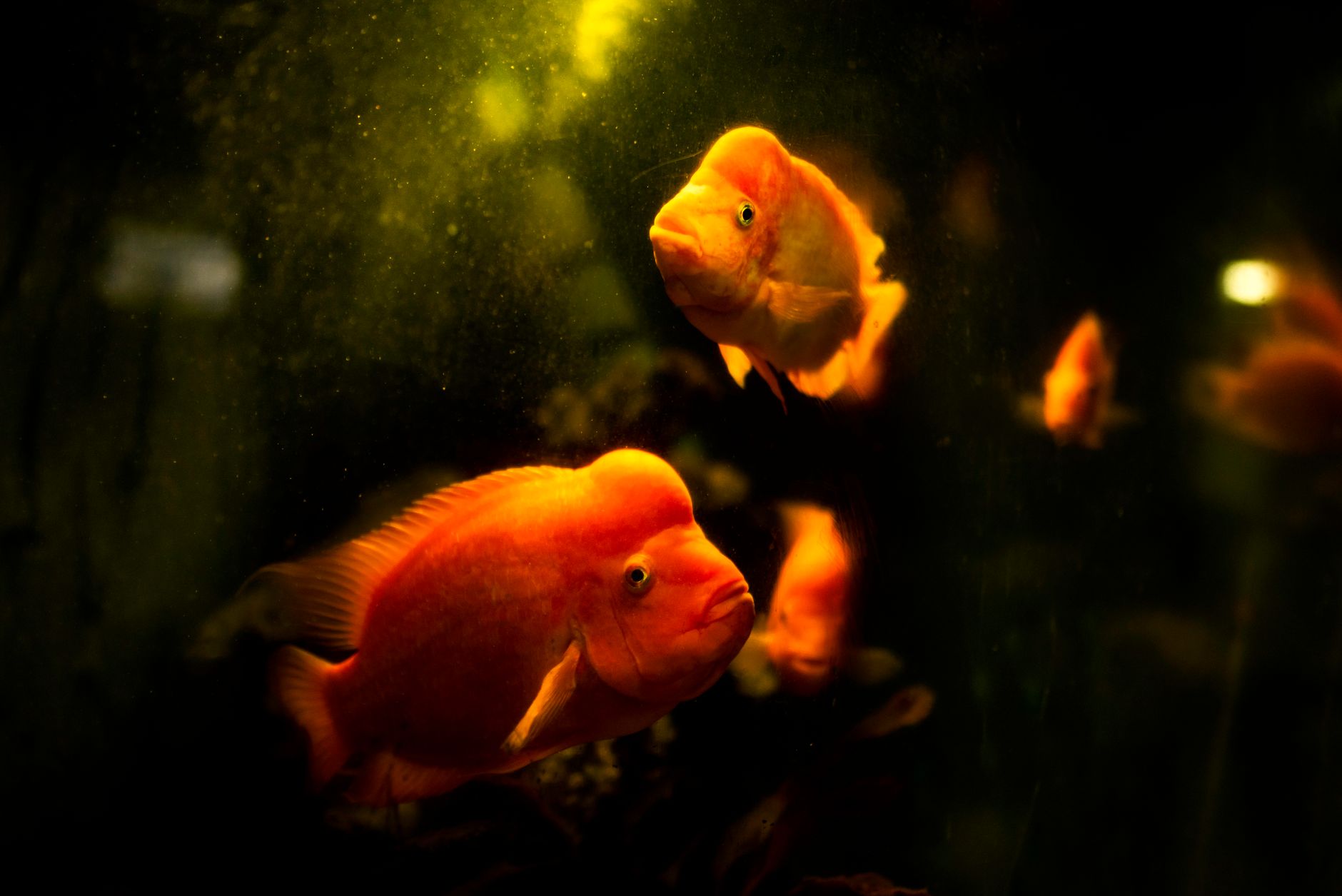
How Light Impacts the Growth of Fish: Illuminating the Connection
Light plays a critical role in fish growth, influencing everything from metabolic rate and feeding behavior to hormone production and overall development; sufficient and appropriate light is essential for optimal fish health and productivity.

Introduction: The Underestimated Power of Light
While often overlooked, light is a vital environmental factor that profoundly impacts aquatic ecosystems and, consequently, the growth and well-being of fish. Just as plants require sunlight for photosynthesis, fish rely on light for various physiological processes. Understanding how does light affect fish growth? is crucial for effective aquaculture, aquarium management, and conservation efforts. This article delves into the multifaceted relationship between light and fish, exploring the mechanisms through which light influences their development and offering practical insights for optimizing light conditions to promote healthy growth.

Are fish heads good for the garden?
Can fish hear water?
What is cotton rot in fish?
What colours are fish most attracted to?
Background: Light in the Aquatic Environment

Light behaves differently in water than in air. Water absorbs and scatters light, leading to a decrease in intensity and a change in spectral composition with increasing depth. The amount and type of light penetrating the water column are influenced by factors such as:
- Water clarity: Turbidity caused by suspended particles and algae reduces light penetration.
- Depth: Light intensity decreases exponentially with depth.
- Wavelength: Different wavelengths of light are absorbed at different rates; red light is absorbed more quickly than blue light.
- Time of day: Light levels naturally vary throughout the day.
- Season: Seasonal changes impact the duration and intensity of sunlight.
Benefits of Appropriate Lighting for Fish Growth
Optimal lighting provides numerous benefits, contributing to improved fish health and growth:
- Enhanced Feeding: Many fish species rely on vision to locate and capture prey. Adequate light levels allow them to effectively forage.
- Improved Metabolism: Light influences metabolic rate, which affects energy expenditure and growth.
- Vitamin D Synthesis: Exposure to certain wavelengths of light is necessary for the synthesis of Vitamin D, crucial for bone development and calcium absorption.
- Stress Reduction: Consistent and appropriate light cycles can reduce stress levels, leading to improved immune function and growth.
- Proper Pigmentation: Light can affect the expression of pigments in fish, resulting in vibrant coloration.
- Reproductive Health: Light cycles play a crucial role in regulating the reproductive cycles of many fish species.
The Process: How Light Influences Fish Growth
How does light affect fish growth? The effects are indirect but significant. Light influences several key physiological processes:
- Vision: Light is essential for visual acuity, impacting feeding behavior and predator avoidance. Fish use light to detect prey, navigate their environment, and recognize conspecifics.
- Hormone Production: Light regulates the production of various hormones, including melatonin, which controls circadian rhythms and influences reproductive activity.
- Enzyme Activity: Certain enzymes involved in metabolic processes are sensitive to light. For example, enzymes related to digestion may function more efficiently under appropriate light conditions.
- Behavioral Patterns: Light influences activity levels, schooling behavior, and other behaviors that can impact growth. Some fish are more active during the day (diurnal), while others are more active at night (nocturnal).
Common Mistakes in Lighting for Fish
Suboptimal lighting can negatively impact fish growth and health. Common mistakes include:
- Insufficient Light: Not providing enough light can hinder feeding, reduce metabolic rate, and suppress growth.
- Excessive Light: Too much light can cause stress, bleaching of colors, and algal blooms in aquariums.
- Inappropriate Spectrum: Using the wrong type of light spectrum (e.g., too much blue light) can negatively affect physiological processes and pigment development.
- Unstable Light Cycles: Fluctuating light cycles can disrupt circadian rhythms and increase stress.
- Ignoring Diurnal/Nocturnal Needs: Failing to provide appropriate day/night cycles based on the species’ natural behavior.
Light Sources: A Comparison
| Light Source | Advantages | Disadvantages | Best Use Cases |
|---|---|---|---|
| Incandescent | Inexpensive | Inefficient, generates heat, short lifespan | Rarely recommended; best for supplemental heat in specific situations. |
| Fluorescent | More efficient than incandescent, broader spectrum options | Can contain mercury, less efficient than LEDs | General aquarium lighting, particularly for freshwater setups. |
| LED | Highly efficient, long lifespan, controllable spectrum, low heat output | More expensive upfront, quality can vary significantly | Planted aquariums, reef tanks, situations requiring precise control over light spectrum. |
| Metal Halide | High intensity, good for deep tanks and promoting coral growth | High energy consumption, generates significant heat, requires ballast | Large reef tanks, specialized applications requiring intense light. |
Optimizing Light for Different Fish Species
The optimal lighting conditions vary depending on the species of fish being kept.
- Freshwater fish: Most freshwater fish thrive under moderate light levels with a spectrum that mimics natural sunlight.
- Saltwater fish: Saltwater fish, particularly those in reef tanks, often require more intense light with a spectrum that supports coral growth.
- Deep-sea fish: These fish are adapted to very low light conditions and may be stressed by bright light.
It’s crucial to research the specific lighting requirements of the fish species you are keeping and provide appropriate light levels and spectrum.
Practical Tips for Light Management
- Use a timer to maintain consistent light cycles.
- Adjust light intensity based on the needs of the fish and plants.
- Consider the spectral composition of the light source.
- Monitor water temperature and adjust lighting to prevent overheating.
- Provide shaded areas for fish to escape bright light.
- Regularly clean the light fixture to maintain optimal light output.
Frequently Asked Questions About Light and Fish Growth
What is the optimal photoperiod for fish growth?
The optimal photoperiod (the duration of light exposure) varies depending on the species, but a general guideline is 12-14 hours of light per day. Some species may benefit from shorter or longer photoperiods, mimicking their natural environment. Always research the specific needs of your fish.
Can too much light be harmful to fish?
Yes, excessive light can be detrimental. It can cause stress, bleaching of colors, and algal blooms in aquariums. Some fish, particularly those from dimly lit environments, are particularly sensitive to bright light.
Does the color of light affect fish growth?
Yes, the color spectrum of light can affect fish growth. Different wavelengths of light are absorbed differently by water, and certain wavelengths are more important for specific physiological processes. For example, blue light is essential for coral growth, while red light is important for plant growth.
How does light affect the immune system of fish?
Light influences the immune system indirectly through hormone regulation and stress reduction. Consistent and appropriate light cycles can help reduce stress levels, leading to a stronger immune response.
Can artificial light replicate the benefits of natural sunlight for fish?
Artificial light can provide many of the benefits of natural sunlight, but it’s important to choose the right type of light source. LEDs are generally preferred because they allow for precise control over the light spectrum. However, it is important to note that some species will still benefit greatly from full-spectrum lighting that mimics natural sunlight as closely as possible.
Does light intensity affect the growth rate of fish?
Yes, light intensity can influence growth rate. Adequate light intensity is necessary for efficient feeding and metabolism. However, excessive light intensity can be stressful and counterproductive.
How does light affect the breeding behavior of fish?
Light plays a critical role in regulating the reproductive cycles of many fish species. Photoperiod (day length) is a primary cue for triggering spawning. Manipulating light cycles can be used to induce breeding in captivity.
What type of lighting is best for planted aquariums?
LED lighting is generally considered the best option for planted aquariums. LEDs offer a controllable spectrum that can be tailored to the needs of aquatic plants, and they are also energy-efficient and long-lasting.
How can I measure the light levels in my aquarium?
You can use a light meter or a PAR (Photosynthetically Active Radiation) meter to measure light levels in your aquarium. These meters measure the amount of light that is available to plants and fish.
What is the role of Vitamin D in fish growth and how is it affected by light?
Vitamin D is essential for bone development and calcium absorption in fish. Exposure to certain wavelengths of light is necessary for the synthesis of Vitamin D. Insufficient light can lead to Vitamin D deficiency, which can impair growth and skeletal development.
Can I use ambient light to grow fish?
Ambient light can supplement artificial lighting, but it is rarely sufficient to meet the needs of most fish species. Ambient light is often inconsistent and may not provide the necessary spectrum or intensity.
How does light affect the pigmentation of fish?
Light can affect the expression of pigments in fish. Some fish develop more vibrant colors under certain light conditions. For instance, some species need specific wavelengths to fully develop their color. This is because light often triggers or influences the production of melanin and other pigments in their skin cells.