

How Does an Octopus Make Love? A Deep Dive into Cephalopod Courtship
The way an octopus makes love is a fascinating and often bizarre affair involving specialized arms, intricate color displays, and a high degree of danger for the male. Essentially, the male transfers a packet of sperm called a spermatophore to the female using a modified arm, after engaging in elaborate courtship displays.

Introduction: The Secret Lives of Octopuses
Octopuses, those masters of camouflage and intelligence, live in a world drastically different from our own. Beyond their remarkable problem-solving abilities and complex nervous systems, lies a captivating, and sometimes perilous, mating ritual. Understanding how does an octopus make love? requires us to delve into their unique anatomy, behavior, and the surprisingly violent world of cephalopod romance. The process is unlike anything found among terrestrial animals, highlighting the evolutionary adaptations that have allowed these creatures to thrive in the ocean depths.
What colours are fish most attracted to?
Can you put your finger in a trout's mouth?
Is methylene blue anti bacterial?
Does aquarium salt raise pH in aquarium?
The Players: Male and Female Octopus
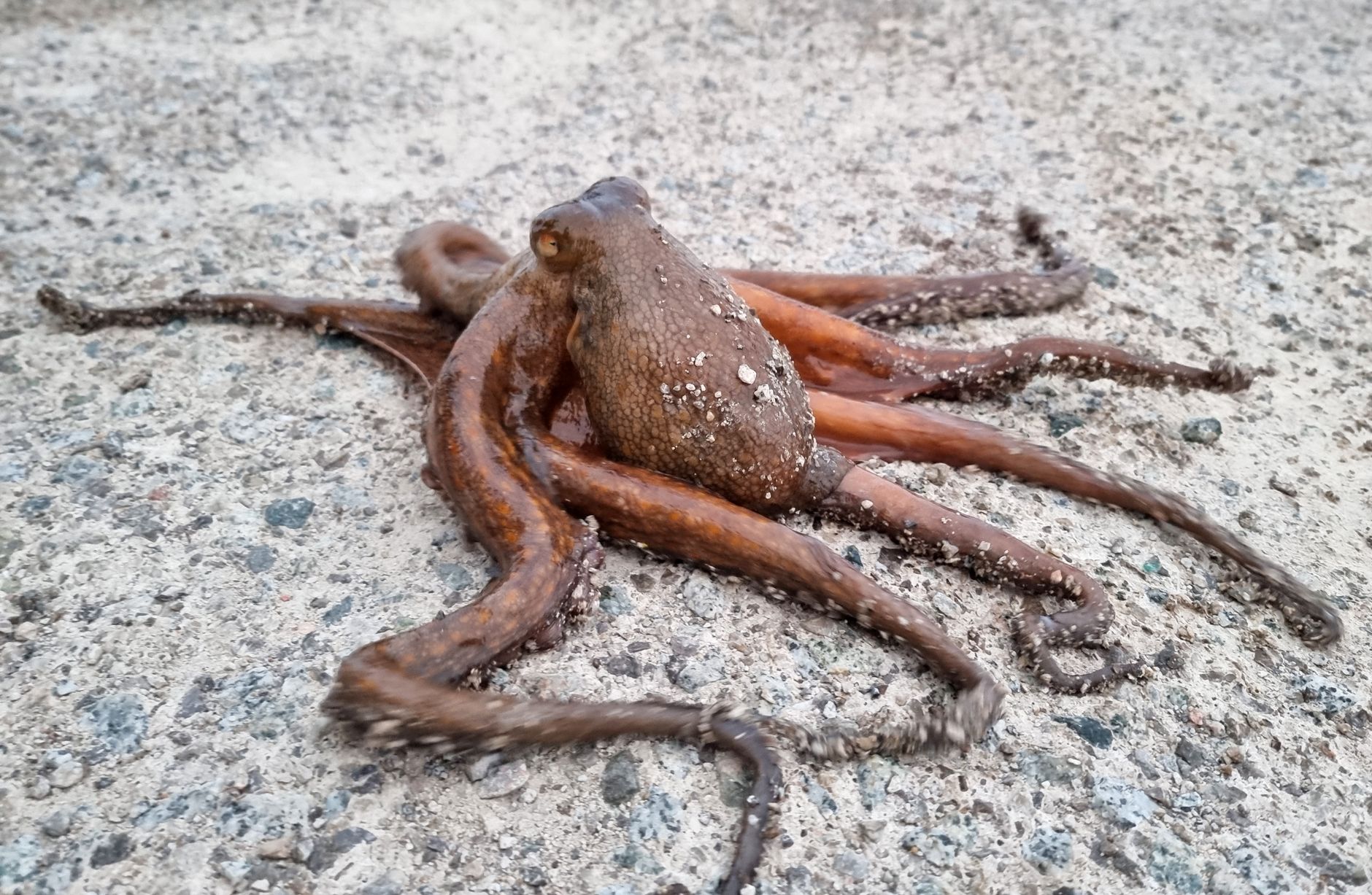
Before exploring the act itself, it’s crucial to understand the key players. Male octopuses often differ in appearance from females, though the distinctions can be subtle. Size differences may be present, with males sometimes being smaller. However, the most significant identifier is the presence of the hectocotylus, a specialized arm used solely for sperm transfer.
Female octopuses, on the other hand, lack this modified arm. Their primary role in reproduction is to receive the spermatophore, fertilize their eggs, and protect them, often at the cost of their own lives.
Courtship Rituals: A Dance of Deception and Display
How does an octopus make love? It always starts with courtship, and this stage is vital. It begins with a series of visual displays. Male octopuses, especially in species where size differences are significant, often employ elaborate color changes and body postures to attract a mate while simultaneously deterring rival males. These displays can range from subtle shifts in skin texture to dramatic flashing patterns.
The male’s approach to the female can vary depending on the species and the social dynamics within the population. In some species, males are cautious, approaching the female slowly and displaying their intentions. In others, the approach can be more assertive, even aggressive. Some smaller males, known as sneaker males, may even attempt to mate with a female while disguised as a female themselves to avoid confrontation with larger, dominant males.
The Act: Spermatophore Transfer
The actual act of mating is where the octopus’s unique anatomy comes into play. The hectocotylus is a modified arm that lacks suckers near the tip. This arm is used to pluck a spermatophore, a package of sperm, from the male’s mantle cavity and insert it into the female’s oviduct.
Here’s a simplified view of the process:
- The male approaches the female.
- He uses his hectocotylus to retrieve a spermatophore.
- He inserts the hectocotylus into the female’s mantle cavity.
- The spermatophore is deposited near the female’s oviduct.
The entire process can take anywhere from a few minutes to several hours, depending on the species.
Post-Mating: A Deadly Affair
How does an octopus make love? Often, the answer ends with death. After mating, the male octopus’s life often comes to an end. In some species, he may simply become weak and vulnerable, while in others, he may die shortly after mating.
The female’s fate is equally grim, though delayed. After fertilization, she lays her eggs, often thousands of them, and then dedicates herself entirely to their care. She guards them vigilantly, circulating water to keep them oxygenated and cleaning them to prevent fungal growth. During this period, which can last for months, she refuses to eat, eventually dying shortly after her eggs hatch. This self-sacrificing behavior ensures the survival of her offspring, a testament to the powerful drive to reproduce.
Deception and Sneaker Males: Outsmarting the Competition
As mentioned earlier, smaller or less dominant male octopuses often employ deceptive strategies to mate. This involves mimicking the appearance and behavior of females to avoid detection by larger, more aggressive males. By blending in with the female octopuses, these “sneaker males” can approach females unnoticed and attempt to transfer their spermatophore. This highlights the complex social dynamics and the competitive pressure surrounding reproduction in these fascinating creatures.
Common Misconceptions: Separating Fact from Fiction
A common misconception is that the male octopus always loses his hectocotylus during mating. While it’s true that the hectocotylus can detach in some species, this is not the norm for all species. Also, some believe that all octopuses die immediately after mating, while the females might delay this fate, the males almost always quickly weaken and decease.
Another misconception surrounds the level of “affection” involved. Octopus mating is driven by instinct and biological imperative, rather than any form of emotional attachment.
Frequently Asked Questions
How long does an octopus’s mating season last?
The duration of the mating season varies greatly depending on the species and environmental factors. Some octopuses may mate year-round, while others have specific breeding seasons triggered by temperature or other cues.
Do all octopuses have the same mating rituals?
No, mating rituals can vary significantly between species. Factors such as size differences, social structure, and habitat influence the courtship displays and mating behaviors.
Is octopus mating always peaceful?
No, octopus mating can be aggressive and even violent. Males may fight each other for access to females, and females may reject unwanted advances, sometimes resulting in physical harm.
What happens if a female octopus doesn’t find a mate?
If a female octopus doesn’t find a mate, she may still lay unfertilized eggs, but these eggs will not hatch. She will still dedicate herself to caring for these unfertilized eggs, eventually dying in the process. This shows the strength of instinctual behavior in octopuses.
Can octopuses mate with different species?
Hybridization between different octopus species is extremely rare in the wild, due to genetic incompatibilities and behavioral differences.
What is the role of pheromones in octopus mating?
While visual cues are important, some research suggests that pheromones may also play a role in attracting mates and coordinating reproductive behavior in octopuses. The exact mechanisms are still being investigated.
How do scientists study octopus mating behavior?
Scientists use a variety of methods, including direct observation in the wild, captive breeding programs, and video analysis, to study octopus mating behavior.
Are there any octopus species that are monogamous?
While most octopuses are not monogamous, there is some evidence to suggest that certain species may form temporary pair bonds during the mating season. However, these bonds are typically short-lived.
Does the female octopus eat the male after mating?
While cannibalism occurs in some cephalopod species, it is not a common occurrence in octopuses.
How many eggs does a female octopus lay?
The number of eggs a female octopus lays can vary greatly depending on the species, ranging from a few dozen to hundreds of thousands.
How long does it take for octopus eggs to hatch?
The incubation period for octopus eggs can range from several weeks to several months, depending on the species and water temperature.
What happens to the baby octopuses after they hatch?
After hatching, baby octopuses are typically left to fend for themselves. They are small and vulnerable, and mortality rates are high.