

How Do Zoos Handle Escaped Animals?: A Comprehensive Guide
How do zoos handle escaped animals? Zoos implement rigorous escape prevention protocols, and in the event of an escape, they follow a pre-determined emergency plan prioritizing rapid response, public safety, and the safe recapture of the animal.

Introduction: The Importance of Escape Protocols
The thought of an animal escaping from a zoo can be frightening, triggering images of chaos and potential danger. However, modern zoos are meticulously planned and managed facilities with sophisticated safety measures designed to prevent escapes. Understanding how zoos handle escaped animals requires looking at the comprehensive framework in place, from preventative measures to emergency response strategies. While escapes are rare, zoos are prepared to act swiftly and decisively when they do occur. This article delves into the intricate processes and protocols involved in containing such incidents, ensuring the safety of both the public and the animals.
What colours are fish most attracted to?
Can you put your finger in a trout's mouth?
Is methylene blue anti bacterial?
Does aquarium salt raise pH in aquarium?
Preventing Escapes: A Proactive Approach

Preventing escapes is far more effective than reacting to them. Zoos employ a multi-layered approach to security.
- Robust Enclosures: Enclosures are designed and built with the specific species in mind, taking into account their physical capabilities, behavior, and intelligence. Materials are chosen for durability and resistance to damage.
- Regular Inspections: Dedicated staff conduct routine inspections of enclosures to identify potential weaknesses, such as damaged fencing, weakened structures, or signs of digging.
- Behavioral Enrichment: Enrichment programs are designed to stimulate animals mentally and physically, reducing boredom and the likelihood of them seeking to escape. This includes providing puzzles, toys, and opportunities to engage in natural behaviors.
- Staff Training: Zoo staff undergo extensive training in animal behavior, safety protocols, and emergency response procedures. They are taught to recognize warning signs and potential escape risks.
- Security Systems: Zoos may use security systems such as surveillance cameras, motion detectors, and alarm systems to monitor enclosures and detect any unusual activity.
- Double-Door Systems: In some cases, double-door systems are implemented in high-risk areas, creating an airlock effect to prevent animals from escaping during routine maintenance or feeding.
The Emergency Response Plan: Swift and Coordinated Action
Despite preventative measures, escapes can still occur. Zoos maintain detailed emergency response plans specifically addressing escaped animals. These plans are regularly reviewed and practiced through drills and simulations.
The response typically involves the following steps:
- Immediate Notification: The first person to observe the escaped animal immediately notifies zoo security and relevant staff.
- Assessment: Trained personnel quickly assess the situation, including the species of animal, its location, and any potential hazards.
- Containment: The primary goal is to contain the animal within the zoo grounds. This may involve closing off sections of the zoo, using nets or tranquilizer darts, or luring the animal back to its enclosure.
- Communication: Clear and timely communication is crucial. Staff members are kept informed of the situation, and the public is notified if there is any potential risk.
- Capture or Tranquilization: If containment is not immediately possible, trained personnel will attempt to capture or tranquilize the animal. Tranquilizer darts are used as a last resort, as they can pose risks to the animal’s health.
- Post-Incident Review: After the animal is safely recaptured, a thorough investigation is conducted to determine the cause of the escape and identify any weaknesses in the zoo’s security measures.
Common Scenarios and Challenges
Different species present different challenges when it comes to escapes. A small primate escaping poses different concerns than a large carnivore.
- Primates: Known for their intelligence and agility, primates can be challenging to recapture. Their escape often involves climbing and navigating complex environments.
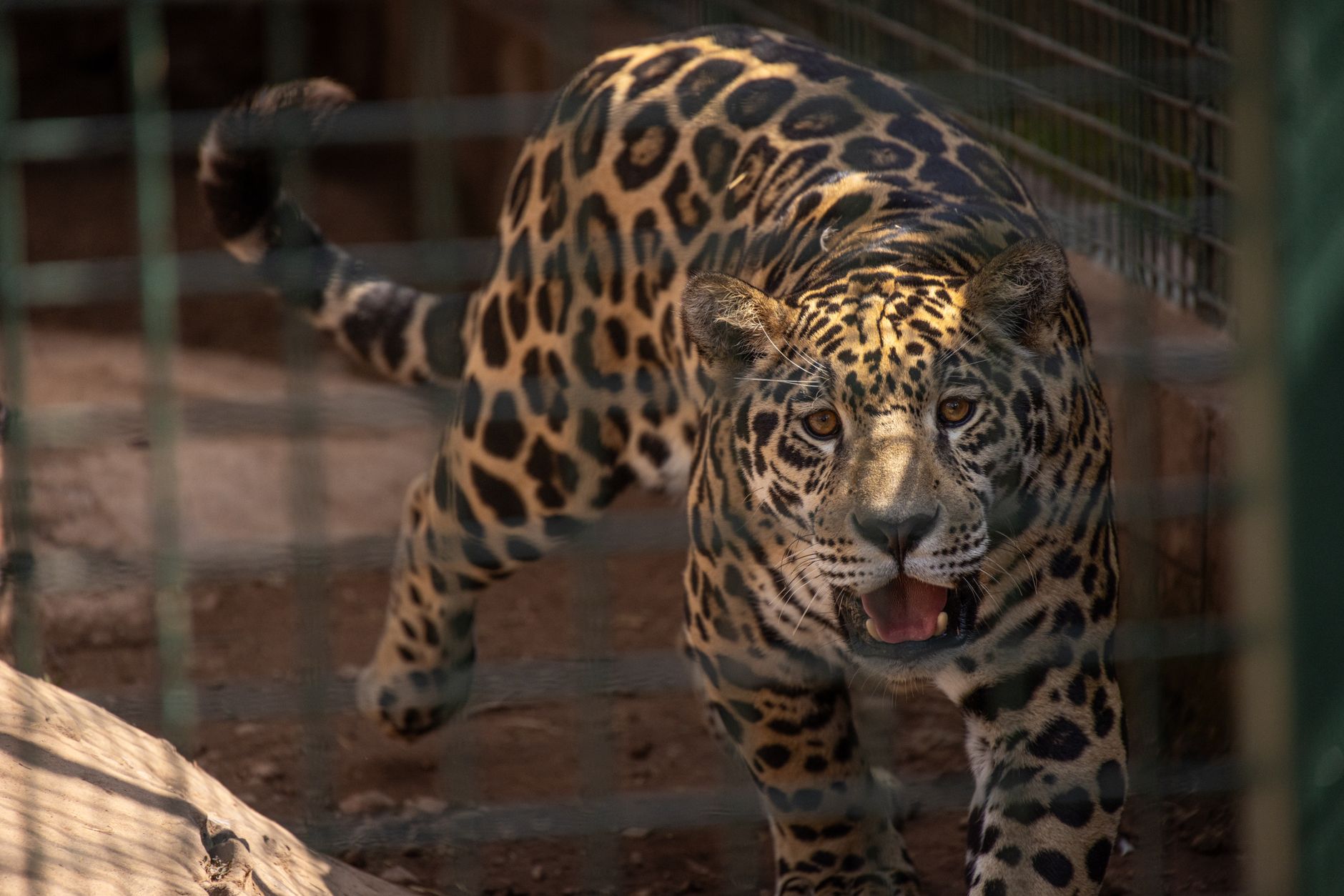
- Carnivores: Escapes by carnivores, such as lions or tigers, are treated with utmost seriousness due to the potential danger they pose to humans.
- Birds: Birds are often difficult to contain, especially if they can fly. The focus is usually on luring them back to their enclosure with food.
- Reptiles: Reptiles may escape by squeezing through small openings or burrowing under fences. Their cold-blooded nature can make them slow-moving and easier to recapture in certain conditions.
| Animal Group | Common Escape Method | Recapture Strategy |
|---|---|---|
| :———– | :——————- | :—————————— |
| Primates | Climbing, agility | Luring, netting, containment |
| Carnivores | Strength, digging | Tranquilization, containment |
| Birds | Flight | Luring, netting |
| Reptiles | Squeezing, burrowing | Containment, physical capture |
Learning and Improvement: Adapting to New Challenges
The field of zoo management is constantly evolving. Zoos regularly review their protocols and learn from past incidents, both their own and those of other institutions. They incorporate new technologies and techniques to improve security and prevent future escapes.
Benefits of Robust Escape Protocols
Implementing comprehensive escape protocols provides multiple benefits:
- Enhanced Public Safety: The primary concern is always the safety of visitors, staff, and the surrounding community.
- Animal Welfare: Minimizing the duration of an escape reduces the stress and potential harm to the animal.
- Reduced Liability: Having well-defined protocols helps protect the zoo from legal liability in the event of an escape.
- Improved Reputation: A strong track record of safety and security enhances the zoo’s reputation and public trust.
- Effective Resource Allocation: Pre-planning for emergencies ensures that resources are deployed efficiently and effectively when needed.
Addressing Public Concerns: Transparency and Communication
Zoos understand that escaped animals can cause anxiety and fear. They strive to be transparent with the public, providing accurate and timely information about incidents. They also actively engage with the community to address concerns and build trust. Open communication is essential for maintaining public confidence and ensuring the continued support of zoos.
Frequently Asked Questions About Zoo Animal Escapes
What triggers an animal escape from a zoo?
Escapes can be triggered by a variety of factors, including structural weaknesses in enclosures, human error (such as forgetting to secure a gate), unexpected events (like severe weather damage), or even the animal’s own ingenuity and determination. A combination of these factors can also contribute to an escape.
How often do animals escape from zoos?
Fortunately, animal escapes from zoos are relatively rare events, considering the large number of animals housed in zoos worldwide. Modern zoos invest heavily in preventative measures, making successful escapes uncommon. However, when they do occur, they attract significant attention.
What happens to an animal after it is recaptured?
After recapture, the animal is typically thoroughly examined by veterinary staff to ensure it is healthy and uninjured. The animal is then returned to its enclosure, and the circumstances of the escape are investigated to prevent future incidents.
Are tranquilizer darts always used to recapture escaped animals?
No, tranquilizer darts are typically used as a last resort. Zoos prioritize non-lethal methods of recapture, such as luring the animal back to its enclosure with food or using nets. Tranquilizer darts can pose risks to the animal’s health and are only used when other methods are not feasible.
What kind of training do zoo staff receive for dealing with escaped animals?
Zoo staff receive extensive training in animal behavior, safety protocols, and emergency response procedures. They are taught to recognize warning signs, assess risks, and respond effectively in the event of an escape. Drills and simulations are regularly conducted to reinforce this training.
How do zoos decide whether to euthanize an escaped animal?
Euthanasia is considered only as an absolute last resort, when an animal poses an immediate and unavoidable threat to human life or is severely injured. The decision is made by a team of experts, including veterinarians and zoo officials, and is guided by strict ethical considerations.
Are zoos required to report animal escapes to any government agencies?
Yes, many zoos are required to report animal escapes to relevant government agencies, such as wildlife authorities or animal control departments. This helps ensure that escapes are properly investigated and that appropriate measures are taken to prevent future incidents. Reporting requirements vary depending on the jurisdiction.
How do zoos handle the potential for public panic during an animal escape?
Zoos prioritize clear and timely communication with the public during an animal escape. They use various channels, such as announcements, social media, and news releases, to provide accurate information and instructions. They also work closely with local authorities to manage crowds and ensure public safety.
What is the role of technology in preventing and responding to animal escapes?
Technology plays an increasingly important role in zoo security. Surveillance cameras, motion detectors, and alarm systems can help detect escapes early. GPS tracking devices can be used to monitor the location of animals. Drones can be used to search for escaped animals in large areas.
How do zoos work with local law enforcement agencies during an escape?
Zoos typically have established relationships with local law enforcement agencies, who can provide assistance with containment, crowd control, and public safety during an animal escape. Joint training exercises are sometimes conducted to ensure effective coordination between zoo staff and law enforcement officers.
How do zoos ensure the safety of neighboring communities during an animal escape?
Zoos work closely with neighboring communities to develop emergency plans and communication strategies. They provide information to residents about what to do in the event of an escape, such as staying indoors and reporting any sightings of the animal.
What is the long-term impact of an animal escape on a zoo’s reputation?
An animal escape can have a significant impact on a zoo’s reputation, potentially eroding public trust and support. However, by being transparent, taking responsibility, and implementing measures to prevent future incidents, zoos can mitigate the damage and rebuild their reputation.