

How to Treat Overexertion in Dogs: A Comprehensive Guide
Treating overexertion in dogs involves immediate cooling, hydration, and veterinary assessment to prevent potentially life-threatening complications; the approach varies based on the severity and symptoms, emphasizing early intervention for the best possible outcome.

Understanding Overexertion in Dogs
Overexertion in dogs, also known as exercise-induced exhaustion or heat stress, occurs when a dog’s body is unable to regulate its temperature effectively during or after strenuous activity. Dogs cool themselves primarily through panting, which is less efficient than sweating (as in humans). When the ambient temperature is high, or the dog is pushing itself too hard, this cooling mechanism can fail, leading to a dangerous rise in body temperature and potential organ damage. Understanding the risk factors and recognizing the signs of overexertion are crucial for responsible pet ownership.

What colours are fish most attracted to?
Can you put your finger in a trout's mouth?
Is methylene blue anti bacterial?
Does aquarium salt raise pH in aquarium?
Risk Factors for Overexertion
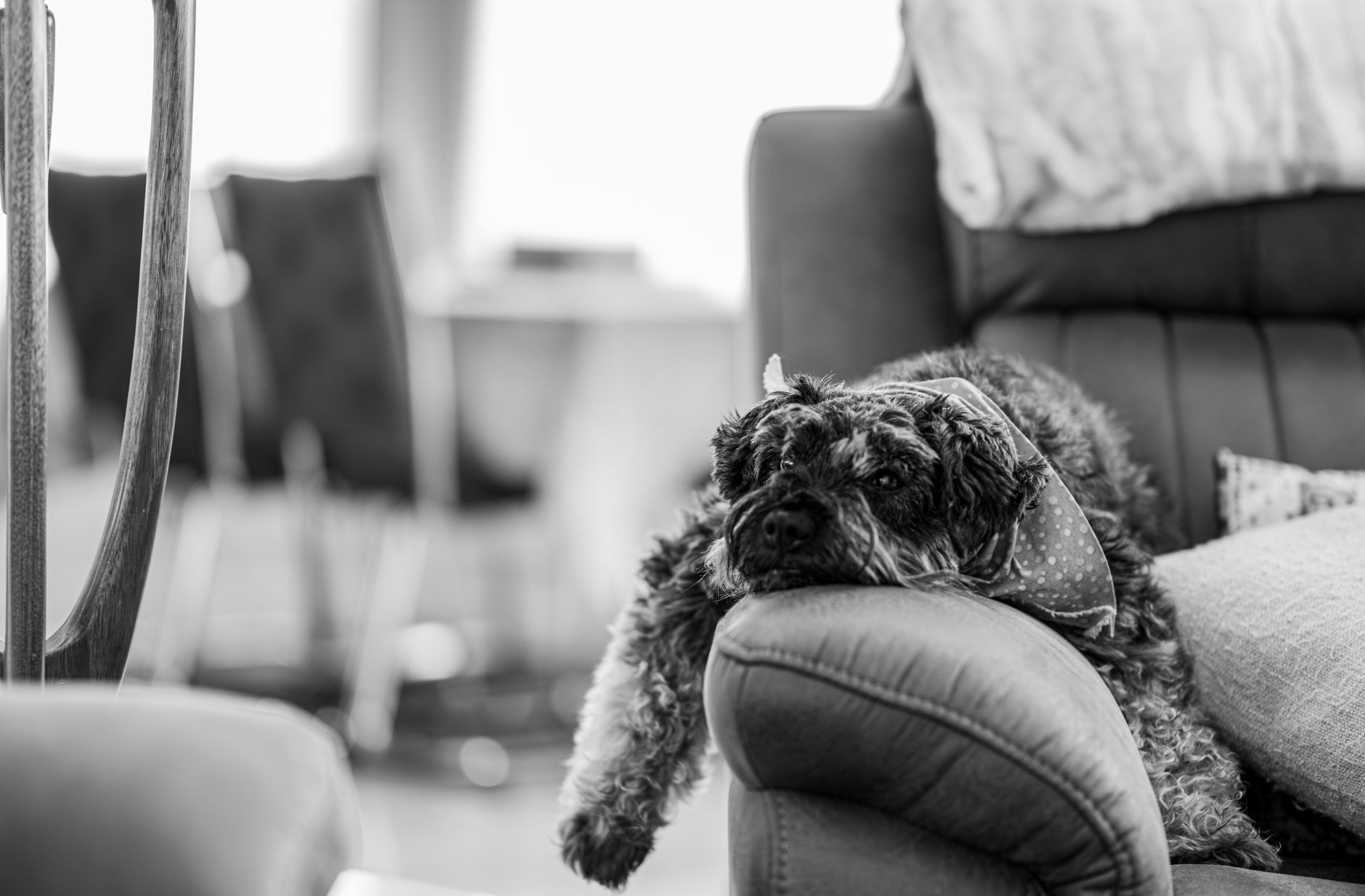
Several factors can increase a dog’s susceptibility to overexertion:
- Breed: Brachycephalic (short-nosed) breeds like Bulldogs and Pugs are particularly vulnerable due to their compromised respiratory systems.
- Age: Puppies and senior dogs may have reduced thermoregulatory abilities.
- Obesity: Excess weight increases the metabolic workload and makes it harder to dissipate heat.
- Pre-existing Conditions: Heart disease, respiratory problems, and other health issues can exacerbate the effects of overexertion.
- Environment: High temperatures, humidity, and lack of shade significantly increase the risk.
- Level of Fitness: Dogs that are not adequately conditioned are more likely to become overexerted.
Recognizing the Signs of Overexertion
Early recognition of overexertion is critical for prompt intervention. Signs may include:
- Excessive panting
- Bright red gums and tongue
- Thick, sticky saliva
- Weakness or lethargy
- Stumbling or incoordination
- Vomiting or diarrhea
- Collapse
If you observe any of these signs during or after exercise, immediate action is necessary.
Immediate First Aid: How do you treat overexertion in dogs?
The initial response to suspected overexertion involves several key steps:
- Remove the dog from the heat: Immediately move the dog to a cool, shaded area or an air-conditioned space.
- Cool the dog down:
- Apply cool (not ice-cold) water to the dog’s body, especially the groin, armpits, and neck. You can use a hose, wet towels, or even submerge the dog in cool water, if possible and safe.
- Do not use ice water, as this can cause the blood vessels to constrict and hinder heat dissipation.
- Keep replacing the towels with fresh, cool ones.
- Provide water: Offer the dog small amounts of cool water to drink. Do not force the dog to drink, as this could lead to aspiration if the dog is nauseous or weak.
- Check temperature: If you have a rectal thermometer, monitor the dog’s temperature. The goal is to bring it down to around 102.5°F (39.2°C).
- Seek Veterinary Care: Even if the dog seems to be recovering, it’s crucial to seek veterinary attention immediately. Overexertion can cause internal organ damage that may not be immediately apparent.
Veterinary Treatment for Overexertion
A veterinarian can provide more comprehensive treatment, which may include:
- Intravenous (IV) fluids: To rehydrate the dog and support kidney function.
- Oxygen therapy: To improve oxygenation of the tissues.
- Monitoring of vital signs: Heart rate, respiratory rate, and blood pressure will be closely monitored.
- Blood tests: To assess organ function and electrolyte balance.
- Medications: To address complications such as seizures or kidney damage.
Prevention is Key
Preventing overexertion is always better than treating it. Consider these strategies:
- Exercise during cooler times of the day: Avoid strenuous activity during the hottest hours. Early morning or late evening are generally safer.
- Provide plenty of water: Ensure the dog has access to fresh water at all times, especially during and after exercise.
- Take frequent breaks: Allow the dog to rest and cool down regularly.
- Avoid strenuous activity on hot, humid days: Adjust your exercise routine based on the weather conditions.
- Gradually increase exercise intensity: Do not push the dog too hard, especially if it is not accustomed to strenuous activity.
- Monitor your dog closely: Watch for signs of overexertion and stop immediately if you notice any problems.
- Consider cooling vests or bandanas: These can help to regulate the dog’s body temperature.
- Never leave a dog in a parked car: Even on a mild day, the temperature inside a car can rise rapidly to dangerous levels.
Overexertion: A Comparison of Treatment Options
| Treatment | Description | Purpose |
|---|---|---|
| Cooling with Water | Applying cool water to the dog’s body, especially groin, armpits, and neck. | Reduce body temperature and prevent further heat damage. |
| Hydration | Providing small amounts of cool water to drink. | Replenish fluids lost through panting and sweating. |
| Veterinary Care | IV fluids, oxygen therapy, monitoring, blood tests, medications. | Rehydrate, support organ function, and address complications. |
| Rest | Allowing the dog to rest in a cool, shaded area. | Reduce metabolic demand and allow the body to recover. |
Common Mistakes to Avoid
- Using ice water: This can cause vasoconstriction and impede heat dissipation.
- Forcing the dog to drink: This can lead to aspiration if the dog is nauseous or weak.
- Delaying veterinary care: Even if the dog appears to be recovering, internal organ damage may be present.
- Ignoring the warning signs: Early recognition and intervention are critical.
- Assuming all dogs tolerate heat equally: Breed, age, and health status all play a role.
Frequently Asked Questions (FAQs)
How quickly can a dog recover from overexertion?
Recovery time varies depending on the severity of the overexertion and the individual dog’s health. Mild cases may resolve within a few hours with appropriate first aid and rest. More severe cases may require several days of veterinary care, and some dogs may experience long-term complications.
Can overexertion cause permanent damage in dogs?
Yes, overexertion can cause permanent damage to organs such as the kidneys, liver, and brain. In severe cases, it can even be fatal. Early and aggressive treatment is essential to minimize the risk of long-term complications.
Is it possible for a dog to die from overexertion?
Unfortunately, yes. Overexertion can lead to heatstroke, which can cause organ failure and death. Prevention and prompt treatment are crucial to protecting your dog’s life.
What is the normal body temperature for a dog?
The normal body temperature for a dog is typically between 101°F (38.3°C) and 102.5°F (39.2°C). A temperature above 104°F (40°C) indicates a serious problem and requires immediate veterinary attention.
What are the long-term effects of overexertion in dogs?
Long-term effects can include chronic kidney disease, heart problems, and neurological damage. Regular veterinary check-ups are important to monitor for any complications following an episode of overexertion.
How can I tell if my dog is dehydrated?
Signs of dehydration in dogs include dry gums, sunken eyes, and decreased skin elasticity. You can test skin elasticity by gently pinching the skin on the back of the neck. If it doesn’t return to its normal position quickly, the dog may be dehydrated.
Are some dog breeds more prone to overexertion than others?
Yes, brachycephalic breeds (those with short noses) like Bulldogs, Pugs, and Boxers are more prone to overexertion due to their compromised respiratory systems. Also, dogs with thick coats and those that are overweight are at higher risk.
What kind of exercise is best for dogs in hot weather?
Swimming is an excellent exercise option for dogs in hot weather, as it helps to keep them cool. Shorter walks during cooler times of the day are also a good choice. Avoid strenuous activities like running or playing fetch in the heat.
How often should I give my dog water during exercise?
Offer your dog water every 15-20 minutes during exercise, especially in hot weather. Carry a portable water bowl and bottle with you on walks or runs.
Can puppies get overexerted more easily than adult dogs?
Yes, puppies are more susceptible to overexertion because their thermoregulatory systems are not fully developed. Avoid strenuous activity, particularly in the heat, and carefully monitor puppies for signs of distress.
What if my dog is panting heavily even when they are resting?
If your dog is panting heavily even when they are resting in a cool environment, it could be a sign of an underlying medical condition. Seek veterinary attention promptly, especially if accompanied by other symptoms like lethargy, weakness, or changes in gum color.
How do you treat overexertion in dogs? during a race or sporting event?
During a race or sporting event, the treatment remains the same: prioritize immediate cooling, hydration, and prompt veterinary evaluation. Race organizers should have readily available cooling stations and veterinary personnel on site to handle such emergencies efficiently. Pre-race conditioning, appropriate hydration strategies and careful monitoring are essential.