
How to Treat a Stingray Barb: A Comprehensive Guide
The immediate treatment for a stingray barb involves immersing the affected area in hot (but not scalding) water to denature the venom and seeking prompt medical attention for wound care and potential complications like infection or retained barb fragments. This fast action can significantly reduce pain and improve recovery.

Understanding the Stingray Threat
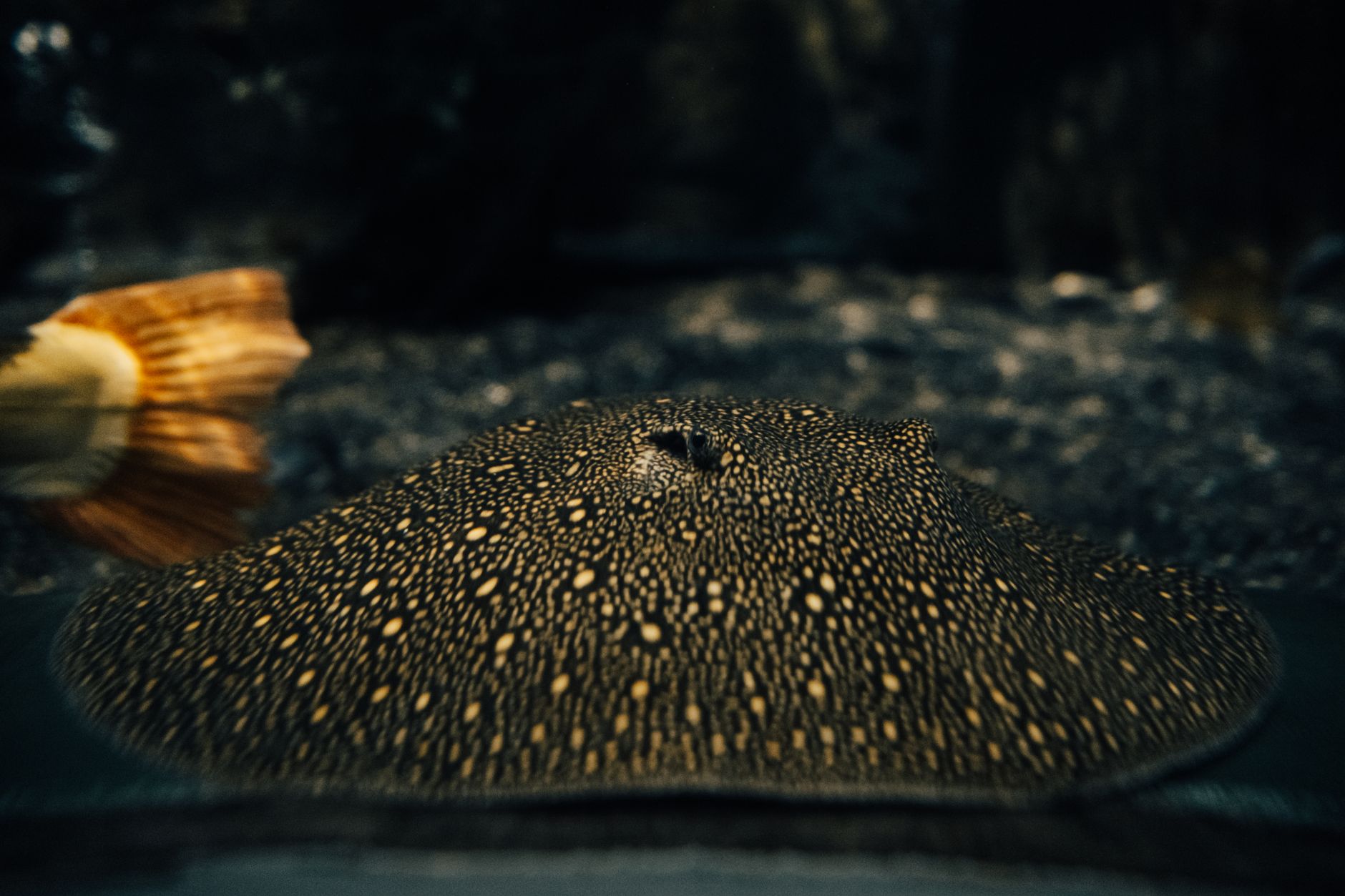
Stingrays, those graceful inhabitants of coastal waters, are generally docile creatures. However, when threatened, they can use the barb located on their tail as a defense mechanism. This barb, which is actually a modified dermal denticle (a type of tooth-like scale), can inflict a painful wound, often accompanied by venom injection. Knowing how do you treat a stingray barb is crucial for minimizing pain and preventing complications.

What colours are fish most attracted to?
Can you put your finger in a trout's mouth?
Is methylene blue anti bacterial?
Does aquarium salt raise pH in aquarium?
The First Line of Defense: Hot Water Immersion

The most effective immediate treatment for a stingray sting is hot water immersion. The heat helps to denature (break down) the proteins in the venom, thereby reducing its potency and the associated pain.
- Water Temperature: Aim for water that is hot but tolerable – typically between 110°F (43°C) and 113°F (45°C).
- Immersion Time: Soak the affected area for 30 to 90 minutes, or until the pain subsides. Replenish the hot water as it cools.
- Why Hot Water Works: Stingray venom is composed of heat-labile proteins. Hot water disrupts these proteins, making them less effective and reducing pain.
Wound Assessment and Further Care
While hot water immersion is critical for neutralizing the venom, it’s only the first step. Further care is essential to prevent infection and ensure proper healing.
- Wound Cleaning: After hot water immersion, thoroughly clean the wound with soap and water. Remove any visible debris.
- Signs of Infection: Watch for signs of infection, such as redness, swelling, pus, increased pain, or fever. If any of these symptoms appear, seek immediate medical attention.
- Pain Management: Over-the-counter pain relievers, such as ibuprofen or acetaminophen, can help manage residual pain.
Seeking Professional Medical Attention
It’s always recommended to seek medical attention after a stingray sting, even if the initial pain subsides. A medical professional can properly assess the wound, remove any remaining barb fragments, and administer antibiotics if necessary.
- Reasons to Seek Medical Care:
- Deep wounds
- Wounds near vital organs
- Retained barb fragments
- Signs of infection
- Difficulty breathing or swallowing
Preventing Stingray Stings
Prevention is always better than cure. Here are some tips to reduce your risk of getting stung by a stingray:
- The “Stingray Shuffle”: When wading in shallow water, shuffle your feet along the bottom instead of taking regular steps. This alerts stingrays to your presence and gives them a chance to move away.
- Avoidance: Be aware of areas known to be frequented by stingrays.
- Protective Footwear: Consider wearing sturdy water shoes or booties when wading in areas where stingrays may be present.
Common Mistakes in Stingray Sting Treatment
Knowing what not to do is just as important as knowing how do you treat a stingray barb.
- Applying Cold Packs: Cold packs can constrict blood vessels and hinder venom dispersal, potentially worsening the pain.
- Ignoring the Wound: Even seemingly minor wounds can become infected if left untreated.
- Attempting to Remove Retained Barbs Yourself: This can cause further injury and increase the risk of infection. Always let a medical professional remove any retained barb fragments.
| Mistake | Consequence |
|---|---|
| Applying Cold Packs | Constricted blood vessels, hindered venom dispersal |
| Ignoring the Wound | Increased risk of infection |
| DIY Barb Removal | Further injury, increased risk of infection |
FAQs: Decoding Stingray Sting Treatment
What is the primary purpose of hot water immersion?
The primary purpose of hot water immersion is to denature the venom injected by the stingray. Stingray venom is composed of proteins that are sensitive to heat. Exposing the venom to hot water breaks down these proteins, reducing their toxicity and alleviating pain.
How hot should the water be for immersion?
The water should be hot but tolerable, typically between 110°F (43°C) and 113°F (45°C). It should be hot enough to effectively denature the venom without causing burns. Always test the water temperature before immersing the affected area.
How long should I soak my wound in hot water?
You should soak the affected area in hot water for 30 to 90 minutes, or until the pain subsides. It may be necessary to replenish the hot water as it cools to maintain the desired temperature.
What should I do if I can’t tolerate the hot water?
If the hot water is too uncomfortable, try gradually increasing the temperature until you reach a tolerable level. Even warm water can provide some relief, although hot water is more effective.
Should I try to remove the stingray barb myself?
No. Attempting to remove the barb yourself can cause further injury and increase the risk of infection. It’s best to leave barb removal to a medical professional who can do it safely and effectively.
What are the signs of a stingray sting infection?
Signs of infection include redness, swelling, pus, increased pain, and fever. If you notice any of these symptoms, seek immediate medical attention.
Can I use antiseptic cream on the wound?
Yes, after cleaning the wound with soap and water, you can apply an antiseptic cream to help prevent infection. Follow the instructions on the product label.
Do all stingray stings require antibiotics?
Not necessarily. Antibiotics are usually prescribed if there’s a high risk of infection or if an infection has already developed. A medical professional will determine whether antibiotics are necessary based on the severity of the wound and other factors.
What is the “stingray shuffle,” and why is it important?
The “stingray shuffle” is a technique used to avoid stepping directly on stingrays when wading in shallow water. By shuffling your feet along the bottom, you alert stingrays to your presence and give them a chance to move away, reducing the risk of a sting.
Is stingray venom fatal?
While stingray venom can cause intense pain and discomfort, it’s rarely fatal. However, stings to the chest or abdomen can be life-threatening if they penetrate vital organs.
What kind of doctor should I see after a stingray sting?
You should ideally see a physician or an emergency room doctor. They can properly assess the wound, remove any retained barb fragments, and administer antibiotics if necessary.
How do you treat a stingray barb? long term, beyond initial treatment?
Long-term care after a stingray sting involves continued monitoring for signs of infection. You need to keep the wound clean and dry, changing the dressing regularly, as instructed by your doctor. If you were prescribed antibiotics, be sure to complete the full course. If any lingering symptoms appear, such as chronic pain or numbness, consult a physician to rule out nerve damage or other complications. Prompt and consistent care is vital for a full recovery.