
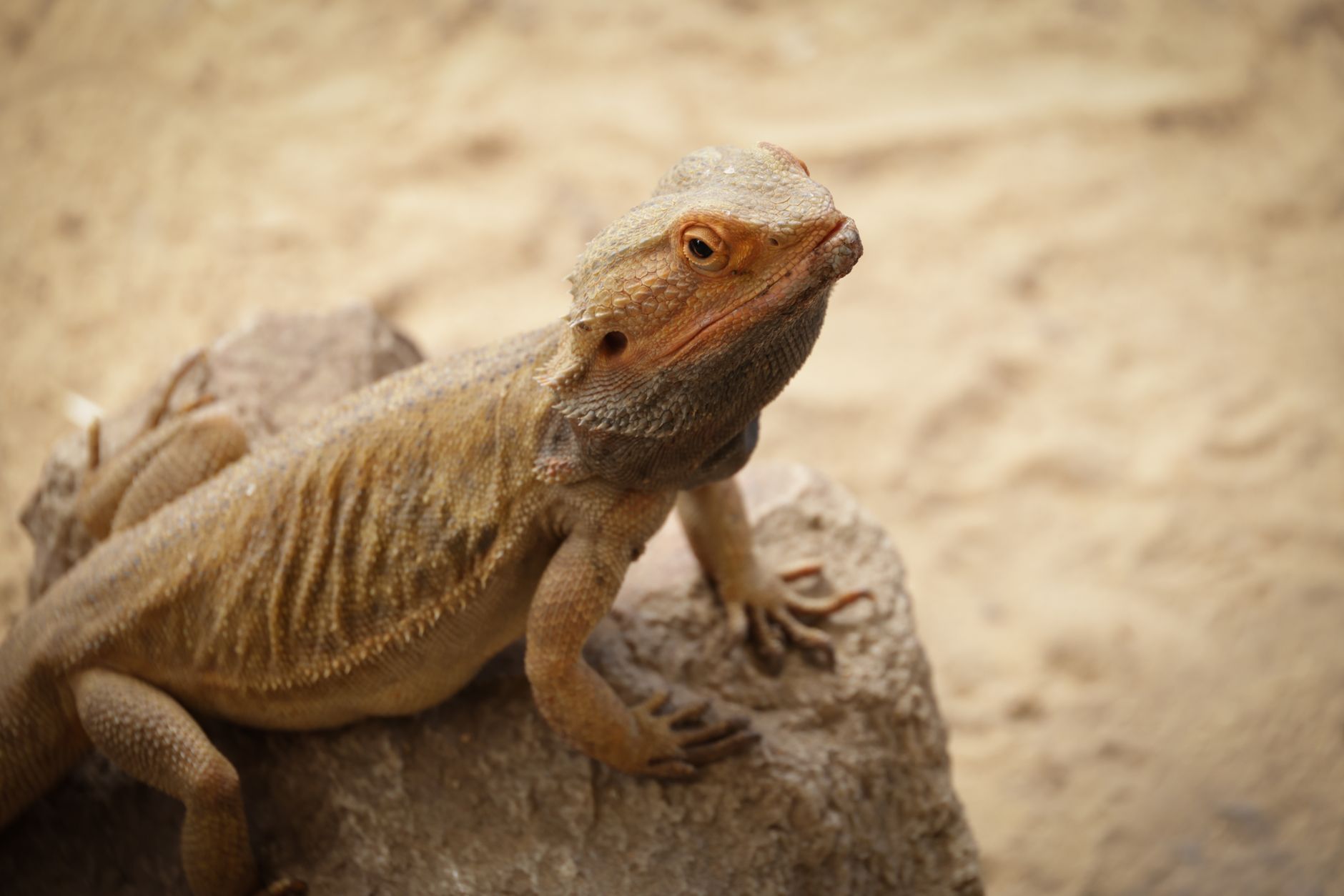
How to Travel with a Bearded Dragon in a Car: A Comprehensive Guide
Traveling with your bearded dragon doesn’t have to be stressful. Learn how to travel with a bearded dragon in a car safely and comfortably by providing appropriate temperature control, secure housing, and essential resources.

Introduction: Hitting the Road with Your Scaly Friend
Bearded dragons, with their amiable personalities and manageable size, have become increasingly popular pets. However, unlike cats or dogs, traveling with these reptilian companions requires careful planning and execution. A seemingly simple car trip can quickly turn into a stressful and potentially dangerous experience for your beardie if proper precautions aren’t taken. This guide provides a comprehensive breakdown of how do you travel with a bearded dragon in a car?, ensuring a safe and comfortable journey for both you and your beloved pet.

What colours are fish most attracted to?
Can you put your finger in a trout's mouth?
Is methylene blue anti bacterial?
Does aquarium salt raise pH in aquarium?
Understanding the Needs of Your Bearded Dragon During Travel

Bearded dragons are ectothermic, meaning they rely on external heat sources to regulate their body temperature. Maintaining the correct temperature is crucial for their health and well-being. In addition, they require a safe and secure environment to prevent stress and injury during transportation. Dehydration is also a significant concern during travel, as bearded dragons need access to moisture.
Preparing for the Trip: Essential Steps Before You Leave
Before embarking on your journey, meticulous preparation is essential. Here’s a checklist to ensure you’re ready to roll:
- Choose the Right Carrier: Opt for a well-ventilated, secure carrier that is appropriately sized for your beardie. A small plastic pet carrier, a modified cooler (with proper ventilation!), or even a secure, soft-sided pet carrier can work. Avoid glass tanks, which can be dangerous in a moving vehicle.
- Temperature Regulation: Plan how to maintain proper temperature within the carrier. Heat packs (secured outside the carrier) or a travel-sized reptile heating pad can provide supplemental warmth if needed, especially in cooler climates. Use a thermometer inside the carrier to monitor the temperature consistently. Avoid direct sunlight, which can cause overheating.
- Hydration: Offer your bearded dragon a drink of water before you leave and consider providing a shallow dish of water inside the carrier (ensure it won’t spill easily). You can also lightly mist your beardie with water to help keep them hydrated.
- Security and Comfort: Line the carrier with soft, absorbent bedding such as paper towels or reptile carpet. Provide a hide or small blanket for your dragon to feel secure.
- Emergency Kit: Pack a small emergency kit including:
- Extra paper towels
- A small spray bottle for misting
- A digital thermometer for monitoring temperatures
- Contact information for a reptile veterinarian in the area you’re traveling to.
The Travel Container: What to Consider
Selecting the right travel container is paramount for your bearded dragon’s safety and comfort. Here’s a breakdown of key features:
- Ventilation: Adequate ventilation is critical to prevent overheating and ensure fresh air.
- Size: The container should be large enough for your bearded dragon to turn around comfortably, but not so large that it can be tossed around during travel.
- Material: Durable, easy-to-clean materials are ideal. Plastic or modified coolers work well.
- Security: The container must be securely latched to prevent escape.
Temperature Management: Keeping Your Beardie Comfortable
Maintaining the correct temperature range is the biggest challenge of how do you travel with a bearded dragon in a car? Bearded dragons thrive in temperatures between 80-95°F (27-35°C).
| Temperature Range | Action |
|---|---|
| :—————- | :——————————————————————- |
| Above 95°F | Reduce heat sources, improve ventilation, move to a cooler location. |
| 80-95°F | Ideal range. Monitor closely. |
| Below 80°F | Add heat pack or heating pad, insulate the carrier. |
During the Drive: Monitoring and Adjustments
Once you’re on the road, regular monitoring is key. Check the temperature inside the carrier frequently, especially during changing weather conditions. Offer your bearded dragon water periodically and take breaks to allow for short periods of supervised outside time (weather permitting).
Common Mistakes to Avoid
- Leaving your dragon unattended in a hot car: This can be fatal.
- Using glass tanks for transport: Glass can shatter in an accident.
- Ignoring temperature fluctuations: Monitor the temperature diligently.
- Neglecting hydration: Ensure your dragon has access to water.
- Feeding during travel: This can cause stress and digestive issues.
Arrival and Acclimation
Upon arrival at your destination, allow your bearded dragon time to acclimate to its new surroundings. Set up its enclosure with appropriate heating, lighting, and enrichment items. Monitor its behavior and appetite closely during the first few days.
Frequently Asked Questions
How long can a bearded dragon safely travel in a car?
The duration a bearded dragon can travel depends on various factors like temperature control, hydration, and the individual dragon’s temperament. As a general guideline, trips up to 8-10 hours are manageable with proper planning. For longer journeys, consider overnight stops to allow your dragon to rest and rehydrate.
Can I let my bearded dragon roam free in the car?
Absolutely not. Letting your bearded dragon roam free in the car is extremely dangerous. It can easily get underfoot, distract the driver, or be injured by sudden stops. It’s also difficult to control temperature and humidity if your beardie is not in a secure enclosure.
What should I do if my bearded dragon gets stressed during travel?
Signs of stress in bearded dragons include dark coloration, rapid breathing, and frantic movements. If your dragon appears stressed, try to minimize external stimuli, such as loud noises or bright lights. Offer a secure hiding place and gently mist with water. If stress persists, consult a reptile veterinarian.
Is it safe to use a seatbelt to secure my bearded dragon’s carrier?
Yes, using a seatbelt to secure your bearded dragon’s carrier is highly recommended. This will prevent the carrier from sliding around or tipping over during travel. Ensure the seatbelt is properly tightened and the carrier is stable.
Can I feed my bearded dragon while traveling in the car?
It’s generally not recommended to feed your bearded dragon while traveling. The motion of the car can cause stress and digestive upset. It’s best to feed your dragon before or after the trip, allowing time for digestion.
What type of substrate is best for the travel carrier?
Paper towels or reptile carpet are the best substrates for a travel carrier. They are absorbent, easy to clean, and won’t pose a risk of impaction if ingested. Avoid loose substrates like sand or wood shavings, as these can be messy and potentially harmful.
How often should I check on my bearded dragon during the drive?
You should check on your bearded dragon at least every 2-3 hours during the drive. This allows you to monitor the temperature, humidity, and your dragon’s overall well-being. Take short breaks to offer water and ensure your beardie is comfortable.
Can I use a heat lamp in the car?
Using a traditional heat lamp in a moving car is generally not safe. The bulb can easily break, posing a risk of injury or fire. Instead, opt for battery-powered heating pads or chemical heat packs designed for reptiles.
What should I do if the car’s air conditioning is too cold for my bearded dragon?
If the car’s air conditioning is making the carrier too cold, try to position the carrier away from the direct airflow of the vents. You can also use a blanket or towel to insulate the carrier and trap heat. Monitor the temperature closely and adjust as needed.
Should I bring my bearded dragon’s full-sized enclosure on a road trip?
Bringing a full-sized enclosure on a road trip is usually impractical due to space constraints. Instead, focus on creating a secure and comfortable travel carrier and setting up your dragon’s regular enclosure at your final destination. This is how do you travel with a bearded dragon in a car? correctly.
What are the legal considerations for traveling with a bearded dragon?
While generally unregulated, some states or regions may have restrictions or health requirements for transporting certain animals. Check with local authorities at your origin and destination to confirm any specific regulations that may apply to traveling with your bearded dragon.
What is the single most important thing to remember when travelling with my bearded dragon?
The single most important thing is temperature control. Maintaining a safe and comfortable temperature range is crucial for your bearded dragon’s health and well-being during travel. Monitor the temperature constantly and make adjustments as needed.