

How Do You Tell If a Deer Likes You?
Wondering if that doe staring back at you in the woods actually likes you? While deer don’t experience affection in the same way humans do, understanding their behavior can reveal if they feel comfortable and safe around you, indicating a level of acceptance and lack of fear.

Understanding Deer Behavior: Beyond Human Affection
The question, “How do you tell if a deer likes you?” is a complex one. We must first acknowledge that deer do not experience affection in the human sense. They operate on a survival-based instinct, prioritizing safety and resource acquisition. Therefore, “liking” translates more accurately to trust and acceptance in their world. Understanding this foundational principle is essential for interpreting their behavior.
What colours are fish most attracted to?
Can you put your finger in a trout's mouth?
Is methylene blue anti bacterial?
Does aquarium salt raise pH in aquarium?
Key Indicators of Deer Comfort and Trust
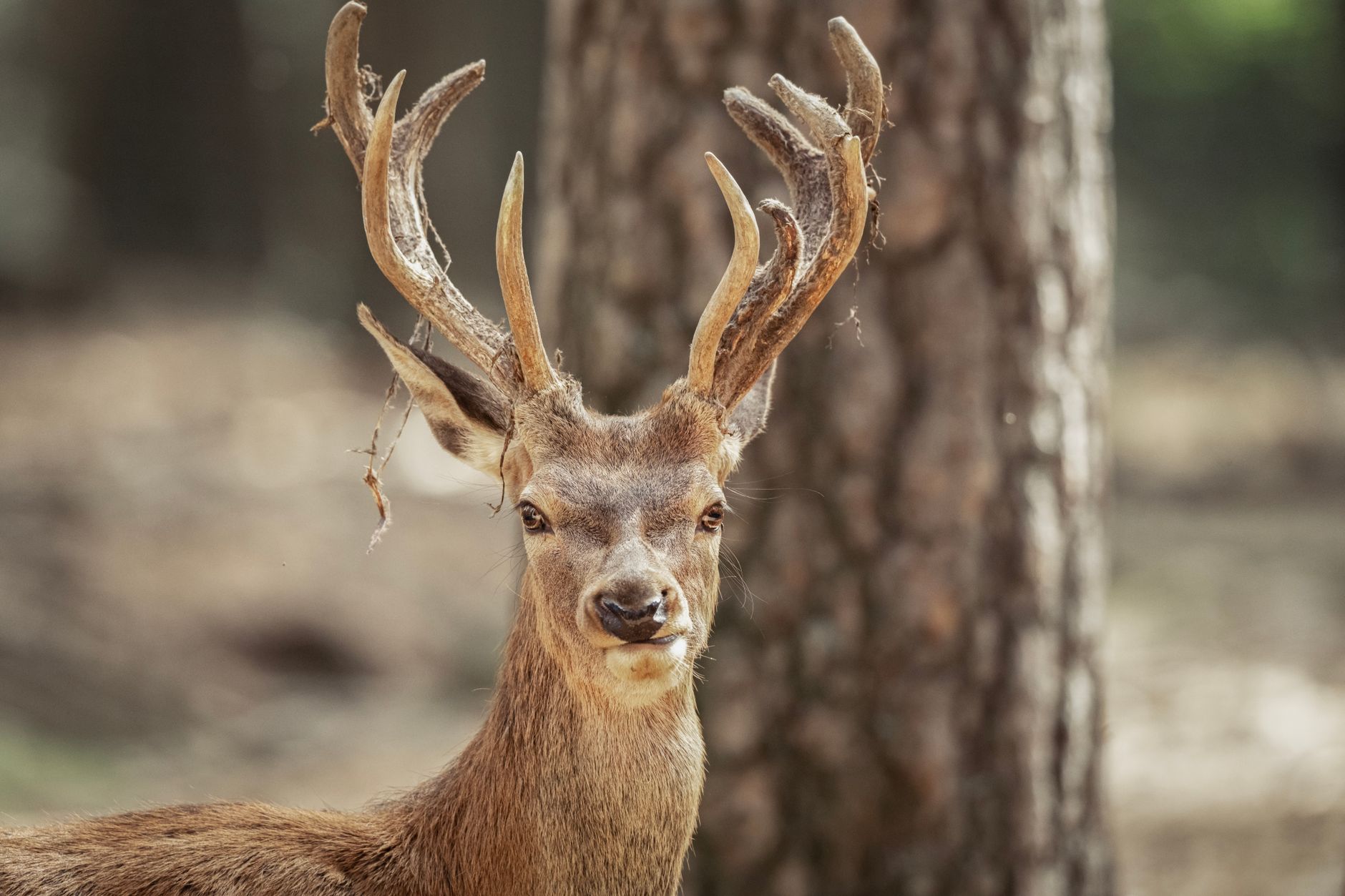
Rather than looking for signs of affection, focus on indicators that suggest a deer tolerates your presence and doesn’t perceive you as an immediate threat. These subtle cues are key to gauging their comfort level:
-
Prolonged Eye Contact (Without Flight): A deer making eye contact for a reasonable duration, without immediately bolting, is a significant indicator. While staring can be aggressive in other species, a calm, sustained gaze suggests curiosity rather than fear.
-
Relaxed Body Language: Observe the deer’s posture. A relaxed deer will have its ears forward or to the side (not pinned back), a loose body posture, and may be actively feeding or grooming. Tense muscles, flared nostrils, and a rigid stance indicate anxiety.
-
Close Proximity: If a deer allows you to approach within a certain distance (their flight zone), it demonstrates a level of comfort. The size of this zone varies depending on the deer’s prior experiences and the environment, but a smaller flight zone indicates greater trust.
-
Habituation: Over time, consistent, non-threatening behavior from you can lead to habituation. This means the deer become accustomed to your presence and no longer associate you with danger. This can manifest as deer continuing to graze or rest even when you are nearby.
-
Ignoring Your Presence: This may seem counterintuitive, but if a deer acknowledges you briefly and then resumes its activities (feeding, resting, grooming), it suggests they don’t perceive you as a significant threat. They are essentially saying, “I see you, but I’m not worried.”
Actions to Cultivate Trust and Avoid Scaring Deer
The best way to encourage deer to feel comfortable around you is to practice consistent, respectful behavior.
-
Move Slowly and Predictably: Avoid sudden movements or loud noises. Approach deer cautiously, allowing them time to adjust to your presence.
-
Avoid Direct Eye Contact: While brief eye contact can be a sign of curiosity, prolonged staring can be perceived as aggressive.
-
Speak Softly (Or Not At All): Loud voices can startle deer. Maintain a quiet demeanor when observing them.
-
Never Chase or Harass Deer: This should be obvious, but chasing deer is a guaranteed way to break any trust you have built.
-
Provide Food (With Caution): While offering food can attract deer, it’s crucial to do so responsibly. Improper feeding can disrupt their natural foraging habits and create dependency. Check local regulations regarding deer feeding. If you choose to feed them, offer natural foods like apples or carrots in moderation.
Distinguishing Comfort from Desperation
It’s important to differentiate between a deer feeling comfortable around you and a deer acting out of desperation. For example, a deer approaching humans in urban areas may be driven by hunger or a lack of natural resources, not necessarily by liking the individuals present. Consider the context and the deer’s overall condition when interpreting their behavior.
Understanding the Flight Zone
The flight zone is the area around an animal within which it will attempt to flee if approached. The size of a deer’s flight zone is influenced by:
| Factor | Influence |
|---|---|
| Previous Experience | Deer with negative encounters will have larger flight zones. |
| Age | Younger deer may be more cautious and have larger zones. |
| Environment | Open areas may result in larger zones compared to dense woods. |
| Time of Day | Deer may be more relaxed during certain times of the day. |
By understanding and respecting a deer’s flight zone, you demonstrate respect for their space and increase the likelihood of them feeling comfortable around you.
Frequently Asked Questions About Deer Behavior
Here are some frequently asked questions to expand your understanding of deer behavior and how do you tell if a deer likes you?.
Do deer recognize individual humans?
Yes, deer are capable of recognizing individual humans, especially those they encounter frequently. They use a combination of sight, smell, and auditory cues to differentiate between individuals. This is especially true when a deer has had consistent positive or negative experiences with a particular person.
Are deer more likely to “like” people who feed them?
While feeding deer can lead to increased proximity and a temporary reduction in their flight zone, it doesn’t necessarily equate to genuine liking. It’s more accurate to say they associate you with a reliable food source. However, remember that dependency on humans for food is generally detrimental to their long-term health and survival.
How can you tell if a deer is stressed or frightened?
Signs of stress or fear in deer include: stiff body posture, pinned-back ears, flared nostrils, wide eyes, rapid breathing, snorting, stomping their feet, and tail flicking. If you observe any of these behaviors, it’s best to back away and give the deer space.
What is the significance of a deer flicking its tail?
A deer flicking its tail can indicate a variety of emotions, but it most often signals nervousness, alarm, or agitation. It’s a warning sign to other deer and a clear indication that the deer is feeling uncomfortable. However, occasional tail flicks can also be normal behavior, so consider the context.
Do male and female deer react differently to humans?
Generally, does (female deer) tend to be more cautious than bucks (male deer), especially when they have fawns. Bucks, particularly during the rut (mating season), may exhibit bolder behavior, but this is driven by hormones and competition, not necessarily affection.
Is it safe to approach a deer fawn?
Never approach a deer fawn, even if it appears abandoned. The mother is likely nearby and will return when she feels safe. Approaching a fawn can stress the fawn and the mother, and it can also attract predators. In most cases, leaving the fawn alone is the best course of action.
How do deer communicate with each other?
Deer communicate through a combination of vocalizations, body language, scent marking, and visual cues. They use different calls to signal danger, attract mates, and communicate with their fawns. They also use scent marking to establish territory and leave messages for other deer.
Are there specific breeds or types of deer that are more likely to be friendly?
Individual deer personalities vary more than breed or species variations. Past experiences, available resources, and overall health impacts their willingness to interact with humans.
What is the best way to observe deer without disturbing them?
The best way to observe deer without disturbing them is to maintain a respectful distance, move slowly and quietly, and avoid making direct eye contact. Use binoculars or a spotting scope to get a closer look without encroaching on their space. Early morning and late evening are often the best times to observe deer, as they are most active during these periods.
How does living in an urban environment affect a deer’s behavior towards humans?
Deer in urban environments often become habituated to human presence and may exhibit less fear than deer in more remote areas. However, this doesn’t necessarily mean they “like” humans. It simply means they have learned to tolerate their presence. Overpopulation and limited resources in urban areas can also lead to increased interactions between deer and humans, sometimes resulting in negative consequences.
What are the ethical considerations of interacting with deer?
It’s crucial to approach interactions with deer ethically and responsibly. Avoid actions that could harm or stress them, and respect their natural behaviors. Do not habituate them to human food sources, as this can disrupt their natural foraging habits and make them dependent on humans. Prioritize their well-being and avoid interfering with their natural lives.
Can a deer ever be truly considered “tame”?
While deer can become habituated to human presence, they are never truly tame. They retain their wild instincts and can become unpredictable if threatened or stressed. It’s important to remember that they are wild animals and should be treated with respect and caution. Focus on understanding “how do you tell if a deer likes you?” rather than attempting to domesticate them.