
How Do You Reduce, Reuse, and Recycle? A Comprehensive Guide
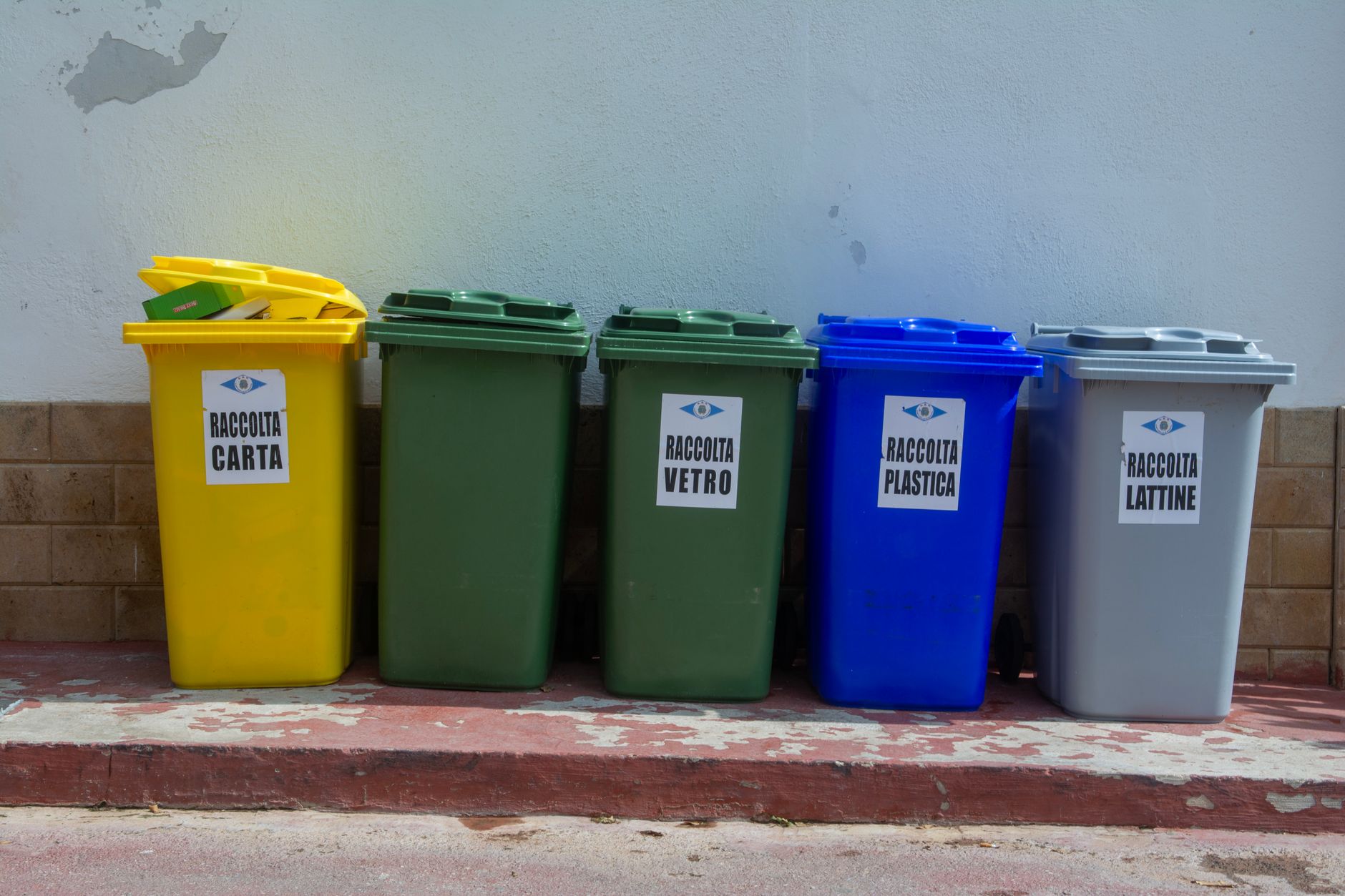
Reducing, reusing, and recycling form the cornerstone of sustainable living, demanding a conscious shift towards minimizing waste and maximizing resource utility. The key lies in adopting mindful consumption habits, creatively repurposing items, and actively participating in organized recycling programs, thereby lessening our environmental footprint.
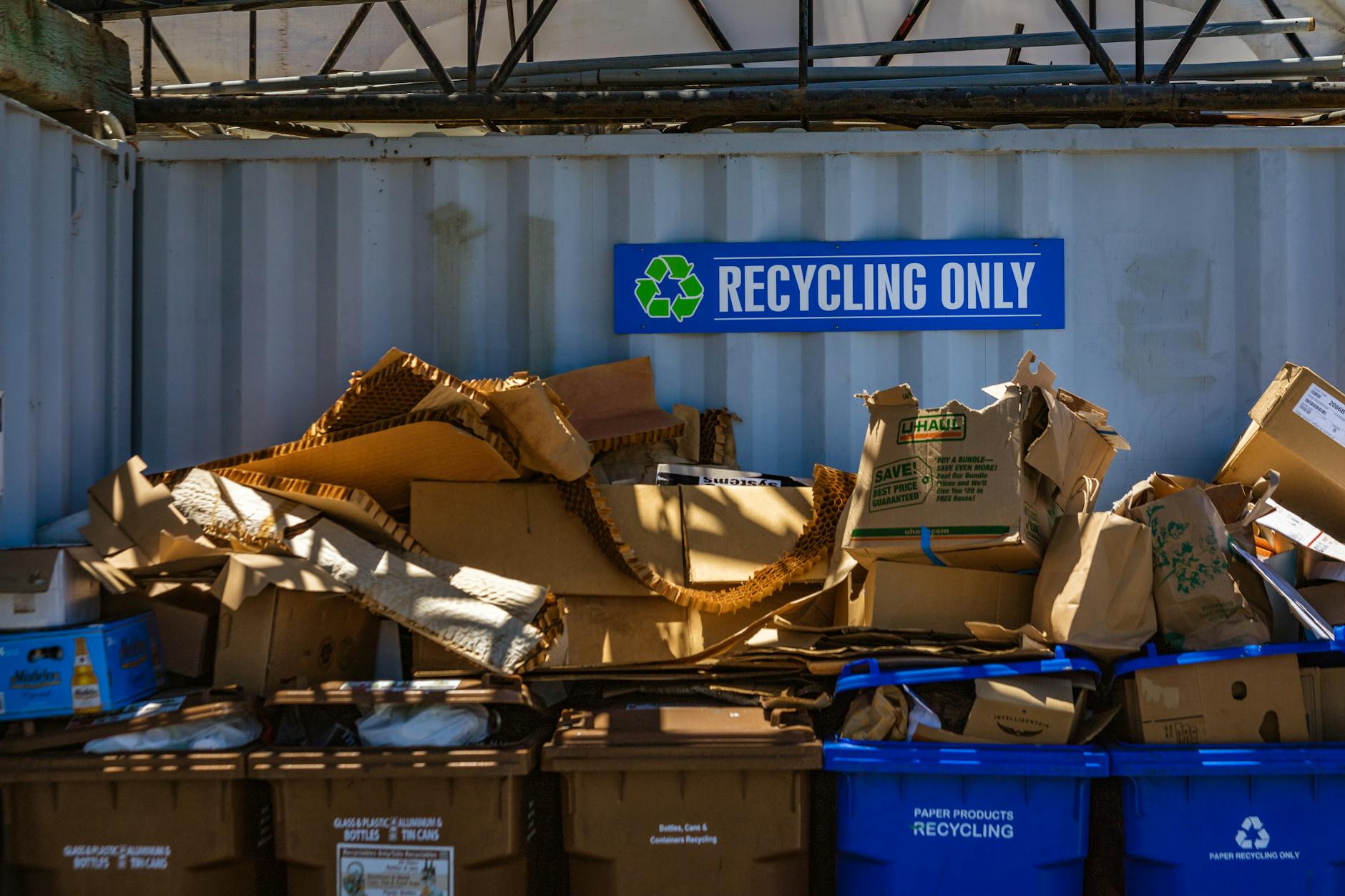
Understanding the 3 Rs: A Foundation for Sustainability
The 3 Rs – Reduce, Reuse, and Recycle – represent a hierarchy of waste management strategies, each playing a crucial role in preserving natural resources and mitigating environmental pollution. While often presented as equal, their impact on sustainability differs significantly. Understanding this hierarchy allows individuals to make more informed choices and prioritize the most effective methods.
Reduce: Minimizing Waste at the Source
Reduction is arguably the most impactful of the 3 Rs because it prevents waste from being generated in the first place. This involves making conscious choices about the products we purchase, opting for items with minimal packaging, and avoiding unnecessary consumption.
What colours are fish most attracted to?
Can you put your finger in a trout's mouth?
Is methylene blue anti bacterial?
Does aquarium salt raise pH in aquarium?
Reuse: Giving Items a Second Life

Reuse extends the lifespan of products by finding alternative uses for them instead of discarding them. This not only reduces waste but also conserves the energy and resources required to manufacture new items. Creativity and resourcefulness are key to successful reuse.
Recycle: Transforming Waste into New Products
Recycling involves collecting and processing used materials to create new products. While it’s a valuable tool for waste management, it’s important to remember that recycling still requires energy and resources.
Practical Strategies for Implementing the 3 Rs
Implementing the 3 Rs in your daily life requires a conscious effort and a willingness to change habits. However, the benefits – both for the environment and potentially for your wallet – are substantial.
Reducing Consumption
- Buy Less: Before making a purchase, ask yourself if you truly need the item. Consider borrowing, renting, or buying used instead of new.
- Choose Products with Minimal Packaging: Opt for items with less packaging or packaging made from recycled materials.
- Avoid Single-Use Items: Switch to reusable alternatives like water bottles, coffee cups, shopping bags, and food containers.
- Say No to Junk Mail: Unsubscribe from unwanted mail and opt for electronic statements and notifications whenever possible.
- Repair, Don’t Replace: Extend the life of your belongings by repairing them instead of automatically replacing them.
Reusing Items Creatively
- Repurpose Containers: Reuse glass jars and plastic containers for storage, organization, or crafting.
- Donate Unwanted Items: Give gently used clothing, furniture, and electronics to charities or thrift stores.
- Use Old Clothes for Cleaning: Cut up old t-shirts and towels to use as cleaning rags.
- Compost Food Scraps: Start a compost bin or participate in a community composting program to turn food waste into nutrient-rich soil.
- Get Creative with Packaging: Use cardboard boxes for storage or crafting projects.
Recycling Effectively
- Know Your Local Recycling Guidelines: Understand which materials are accepted in your local recycling program.
- Rinse and Clean Recyclables: Ensure that recyclables are clean and dry to avoid contaminating the recycling stream.
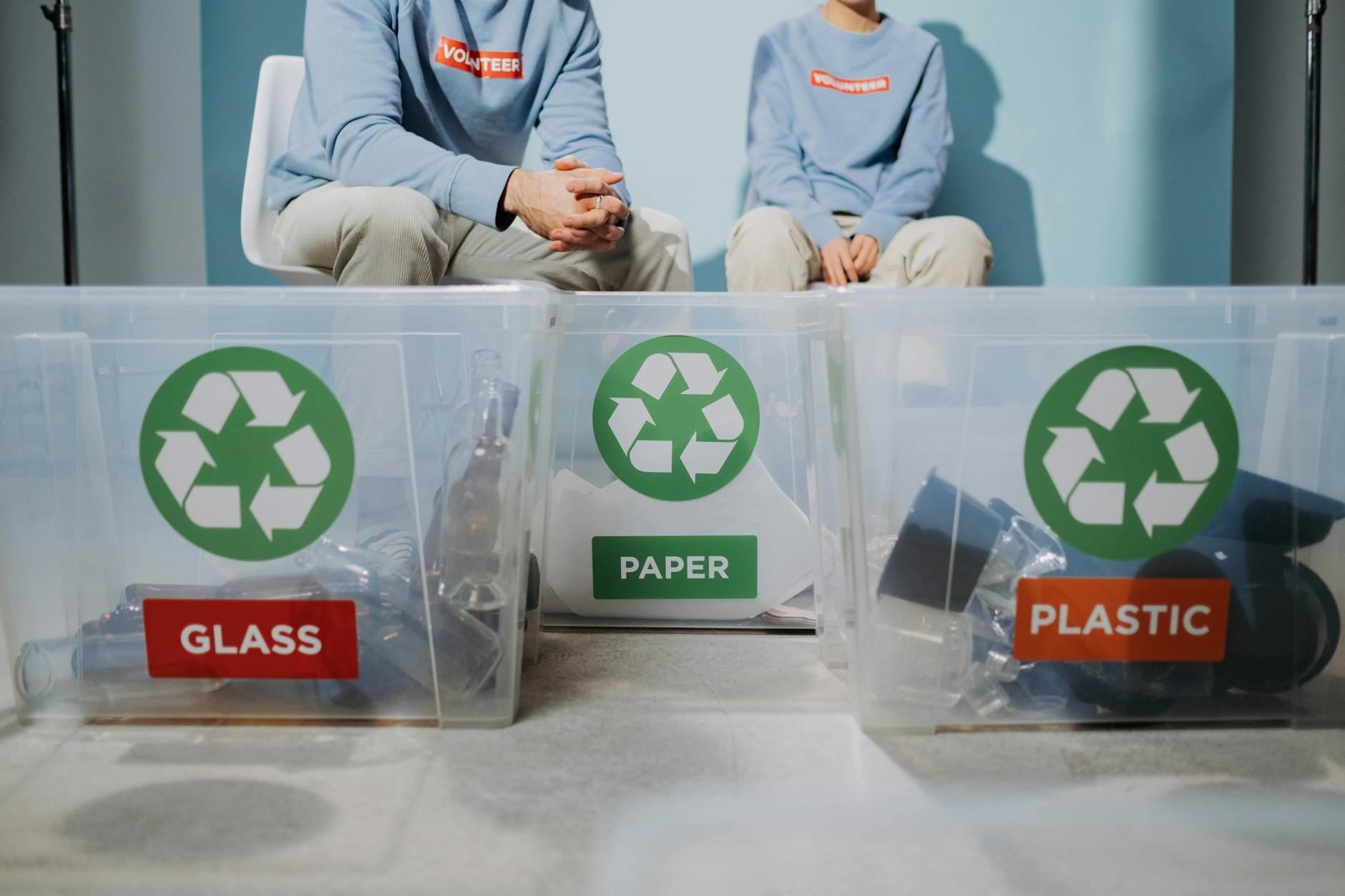
- Separate Materials Properly: Sort recyclables according to the guidelines of your local program.
- Flatten Cardboard Boxes: Flatten cardboard boxes to save space in your recycling bin.
- Advocate for Improved Recycling Infrastructure: Support initiatives that expand recycling programs and improve recycling technology.
Frequently Asked Questions (FAQs) About Reducing, Reusing, and Recycling
1. Why are the 3 Rs important for the environment?
The 3 Rs – reduce, reuse, and recycle – are crucial for environmental sustainability because they help conserve natural resources, reduce landfill waste, minimize pollution, and lower greenhouse gas emissions. By consuming less, reusing items, and recycling materials, we lessen our impact on the planet and contribute to a healthier environment for future generations.
2. How does reducing consumption help the environment?
Reducing consumption addresses the root cause of waste generation. By buying less and being more mindful of our purchases, we decrease the demand for new products, which in turn reduces the need for resource extraction, manufacturing processes, and transportation – all of which contribute to pollution and environmental degradation.
3. What are some simple ways to reduce food waste at home?
Simple strategies include planning meals, making shopping lists, storing food properly, using leftovers creatively, and composting food scraps. Avoiding impulse purchases and being mindful of portion sizes can also significantly reduce food waste. Food waste is a massive problem, both environmentally and economically.
4. What are the benefits of reusing items instead of throwing them away?
Reusing items conserves resources, reduces landfill waste, and saves energy. It also helps to lower the demand for new products, which often require significant energy and resources to manufacture. Reusing is often more environmentally friendly than recycling, as it avoids the energy-intensive processing required for recycling.
5. What materials can be recycled?
The specific materials accepted for recycling vary depending on your local program. However, common recyclables include paper, cardboard, plastic bottles and containers (typically #1 and #2 plastics), glass bottles and jars, and aluminum and steel cans. Always check your local recycling guidelines for a comprehensive list.
6. Why is it important to rinse and clean recyclables?
Contaminated recyclables can disrupt the recycling process and even render entire batches of materials unrecyclable. Food residue, liquids, and other contaminants can interfere with the sorting and processing of materials, leading to lower-quality recycled products or outright rejection of the materials. Cleanliness is key to successful recycling.
7. What is composting, and how does it help the environment?
Composting is the natural process of decomposing organic matter, such as food scraps and yard waste, into a nutrient-rich soil amendment called compost. Composting diverts organic waste from landfills, reduces greenhouse gas emissions, and creates a valuable resource for gardening and agriculture. Compost improves soil health and reduces the need for synthetic fertilizers.
8. Are all plastics recyclable?
No, not all plastics are recyclable. The recyclability of plastics depends on their type and the capabilities of your local recycling facility. Plastics are typically identified by a number (1-7) inside a triangle. Plastics #1 (PET) and #2 (HDPE) are generally the most widely accepted for recycling. Check your local guidelines for specific information.
9. What is the difference between recycling and upcycling?
Recycling involves processing used materials into new products of similar quality. Upcycling, on the other hand, transforms waste materials into new products of higher quality or value. For example, recycling plastic bottles into fleece jackets is recycling, while turning old tires into planters is upcycling. Upcycling adds value to waste materials.
10. How can I encourage others to adopt the 3 Rs?
Lead by example, educate others about the benefits of reducing, reusing, and recycling, and support initiatives that promote sustainable practices. Share tips and ideas, organize community cleanups, and advocate for policies that encourage waste reduction and recycling. Education and advocacy are crucial for creating a more sustainable society.
11. What are some challenges to recycling, and how can they be overcome?
Challenges to recycling include contamination of materials, lack of recycling infrastructure in some areas, and fluctuating market demand for recycled materials. These challenges can be addressed through improved public education, increased investment in recycling infrastructure, and policies that support the use of recycled materials. Policy and infrastructure play a vital role in recycling success.
12. How can businesses reduce their environmental impact through the 3 Rs?
Businesses can implement strategies such as reducing packaging, using recycled materials, implementing recycling programs, encouraging employees to reduce waste, and partnering with sustainable suppliers. They can also conduct waste audits to identify areas for improvement and set targets for waste reduction. Corporate responsibility is increasingly important for sustainable business practices.
Conclusion: Embracing a Sustainable Future
By embracing the principles of Reduce, Reuse, and Recycle, we can collectively create a more sustainable future for ourselves and generations to come. It requires a commitment to conscious consumption, creative resourcefulness, and active participation in recycling programs. The small choices we make every day can have a profound impact on the health of our planet. Let’s all strive to live a more sustainable life.