
How to Prevent Worms in Dogs: A Comprehensive Guide
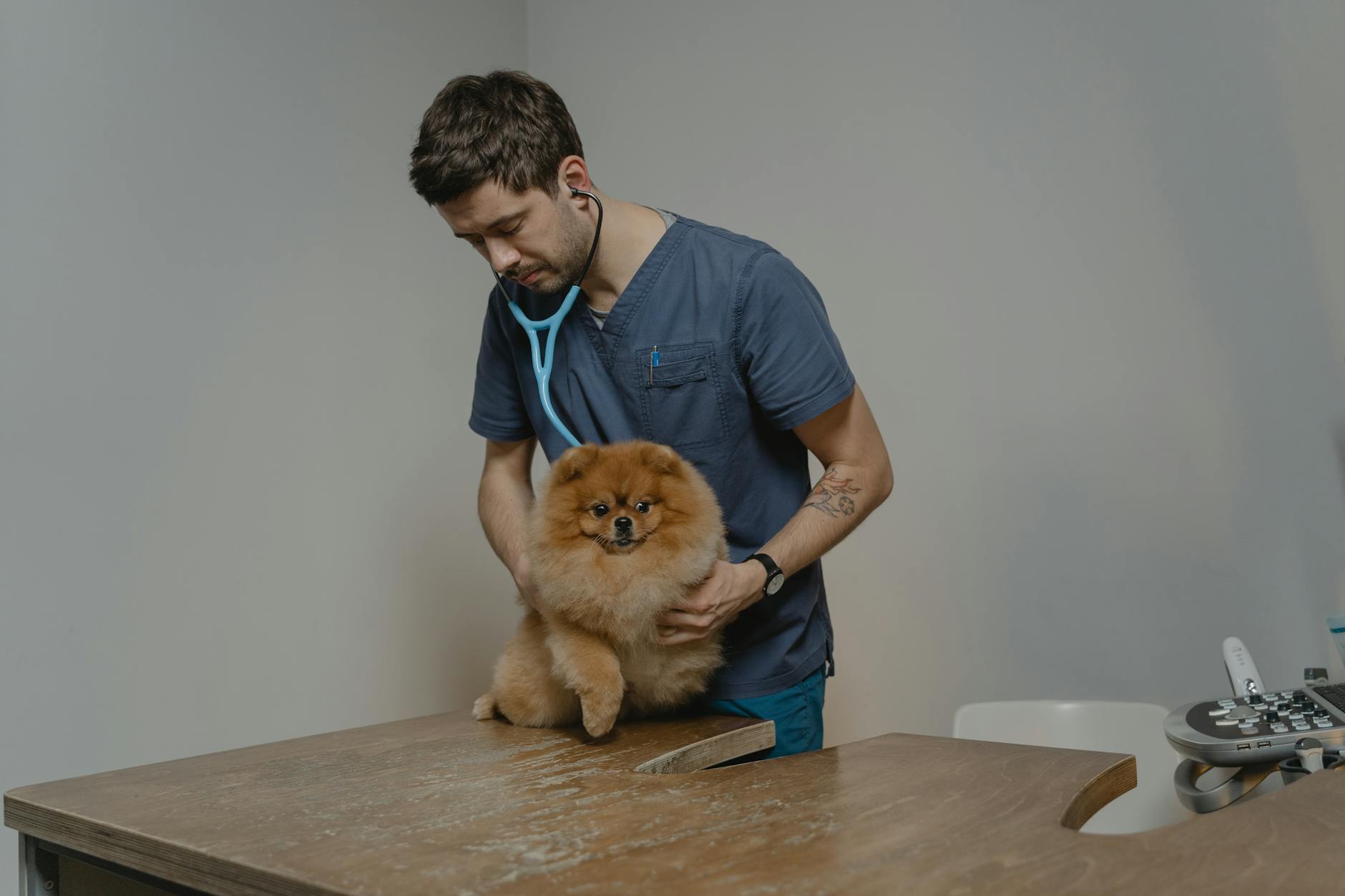
The best way to prevent worms in dogs is through a combination of regular deworming treatments, diligent hygiene practices, and preventative measures to minimize exposure to infected environments and vectors. Proactive parasite control is key to maintaining your dog’s health and wellbeing.

Understanding Canine Worms: A Vital First Step
Worms are internal parasites that can infest a dog’s system, causing various health problems. Understanding the types of worms that affect dogs and how they are transmitted is crucial for effective prevention. Common canine worms include:
- Roundworms: Transmitted through ingestion of contaminated soil, feces, or infected animals.
- Hookworms: Can penetrate the skin or be ingested; also transmitted through the mother’s milk.
- Whipworms: Acquired through ingestion of contaminated soil.
- Tapeworms: Transmitted by ingesting infected fleas or by eating rodents and other small mammals that carry tapeworm larvae.
- Heartworms: Spread by mosquitoes; these are the most dangerous and require year-round preventative medication.
Understanding the lifecycle of these parasites allows for targeted preventative measures. For example, knowing that fleas are a vector for tapeworms emphasizes the importance of flea control.

What colours are fish most attracted to?
Can you put your finger in a trout's mouth?
Is methylene blue anti bacterial?
Does aquarium salt raise pH in aquarium?
Proactive Deworming: The Cornerstone of Prevention
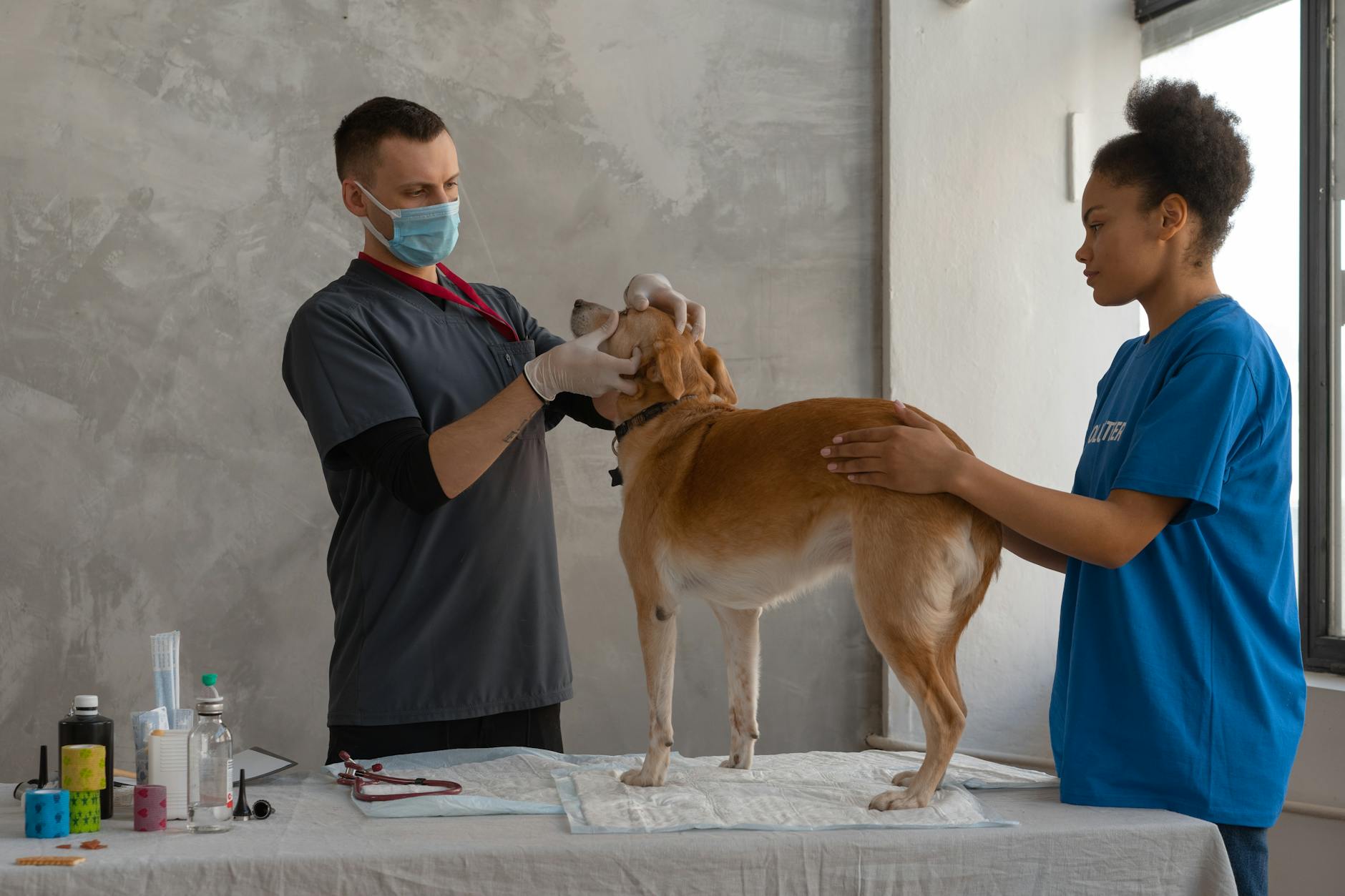
Regular deworming is the most effective way to prevent worms in dogs. Your veterinarian can recommend a deworming schedule and the appropriate medication based on your dog’s age, lifestyle, and risk factors.
- Puppies: Require more frequent deworming due to their higher susceptibility to infection. Typically, deworming starts as early as two weeks of age and is repeated every two weeks until they are a few months old.
- Adult Dogs: Typically dewormed every 3-6 months, depending on lifestyle and regional prevalence of parasites. Discuss a suitable schedule with your veterinarian.
- Year-Round Heartworm Prevention: This is critical regardless of location. Heartworm prevention comes in the form of monthly chewable tablets or topical applications, or an injectable form that is given every 6 or 12 months.
Deworming medications work by killing adult worms in the intestinal tract. They are not effective at preventing infection, hence the need for regular treatments.
Environmental Hygiene: Minimizing Exposure
Maintaining a clean environment can significantly reduce your dog’s exposure to worm eggs and larvae.
- Feces Removal: Promptly remove and dispose of dog feces, especially in areas where other dogs frequent.
- Yard Maintenance: Keep your yard clean and free of debris, which can harbor worm eggs.
- Kennel and Bedding Hygiene: Regularly wash and disinfect your dog’s bedding, bowls, and kennel.
- Safe Water Sources: Ensure your dog has access to clean, fresh water. Avoid allowing them to drink from puddles or stagnant water sources, as these can be contaminated.
Flea Control: A Key Component of Tapeworm Prevention
Effective flea control is essential to prevent worms in dogs, particularly tapeworms.
- Year-Round Flea Prevention: Use a veterinarian-recommended flea preventative consistently, all year round.
- Treat the Environment: Address flea infestations not only on your dog but also in your home and yard.
- Regular Grooming: Regularly groom your dog to check for fleas and flea dirt (flea feces).
Dietary Considerations: Supporting a Healthy Gut
A strong immune system and healthy gut can help your dog resist worm infestations.
- High-Quality Diet: Feed your dog a high-quality diet appropriate for their age, breed, and activity level.
- Probiotics: Consider adding probiotics to your dog’s diet to promote gut health.
- Pumpkin: Pumpkin puree (plain, not pie filling) can aid digestion and help eliminate worms naturally.
Avoiding High-Risk Areas
Be mindful of areas where your dog is more likely to encounter worms.
- Dog Parks: Exercise caution at dog parks, where there is a higher concentration of dogs and potential for fecal contamination.
- Walking Routes: Avoid walking your dog in areas where other dogs frequently defecate.
- Wild Animal Feces: Discourage your dog from investigating or eating wild animal feces.
Common Mistakes in Worm Prevention
- Skipping Deworming: Inconsistent deworming schedules are a common mistake.
- Using Incorrect Dosage: Always follow your veterinarian’s instructions and use the correct dosage of deworming medication.
- Neglecting Flea Control: Failing to control fleas significantly increases the risk of tapeworm infection.
- Ignoring Environmental Hygiene: Neglecting to clean up feces and maintain a clean environment exposes your dog to worms.
- Self-Diagnosing and Treating: Always consult with a veterinarian before treating your dog for worms.
The Benefits of Proactive Prevention
The benefits of proactively preventing worms in your dog are substantial:
- Improved Health and Wellbeing: Worm-free dogs are healthier, happier, and more energetic.
- Reduced Risk of Complications: Untreated worm infestations can lead to serious health problems, including anemia, malnutrition, and organ damage.
- Prevention of Zoonotic Diseases: Some worms can be transmitted from dogs to humans (zoonotic diseases), particularly children. Prevention protects your entire family.
- Cost Savings: Preventing worm infestations is often less expensive than treating them.
When to Consult Your Veterinarian
If you suspect your dog has worms, consult with your veterinarian immediately. Symptoms can include:
- Vomiting
- Diarrhea
- Weight loss
- Pot-bellied appearance
- Scooting
- Visible worms in feces or vomit
Early diagnosis and treatment are essential to prevent complications.
Frequently Asked Questions (FAQs)
How often should I deworm my dog?
The frequency of deworming depends on your dog’s age, lifestyle, and risk factors. Puppies require more frequent deworming, typically every two weeks until they are a few months old. Adult dogs are generally dewormed every 3-6 months, but discuss a personalized schedule with your veterinarian.
What are the symptoms of worms in dogs?
Symptoms can vary depending on the type of worm and the severity of the infestation. Common symptoms include vomiting, diarrhea, weight loss, a pot-bellied appearance, scooting, and visible worms in the feces or vomit. If you notice any of these symptoms, consult your veterinarian immediately.
Can humans get worms from dogs?
Yes, some worms, such as roundworms and hookworms, can be transmitted from dogs to humans (zoonotic diseases). Practicing good hygiene, such as washing your hands after handling dog feces, can help prevent transmission.
What is heartworm, and how can I prevent it?
Heartworm is a potentially fatal parasite transmitted by mosquitoes. It infects the heart and lungs. Prevention is key and involves using year-round preventative medication prescribed by your veterinarian. Regular heartworm testing is also recommended.
Are over-the-counter dewormers effective?
Some over-the-counter dewormers can be effective against certain types of worms, but they may not be effective against all types. It’s best to consult with your veterinarian to determine the most appropriate dewormer for your dog’s specific needs.
How do dogs get tapeworms?
Dogs typically get tapeworms by ingesting infected fleas or by eating rodents and other small mammals that carry tapeworm larvae. Effective flea control is essential for preventing tapeworm infections.
Is it safe to deworm a pregnant dog?
Deworming a pregnant dog requires careful consideration. Some deworming medications are safe for pregnant dogs, while others are not. Consult with your veterinarian to determine the safest and most effective deworming protocol.
Can worms cause permanent damage to my dog?
Yes, if left untreated, worm infestations can cause permanent damage to your dog’s organs, particularly the heart, lungs, and intestines. Early diagnosis and treatment are crucial for preventing long-term complications.
What should I do if I see worms in my dog’s stool?
If you see worms in your dog’s stool, collect a sample and take it to your veterinarian for diagnosis and treatment. Do not attempt to self-diagnose or treat your dog.
Does my dog need to be dewormed if it doesn’t go outside?
Even indoor dogs can be exposed to worms through various means, such as infected fleas, contaminated food, or contact with other pets. Discuss a deworming schedule with your veterinarian based on your dog’s individual risk factors.
Are there any natural remedies for worms in dogs?
While some natural remedies, such as pumpkin and diatomaceous earth, may help support gut health, they are generally not effective at eliminating worm infestations. It’s best to rely on veterinarian-prescribed deworming medications for effective treatment.
Why is it important to prevent worms in my dog?
How do you prevent worms in dogs? Preventing worms is crucial for maintaining your dog’s health and wellbeing, preventing zoonotic diseases, and avoiding costly veterinary bills. Proactive parasite control is an essential part of responsible pet ownership.