
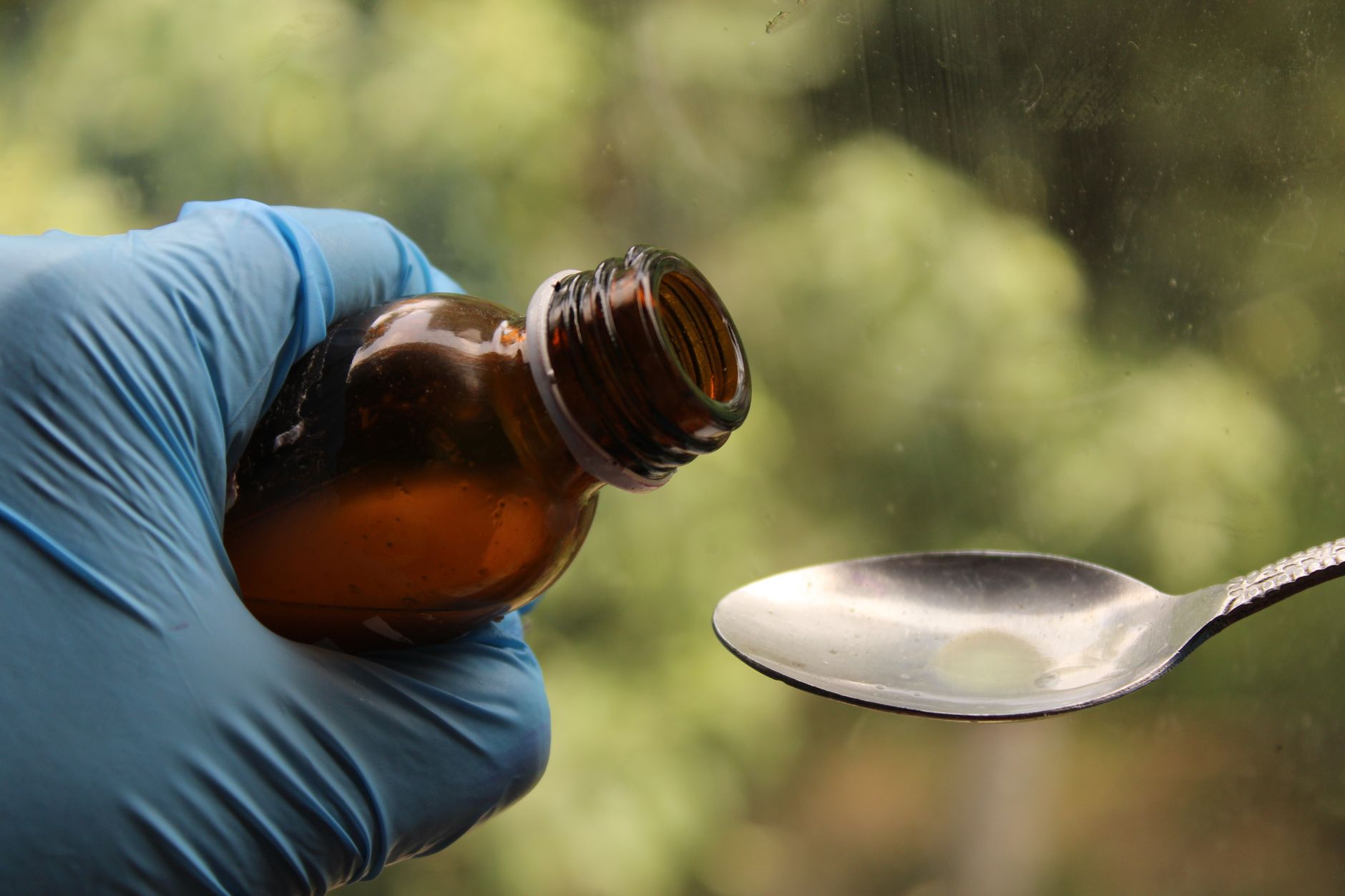
How to Make Medicine Go Down: Masking the Taste of Liquid Medicine
Making children (and sometimes adults!) take liquid medicine can be a battle. Thankfully, there are proven strategies to effectively and discreetly mask the taste of liquid medicine, ensuring it goes down easier and treatment compliance is improved.

The Challenge of Liquid Medicine Taste
The inherent bitterness and unpleasant flavors of many liquid medications pose a significant challenge, particularly for children. This can lead to resistance, spitting out doses, and ultimately, inadequate treatment. Understanding the source of the problem is the first step to finding an effective solution. The taste receptors on our tongues are particularly sensitive to bitter compounds, making these flavors especially difficult to ignore.

What colours are fish most attracted to?
Can you put your finger in a trout's mouth?
Is methylene blue anti bacterial?
Does aquarium salt raise pH in aquarium?
Why Masking the Taste is Important
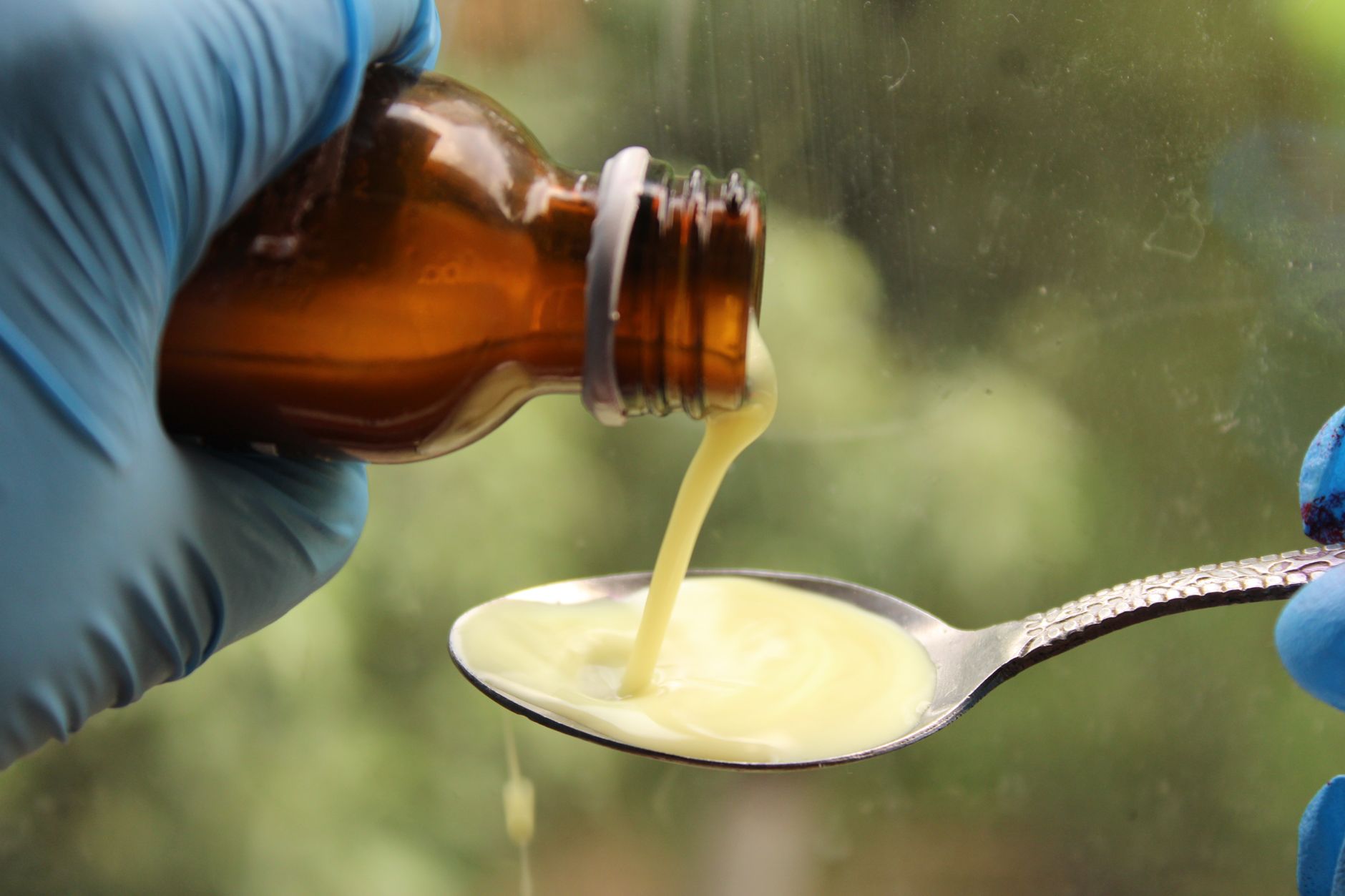
Successfully masking the taste of liquid medicine offers numerous benefits:
- Improved adherence: Reduced resistance and increased willingness to take medication lead to better compliance with prescribed treatment plans.
- Reduced stress: For both the patient and caregiver, masking the taste eliminates the anxiety and struggle associated with medication administration.
- Accurate dosing: When medication is swallowed completely without spitting, the patient receives the full prescribed dose.
- Better health outcomes: Consistent and complete doses translate to more effective treatment and improved health outcomes.
Proven Techniques for Taste Masking
How do you mask the taste of liquid medicine? Several techniques, either used individually or in combination, can significantly improve the palatability of liquid medications:
- Chilling: Cooling the medication before administration can numb the taste buds and reduce the perception of unpleasant flavors. This is a simple and effective first step.
- Mixing with Strong Flavors: Combining the medicine with strongly flavored foods or beverages can help to overwhelm the undesirable taste. Common options include:
- Applesauce
- Yogurt
- Fruit juice (apple, grape, orange)
- Pudding
- Chase with a Treat: Immediately following the dose with a palatable treat can quickly erase the lingering taste. Consider these options:
- Small piece of candy
- Sip of juice or soda
- Ice pop
- Nose Pinching: Holding the nose closed while swallowing the medicine can temporarily block the olfactory receptors, reducing the perception of taste. This technique is most effective when combined with other masking strategies.
- Flavor Concentrates: Commercially available flavor concentrates designed specifically for masking medication taste can be added to the liquid. These are often available in various kid-friendly flavors.
- Using a Syringe: Aim the syringe towards the back of the mouth and along the cheek to bypass some of the taste buds on the tongue.
- Pill Coating Syrups: These syrups coat the mouth and throat, making swallowing larger pills or strong tasting liquids easier.
- Pharmaceutical Compounding: In some cases, a pharmacist can compound the medication into a different form (e.g., a flavored suspension) that is more palatable. This may require a prescription from your doctor.
Common Mistakes to Avoid
- Mixing with Essential Foods: Avoid mixing medication with essential foods like milk or formula, as the patient may develop an aversion to these foods.
- Using Large Volumes: Mixing with too much food or drink can make it difficult to consume the entire dose. Use only a small amount to effectively mask the taste.
- Not Checking for Interactions: Before mixing any medication with food or drink, confirm with a pharmacist or doctor that there are no potential interactions.
- Assuming all children dislike the same flavors: Preferences vary. Experiment with different options to find what works best for your child.
Flavor Pairing Guide
| Flavor Mask | Compatible Flavors | Notes |
|---|---|---|
| Bitter | Sweet, Sour | Think lemonade or chocolate syrup. |
| Sour | Sweet, Fruity | Consider strawberry or grape flavors. |
| Salty | Sweet, Savory | Peanut butter or caramel can help balance salty tastes. |
| Metallic | Strong, Citrus | Lemon or lime can help neutralize metallic tastes. |
The Role of the Pharmacist
Your pharmacist is a valuable resource for information about how do you mask the taste of liquid medicine. They can provide advice on appropriate flavor pairings, potential interactions, and alternative formulations that may be available.
Frequently Asked Questions
How do you mask the taste of liquid medicine if my child is allergic to common foods?
- It’s crucial to avoid any foods or beverages that could trigger an allergic reaction. Consult with your doctor or pharmacist for safe alternatives, such as flavor concentrates that are free of common allergens, or ask if there are alternative forms of the medicine like a topical or suppository.
Can I mix liquid medicine with honey?
- While honey is often used to soothe sore throats, it’s not recommended for children under one year of age due to the risk of infant botulism. For older children and adults, honey can be a useful taste masking agent.
How long can I store medicine after mixing it with food or drink?
- It’s best to administer the medication immediately after mixing it with food or drink. Storing the mixture can affect the stability and effectiveness of the medicine. Discard any unused portion.
What if my child spits out the medicine? Should I give them another dose?
- If your child spits out the medicine immediately after taking it, you may need to administer another dose. However, if they spit it out a while later, or if you are unsure how much they swallowed, consult with your doctor or pharmacist for guidance. Do not exceed the recommended daily dose.
Are there any specific flavors that work best for masking bitter medications?
- Strong sweet flavors, like chocolate or grape, are often effective at masking bitterness. Acidic flavors like lemon or orange can also help neutralize bitter compounds. Experiment to see what your child prefers.
Is it safe to mix all types of liquid medicine with juice?
- Not necessarily. Some medications can interact with certain types of juice, such as grapefruit juice. Always check with your pharmacist or doctor before mixing any medication with juice.
What if my child refuses to take any flavored medicine?
- If your child is resistant to flavored medications, try unflavored options. Alternatively, explore other administration routes, such as suppositories or topical creams, if appropriate and available.
Where can I buy flavor concentrates specifically designed for masking medication taste?
- These products are often available at pharmacies or online retailers. Ask your pharmacist for recommendations.
Can I use sugar to mask the taste of liquid medicine?
- While sugar can mask bitterness, excessive sugar consumption is not recommended, especially for children. Consider using sugar-free alternatives or other flavor masking agents.
How do you mask the taste of liquid medicine when I am an adult and can’t have sugar?
- Sugar-free flavor concentrates, such as those flavored with stevia or other artificial sweeteners, can be a good option. Alternatively, try mixing the medicine with sugar-free applesauce, yogurt, or pudding. Chilling the medicine is also a good tip.
My child gags when taking liquid medicine. What can I do?
- Use a syringe to administer the medicine slowly, aiming towards the cheek to minimize triggering the gag reflex. Holding your child in an upright position can also help. If gagging persists, consult with your doctor.
Are there any medical conditions that affect the ability to taste medicine?
- Yes, certain medical conditions or medications can affect taste perception. Chemotherapy, radiation therapy, and some neurological disorders can alter taste buds. Discuss any changes in taste with your doctor.