
How to Get Rid of Stomatitis: A Comprehensive Guide
Making stomatitis go away involves a multi-faceted approach focusing on alleviating pain, promoting healing, and preventing further irritation. The key is a combination of good oral hygiene, dietary modifications, and, in some cases, medicated treatments to effectively combat the inflammation and restore a healthy mouth.
Understanding Stomatitis
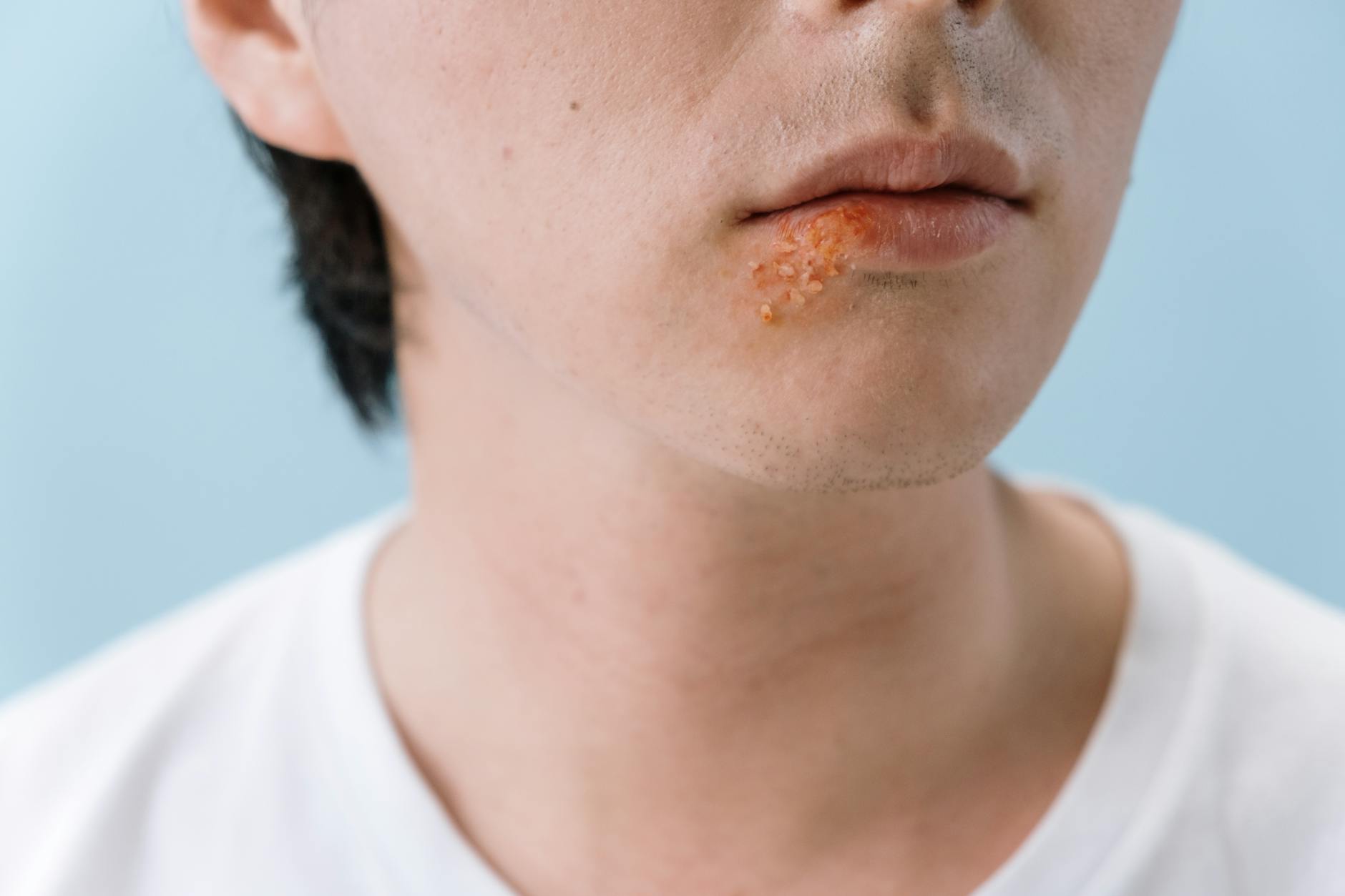
Stomatitis is a broad term referring to inflammation of the mucous membranes of the mouth. It can manifest in various forms, including canker sores (aphthous ulcers), cold sores (caused by the herpes simplex virus), and inflammation due to dentures, medications, or underlying medical conditions. Understanding the type of stomatitis is crucial for effective treatment. It’s important to note that while often painful, stomatitis is usually not contagious, unless it’s specifically caused by a contagious virus like herpes simplex.

What colours are fish most attracted to?
Can you put your finger in a trout's mouth?
Is methylene blue anti bacterial?
Does aquarium salt raise pH in aquarium?
Causes and Risk Factors

Identifying the underlying cause is essential for preventing recurrent stomatitis. Common causes include:
- Infections: Viral, bacterial, or fungal infections (e.g., herpes simplex, thrush).
- Trauma: Injury from biting the cheek, poorly fitting dentures, or aggressive toothbrushing.
- Nutritional Deficiencies: Lack of vitamins like B12, iron, or folate.
- Medications: Chemotherapy, certain antibiotics, or NSAIDs.
- Underlying Medical Conditions: Autoimmune diseases (e.g., Behcet’s disease, lupus), inflammatory bowel disease (IBD).
- Stress: Psychological stress can weaken the immune system and trigger outbreaks.
- Allergies: Reactions to food or dental products.
Risk factors include a weakened immune system, poor oral hygiene, and a history of recurrent stomatitis.
Home Remedies for Relief
Many cases of mild stomatitis can be managed effectively at home. Here are some helpful strategies:
- Gentle Oral Hygiene:
- Use a soft-bristled toothbrush.
- Brush gently twice daily.
- Floss daily.
- Avoid alcohol-based mouthwashes, which can irritate the sores.
- Saltwater Rinse: Rinse your mouth several times a day with a warm saltwater solution (1/2 teaspoon of salt in 8 ounces of water). This helps to reduce inflammation and promote healing.
- Dietary Modifications:
- Avoid acidic, spicy, and salty foods.
- Choose soft, bland foods that are easy to chew.
- Stay hydrated by drinking plenty of water.
- Avoid alcohol and tobacco.
- Pain Relief:
- Over-the-counter pain relievers like ibuprofen or acetaminophen can help manage pain.
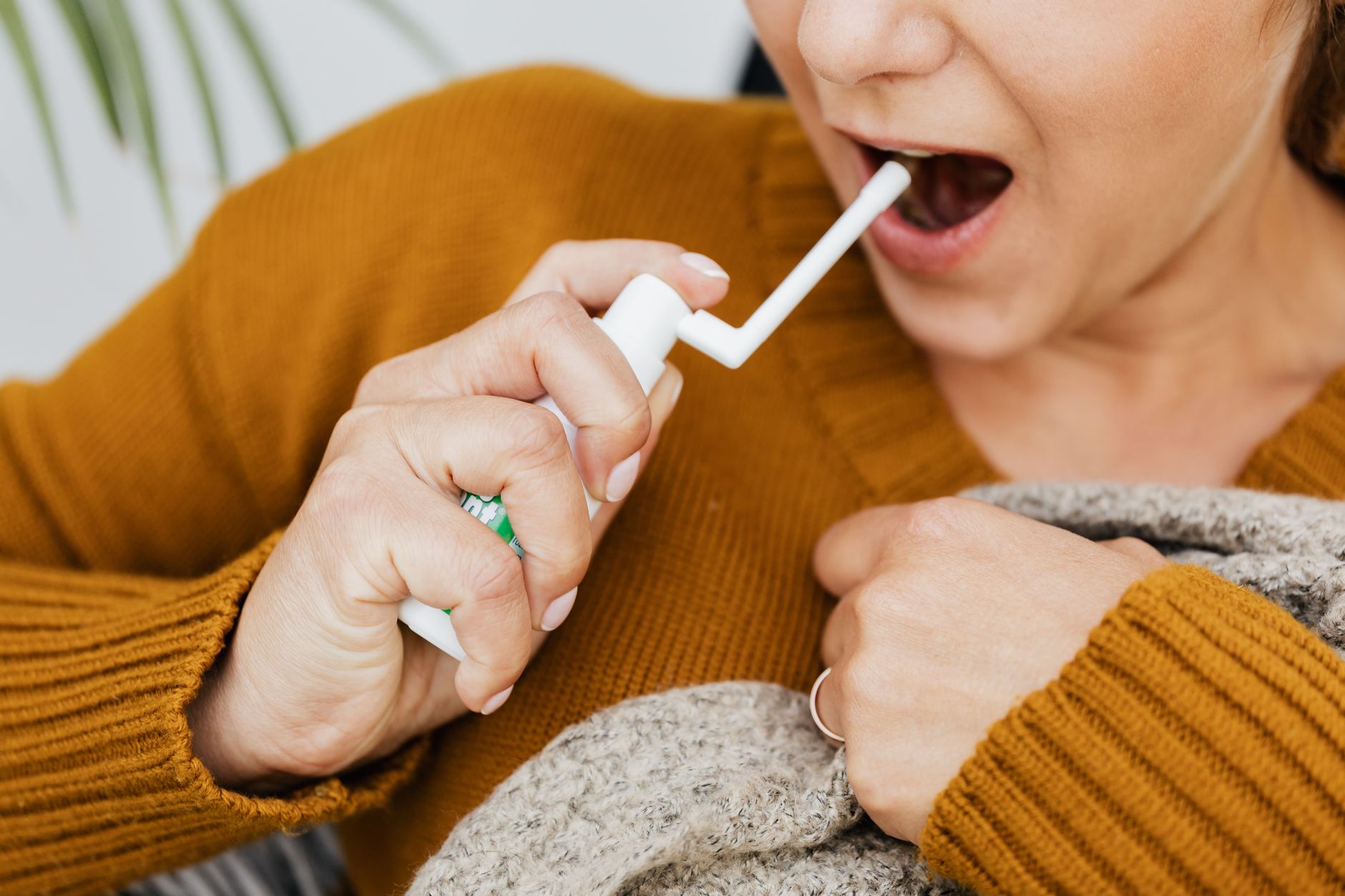
- Topical anesthetics, such as benzocaine gels or sprays, can provide temporary relief.
Medical Treatments
If home remedies are not effective, or if the stomatitis is severe or recurrent, medical treatment may be necessary. A doctor or dentist can diagnose the cause and recommend the appropriate treatment, which may include:
- Prescription Mouthwashes: Chlorhexidine mouthwash can help reduce bacterial growth.
- Topical Corticosteroids: These can reduce inflammation and pain.
- Antiviral Medications: Used to treat stomatitis caused by viral infections, such as herpes simplex.
- Antifungal Medications: Used to treat fungal infections, such as thrush.
- Nutritional Supplements: If the stomatitis is caused by a nutritional deficiency, supplements may be prescribed.
Preventing Stomatitis
Preventing stomatitis involves addressing underlying causes and maintaining good oral hygiene. Strategies include:
- Maintain Good Oral Hygiene: Regular brushing, flossing, and dental checkups.
- Manage Stress: Practice relaxation techniques, such as yoga or meditation.
- Avoid Irritants: Limit exposure to known triggers, such as certain foods or dental products.
- Treat Underlying Medical Conditions: Managing conditions like autoimmune diseases can help prevent stomatitis.
- Nutritional Support: Ensure a balanced diet rich in vitamins and minerals.
Common Mistakes
One common mistake is ignoring stomatitis, hoping it will resolve on its own. While mild cases may heal without intervention, persistent or severe cases require attention. Another mistake is using harsh mouthwashes that can further irritate the sores. It’s also important to avoid picking at or touching the sores, as this can increase the risk of infection. Finally, self-treating with antibiotics is discouraged, as antibiotics are ineffective against viral or fungal infections.
The Healing Process
The healing process for stomatitis varies depending on the cause and severity. Minor canker sores typically heal within 1-2 weeks. Viral stomatitis may take longer to resolve. Proper oral hygiene, dietary modifications, and, if necessary, medical treatment can help expedite healing. It is important to consult with a healthcare professional if the stomatitis persists for more than two weeks or if you experience severe pain, fever, or difficulty eating or drinking.
Seeking Professional Help
Knowing when to seek professional help is crucial. Consult a doctor or dentist if you experience:
- Severe pain that interferes with eating or drinking.
- Fever or other signs of infection.
- Stomatitis that persists for more than two weeks.
- Recurrent stomatitis.
- Suspected underlying medical condition.
Frequently Asked Questions (FAQs)
Can stomatitis be contagious?
While many types of stomatitis, such as canker sores, are not contagious, some forms, such as those caused by the herpes simplex virus (cold sores), are highly contagious.
What’s the difference between a canker sore and a cold sore?
Canker sores (aphthous ulcers) are non-contagious ulcers that appear inside the mouth. Cold sores, caused by the herpes simplex virus, are contagious blisters that typically appear on the outside of the mouth.
How can I quickly relieve the pain of stomatitis?
Rinsing with warm saltwater, applying topical anesthetics (like benzocaine), and taking over-the-counter pain relievers can provide temporary pain relief.
What foods should I avoid if I have stomatitis?
Avoid acidic foods (citrus fruits, tomatoes), spicy foods, salty foods, and hard or crunchy foods that can irritate the sores.
Is stomatitis related to stress?
Yes, stress can weaken the immune system and contribute to the development or recurrence of stomatitis, particularly canker sores and herpes simplex outbreaks.
How can I prevent canker sores?
While the exact cause of canker sores is unknown, maintaining good oral hygiene, managing stress, and avoiding known triggers can help prevent them.
Are there any natural remedies for stomatitis?
Besides saltwater rinses, some people find relief using chamomile tea rinses or honey applied to the sores. However, more research is needed to confirm their effectiveness.
Can vitamin deficiencies cause stomatitis?
Yes, deficiencies in vitamins such as B12, iron, folate, and zinc can contribute to stomatitis. A blood test can determine if you have any deficiencies.
What kind of mouthwash is best for stomatitis?
Alcohol-free mouthwashes are generally best to avoid further irritation. Chlorhexidine mouthwash may be prescribed for bacterial control, but use it as directed by your healthcare provider.
How often should I brush my teeth if I have stomatitis?
Continue to brush twice daily with a soft-bristled toothbrush, but be extra gentle around the affected areas.
When should I see a doctor for stomatitis?
See a doctor if you experience severe pain, fever, difficulty eating or drinking, stomatitis that lasts more than two weeks, or recurrent stomatitis.
How do you make stomatitis go away permanently?
Unfortunately, there’s no guaranteed permanent cure for all types of stomatitis, especially recurrent canker sores or herpes simplex outbreaks. However, by identifying and addressing underlying causes, practicing good oral hygiene, and managing triggers, you can significantly reduce the frequency and severity of outbreaks. Consistent proactive care is key to managing and minimizing its impact.