

How to Make Safe Saltwater for Hermit Crabs: A Comprehensive Guide
To create safe saltwater for hermit crabs, use a high-quality marine aquarium salt mix and dechlorinated or distilled water, ensuring you achieve the proper salinity level (specific gravity of 1.023-1.025). This precise mixture is crucial for their long-term health and well-being.

Why Safe Saltwater is Essential for Hermit Crabs
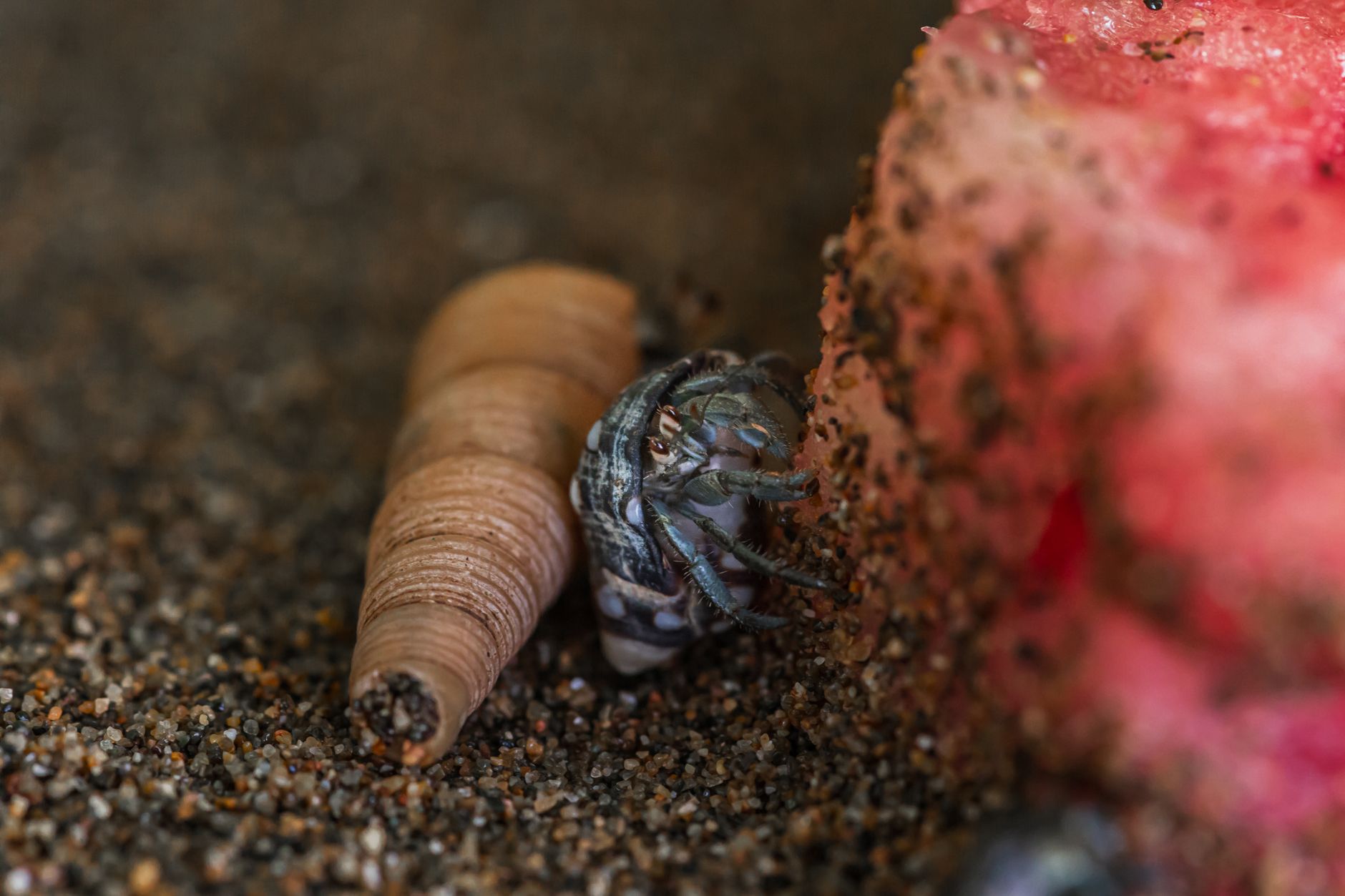
Hermit crabs, despite their terrestrial nature, require access to saltwater for various essential functions, including hydration, shell maintenance, and the replenishment of vital minerals. Unlike freshwater, saltwater contains the necessary electrolytes and trace elements that are crucial for their physiological processes. Providing inadequate or improperly prepared saltwater can lead to a host of health problems, including dehydration, molting difficulties, and even death. How do you make safe saltwater for hermit crabs? The process hinges on understanding the specific needs of these fascinating creatures.
What colours are fish most attracted to?
Can you put your finger in a trout's mouth?
Is methylene blue anti bacterial?
Does aquarium salt raise pH in aquarium?
The Right Ingredients for Perfect Saltwater

The foundation of safe saltwater lies in the quality of the ingredients you use.
- Salt Mix: Always opt for a reputable marine aquarium salt mix specifically designed for saltwater aquariums. Avoid table salt, sea salt intended for culinary purposes, or any salt mix that contains additives that could be harmful to hermit crabs.
- Water Source: Dechlorinated tap water is acceptable if you use a dechlorinator specifically formulated for aquariums. Alternatively, distilled water is an excellent choice as it is free from contaminants that can be found in tap water. Bottled water is not recommended, as the mineral content can vary greatly.
The Mixing Process: Achieving Optimal Salinity
Once you have the necessary ingredients, the mixing process is relatively straightforward.
- Prepare Your Container: Use a clean, food-grade plastic container or bucket. Avoid using metal containers as they can corrode and contaminate the saltwater.
- Add Water: Fill the container with the desired amount of dechlorinated or distilled water.
- Measure Salt Mix: Refer to the salt mix manufacturer’s instructions for the correct ratio of salt mix to water. Generally, it is around ½ cup of salt mix per gallon of water, but this can vary, so always consult the packaging.
- Mix Thoroughly: Use a clean plastic spoon or powerhead (small water pump) to mix the salt mix into the water. Continue mixing until the salt is completely dissolved and the water is clear. This may take several hours.
- Test the Salinity: Use a hydrometer or refractometer to measure the salinity of the saltwater. Aim for a specific gravity of 1.023 to 1.025, or a salinity of 30-35 ppt (parts per thousand). Adjust the salinity by adding more salt mix if it’s too low or more water if it’s too high. Re-test until you achieve the desired range.
Monitoring and Maintaining Saltwater Quality
Regular monitoring and maintenance are critical to ensure the ongoing safety and suitability of the saltwater.
- Regular Salinity Checks: Check the salinity of the saltwater at least once a week using a hydrometer or refractometer.
- Water Changes: Perform partial water changes (about 25%) every 1-2 weeks to replenish essential minerals and remove accumulated waste products.
- Observe Your Hermit Crabs: Keep a close eye on your hermit crabs for any signs of illness or distress, such as lethargy, reluctance to move, or excessive digging. These could indicate problems with the saltwater quality.
Common Mistakes to Avoid
Several common mistakes can compromise the safety of saltwater for hermit crabs.
- Using the Wrong Salt: As mentioned earlier, using table salt or sea salt intended for cooking is detrimental.
- Incorrect Salinity: Failing to achieve and maintain the correct salinity level is perhaps the most common error.
- Poor Mixing: Inadequately mixed saltwater can have uneven salinity levels, which can be harmful.
- Contaminated Water: Using contaminated water sources can introduce harmful chemicals or pathogens.
- Neglecting Water Changes: Infrequent water changes can lead to a buildup of toxins and a depletion of essential minerals.
Saltwater Quality: A Comparative Table
| Parameter | Desired Range | Potential Problems if Outside Range |
|---|---|---|
| Specific Gravity | 1.023-1.025 | Dehydration, Molting Issues |
| Salinity (ppt) | 30-35 | Dehydration, Molting Issues |
| Ammonia | 0 ppm | Toxic, Can Cause Death |
| Nitrite | 0 ppm | Toxic, Can Cause Death |
| Nitrate | <20 ppm | Stress, Reduced Molting Success |
| pH | 8.0-8.4 | Stress, Shell Dissolution |
Essential Tools for Creating Safe Saltwater
To make safe saltwater for hermit crabs, ensure you have the following:
- High-quality marine aquarium salt mix
- Dechlorinator or distilled water
- Clean, food-grade plastic container
- Mixing spoon or powerhead
- Hydrometer or refractometer
Frequently Asked Questions (FAQs)
How often should I change the saltwater for my hermit crabs?
Perform partial water changes (about 25%) every 1-2 weeks. This helps replenish essential minerals and remove accumulated waste, ensuring a healthy environment for your hermit crabs. Monitor water quality parameters such as salinity and nitrates to determine if more frequent changes are needed.
Can I use tap water if I add a dechlorinator?
Yes, you can use tap water if you add a dechlorinator specifically formulated for aquariums. Ensure the dechlorinator removes both chlorine and chloramine, as both are harmful to hermit crabs. Distilled water is a safer option, eliminating the risk of residual chlorine or other contaminants.
What happens if the salinity is too high?
If the salinity is too high, it can lead to dehydration in your hermit crabs. They may become lethargic and have difficulty molting. Gradually lower the salinity by adding dechlorinated or distilled water until you reach the desired range (1.023-1.025 specific gravity).
What happens if the salinity is too low?
If the salinity is too low, hermit crabs can struggle with osmoregulation (maintaining proper fluid balance). This can cause stress and make them more susceptible to illness. Gradually increase the salinity by adding more salt mix until you reach the desired range.
Can I use sea salt from the grocery store?
No, do not use sea salt from the grocery store. This salt is intended for culinary purposes and often contains additives that are harmful to hermit crabs. Use a marine aquarium salt mix specifically designed for saltwater aquariums.
Is it safe to use bottled water for saltwater?
Using bottled water is not recommended because the mineral content can vary greatly between brands. This inconsistency can make it difficult to maintain the correct salinity and mineral balance for your hermit crabs.
How do I know if my saltwater is safe?
The best way to ensure your saltwater is safe is to regularly test it using a hydrometer or refractometer to measure the salinity. Also, monitor the levels of ammonia, nitrite, and nitrate. Observing your hermit crabs’ behavior can also provide clues about the water quality.
Can I reuse old saltwater?
While you perform partial water changes, you should never reuse old saltwater indefinitely. Over time, it accumulates waste products and becomes depleted of essential minerals. Discard the old saltwater after performing a water change.
How much saltwater should I provide for my hermit crabs?
Provide a saltwater dish that is shallow enough for your hermit crabs to easily access but deep enough for them to submerge their bodies. The size of the dish should be appropriate for the size of your hermit crabs.
Do I need to add any other supplements to the saltwater?
Generally, no additional supplements are needed if you are using a high-quality marine aquarium salt mix. These mixes are formulated to provide the necessary minerals and trace elements.
Why do hermit crabs need saltwater anyway?
Hermit crabs need saltwater for hydration, shell maintenance, and to replenish vital minerals and electrolytes. It is crucial for their physiological processes and overall health.
What is the best way to dechlorinate tap water?
The best way to dechlorinate tap water is to use a dechlorinator specifically formulated for aquariums. These products neutralize both chlorine and chloramine, which are harmful to hermit crabs. Follow the manufacturer’s instructions carefully when using a dechlorinator. How do you make safe saltwater for hermit crabs? This is one vital step.