
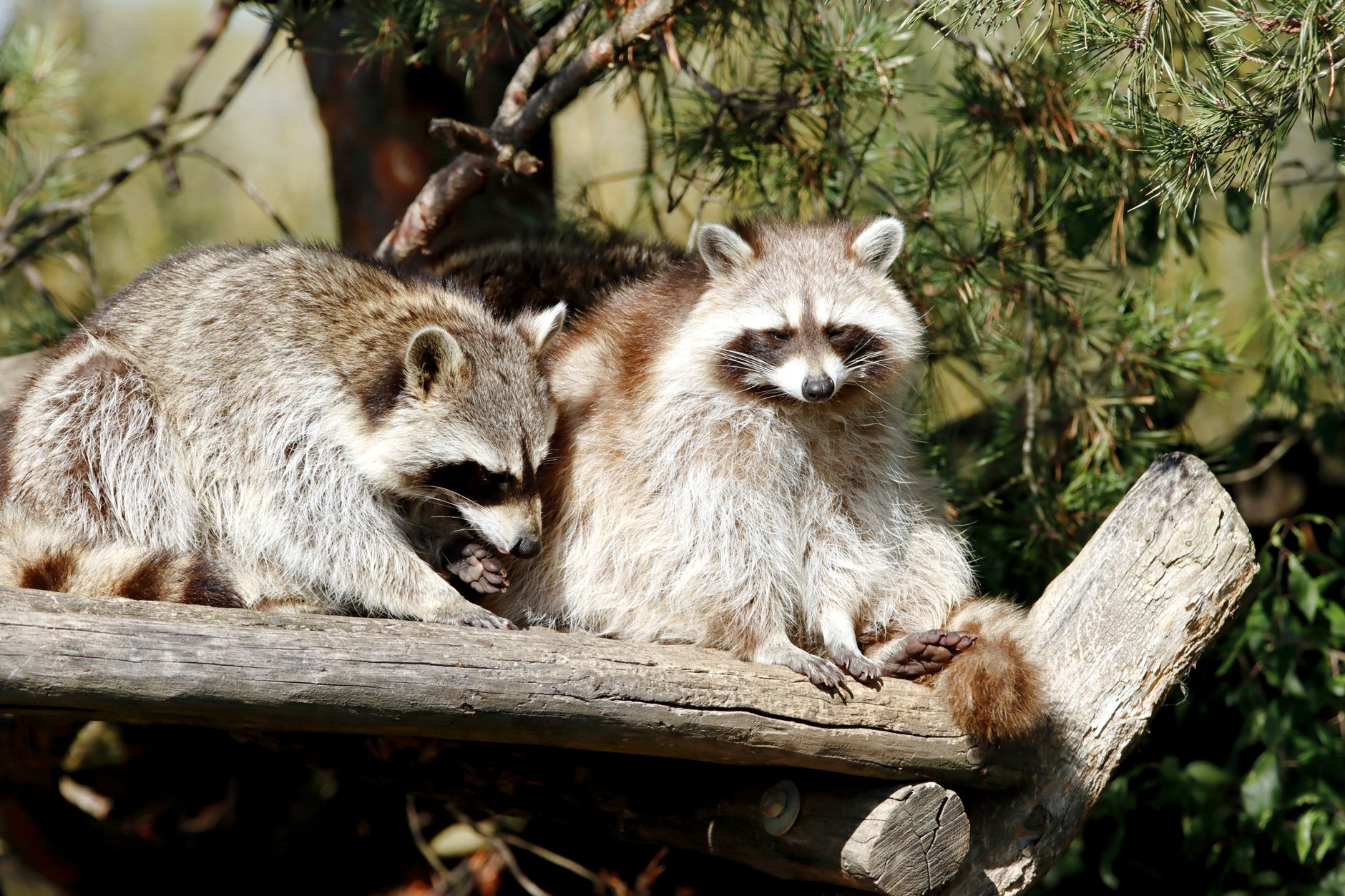
How to Create Effective Raccoon Repellent Spray: Protecting Your Property
How do you make raccoon repellent spray? You can create effective raccoon repellent spray using readily available ingredients like cayenne pepper, garlic, vinegar, and dish soap, mixed with water in a spray bottle, and applied strategically to areas where raccoons are active.
Understanding Raccoons and the Need for Repellents
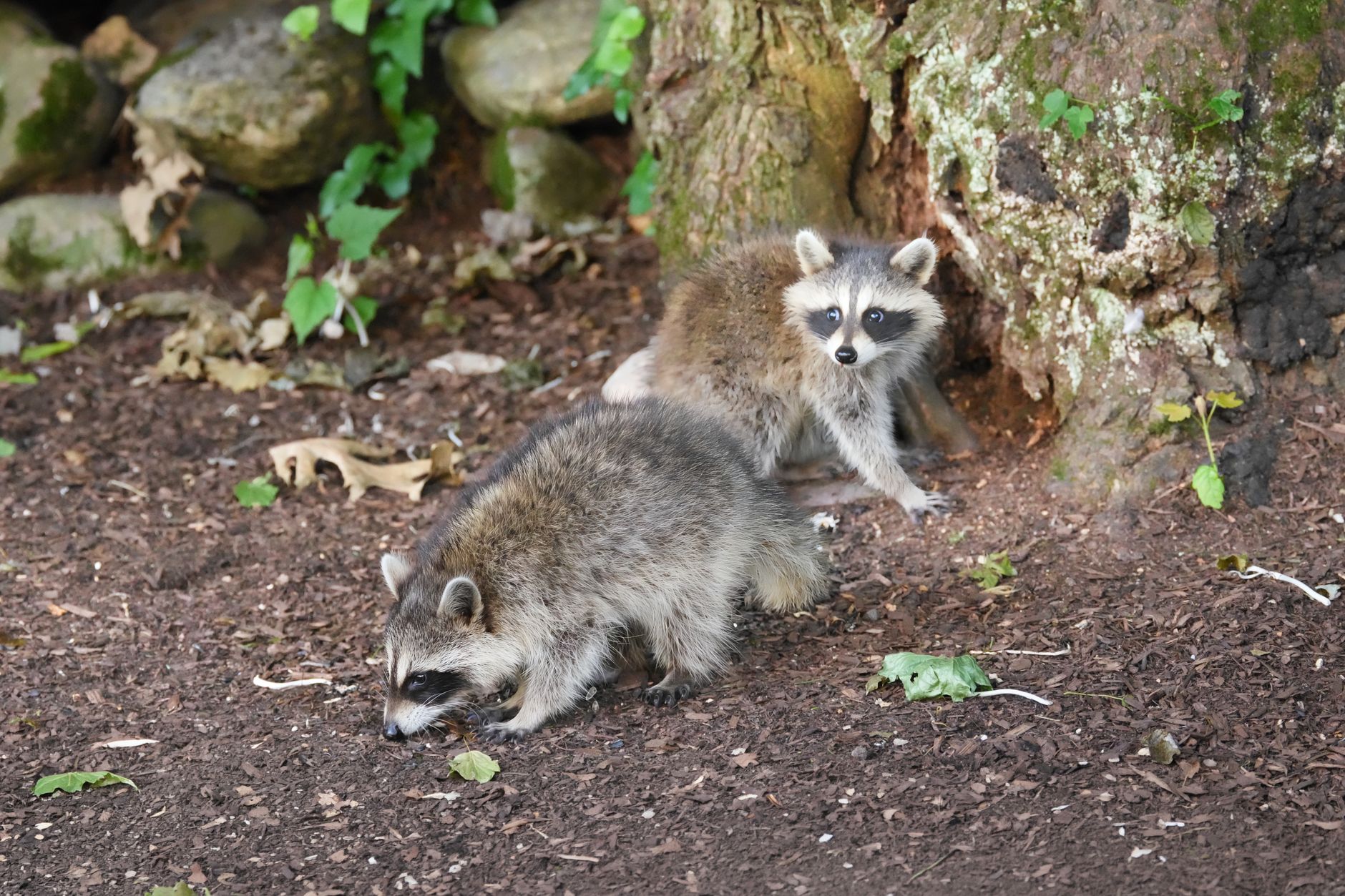
Raccoons, those masked bandits of the backyard, can be quite a nuisance. They’re intelligent, adaptable, and often drawn to human environments in search of food and shelter. This can lead to raided garbage cans, damaged gardens, and unwelcome house guests (in attics or under decks). Raccoon repellent sprays offer a humane and often effective way to deter these creatures without resorting to harmful traps or poisons. Understanding their behavior is key to successful deterrence.

What colours are fish most attracted to?
Can you put your finger in a trout's mouth?
Is methylene blue anti bacterial?
Does aquarium salt raise pH in aquarium?
Benefits of Using Homemade Raccoon Repellent Sprays
Why choose a homemade raccoon repellent spray over commercial options? There are several compelling reasons:
- Cost-Effectiveness: Homemade solutions are significantly cheaper.
- Control over Ingredients: You know exactly what you’re using, avoiding potentially harmful chemicals.
- Environmentally Friendly: Many homemade recipes utilize natural ingredients that are safer for the environment and pets.
- Customization: You can adjust the ingredients and strength of the spray based on your specific needs and the severity of the raccoon problem.
DIY Raccoon Repellent Spray Recipes: Step-by-Step Guide
There are several effective recipes for homemade raccoon repellent spray. Here are a few of the most popular and effective options, along with instructions for mixing and applying them:
Recipe 1: The Spicy Spray
This repellent relies on the irritating properties of capsaicin, the active compound in chili peppers.
- Ingredients:
- 2 tablespoons cayenne pepper powder
- 1 tablespoon liquid dish soap (unscented)
- 1 gallon of water
- Instructions:
- Mix the cayenne pepper and dish soap in a bucket.
- Gradually add the water, stirring constantly until well combined.
- Pour the mixture into a spray bottle.
- Spray liberally on areas where raccoons are active, such as garbage cans, gardens, and entry points to your home.
Recipe 2: The Garlic and Pepper Powerhouse
This spray combines the pungent smell of garlic with the irritant properties of peppers.
- Ingredients:
- 4 cloves of garlic, minced
- 1 tablespoon hot sauce (containing cayenne or habanero peppers)
- 1 tablespoon liquid dish soap (unscented)
- 1 gallon of water
- Instructions:
- Steep the minced garlic in a cup of hot water for about 30 minutes to extract its essence.
- Strain the garlic-infused water and combine it with the hot sauce and dish soap in a bucket.
- Add the remaining water, stirring well.
- Pour the mixture into a spray bottle and apply as needed.
Recipe 3: The Vinegar Defense
Vinegar’s strong odor can be off-putting to raccoons.
- Ingredients:
- Equal parts white vinegar and water
- Instructions:
- Mix the vinegar and water in a spray bottle.
- Spray around your property, paying particular attention to areas raccoons frequent.
- Reapply after rain.
Application Tips for Maximum Effectiveness
Simply mixing the spray is not enough. Proper application is crucial for achieving the desired results:
- Target Key Areas: Focus on garbage cans, gardens, decks, patios, and any potential entry points to your home.
- Spray Thoroughly: Ensure the repellent covers the entire area.
- Reapply Regularly: Reapply after rain or heavy dew. Frequency depends on weather conditions and the severity of the raccoon problem.
- Safety First: Wear gloves and eye protection when mixing and applying the spray. Avoid spraying directly at animals or people.
- Consider Rotation: Raccoons are intelligent and can become accustomed to a particular smell. Rotate between different repellent recipes to maintain effectiveness.
Common Mistakes to Avoid When Making Raccoon Repellent
While DIY repellents are generally straightforward, avoiding common mistakes will ensure their effectiveness:
- Using Excessive Soap: Too much soap can be harmful to plants. Stick to the recommended amount.
- Not Reapplying Frequently: Weather conditions can quickly dilute the repellent, rendering it ineffective. Regular reapplication is essential.
- Neglecting Sanitation: Repellents are most effective when combined with proper sanitation. Secure garbage cans, remove food sources, and clear away potential nesting sites.
- Ignoring Alternative Deterrents: Consider combining repellents with other deterrents, such as motion-activated lights or sprinklers.
- Not testing a small area: Before spraying liberally, test a small, inconspicuous area of your plants to ensure the spray doesn’t cause any damage.
Additional Deterrent Strategies
- Motion-activated Sprinklers: Raccoons dislike sudden bursts of water.
- Motion-activated Lights: Sudden illumination can startle and deter them.
- Secure Garbage Cans: Use tight-fitting lids and bungee cords to prevent raccoons from accessing trash.
- Remove Food Sources: Pick up fallen fruit, secure pet food, and clean up any spilled birdseed.
- Seal Entry Points: Inspect your home for potential entry points, such as holes in the foundation or gaps around pipes, and seal them securely.
Table: Comparing Raccoon Repellent Recipes
| Recipe | Ingredients | Effectiveness | Cost | Safety for Plants |
|---|---|---|---|---|
| Spicy Spray | Cayenne pepper, dish soap, water | High | Low | Moderate |
| Garlic/Pepper Powerhouse | Garlic, hot sauce, dish soap, water | High | Low | Moderate |
| Vinegar Defense | White vinegar, water | Moderate | Very Low | High |
Frequently Asked Questions (FAQs)
Will the raccoon repellent spray harm my pets?
While homemade raccoon repellent spray is generally safer than commercial options, it’s still important to exercise caution around pets. The spicy ingredients can cause irritation if ingested or come into contact with their eyes. Keep pets away from treated areas until the spray has dried completely. If you notice any signs of irritation, such as excessive licking or pawing at the face, consult a veterinarian. The goal is to deter raccoons, not harm any animals.
How often should I reapply the raccoon repellent spray?
The frequency of reapplication depends on several factors, including weather conditions and the severity of the raccoon problem. As a general rule, reapply the raccoon repellent spray after each rainfall or heavy dew. You may also need to reapply more frequently during peak raccoon activity periods, such as breeding season or when food sources are scarce. Check the areas you’ve sprayed regularly and reapply as needed.
Is it safe to use the raccoon repellent spray on my vegetable garden?
While the ingredients in most homemade raccoon repellent spray recipes are generally considered safe, it’s best to exercise caution when applying them to edible plants. Avoid spraying directly on fruits and vegetables that are ready to be harvested. Instead, focus on spraying the surrounding areas and foliage. Always wash produce thoroughly before eating.
What if the raccoon repellent spray doesn’t work?
If the raccoon repellent spray is not effective, consider trying a different recipe or combining it with other deterrent methods, such as motion-activated lights or sprinklers. It’s also important to address any underlying issues that may be attracting raccoons to your property, such as unsecured garbage cans or readily available food sources. Patience and persistence are key.
Can I use essential oils in raccoon repellent spray?
Some people find that certain essential oils, such as peppermint, eucalyptus, and citronella, can help deter raccoons. You can add a few drops of essential oil to your raccoon repellent spray recipe or create a separate spray using a mixture of essential oils and water. However, essential oils can be harmful to pets, so use caution and do your research.
Does the time of year affect the effectiveness of the raccoon repellent spray?
Yes, the time of year can influence the effectiveness of raccoon repellent spray. Raccoons are generally more active during the spring and fall when they are breeding and foraging for food. During these times, you may need to apply the repellent more frequently. In the winter, when raccoons are less active, you may be able to reduce the frequency of application.
How do I prevent raccoons from getting into my attic?
Preventing access to your attic is crucial. Trim tree branches that overhang your roof, as they provide easy access. Inspect your roof and eaves for any holes or weak spots and seal them securely. Install wire mesh over vents and chimneys. If raccoons are already in your attic, hire a professional wildlife removal service to remove them humanely before sealing the entry points.
Is it illegal to trap and relocate raccoons?
The legality of trapping and relocating raccoons varies depending on your state and local regulations. In many areas, it is illegal to trap and relocate raccoons without a permit, as this can disrupt local ecosystems and spread diseases. Additionally, relocated raccoons often struggle to survive in unfamiliar territory.
Are there any plants that deter raccoons?
While not a guaranteed solution, some plants are thought to deter raccoons due to their strong odors or prickly texture. These include mint, marigolds, and cucumber. Planting these around your garden may help to discourage raccoons from entering.
How do I keep raccoons away from my bird feeders?
Raccoons are attracted to bird feeders as a readily available food source. To prevent them from accessing your feeders, hang them from a wire strung between two trees or poles. Use a baffle to prevent raccoons from climbing up the pole. You can also bring your bird feeders indoors at night.
Will the raccoon repellent spray stain my siding?
While most homemade raccoon repellent spray recipes are unlikely to stain siding, it’s always a good idea to test the spray on a small, inconspicuous area first to be sure. Avoid using recipes that contain dyes or other potentially staining ingredients.
Can I use bleach as a raccoon repellent?
While bleach has a strong odor that may deter raccoons, it is not recommended as a repellent. Bleach is a harsh chemical that can be harmful to plants, pets, and the environment. It can also damage surfaces and pose a health risk if inhaled or ingested. Choose safer, more natural repellent options.