

How Do You Know If a Hedgehog is in Trouble?
Knowing how to identify a hedgehog in distress is crucial for their survival. Spotting a hedgehog out during the day, injured, emaciated, or behaving strangely are key indicators that it needs immediate help. These signs, coupled with knowledge of their normal behavior, can make all the difference in offering timely assistance.
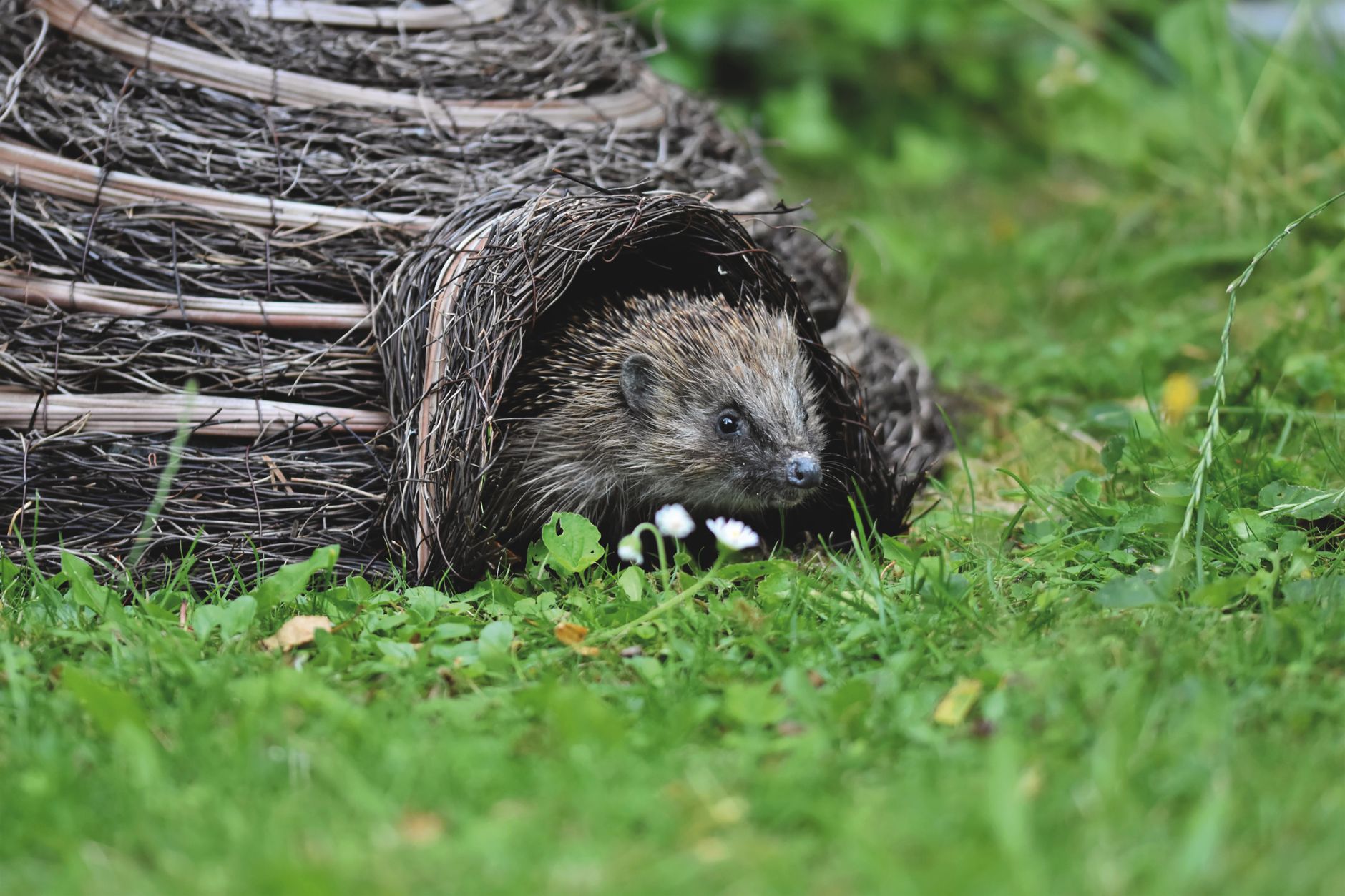
Introduction: Hedgehog Welfare – A Shared Responsibility
Hedgehogs, those charming, prickly insectivores, are facing increasing challenges in our modern world. Habitat loss, road traffic, and pesticide use all contribute to their declining numbers. As such, understanding how do you know if a hedgehog is in trouble? is more important than ever. Being able to recognize signs of distress allows us to intervene and potentially save a life. This article aims to provide a comprehensive guide to identifying hedgehogs in need of assistance.

What colours are fish most attracted to?
Can you put your finger in a trout's mouth?
Is methylene blue anti bacterial?
Does aquarium salt raise pH in aquarium?
Understanding Normal Hedgehog Behavior

Before we can recognize signs of trouble, it’s essential to understand what constitutes normal hedgehog behavior. Hedgehogs are primarily nocturnal animals, meaning they are most active at night.
- Nocturnal Activity: Healthy hedgehogs are usually out foraging for food under the cover of darkness.
- Hibernation: During the colder months (typically November to March), hedgehogs hibernate. This is a crucial part of their life cycle. A hedgehog awake and active during deep winter could indicate a problem.
- Foraging Habits: They primarily eat insects, worms, and other invertebrates.
- Nest Building: Hedgehogs create nests, called hibernacula, made of leaves, grass, and other natural materials.
Key Indicators a Hedgehog Needs Help
Several signs indicate a hedgehog is in distress and requires immediate assistance. These range from unusual daytime activity to visible injuries. Learning to recognize these signs is essential in helping our prickly friends.
- Daytime Activity: Seeing a hedgehog out during the day is almost always a cause for concern. Healthy hedgehogs are rarely active during daylight hours unless severely ill or disturbed.
- Visible Injuries: Any visible wounds, limping, or difficulty moving are clear indicators of trouble.
- Emaciation: A hedgehog that looks thin, weak, or wobbly is likely underweight and malnourished. This is particularly worrying for hedgehogs preparing for or emerging from hibernation.
- Unusual Behavior: Erratic behavior, such as stumbling, circling, or seeming disoriented, can indicate neurological problems or poisoning.
- Orphaned Hoglets: Small, unsupervised baby hedgehogs (hoglets) are likely orphaned and need urgent care.
Actionable Steps: What to Do If You Find a Hedgehog in Trouble
Once you’ve identified a hedgehog in need of help, here’s what to do:
- Assess the Situation: Observe the hedgehog carefully. Note its condition, any visible injuries, and its behavior.
- Contain the Hedgehog: Gently place the hedgehog in a cardboard box lined with newspaper or old towels. Ensure the box is well-ventilated and escape-proof.
- Provide Warmth: Hedgehogs in distress are often cold. Place a wrapped hot water bottle or a heat pad (covered with a towel) in the box to provide warmth. Be careful not to overheat the hedgehog.
- Offer Food and Water: Provide a shallow dish of water and some appropriate food, such as wet cat food (not fish-based) or hedgehog-specific food.
- Contact a Wildlife Rescue or Veterinarian: This is the most crucial step. Contact your local wildlife rescue center, hedgehog rescue organization, or a veterinarian experienced in treating hedgehogs. They will provide expert advice and care.
- Handle with Care: When handling a hedgehog, always wear gloves to protect yourself from potential diseases and parasites.
Potential Threats to Hedgehogs
Understanding the threats hedgehogs face can help you better protect them and recognize when they might be in trouble.
- Road Traffic: Roads are a major hazard for hedgehogs.
- Habitat Loss: The destruction of hedgerows and green spaces reduces their food sources and nesting sites.
- Pesticide Use: Pesticides can poison hedgehogs directly or indirectly by reducing their insect prey.
- Garden Hazards: Garden nets, strimmers, and bonfires pose significant risks.
- Predators: While natural predators exist, domestic animals, like dogs, can also cause harm.
Preventing Hedgehog Problems: How You Can Help
There are many ways you can help protect hedgehogs in your local area.
- Create Hedgehog-Friendly Gardens: Leave patches of wild vegetation, provide access holes in fences, and avoid using pesticides.
- Provide Food and Water: Offer supplemental food and water, especially during dry weather or before hibernation.
- Check Bonfires Before Lighting: Always check bonfires for hedgehogs before lighting them.
- Keep Garden Nets Safe: Secure garden nets to prevent hedgehogs from getting entangled.
- Report Sightings: Reporting hedgehog sightings to local conservation organizations helps track their populations and distribution.
Table: Signs of a Healthy vs. Distressed Hedgehog
| Feature | Healthy Hedgehog | Distressed Hedgehog |
|---|---|---|
| Activity | Nocturnal, active at night | Active during the day |
| Appearance | Plump, healthy weight | Thin, emaciated, wobbly |
| Movement | Moves easily, no limping | Difficulty moving, limping, circling |
| Coat | Spines are smooth and clean | Spines are missing, damaged, or infested with parasites |
| Behavior | Alert, responsive to stimuli | Lethargic, unresponsive, disoriented |
| Breathing | Regular, quiet breathing | Labored breathing, wheezing |
Frequently Asked Questions (FAQs)
What is the best food to give a hedgehog in need?
The best food to give a hedgehog in need is wet cat food (chicken or meat flavor, not fish-based) or hedgehog-specific food. Avoid feeding them milk, as they are lactose intolerant, and bread, which offers little nutritional value. Always provide a shallow dish of fresh water alongside the food.
How can I tell if a hedgehog is hibernating or just unwell?
Distinguishing between hibernation and illness can be tricky. A hibernating hedgehog will be curled up tightly, unresponsive, and cold to the touch. An unwell hedgehog may be lying on its side, moving weakly, or have other visible signs of distress, such as labored breathing or open wounds. If in doubt, contact a wildlife rescue.
Is it safe to handle a hedgehog?
It is generally safe to handle a hedgehog, but always wear gloves to protect yourself from potential diseases, parasites (like mites and ticks), and their sharp spines. Wash your hands thoroughly after handling.
What should I do if I find a baby hedgehog (hoglet) alone?
If you find a hoglet alone, observe it from a distance for a short period to see if the mother returns. If the mother does not reappear within a few hours, or if the hoglet appears weak or injured, contact a wildlife rescue immediately. Hoglets require specialized care.
Can I keep a hedgehog as a pet?
In the UK, it is illegal to keep a wild hedgehog as a pet. Hedgehogs are protected animals, and removing them from their natural habitat is against the law. If you are interested in owning a hedgehog, consider a domesticated African pygmy hedgehog, which is legal to keep as a pet.
What does hedgehog poo look like?
Hedgehog poo is typically dark brown or black, cylindrical, and about the size of a small sausage. It may contain undigested insect parts. Unusual looking poo can be an indicator of illness.
What are the common parasites that affect hedgehogs?
Common parasites that affect hedgehogs include fleas, ticks, mites, and lungworm. These parasites can cause a range of health problems, from skin irritation to respiratory distress. A wildlife rescue can provide appropriate treatment.
How can I make my garden safe for hedgehogs?
To make your garden safe for hedgehogs, provide access holes in fences (13cm x 13cm), avoid using pesticides, cover drains and other hazards, and check bonfires before lighting them. Consider creating a hedgehog-friendly corner with logs and leaves.
What should I do if I accidentally injure a hedgehog in my garden?
If you accidentally injure a hedgehog, immediately contain it in a box and contact a wildlife rescue or veterinarian. Provide warmth and food while you wait for help to arrive.
Why are hedgehogs declining in population?
Hedgehogs are declining in population due to a combination of factors, including habitat loss, road traffic, pesticide use, and climate change. These factors reduce their food sources, nesting sites, and overall survival rates.
What time of year are hedgehogs most vulnerable?
Hedgehogs are most vulnerable during autumn (as they prepare for hibernation) and spring (as they emerge from hibernation). They need to build up their fat reserves before winter and recover after hibernation, making them susceptible to starvation and cold exposure.
How do you know if a hedgehog is in trouble?
Ultimately, how do you know if a hedgehog is in trouble boils down to observation and awareness. Knowing the signs of distress, such as daytime activity, visible injuries, and unusual behavior, is crucial for providing timely assistance. By acting quickly and contacting a wildlife rescue, you can give these amazing creatures a fighting chance.